
 The essential
6 × Entre Amis red
6 bottles — Graves red 2022
The best price of the cellar: €12 per bottle delivered.
The everyday red: generous and straight to the point.
I want it333 EM
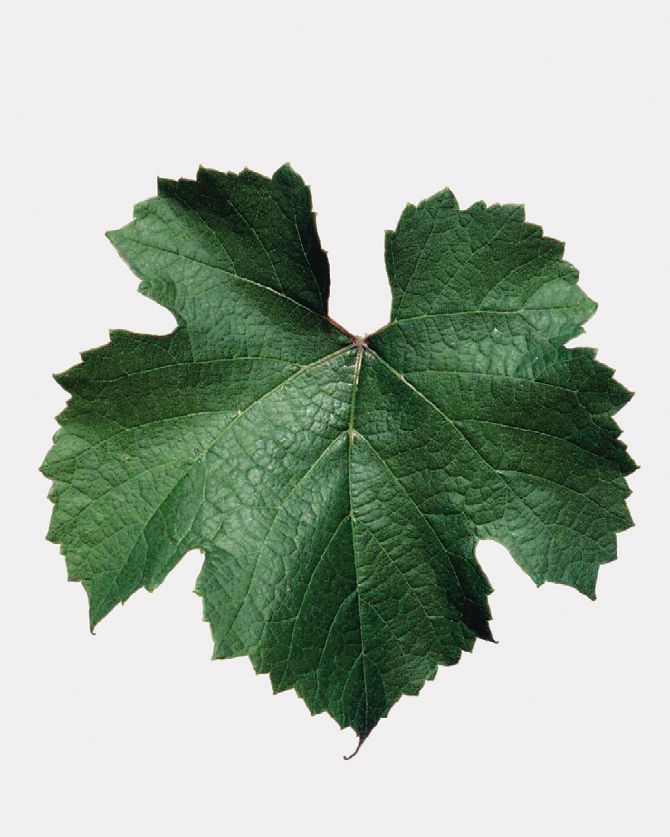
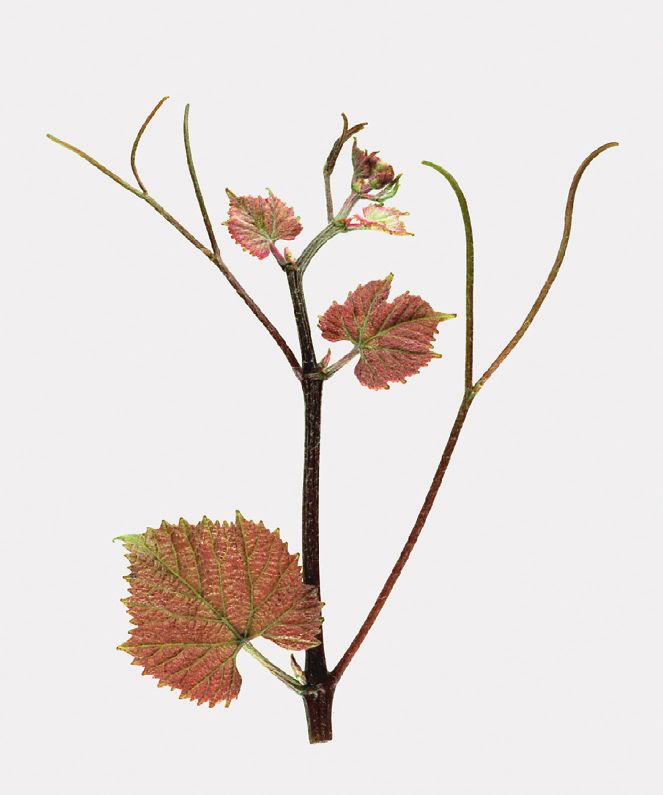
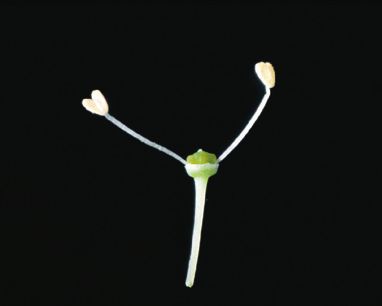
The 333 EM rootstock (333 École de Montpellier) is a historic benchmark in French vineyards, particularly valued for its tolerance to complex soils. Resulting from a judicious cross, it contributed to the revival of viticulture after the phylloxera crisis. Its agronomic profile makes it well suited to Bordeaux terroirs, especially those with limestone constraints.
The 333 EM rootstock was bred from a cross between Vitis berlandieri and Vitis riparia, carried out by the École Nationale Supérieure Agronomique de Montpellier. This hybridisation work took place during an intense search for solutions following the devastating phylloxera crisis in Bordeaux and throughout French vineyards in the late 19th century. It aimed to combine the phylloxera resistance of American species with better adaptation to calcareous soils.
| Characteristic | Description |
|---|---|
| Parents / cross | Vitis berlandieri x Vitis riparia |
| Parent species | Vitis berlandieri, Vitis riparia |
| Breeder and date | École Nationale Supérieure Agronomique de Montpellier, late 19th century |
| Phylloxera resistance | Very good |
| Conferred vigour | Low to moderate |
| Active limestone tolerance | Very good (IPC > 20) |
| Drought tolerance | Moderate to good |
| Tolerance to waterlogging / asphyxiation | Low |
| Effect on scion ripening | Neutral to slight delay |
| Status / registration | Official French catalogue |
333 EM is particularly well suited to soils rich in active limestone, with an Index of Chlorosis Potential (IPC) greater than 20, making it a preferred choice for preventing iron chlorosis. Its drought tolerance is considered moderate to good, making it attractive for diverse pedoclimatic conditions. However, it shows poor tolerance to excess moisture and soils prone to root asphyxia, requiring well-drained land. It also adapts relatively well to shallow, gravelly soils.
The 333 EM rootstock imparts low to moderate vigour to the scion, which is an asset for controlling yields and encouraging grape quality. Its effect on scion ripening is generally neutral or slightly delaying, which can prove advantageous in the context of climate change. It ensures good water and nitrogen nutrition, contributing to vegetative and qualitative balance. This rootstock is often associated with moderate yields, synonymous with greater wine concentration.
333 EM demonstrates good graft compatibility with most Vitis vinifera grape varieties, including the classic Bordeaux cultivars. Its moderate vigour allows for traditional planting densities and suitability across various pruning systems. For optimal vineyard management, non-hydromorphic soils should be favoured and irrigation adapted to requirements, especially during extended dry spells.
Although highly resistant to iron chlorosis, 333 EM is relatively susceptible to nematodes and can exacerbate fanleaf degeneration (court-noué) symptoms. It is therefore crucial to assess soil pest and nematode status before planting. Its low tolerance to root asphyxia requires particular attention to plot drainage. Vigilance is also needed to prevent excessive vigour which, although rare with this rootstock, could impair grape quality. In this regard, the Fercal rootstock stands out for its exceptional chlorosis resistance and high limestone tolerance.
In the context of climate change, 333 EM exhibits interesting traits, notably its good drought tolerance and its neutral-to-slightly-delaying effect on ripening. These aspects can help maintain good phenological and aromatic balance in grapes in regions facing rising temperatures, offering adaptation pathways for Bordeaux vineyards. However, its sensitivity to excessive moisture may prove limiting in climates subject to intense rainfall episodes. It is not a rootstock we have selected for our estate.
At Château Cazebonne, our work focused on rediscovering and preserving viticultural biodiversity encourages us to gain a deeper understanding of essential agronomic tools such as rootstocks. This approach is made possible thanks to the support of discerning wine lovers who, by discovering our wines online, help promote and protect our ampelographic heritage. Feel free to download our book on the history of Bordeaux grape varieties to explore the subject further, or to test your knowledge on the 44-53 M (44-53 Malègue) rootstock through our wine quizzes.
Sources
Our suggestions
-5%on your 1st order with code BIENVENUE
The essential6 bottles — Graves red 2022
The best price of the cellar: €12 per bottle delivered.
The everyday red: generous and straight to the point.
I want it Our recommendation92/100 RVF
6 bottles — Graves red 2022, 92/100 RVF
Rated 92/100 by La Revue du vin de France: a solid 10-year ageing potential.
Our Graves for ageing, the finest gateway to the estate.
I want it Go further
12 bottles — the whole range
12 bottles, the whole range tasted: the best discovery-to-price ratio.
The complete tour of the estate, in a single case.
I want itThe cellar, forgotten grape varieties and our cuvées, twice a month. 5% off your first order with the code BIENVENUE.