
 The essential
6 × Entre Amis red
6 bottles — Graves red 2022
The best price of the cellar: €12 per bottle delivered.
The everyday red: generous and straight to the point.
I want it101-14 MGt
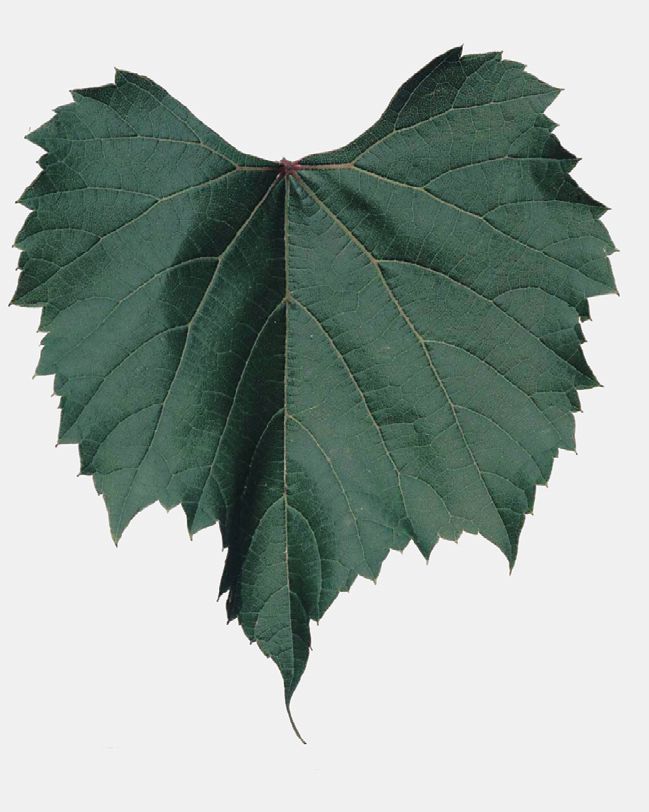
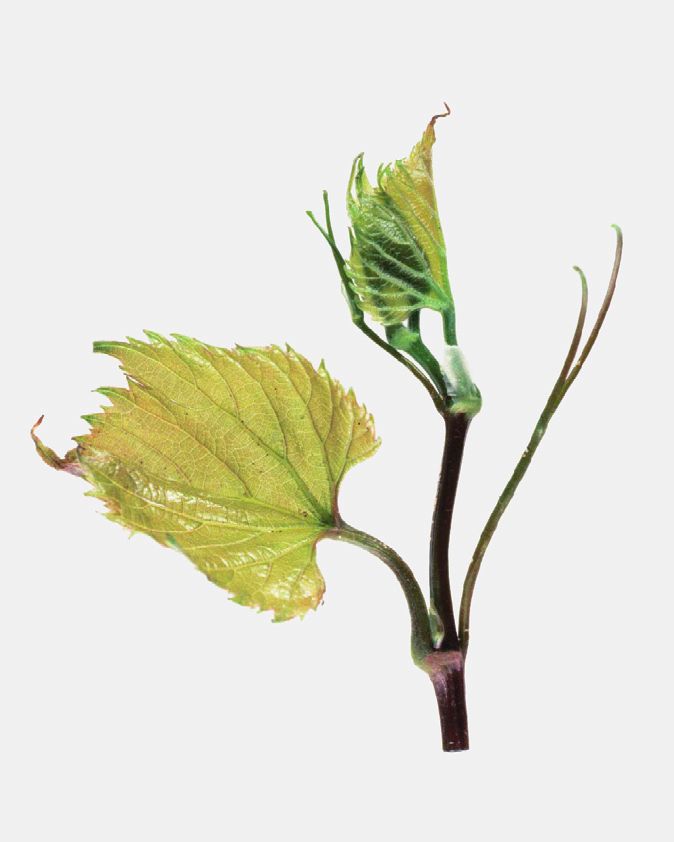
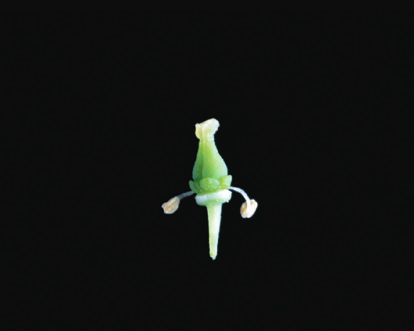
The 101-14 MGt (Millardet et de Grasset) rootstock is one of the historic solutions adopted across the Bordeaux vineyard to combat phylloxera. Its history is intimately linked to this major crisis that devastated European vineyards in the late 19th century, prompting winegrowers to seek resistant American rootstocks onto which they could graft their traditional grape varieties. Created in this emergency context, 101-14 MGt quickly established itself thanks to its agronomic characteristics, notably its adaptation to specific soil types.
101-14 Millardet et de Grasset is the result of a cross between Vitis riparia and Vitis rupestris, carried out by the ampelographers Millardet and de Grasset. This rootstock was developed in response to the phylloxera invasion in Europe, providing a resistant base against this devastating pest. It represents one of many creations resulting from post-phylloxera research aimed at safeguarding French viticulture.
| Characteristic | Description |
|---|---|
| Parentage / cross | Vitis riparia x Vitis rupestris |
| Species of origin | Vitis riparia, Vitis rupestris |
| Breeder and date | Millardet et de Grasset, late 19th century |
| Phylloxera resistance | Good |
| Conferred vigour | Moderate |
| Active lime tolerance | Moderate IPC (up to 17-20%) |
| Drought tolerance | Moderate |
| Tolerance to excess moisture / asphyxiation | Moderate to good |
| Effect on scion ripening | Neutral |
| Status / registration | Official French catalogue |
The 101-14 MGt rootstock is particularly well-suited to clay-siliceous soils and medium-textured ground. It shows moderate tolerance to active limestone, with a chlorosis power index (IPC) that allows its use in soils containing up to 17–20% active limestone. Its tolerance to moisture is appreciable, although it may show limitations in cases of prolonged soil asphyxiation. It is less recommended for very poor, dry or compacted soils.
101-14 MGt confers moderate vigour to the scion. It is renowned for its neutral effect on the ripening of grafted grape varieties, thereby preserving the variety's natural vegetative cycle. It ensures a sound water balance—even if its drought tolerance is only moderate—and promotes steady nitrogen uptake. Its influence on yield and quality is generally favourable, without excess or deficiency, contributing to consistent and balanced production.
This rootstock shows good graft affinity with most Bordeaux grape varieties. Historically, it was frequently used across wine regions such as Entre-deux-Mers, Blayais and Libournais, particularly for traditional varieties. Its moderate vigour makes it an appealing choice for a variety of planting densities, and it is compatible with various pruning methods, provided the soil is suitable.
Despite its strengths, 101-14 MGt presents a few sensitivities. Its tolerance to active limestone remains limited, making it prone to iron chlorosis in highly calcareous soils. It is also susceptible to certain nematodes, although its phylloxera resistance is good. Excessive vigour can occasionally be observed if the soil is overly fertile and damp, though this is less frequent than with more vigorous rootstocks.
In the face of climate change challenges, 101-14 MGt can offer valuable avenues. Its moderate moisture tolerance and ability to handle varied soils can prove advantageous under changing climatic conditions. However, its limited resistance to severe drought could become a constraint in regions experiencing increasingly frequent heatwaves. It causes no significant shift in ripening timing, which can help preserve the aromatic profile of grape varieties. We have tended to use it less across the estate since 2020.
Château Cazebonne is actively committed to preserving and rediscovering grape varieties and viticultural practices adapted to its Bordeaux terroir. This meticulous work, from rootstock selection to vinification, contributes to the individuality of our wines and is made possible thanks to the enthusiasm of the wine lovers who support them. To learn more about our vineyard's history, feel free to download our book "Bordeaux, une histoire de cépages" or test your knowledge with our wine quizzes. And to discover the fruit of our passion, explore our online shop. Or discover the 420 A MGt rootstock, or the 1103 P (1103 Paulsen) rootstock, or the 110 R (110 Richter) rootstock, or the 1447 P (1447 Paulsen) rootstock, or the 140 Ru (140 Ruggeri) rootstock, or the 99 R (99 Richter) rootstock, and other historic varieties.
Sources
Our suggestions
-5%on your 1st order with code BIENVENUE
The essential6 bottles — Graves red 2022
The best price of the cellar: €12 per bottle delivered.
The everyday red: generous and straight to the point.
I want it Our recommendation92/100 RVF
6 bottles — Graves red 2022, 92/100 RVF
Rated 92/100 by La Revue du vin de France: a solid 10-year ageing potential.
Our Graves for ageing, the finest gateway to the estate.
I want it Go further
12 bottles — the whole range
12 bottles, the whole range tasted: the best discovery-to-price ratio.
The complete tour of the estate, in a single case.
I want itThe cellar, forgotten grape varieties and our cuvées, twice a month. 5% off your first order with the code BIENVENUE.