
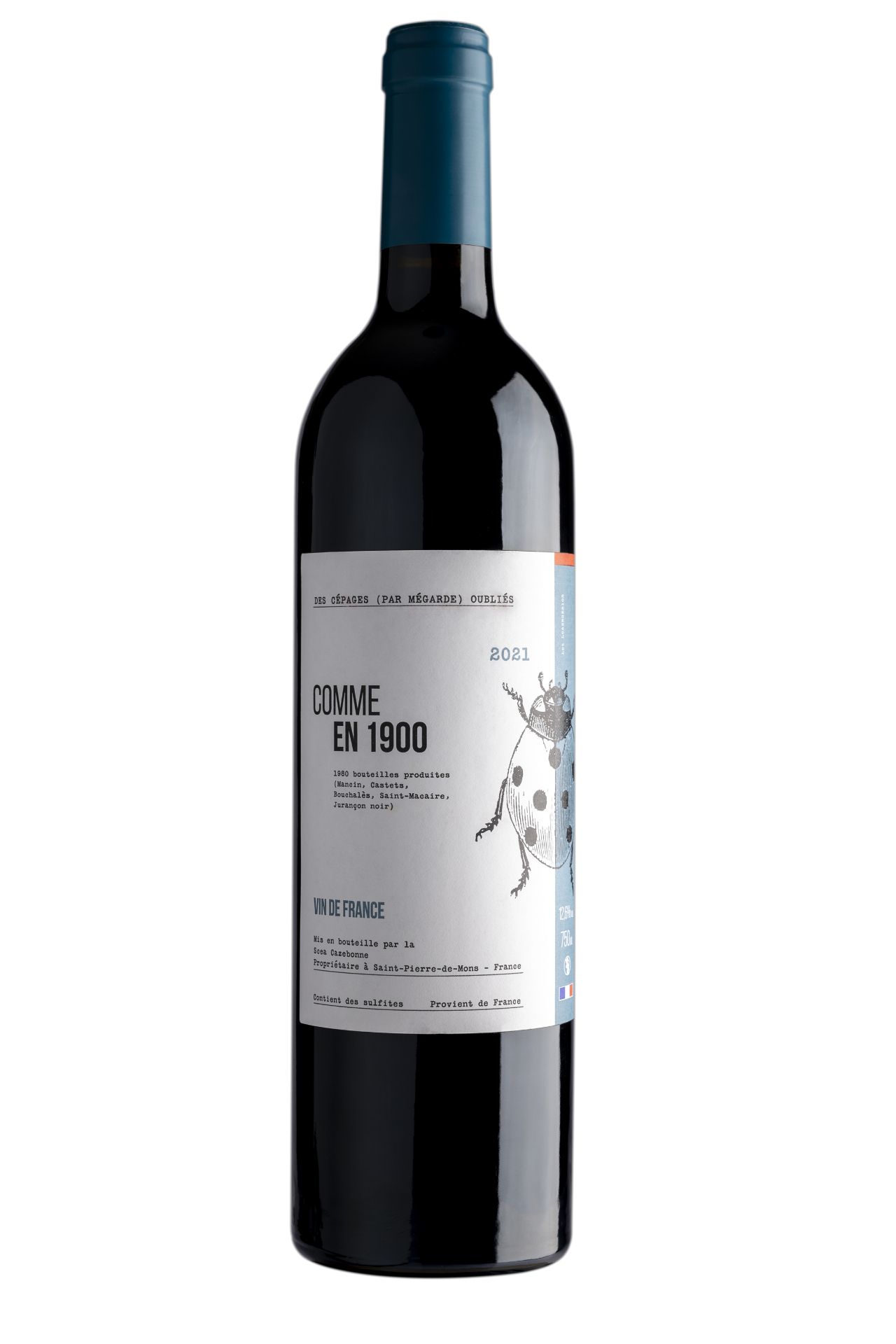
 The essential92/100 RVF
Comme en 1900 red 2022
Vin de France — heritage grapes, 92/100 RVF
The pre-phylloxera Bordeaux blend, revived at the estate.
Castets, Mancin, Pardotte: the Bordeaux before Bordeaux.
I want it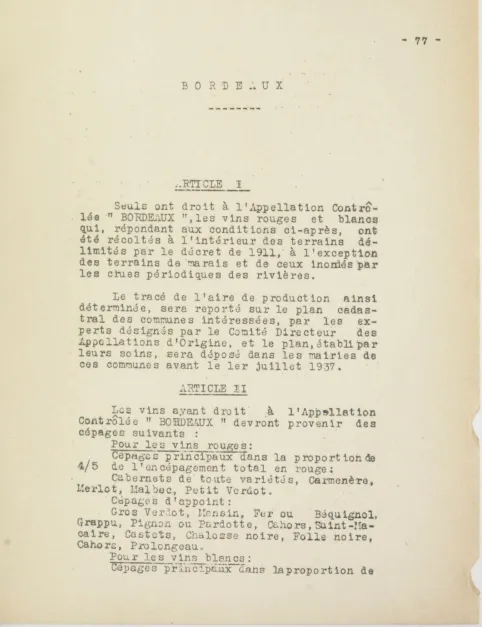
The rich and complex history of grape varieties in the Bordeaux vineyard reveals a gradual simplification since the mid-19th century. This evolution stemmed from a combination of factors, including major vineyard crises, agronomic and commercial decisions, as well as strict regulations. Before the establishment of the Appellations d'Origine Contrôlée (AOC), the viticultural landscape was far more diverse. However, the need to adapt to challenges and optimise production led to the abandonment of numerous varieties deemed less productive or resilient, marking a significant decline in genetic diversity.
A winegrower's choice of grape variety is driven by the search for essential qualities. An ideal grape must combine good winemaking potential, ease of cultivation, consistent yields, and resistance to climatic hazards or diseases. Historically, while many grape varieties met some of these criteria, rising standards and advancing agronomic knowledge reshaped the concept of a "good grape variety". This evolution naturally steered choices towards the most suitable and reliable varieties, to the detriment of others considered too demanding or inconsistent.
The Bordeaux vineyard has been shaped by a succession of crises and regulations that determined its current mix of grape varieties. Powdery mildew (oïdium), in the mid-19th century, highlighted the vulnerability of certain varieties and contributed to the expansion of Sémillon on the Left Bank. Phylloxera, in the 1870s, made the widespread use of resistant rootstocks indispensable. Downy mildew (mildiou) also exerted continuous pressure on varietal selection. Climatic events, such as the devastating frosts of the winter of 1956, wiped out nearly half of the Gironde vineyard, prompting massive replanting with varieties favoured by legislation, notably the 1953 law. Yet, period documents, such as a Bordeaux nursery catalogue poster from the 1960s, prove that varieties now considered "forgotten" were still being planted in the 1950s and 1960s. For historical perspectives on White grape varieties in 1961 and Red grape varieties in 1961 and other varieties of the era, regulations, successive laws and the creation of the AOCs from 1935 onwards established a strict production framework, including the list of authorised grape varieties, which anchored Bordeaux's modern encépagement. For a deeper historical perspective on the state of the vineyard at that time, one can consult the works of Georges Bord on Bordeaux grape varieties in 1932. A fascinating text can also be explored, a true Eulogy of Cabernet-Sauvignon (1897) published during that era.
The trend towards simplification has focused global production on around a hundred grape varieties, casting aside many varieties once widespread in our Bordeaux vineyards. Many of these forgotten grapes are now preserved in repositories, such as the Domaine de Vassal conservatory, which houses nearly 3,000 traditional varieties of Vitis vinifera. This genetic heritage is essential for the future, providing an invaluable resource for massal selection and the development of new varieties better suited to future challenges (Source 2). Indeed, in the face of climate change and emerging diseases, diversification has once again become a vital priority for the sustainability of the vineyard.
The introduction of Appellations d'Origine Contrôlée (AOC) from 1935 had a profound impact on Bordeaux's grape varieties by "streamlining" them. Appellation decrees strictly defined authorised varieties, building the global reputation of Bordeaux wines upon a limited selection: Merlot, Cabernet-Sauvignon, Cabernet Franc, Malbec and Petit Verdot for reds; Sémillon, Sauvignon and Muscadelle for whites (Source 3). While this regulation guarantees distinct typicity and strong identity for Bordeaux wines, it can also be seen as an obstacle to experimentation and adaptation. By its very nature, it restricts the introduction of new varieties, including disease-resistant grapes, which are nonetheless vital for tackling current environmental challenges (Source 1).
The future of the Bordeaux vineyard lies in its ability to innovate while honouring its heritage. Challenges such as climate change and the emergence of increasingly aggressive vine diseases may necessitate the introduction of new grape varieties or the revival of heritage cultivars.
Grape varieties such as Arinarnoa or Marselan are already authorised on an experimental basis in Bordeaux for their ability to adapt to new climatic conditions. The flexibility of AOC regulations and the curiosity of winegrowers will be crucial in ensuring the longevity and vitality of the Bordeaux vineyard.
Embracing this preservation ethos, Château Cazebonne is replanting in Bordeaux the heritage grape varieties that had once disappeared—a mission made possible thanks to the support of wine enthusiasts who champion our wines. To delve deeper into this fascinating history, feel free to download our book "Bordeaux, a history of grape varieties" and test your knowledge with our wine quizzes, before exploring our wines online.
Sources
Our suggestions
-5%on your 1st order with code BIENVENUE
The essential92/100 RVFVin de France — heritage grapes, 92/100 RVF
The pre-phylloxera Bordeaux blend, revived at the estate.
Castets, Mancin, Pardotte: the Bordeaux before Bordeaux.
I want it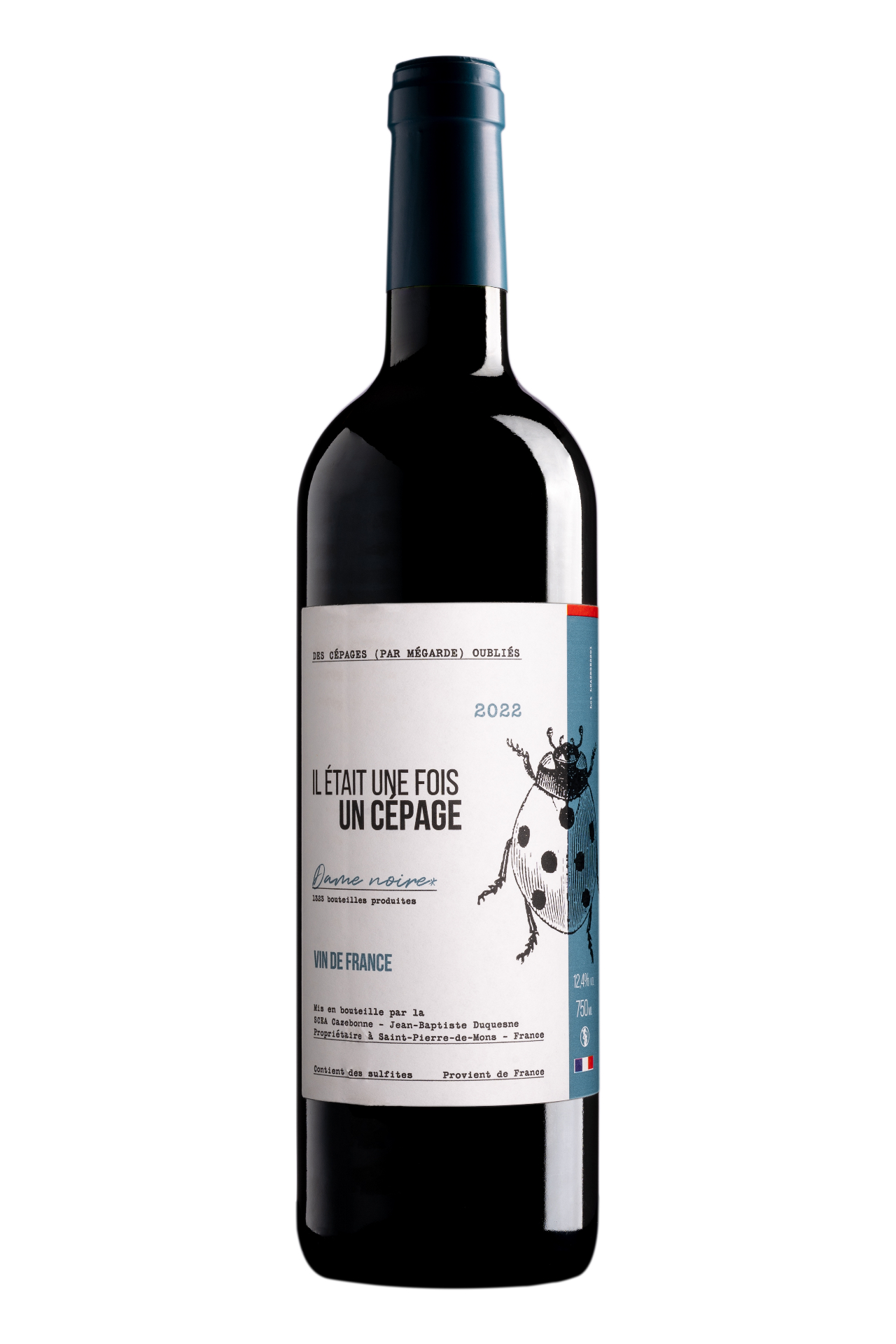 Our recommendation
IGP Atlantique — rare grape variety
A forgotten grape brought back: dense colour, wild fruit.
For the curious about lost grape varieties.
I want it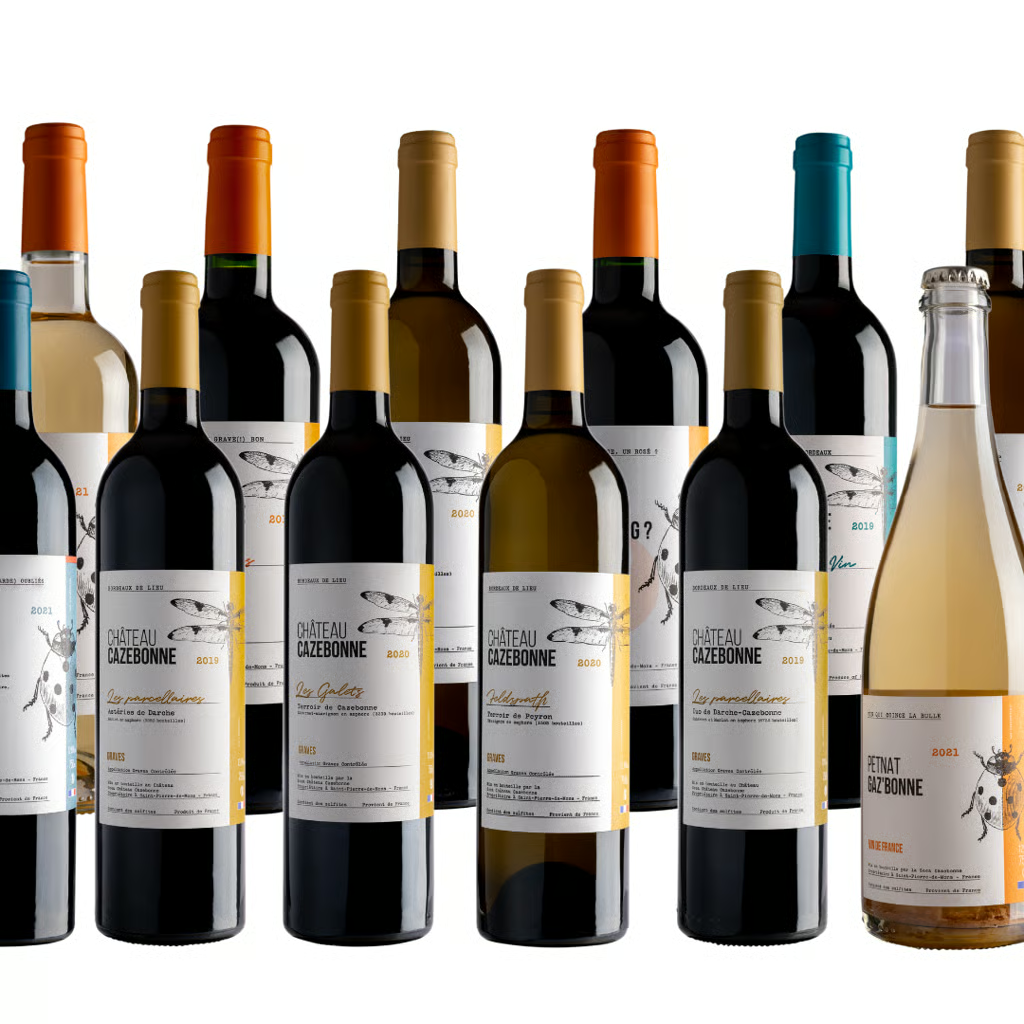 Go further
12 bottles — the whole range
12 bottles, the whole range tasted: the best discovery-to-price ratio.
The complete tour of the estate, in a single case.
I want it