
 The essential
6 × Entre Amis red
6 bottles — Graves red 2022
The best price of the cellar: €12 per bottle delivered.
The everyday red: generous and straight to the point.
I want it110 R
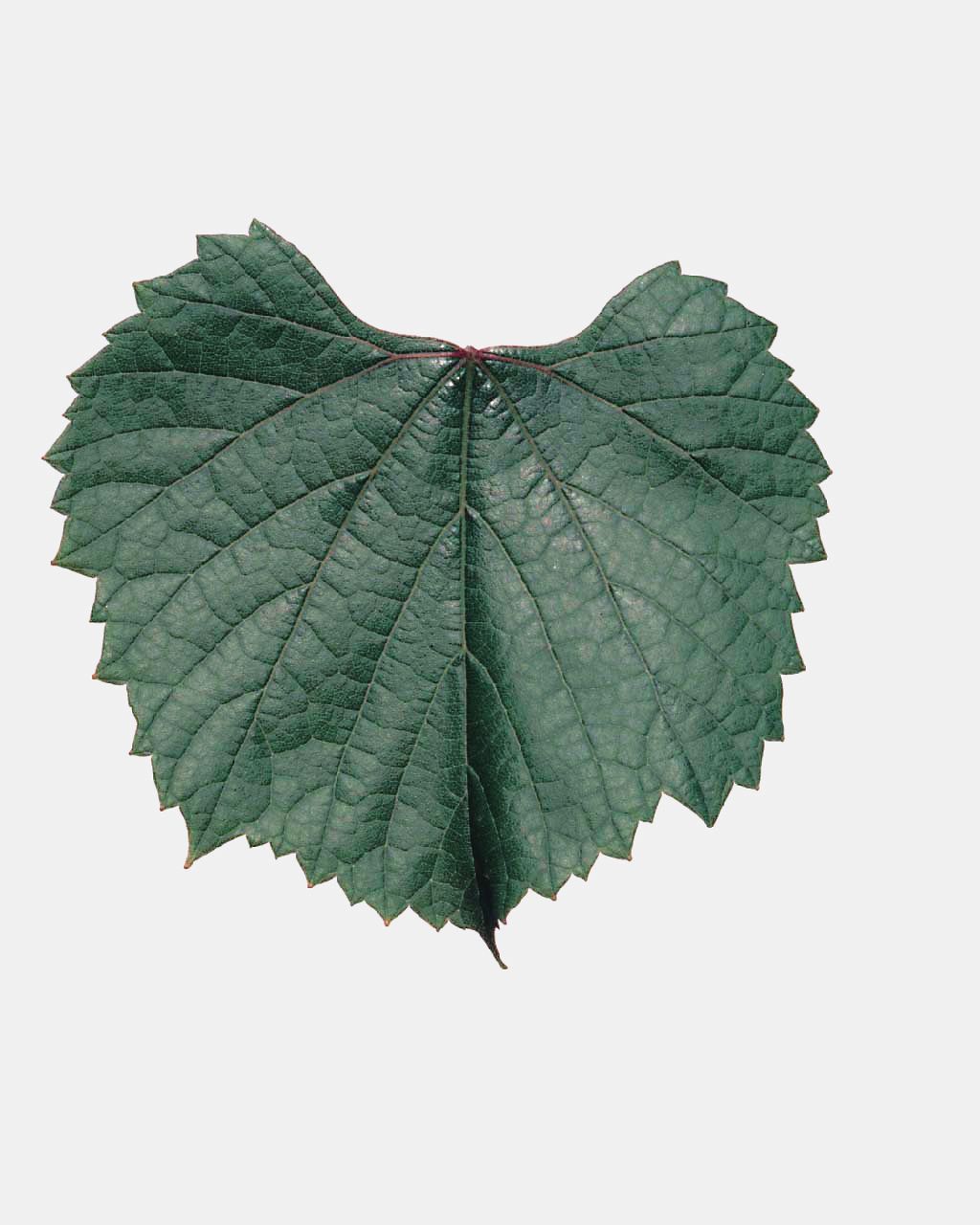
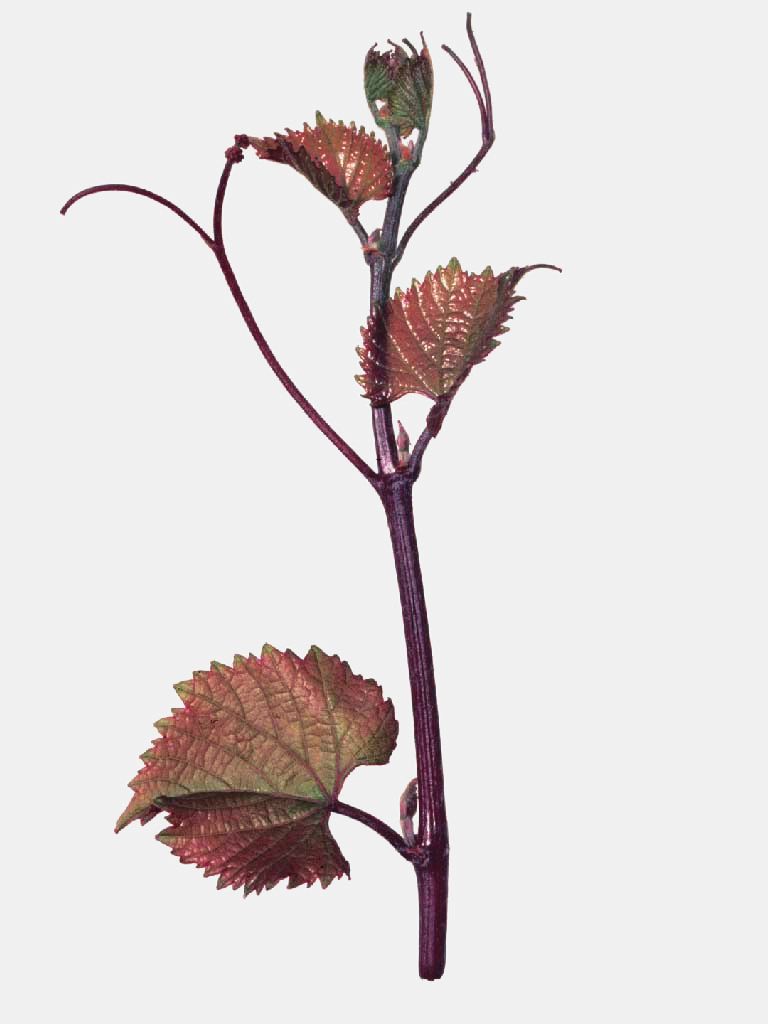
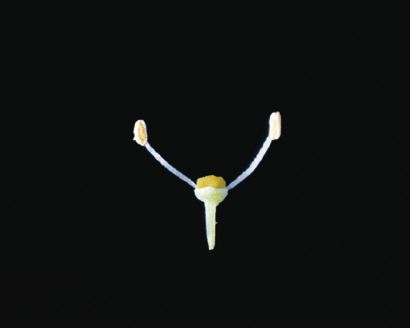
The 110 R rootstock, often referred to as 110 Richter, is a cornerstone of modern viticulture, particularly in regions facing climatic challenges. Its history is intrinsically linked to the phylloxera crisis of the late 19th century, which devastated European vineyards. Bred in Italy by Ferdinand Richter, this rootstock is a cross between Vitis berlandieri and Vitis rupestris. This genetic combination endowed it with particularly valuable agronomic traits, notably excellent adaptation to challenging soils and high drought tolerance—precious assets for vineyard sustainability.
| Characteristic | Description |
|---|---|
| Parents / Cross | Vitis berlandieri x Vitis rupestris |
| Original species | Vitis berlandieri / Vitis rupestris |
| Breeder and date | Ferdinand Richter, late 19th century |
| Phylloxera resistance | High |
| Conferred vigour | High |
| Active lime tolerance | Up to 17% active lime and a CPI of 40 |
| Drought tolerance | Very high |
| Excess moisture / waterlogging tolerance | Low |
| Effect on scion ripening | Delayed |
| Status / Registration | Official French catalogue, 1904 |
110 R stands out for its ability to thrive in conditions where other rootstocks struggle. Its high tolerance to active lime (up to 17% with a CPI of 40) and exceptional drought resistance make it a preferred choice for shallow, stony, and poor soils. Conversely, it is not recommended for heavy, waterlogged soils, where it shows poor tolerance to root asphyxia. Its deep, extensive rooting system allows it to anchor firmly and draw water from depth—a major advantage as drought episodes intensify.
The 110 R rootstock imparts high vigour to the scion. This vigour can cause a slight delay in ripening, which must be taken into account when selecting grape varieties and scheduling the harvest. Its excellent graft compatibility with most Bordeaux grape varieties makes it a dependable ally for winegrowers. Its vigour may require tailored planting densities and strict pruning to control yields and promote grape quality. Choosing 110 R is often part of a broader strategy to optimise vineyard resilience against environmental stresses, much like the 1103 P (1103 Paulsen) rootstock.
Despite its numerous benefits, 110 R presents a few vulnerabilities. It has poor tolerance to heavy soils prone to excess moisture, where it can suffer from root asphyxia. Its high vigour, if left unchecked, can lead to excessive vegetative growth and potentially compromise grape quality. Like other rootstocks in its family, it generally offers good resistance to nematodes, although the specific characteristics of each terroir must always be considered.
Against the backdrop of climate change marked by hotter summers and prolonged dry spells, 110 R is establishing itself as a rootstock of choice. Its drought resistance and ability to maintain a steady deep-water supply are essential assets for the Bordeaux vineyards. At Château Cazebonne, selecting well-suited rootstocks like 110 R is an integral part of our approach to adapting viticultural practices to environmental challenges and ensuring the resilience of our estate for future generations. This fundamental work on rootstocks, often overlooked, is just as crucial as grape variety selection for the quality and longevity of our wines.
Château Cazebonne is committed to reviving forgotten grape varieties and exploring innovative viticultural solutions for the future of Bordeaux. This exciting work is detailed in the book “Bordeaux, une histoire de cépages”, which you can download for free from our website. To test your wine knowledge and discover new facets of viticulture, feel free to take part in our wine quizzes. And of course, to support our philosophy and taste the fruit of our passion, we invite you to discover our wines online.
Sources
Our suggestions
-5%on your 1st order with code BIENVENUE
The essential6 bottles — Graves red 2022
The best price of the cellar: €12 per bottle delivered.
The everyday red: generous and straight to the point.
I want it Our recommendation92/100 RVF
6 bottles — Graves red 2022, 92/100 RVF
Rated 92/100 by La Revue du vin de France: a solid 10-year ageing potential.
Our Graves for ageing, the finest gateway to the estate.
I want it Go further
12 bottles — the whole range
12 bottles, the whole range tasted: the best discovery-to-price ratio.
The complete tour of the estate, in a single case.
I want itThe cellar, forgotten grape varieties and our cuvées, twice a month. 5% off your first order with the code BIENVENUE.