
 The essential
6 × Entre Amis red
6 bottles — Graves red 2022
The best price of the cellar: €12 per bottle delivered.
The everyday red: generous and straight to the point.
I want itHarvest
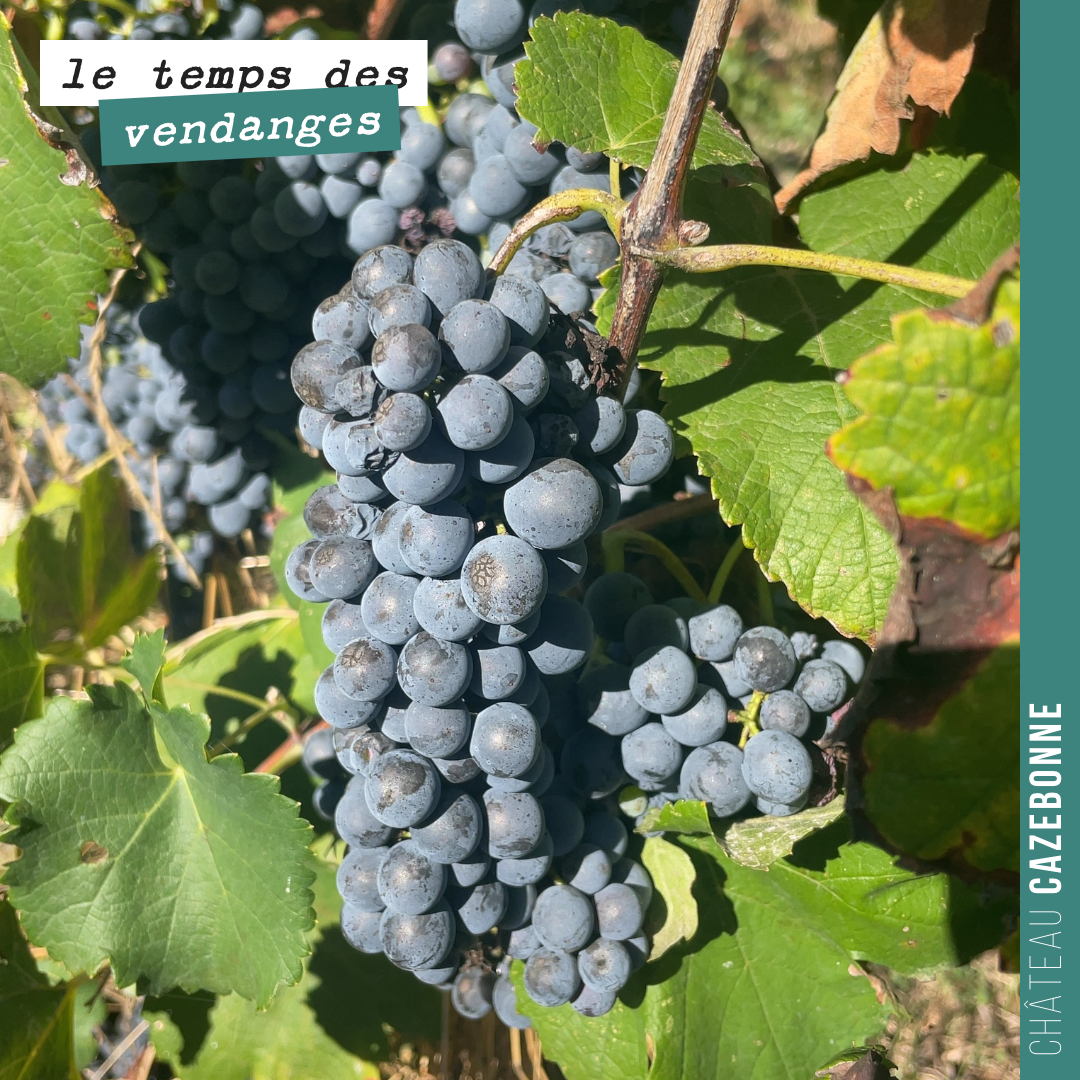
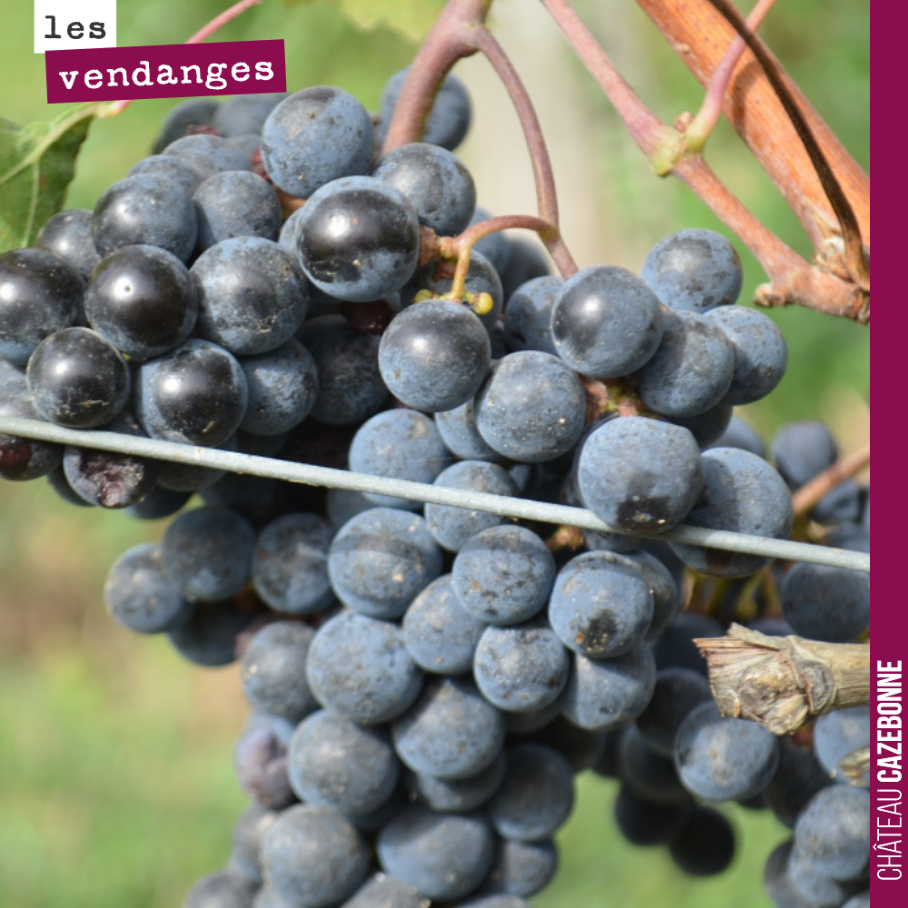
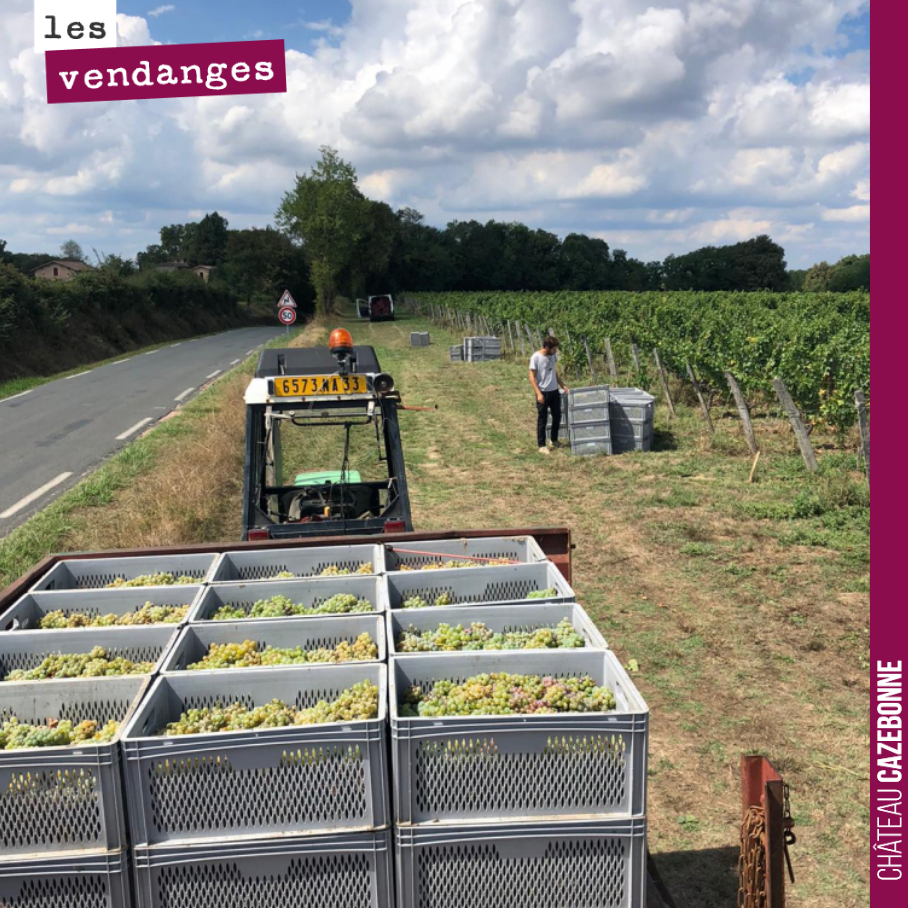
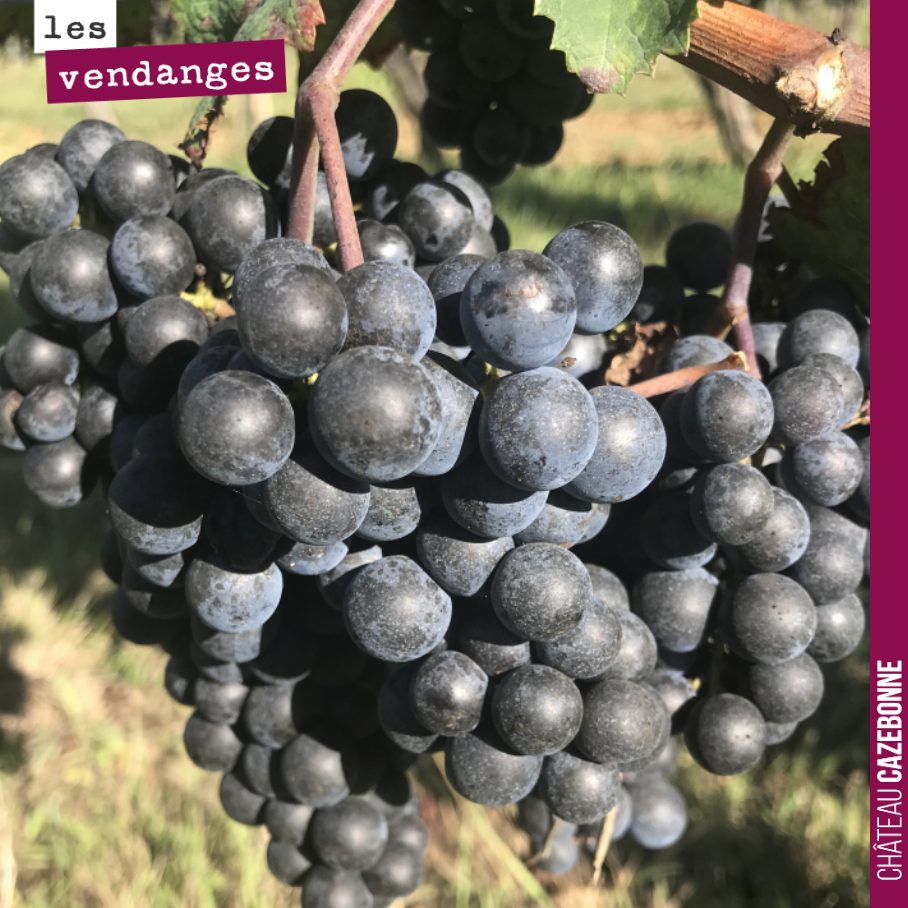
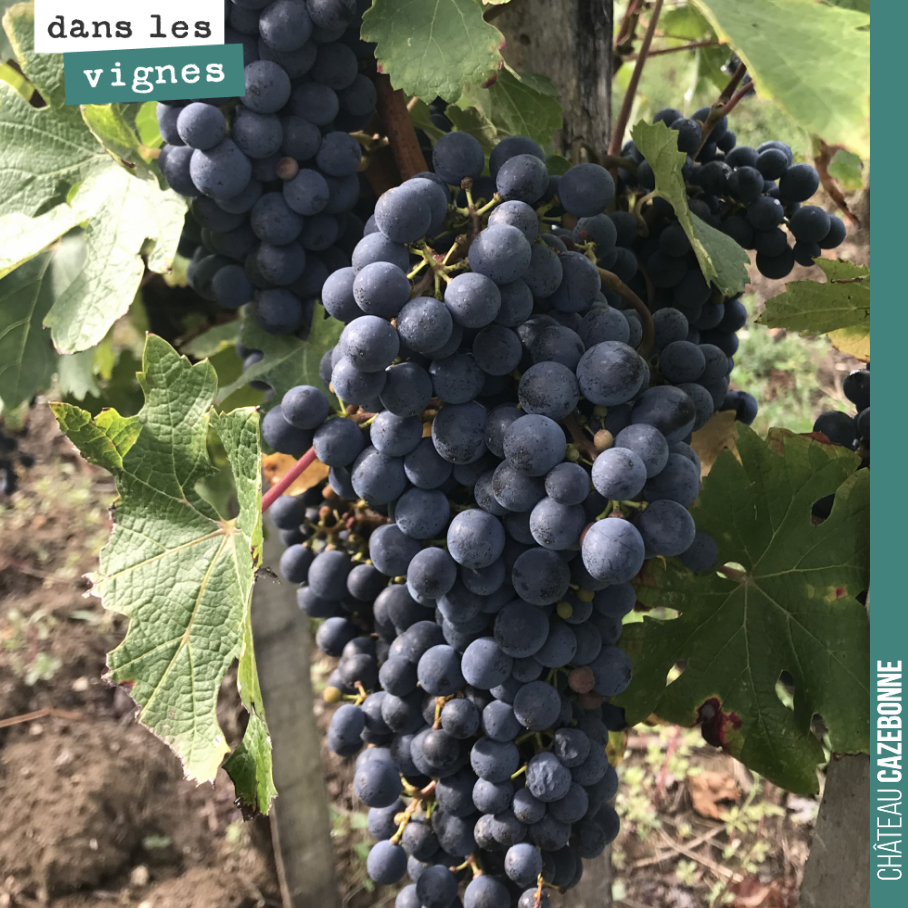
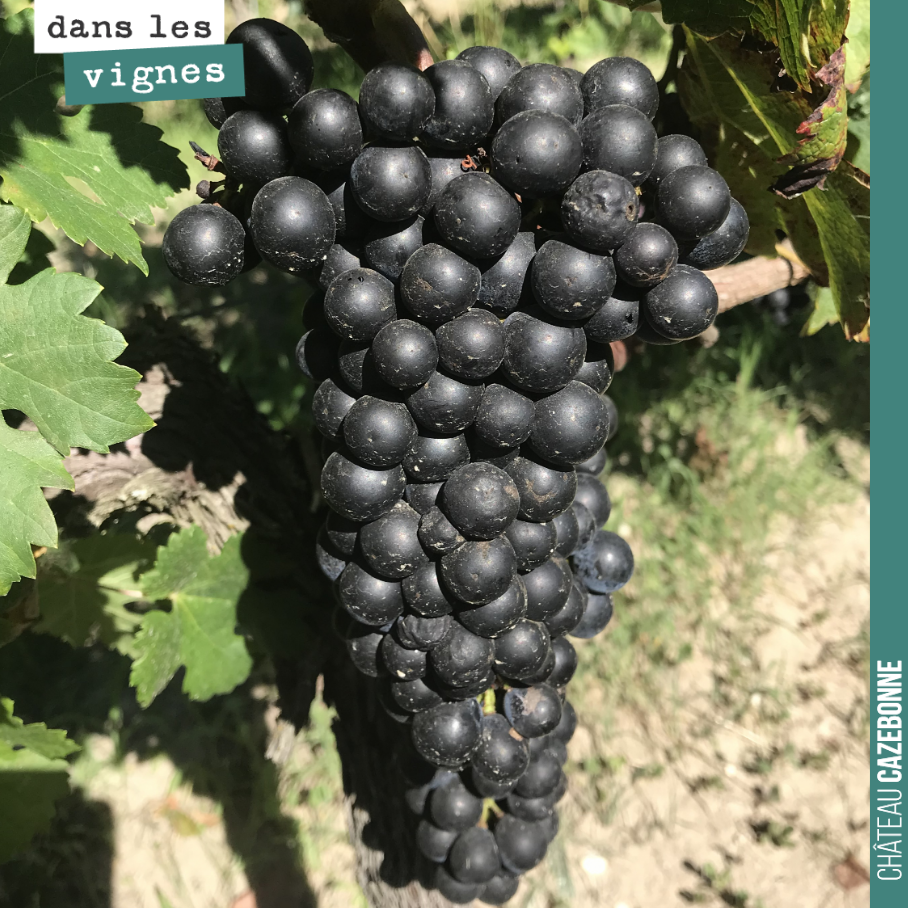
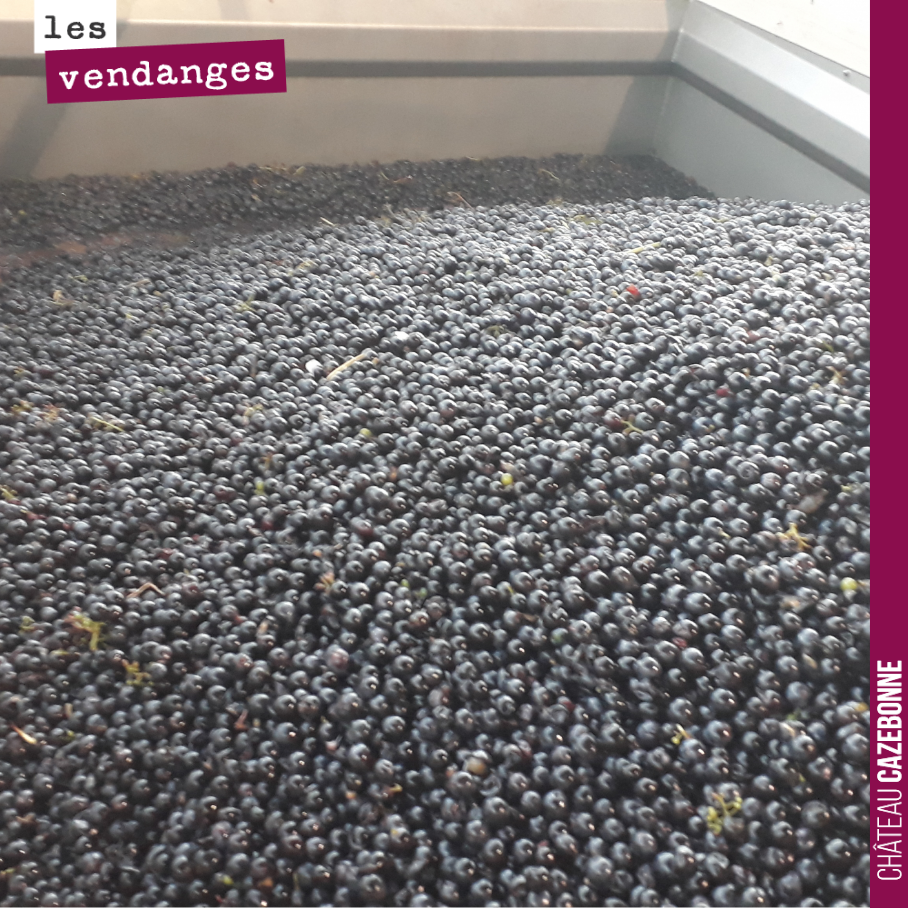
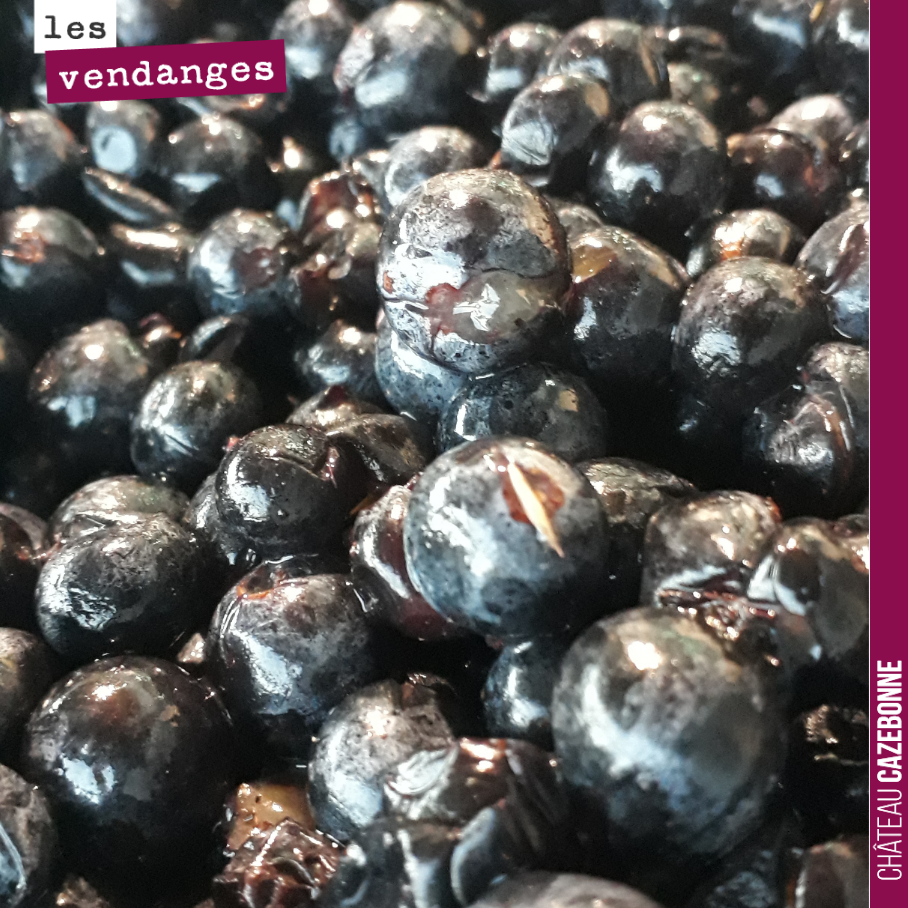
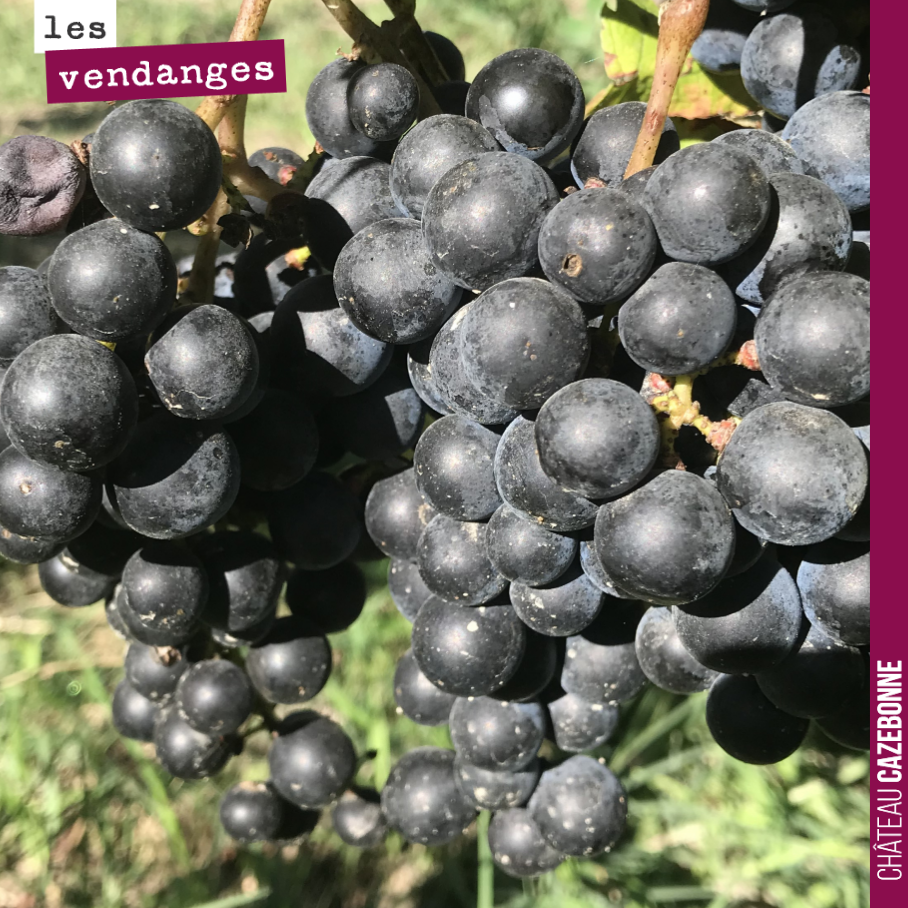
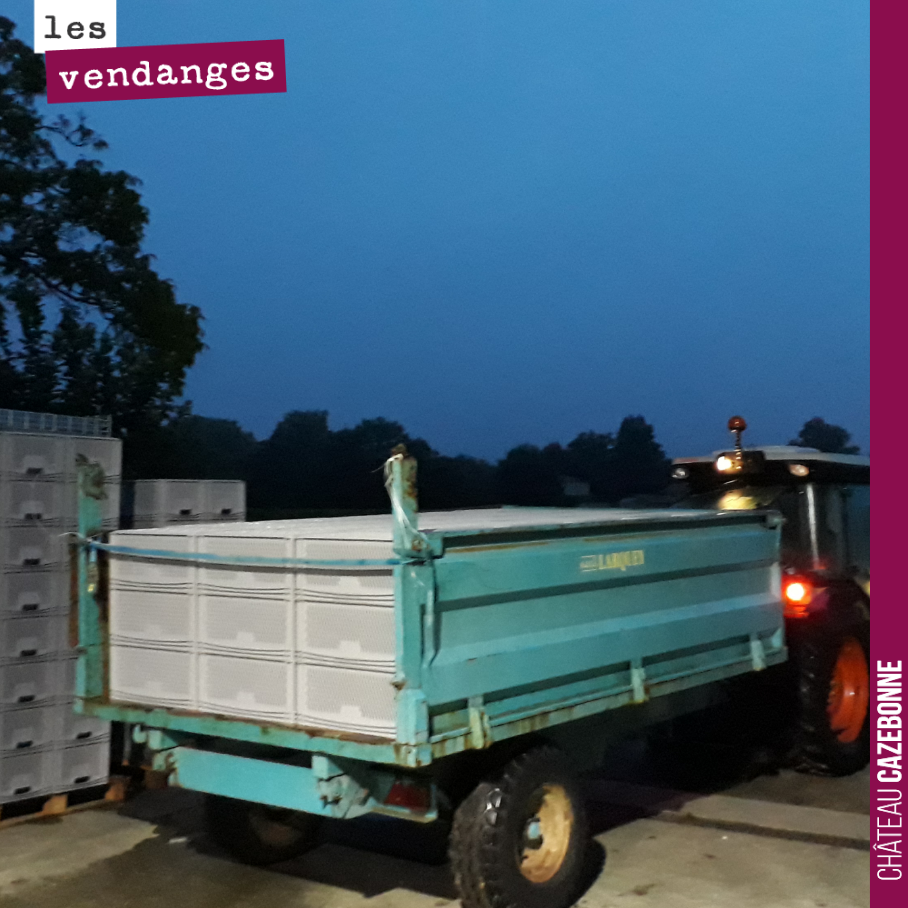
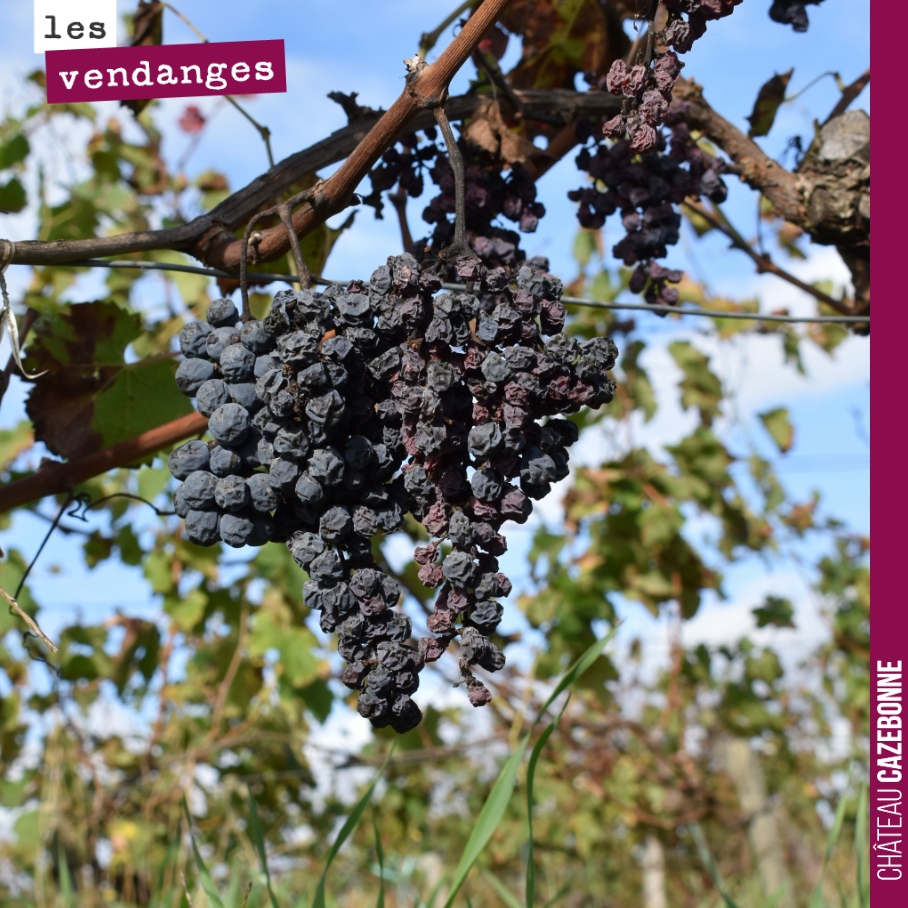
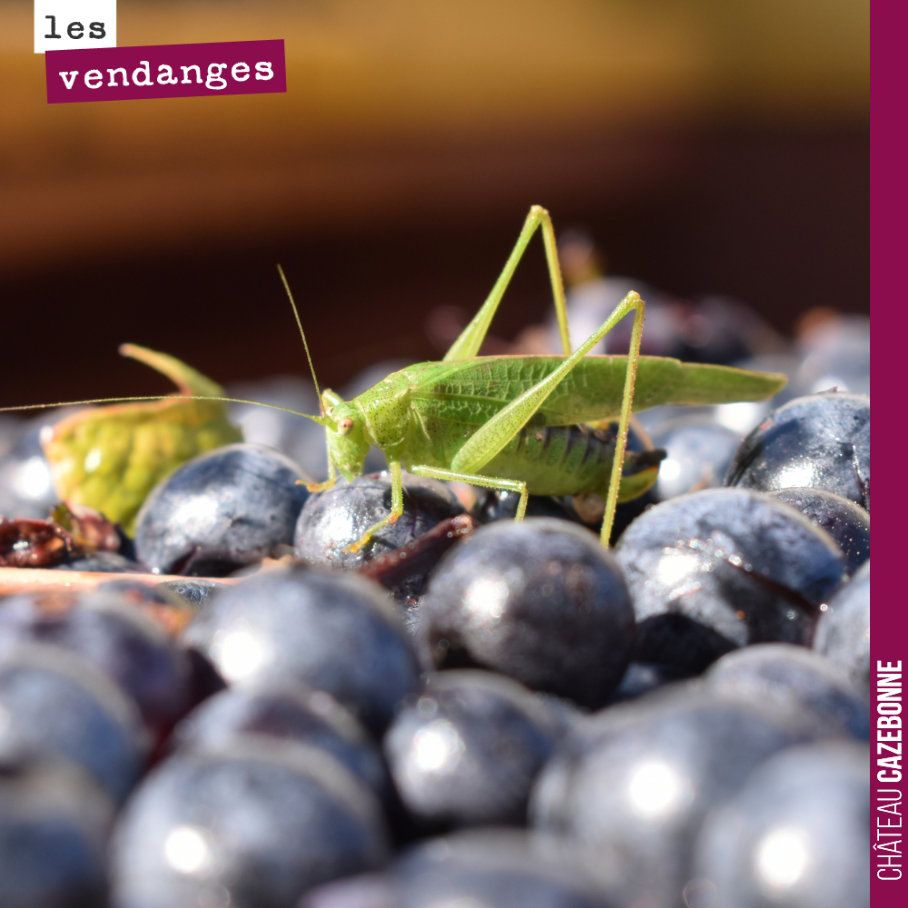
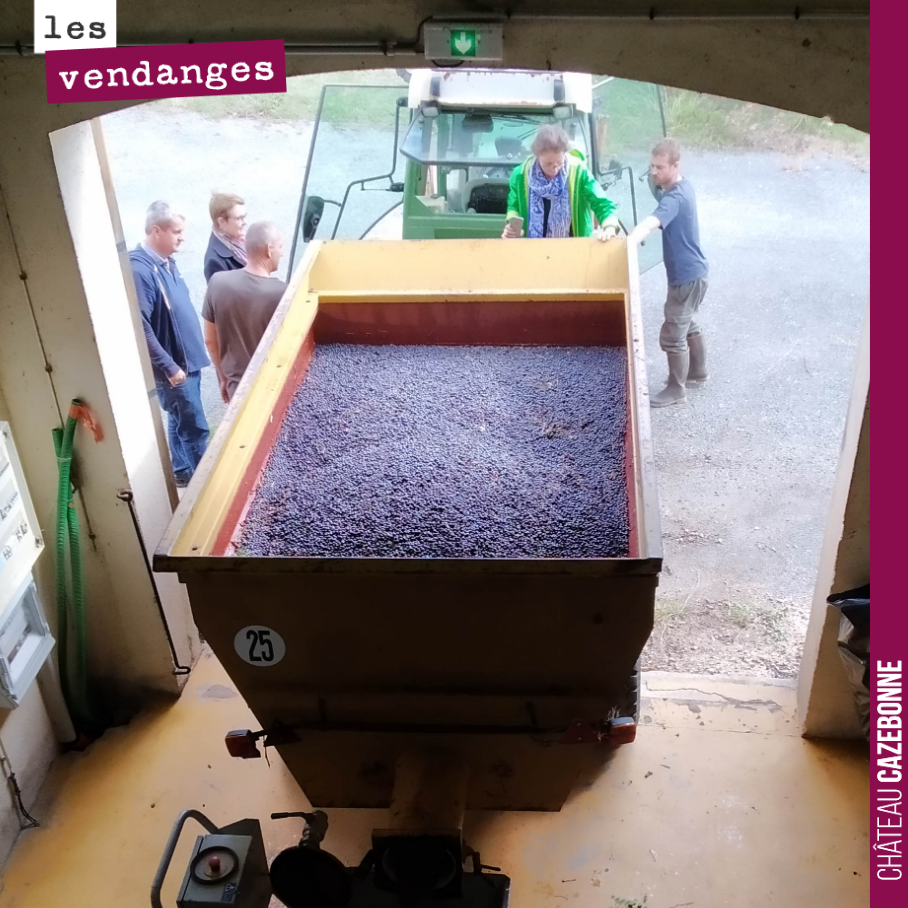
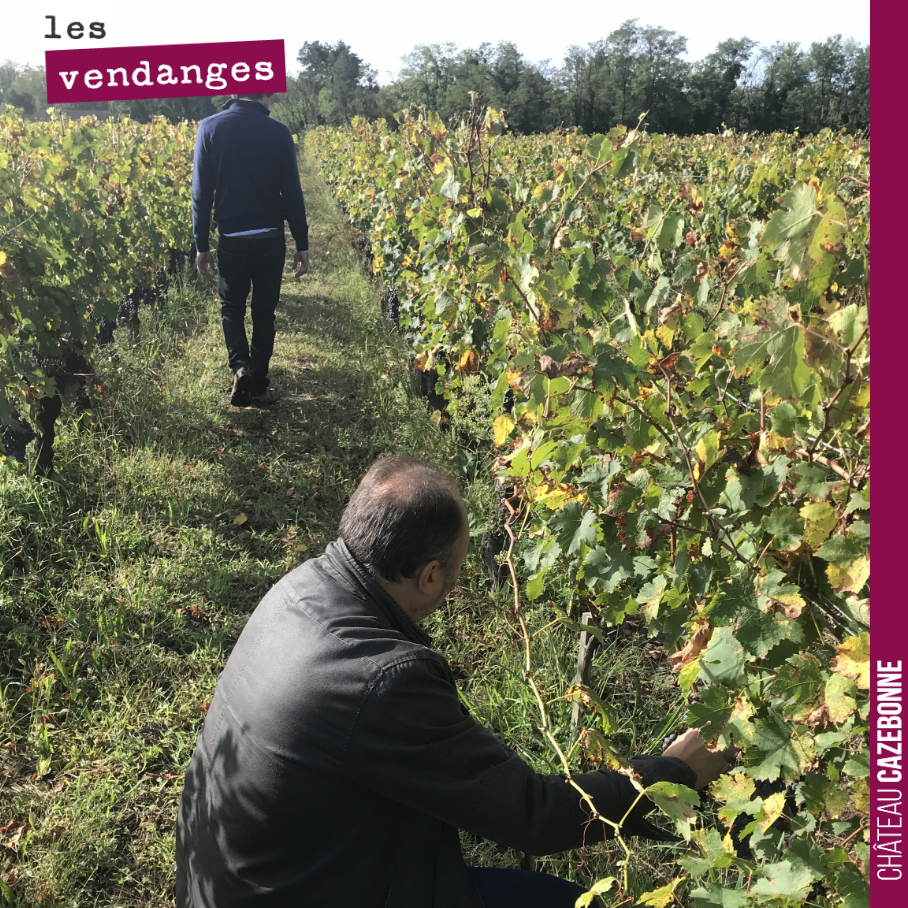
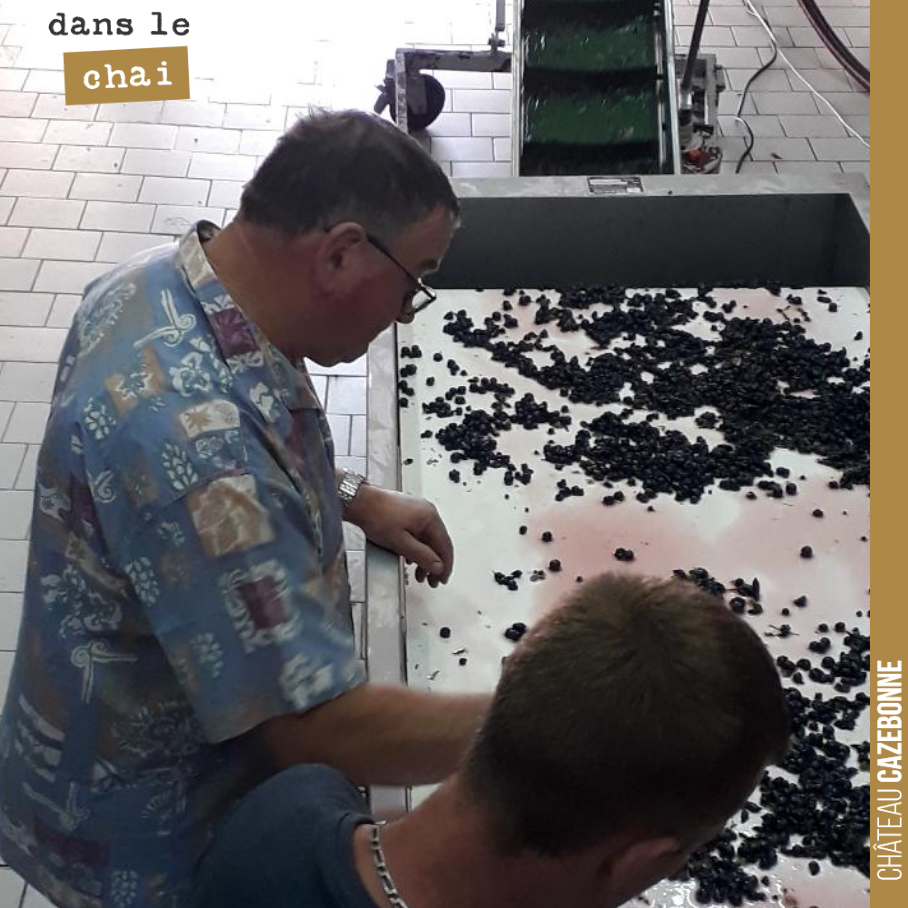
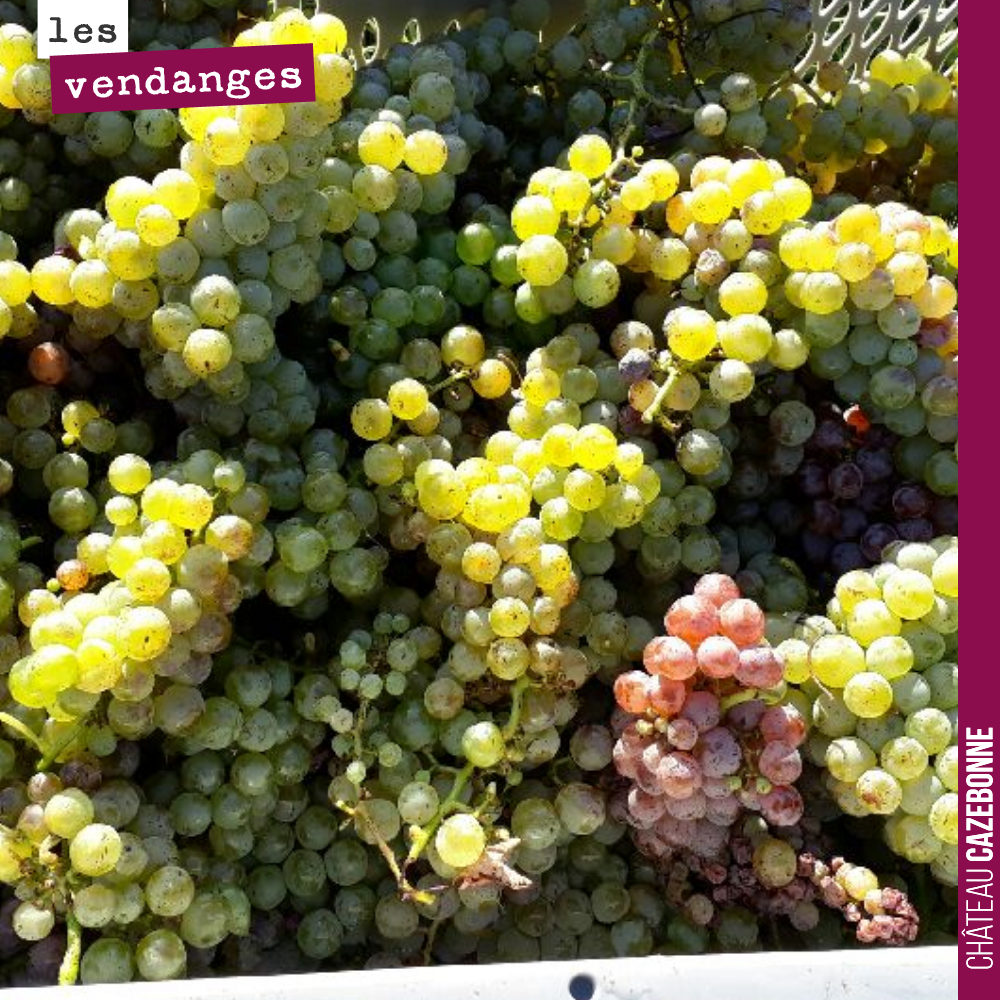
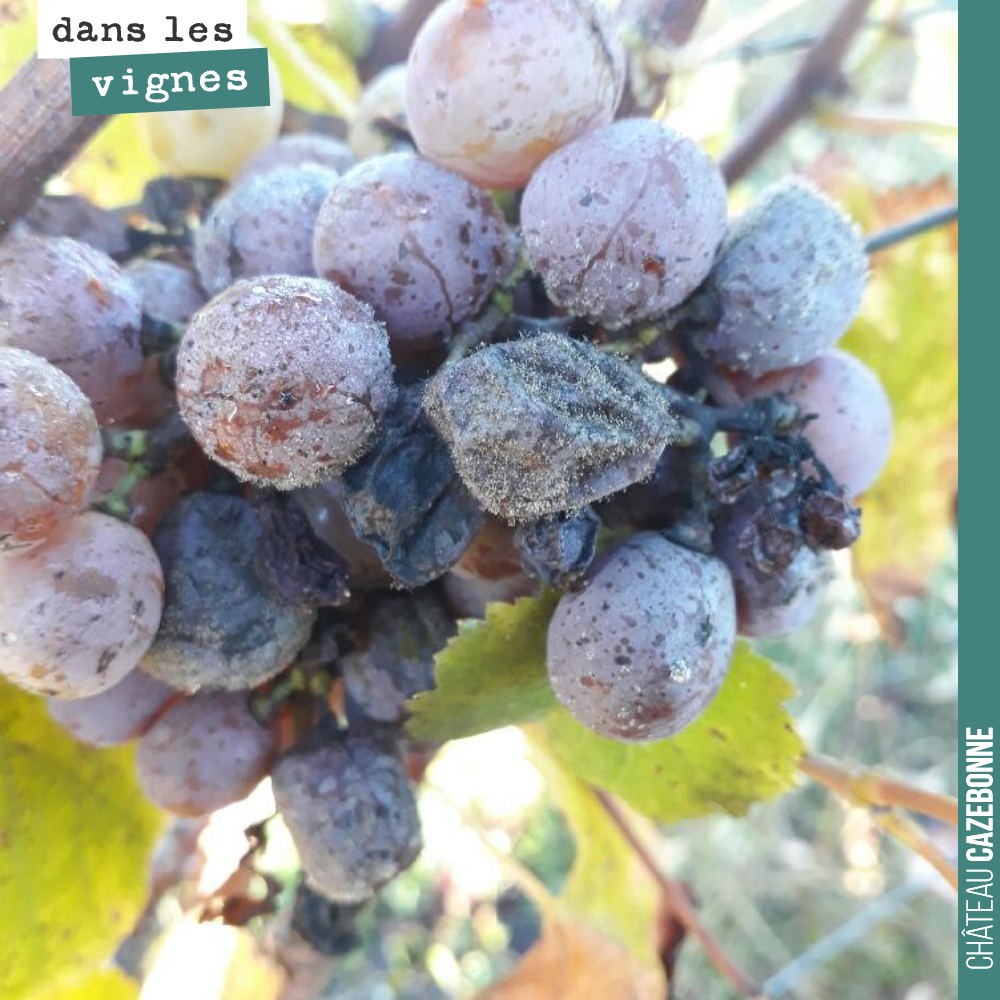
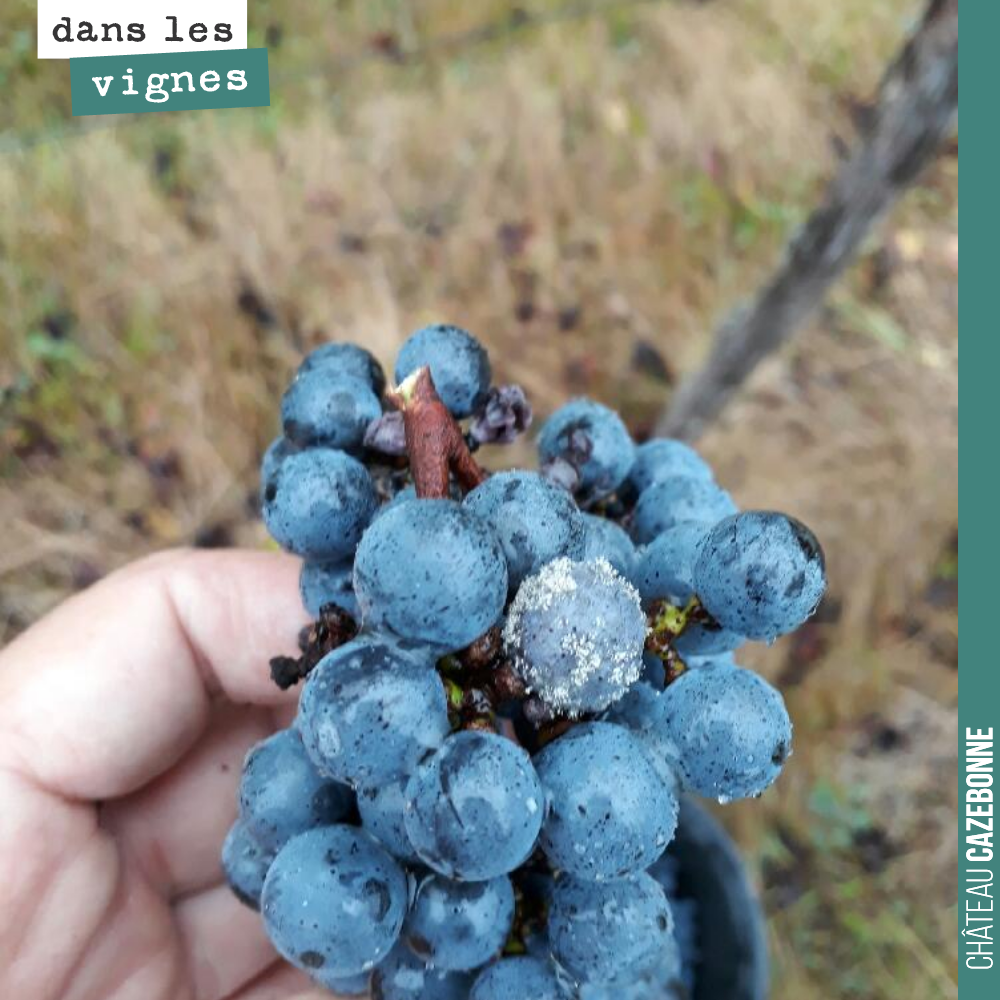
From late August to mid-October, the harvest marks the climax of vineyard work, the crowning achievement of an entire year of effort and attention. It is during this period that the fruit of our labour is picked: berries bursting with sugar and sunshine, ready to give birth to the wines of Château Cazebonne. Every day is a race against time, a delicate dance between heaven and earth.
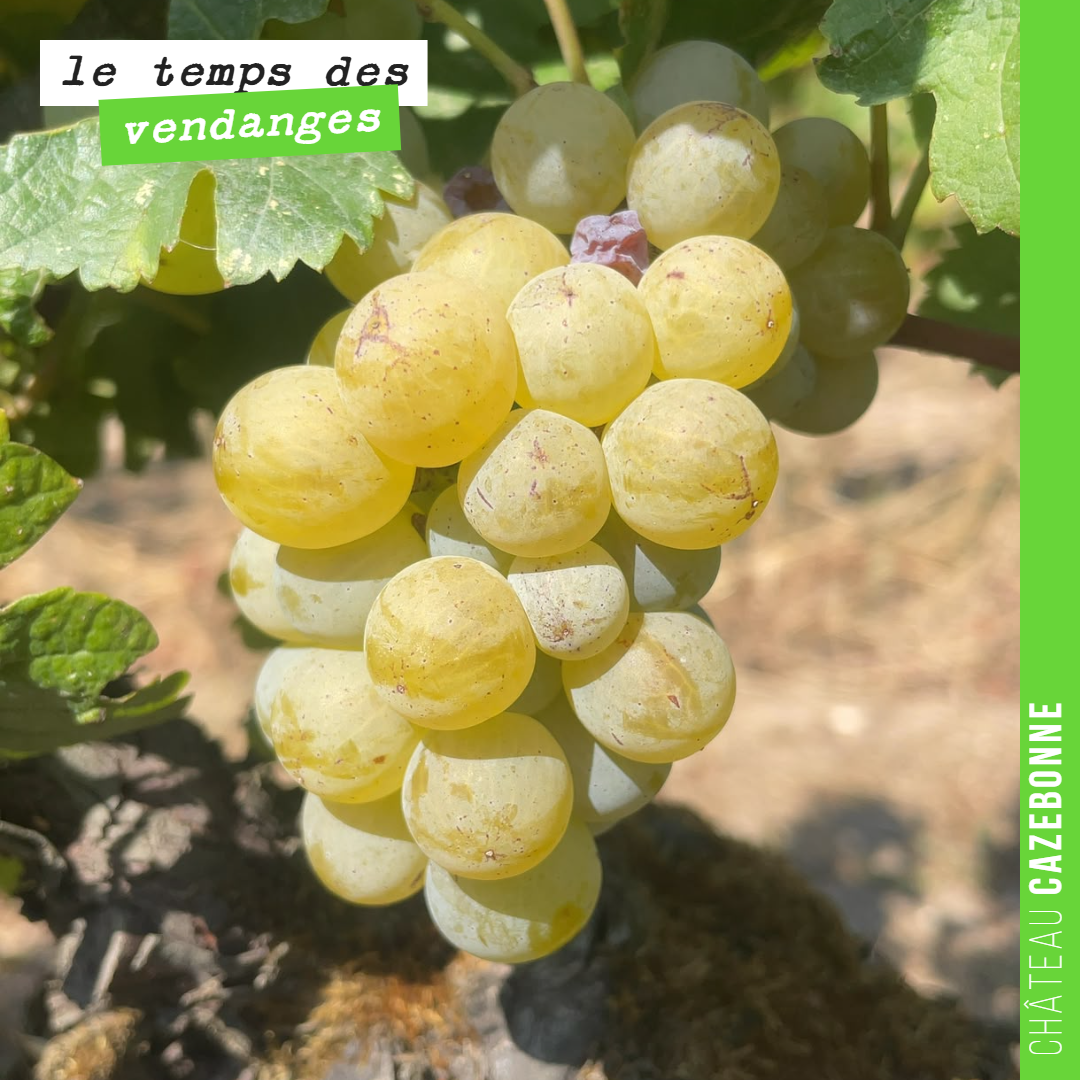
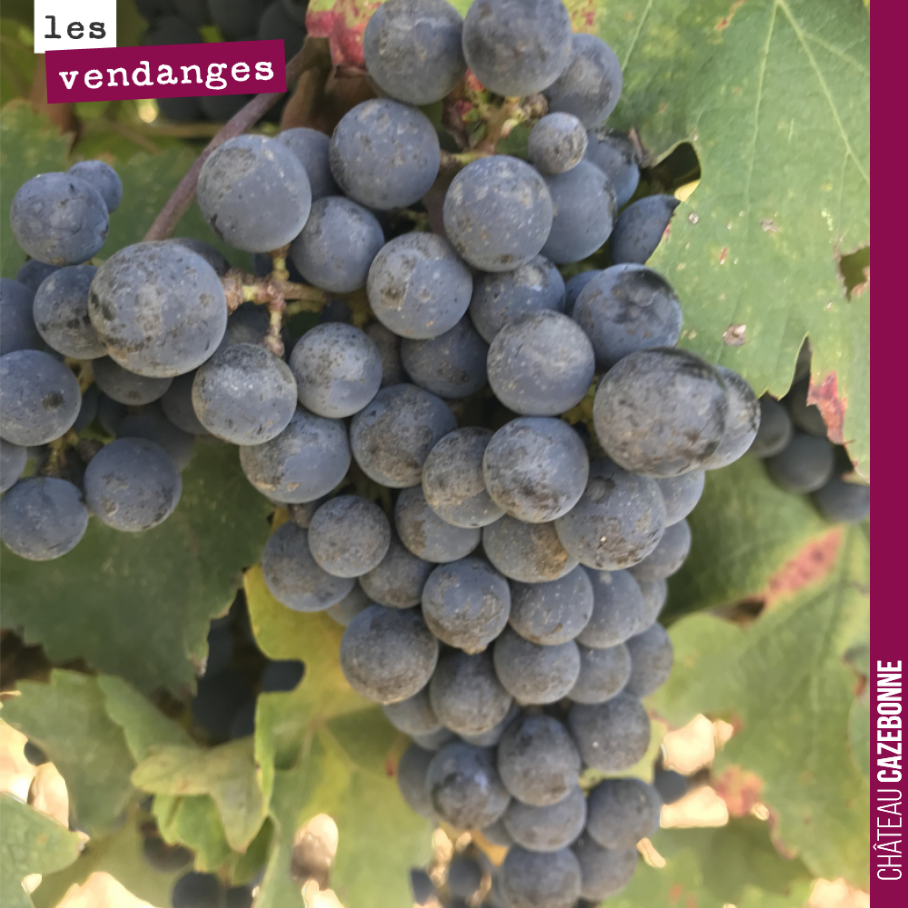
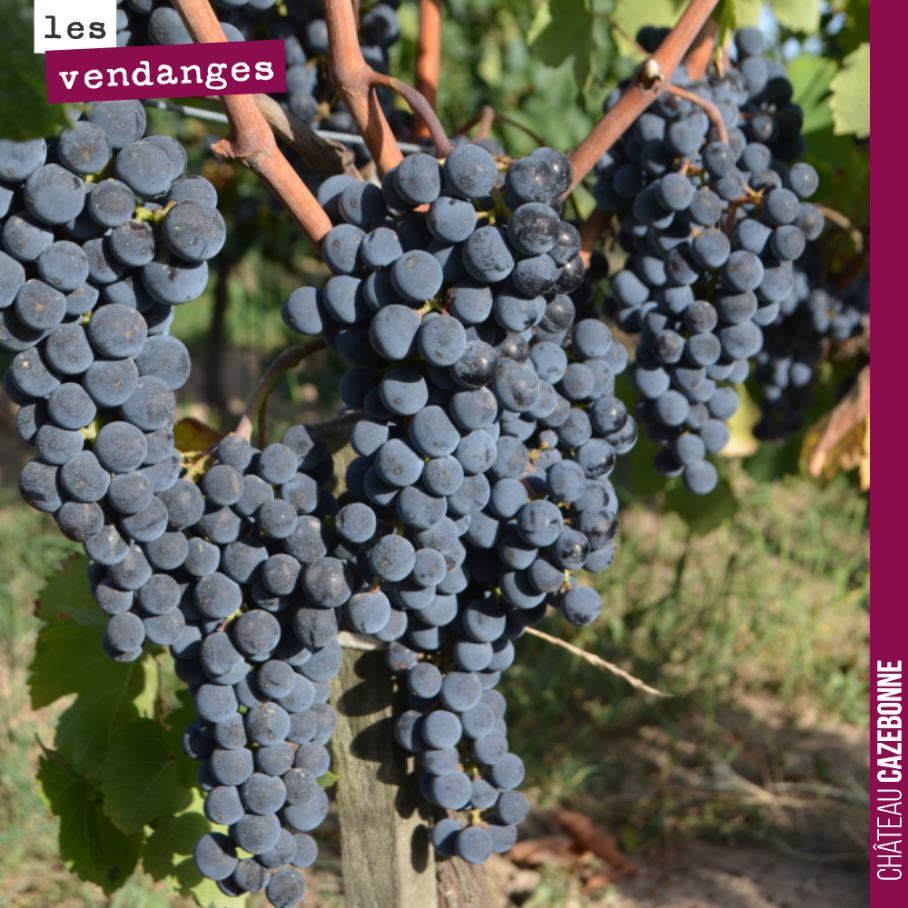
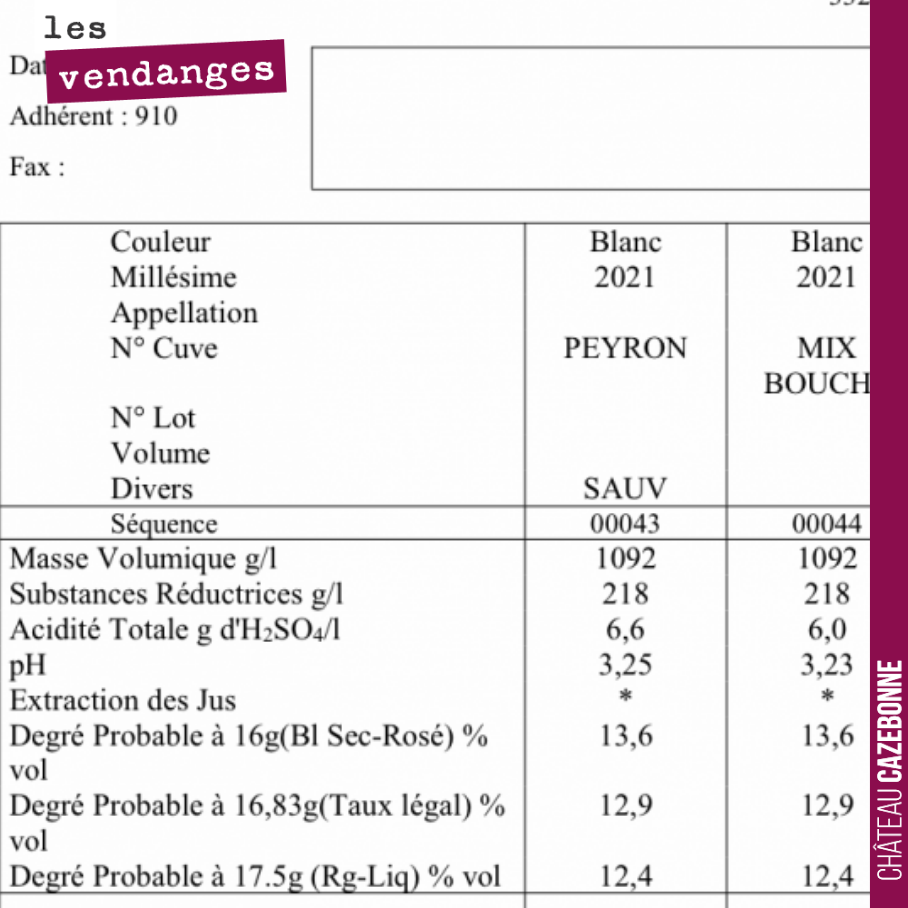
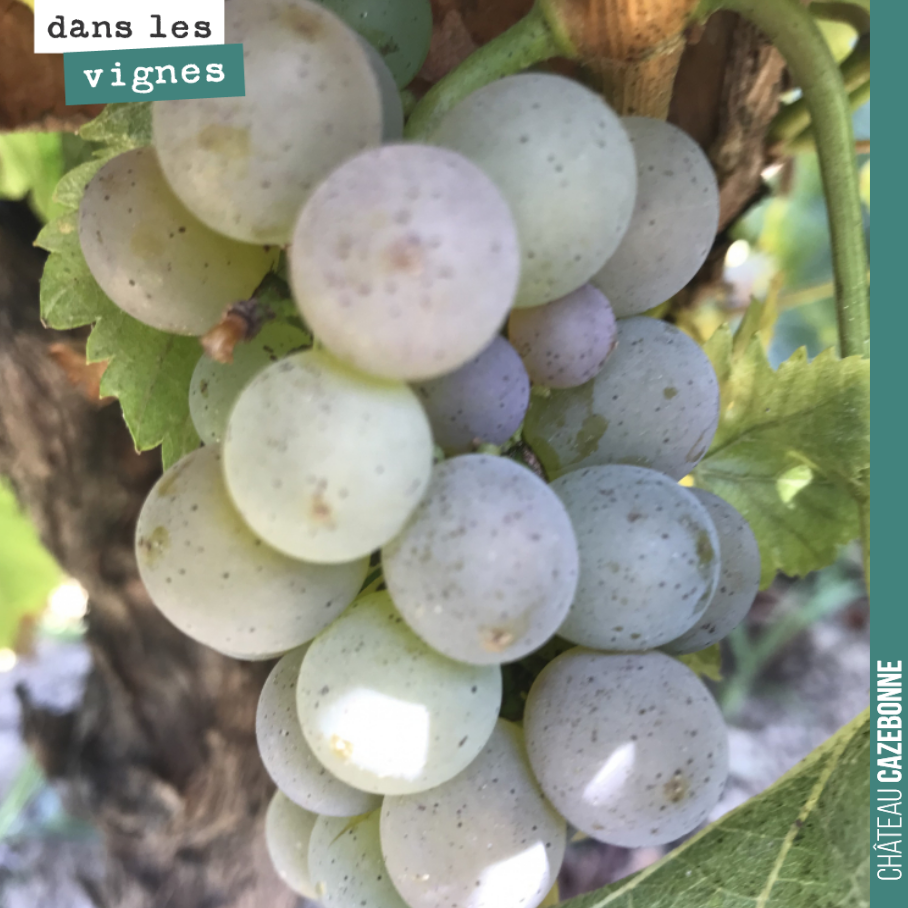
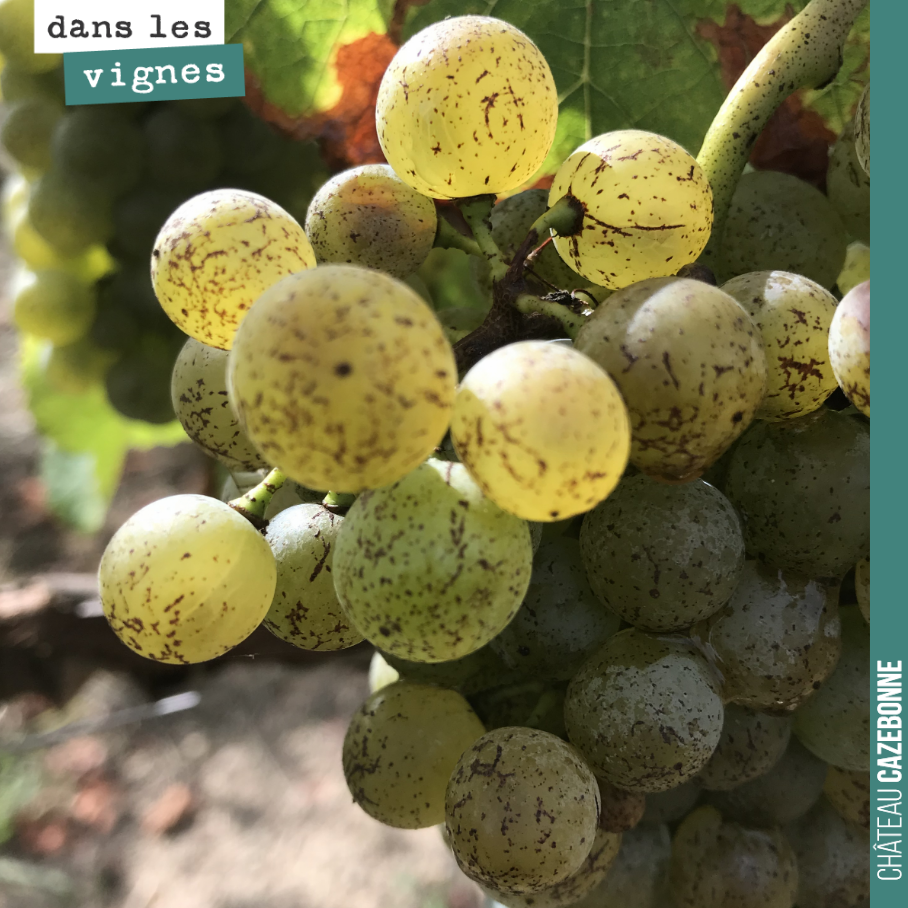
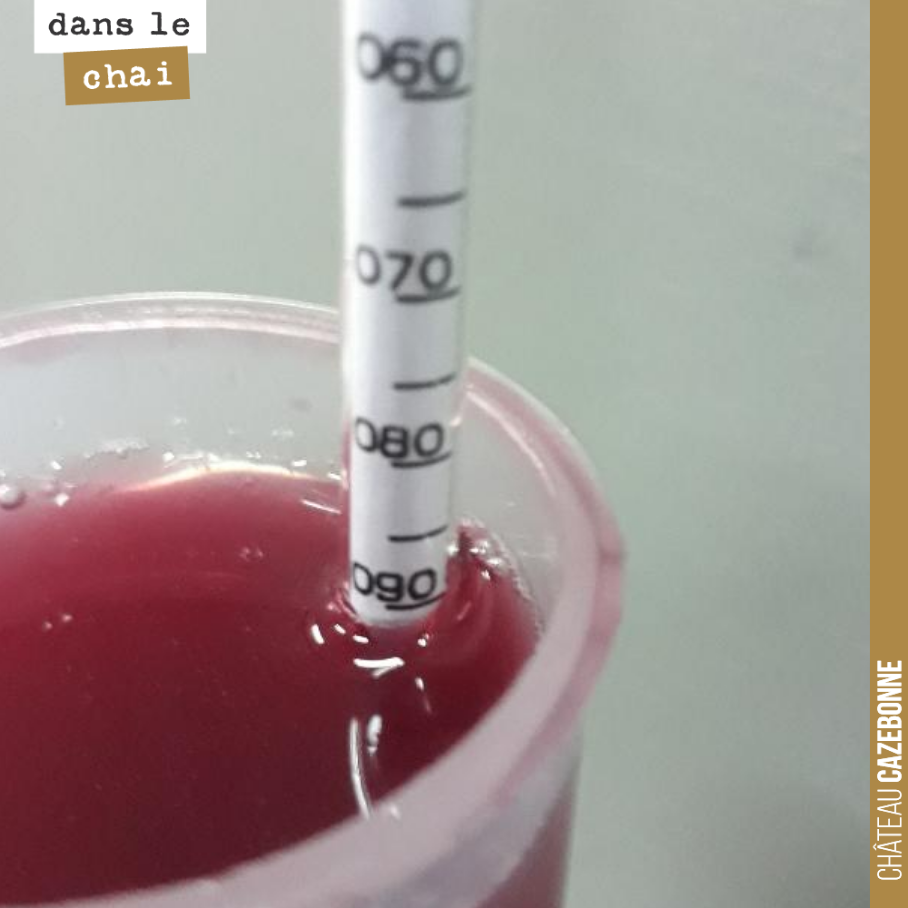
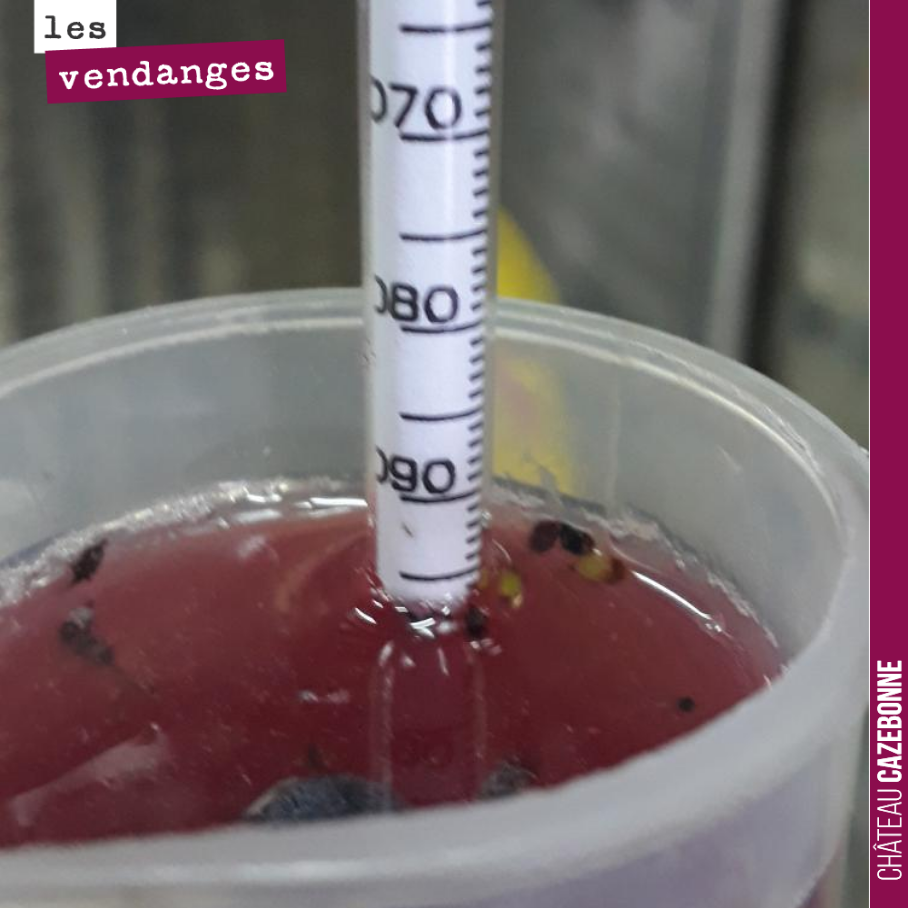
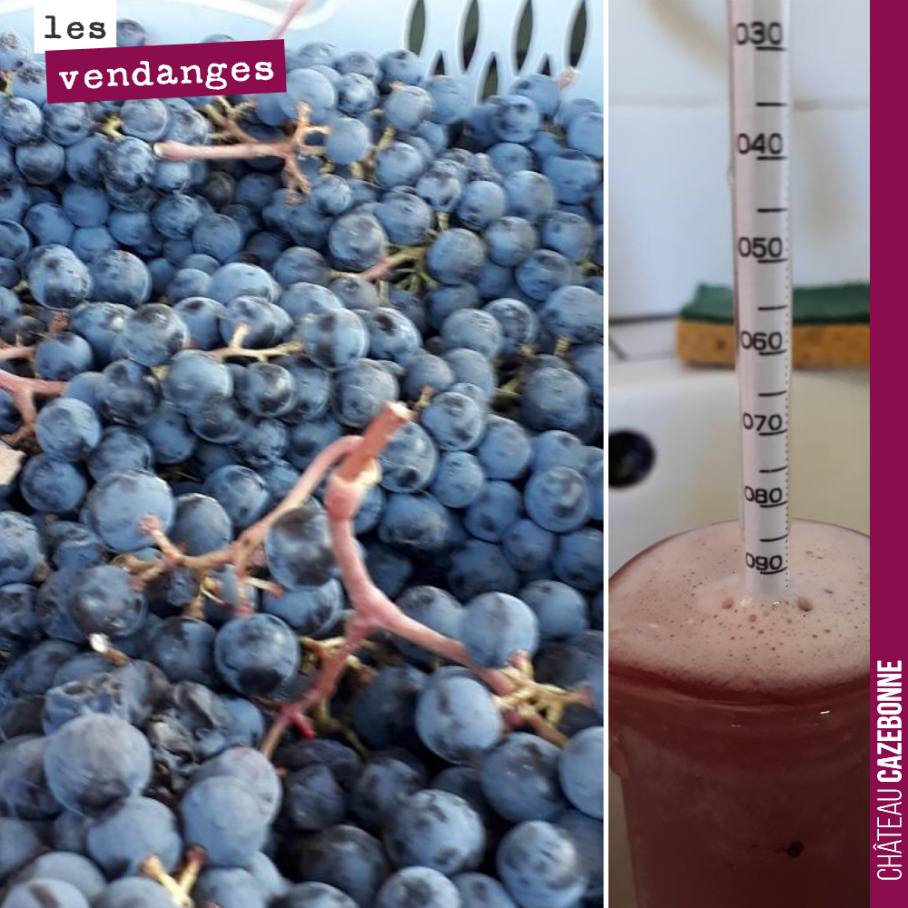
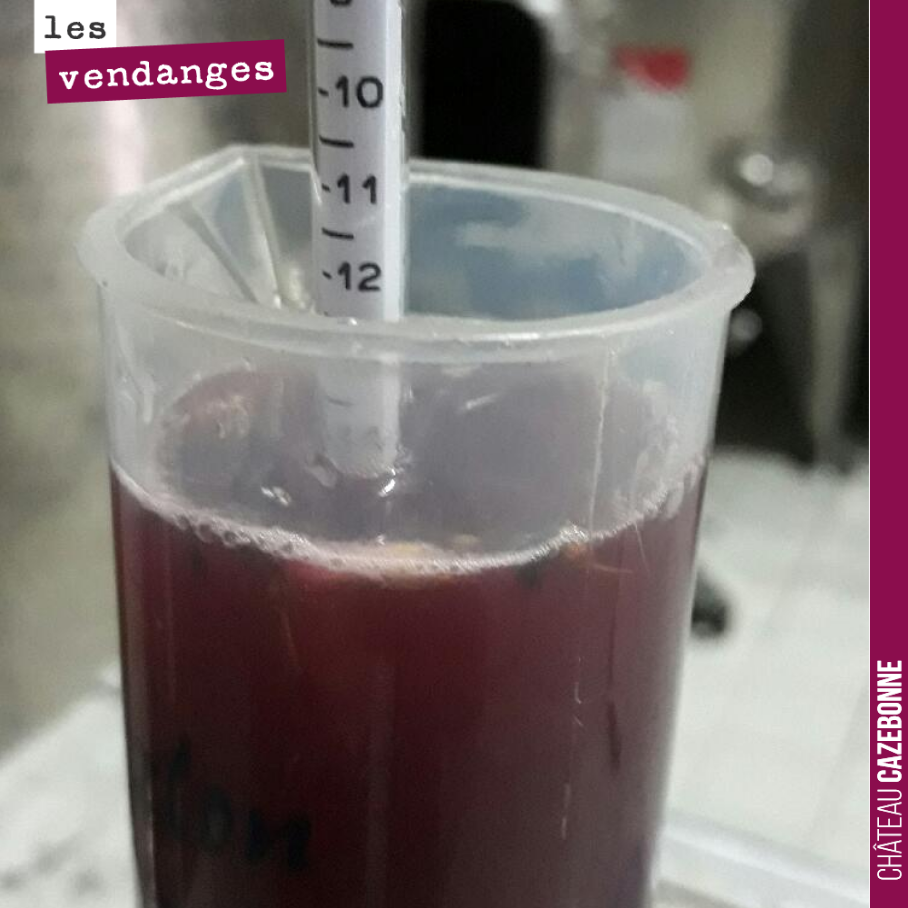
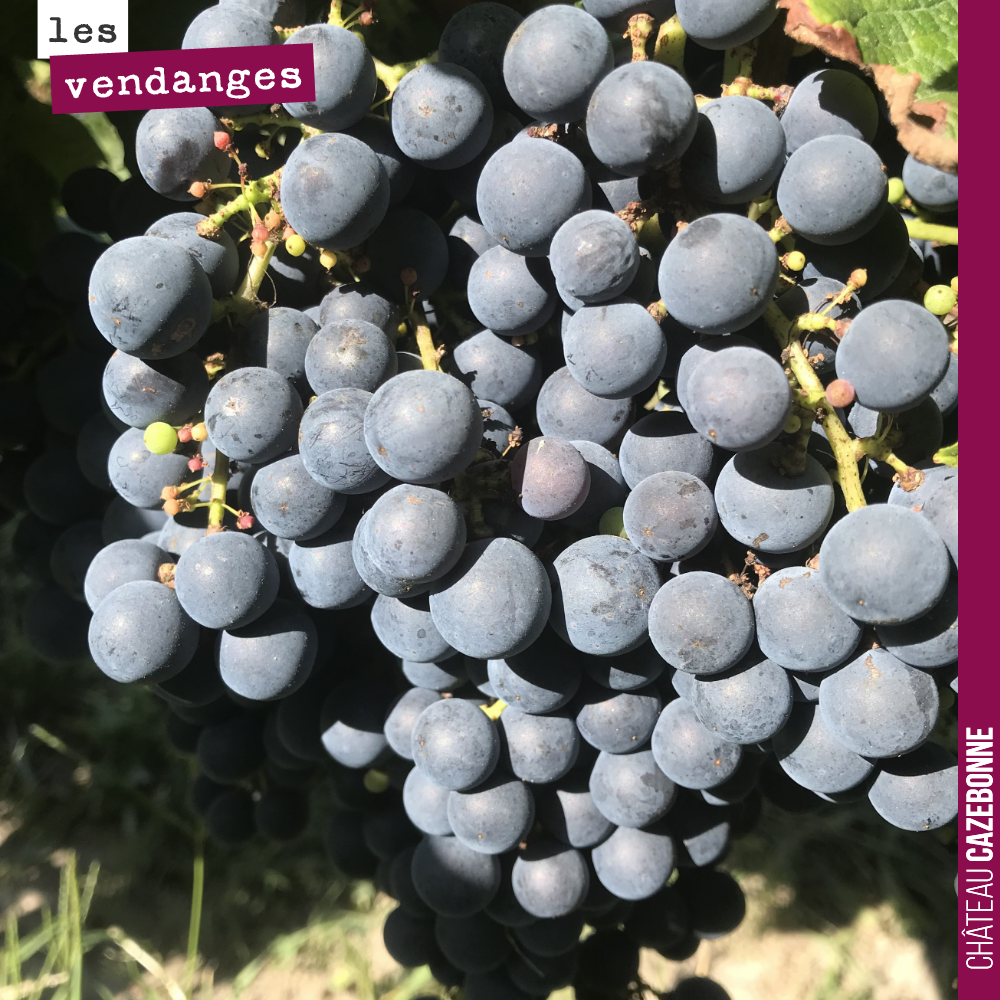
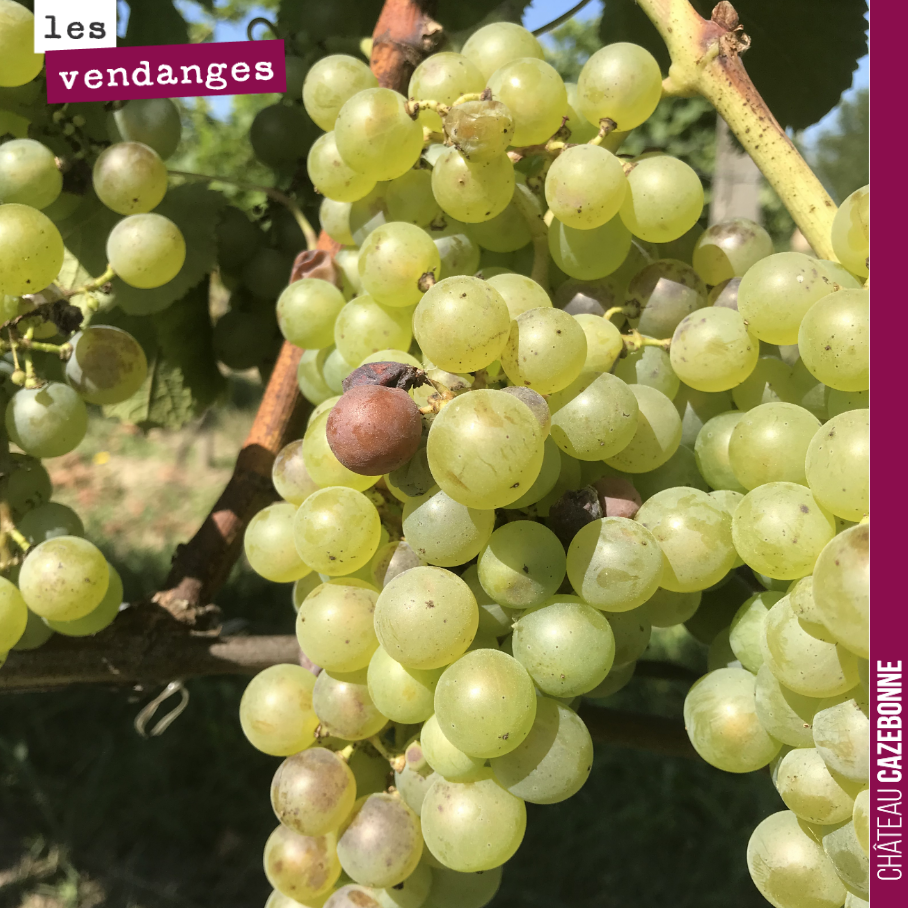
The winegrower must observe constantly to determine the optimal ripeness date for each plot and each grape variety. This crucial decision, guided by berry analysis (colour, taste, sugar and acidity levels) and weather forecasts, is decisive for the future quality of the wine. A week more or less, a few hours of sun or rain, can radically transform the aromatic profile and structure of the vintage. The aim is to find the perfect balance to pick healthy grapes at their maximum potential to reveal the complexity of our terroir.
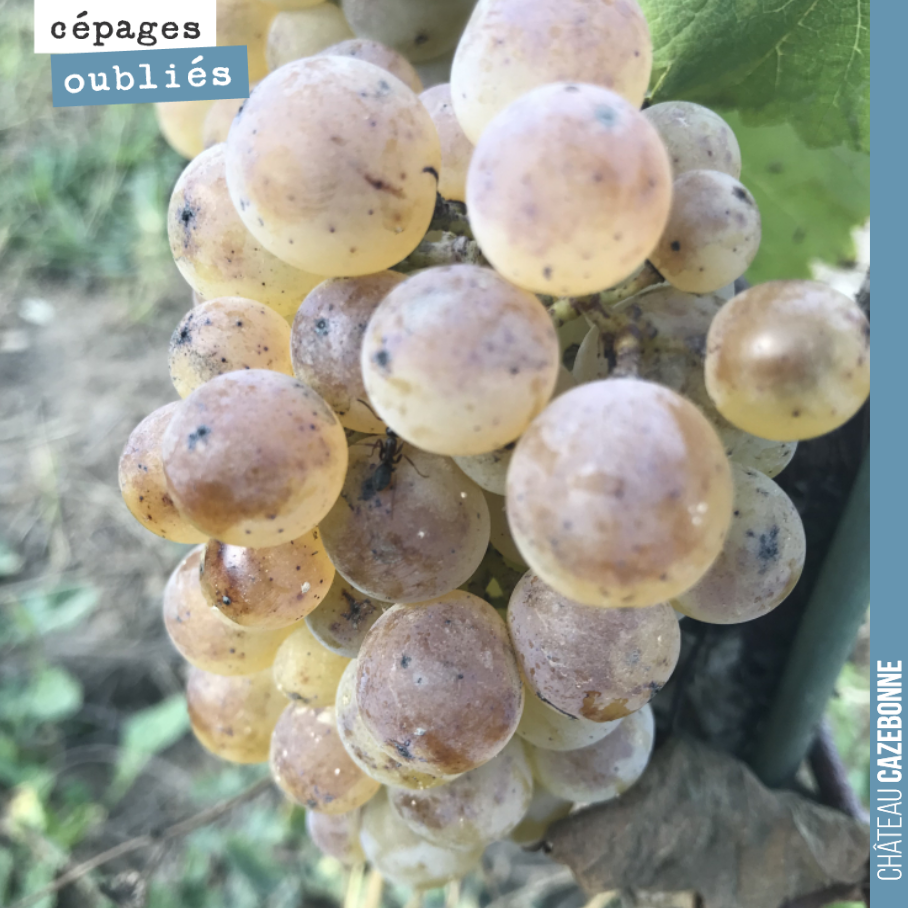
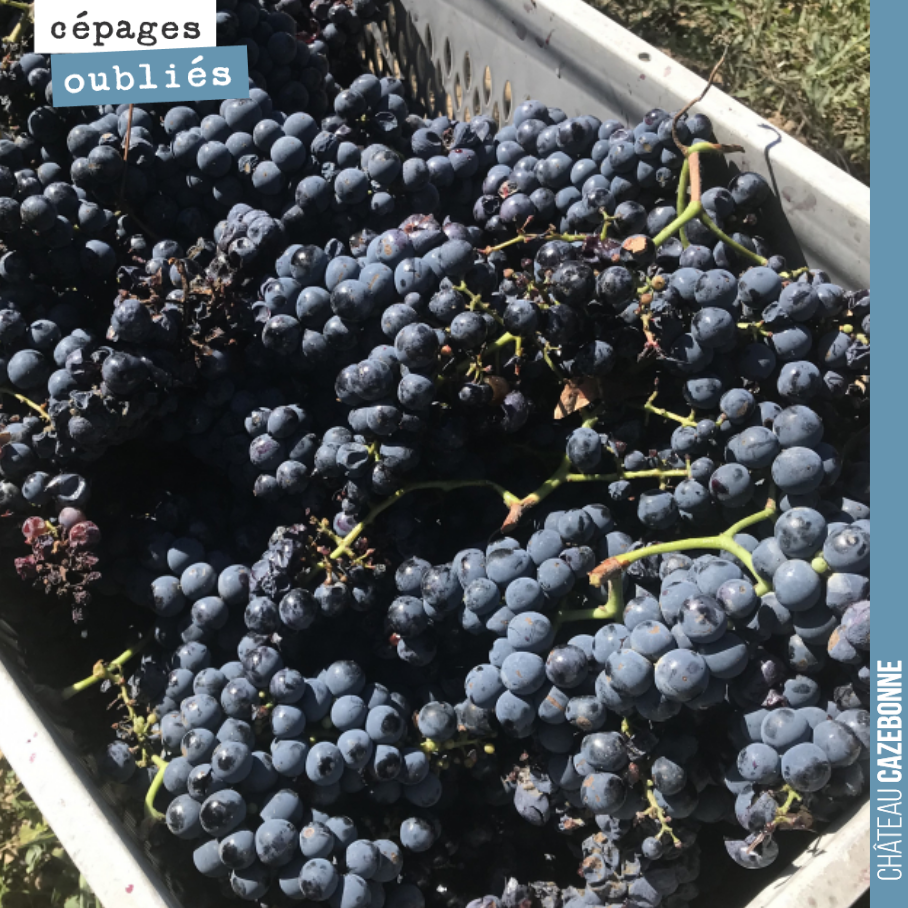
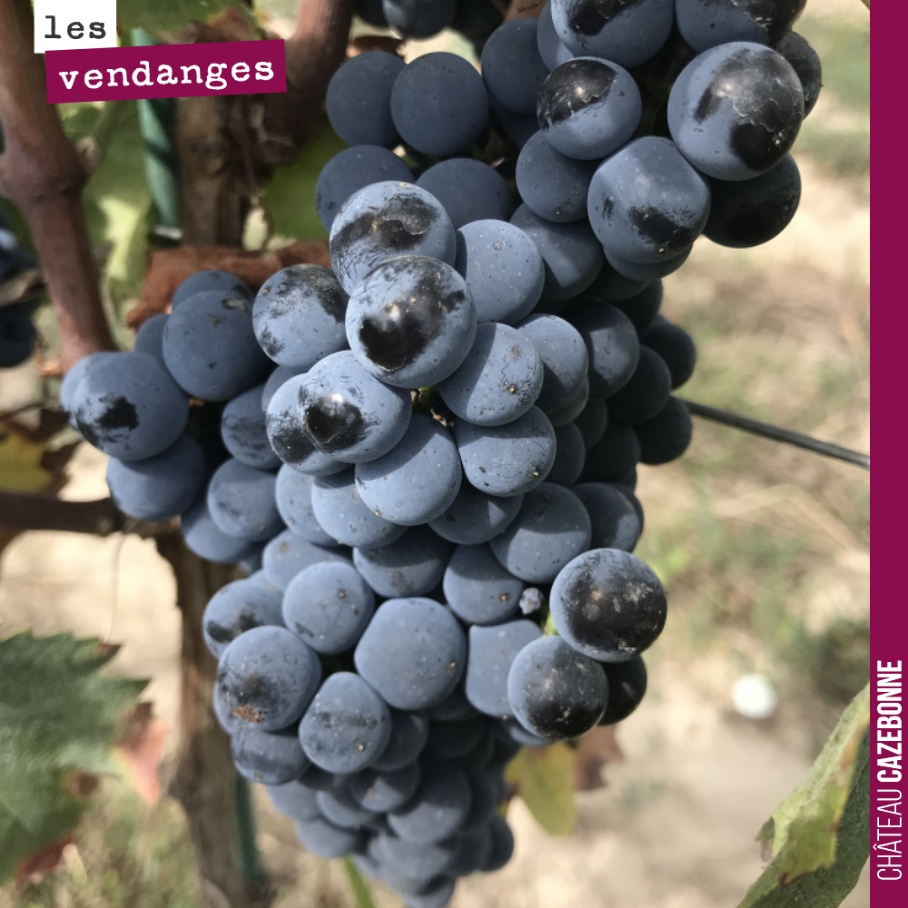
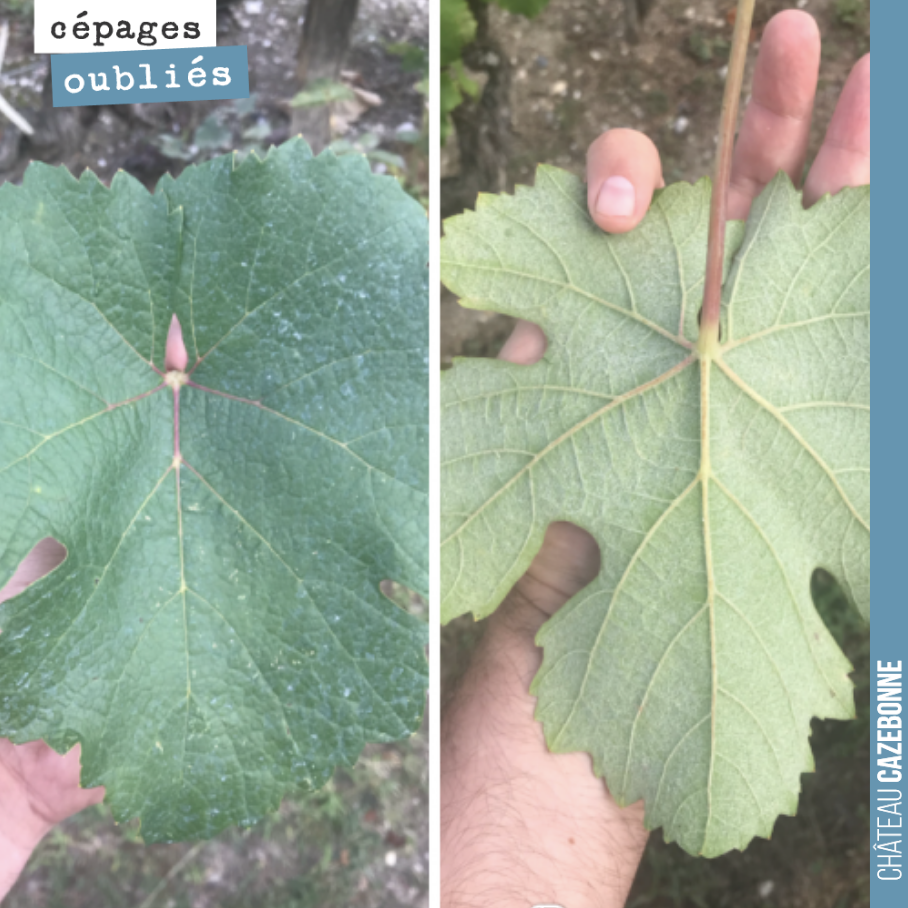
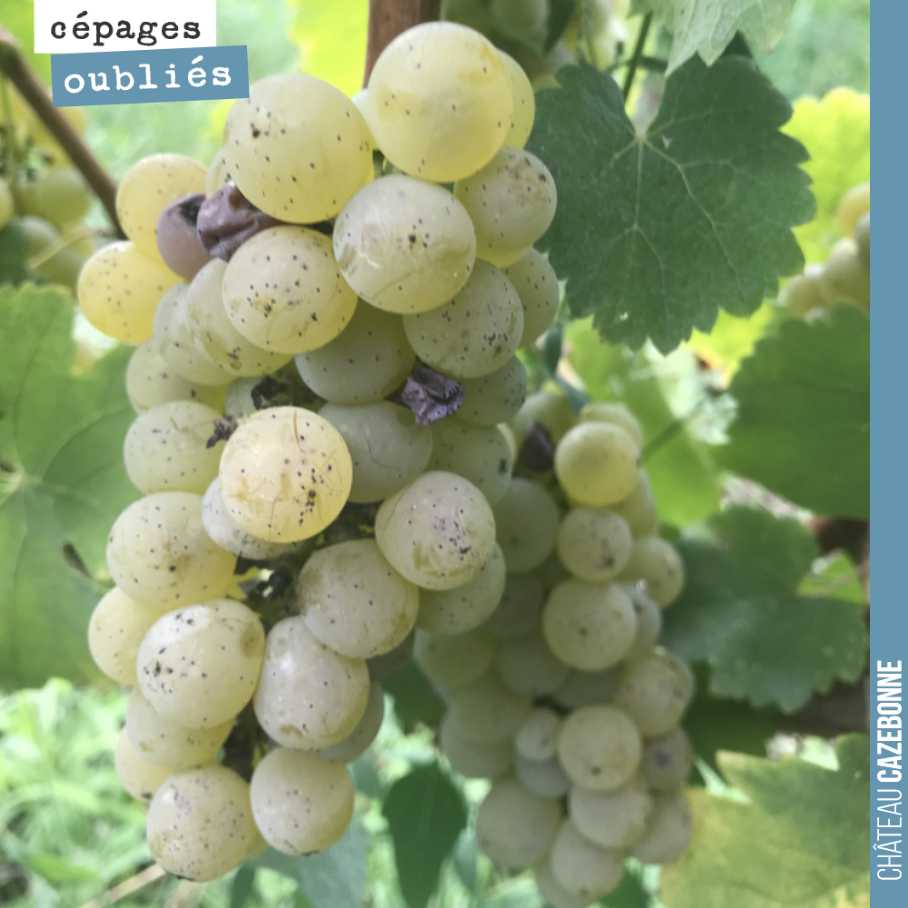
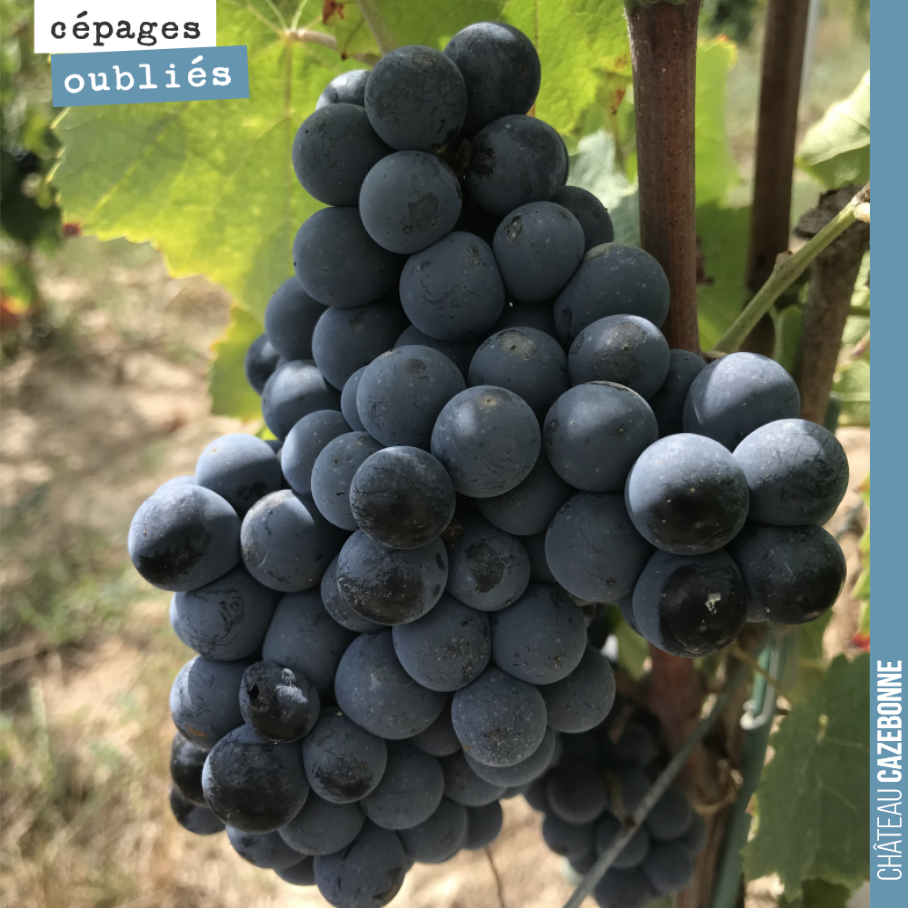
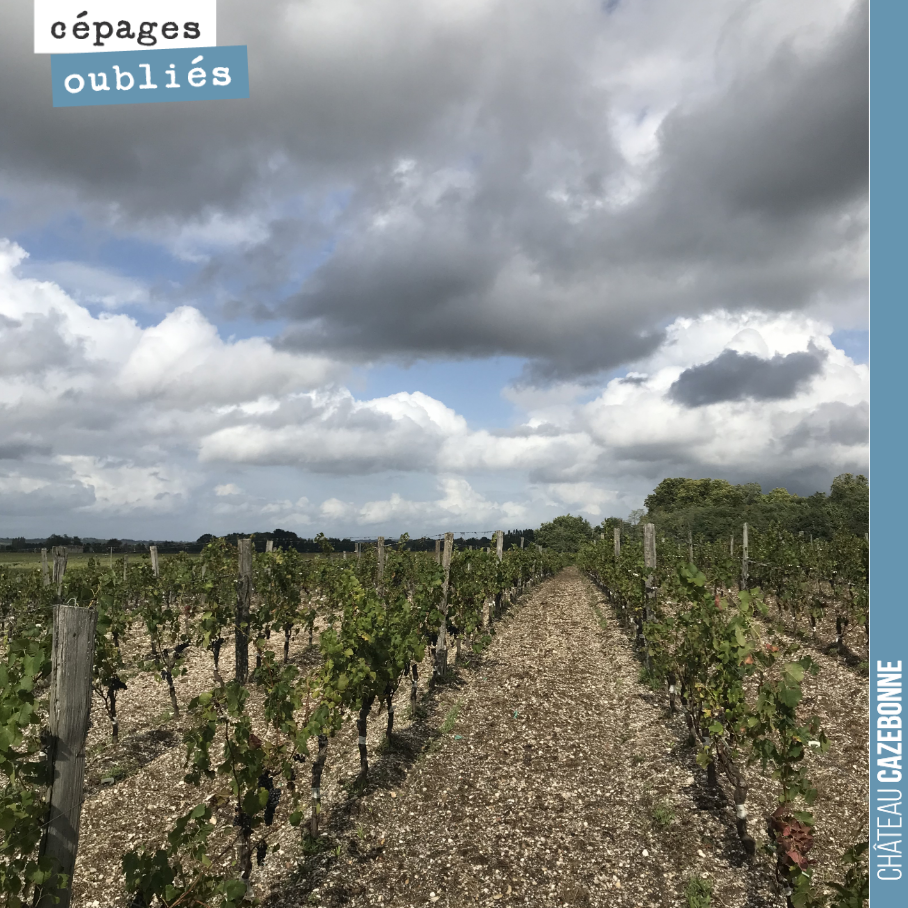
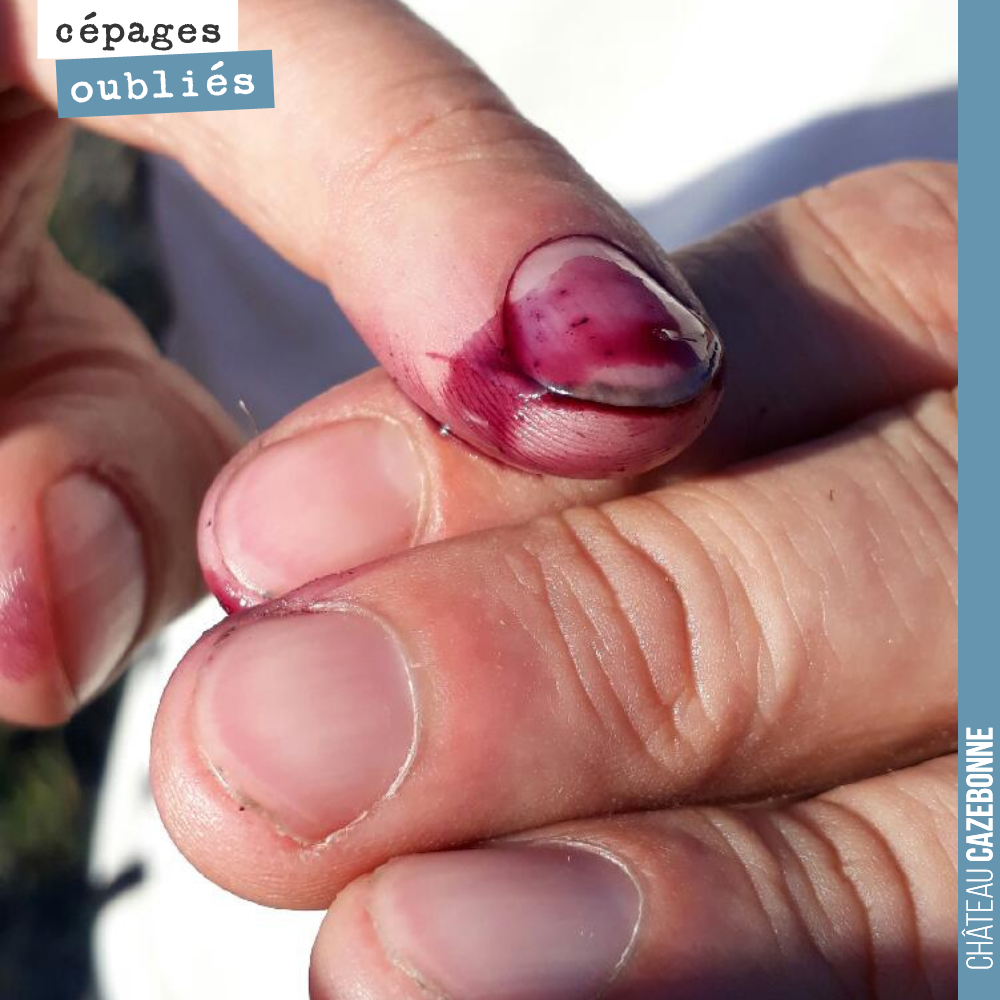
At Château Cazebonne, this stage takes on a particular dimension. While most Bordeaux winegrowers focus on a limited number of grape varieties, we cultivate a rich and diverse viticultural heritage. Beyond the classics, we are shining a spotlight back on historical Bordeaux varieties that had been forgotten or abandoned. As Jean-Baptiste Duquesne recalls in his book "Bordeaux, une histoire de cépages" (Éditions BBD), these ancestral grape varieties are the living memory of our vineyard, bringing a unique typicity and aromatic richness.
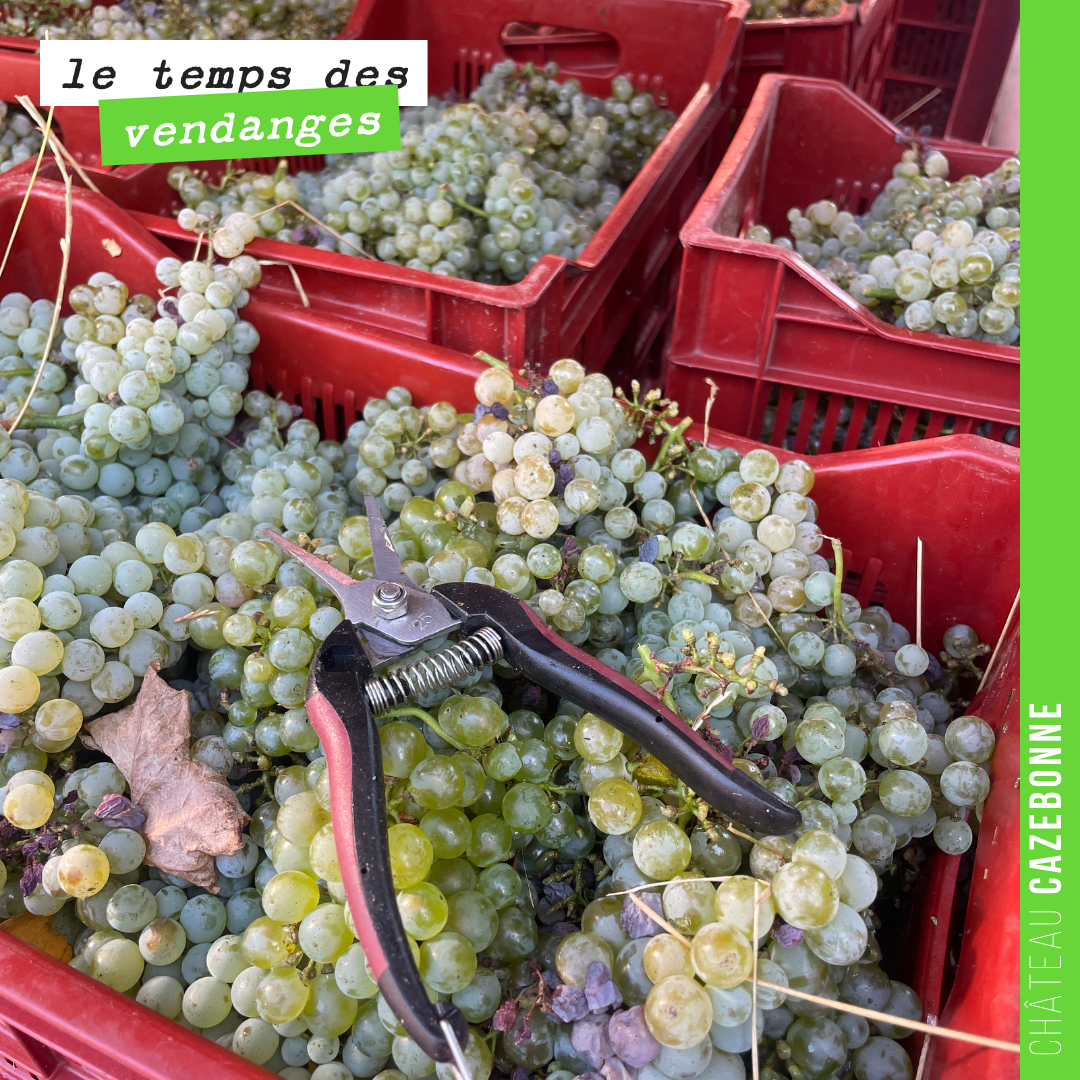
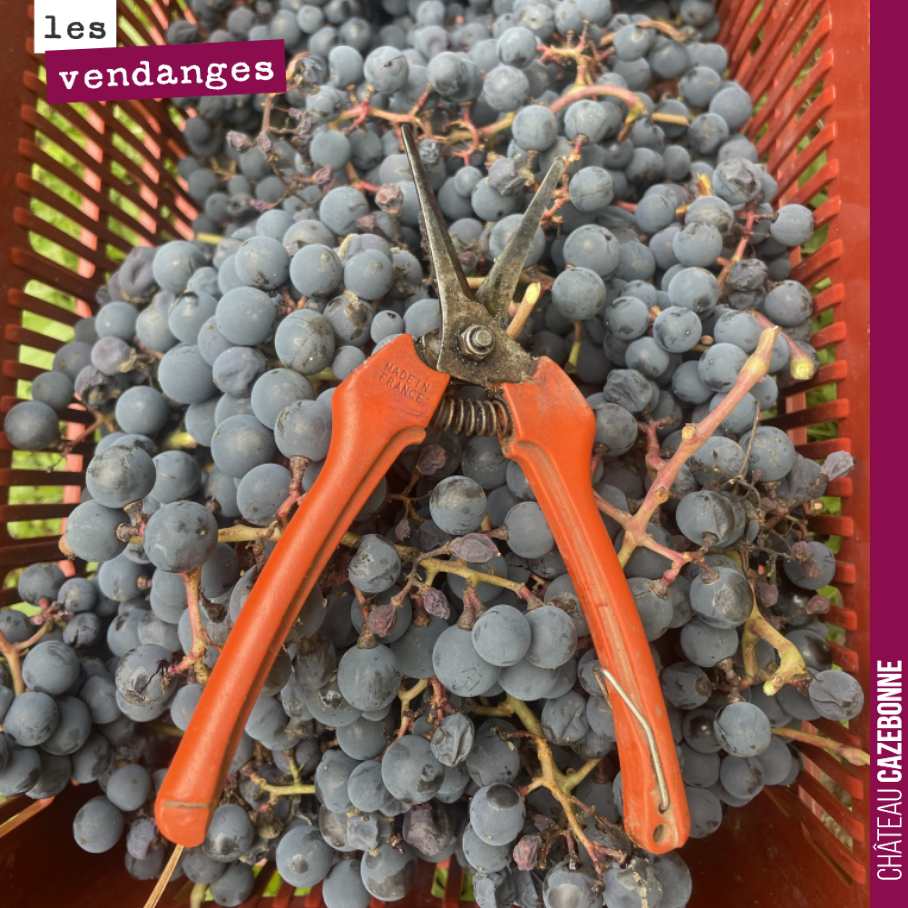
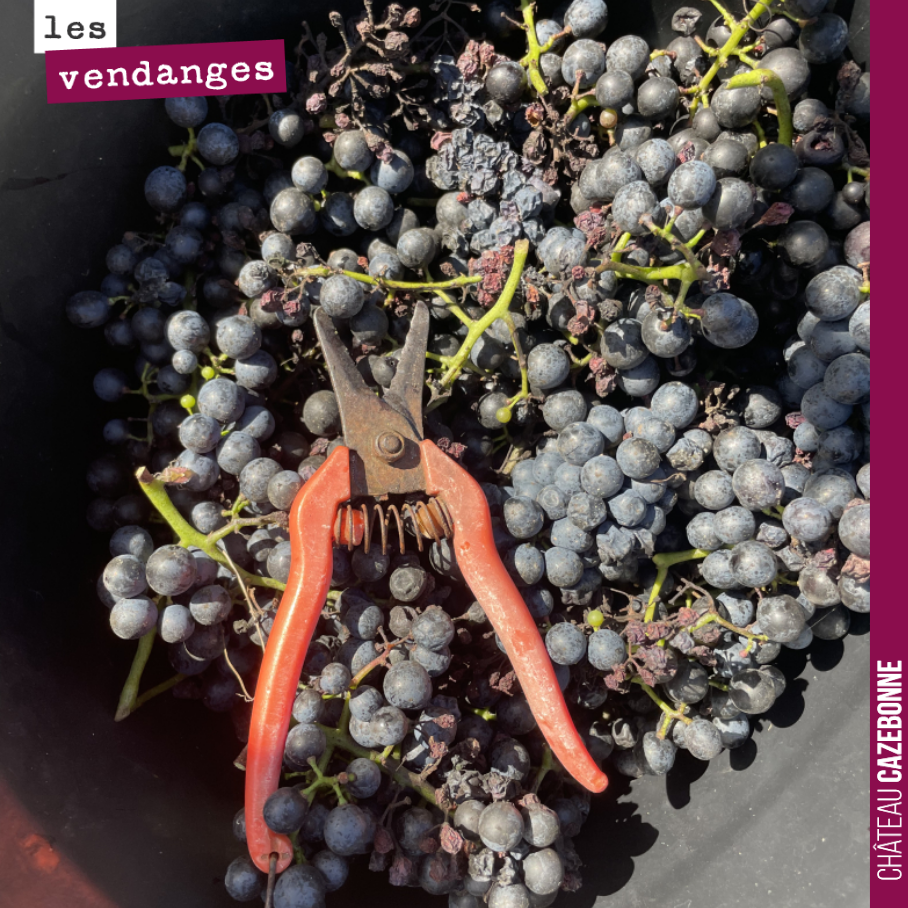
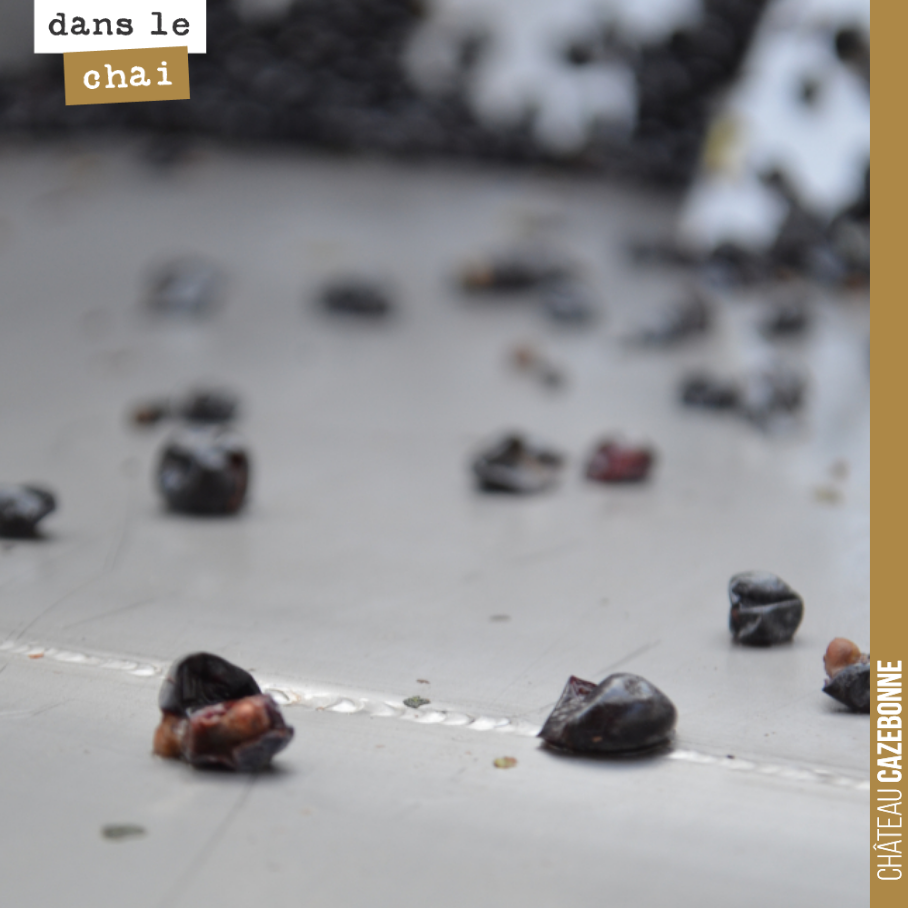
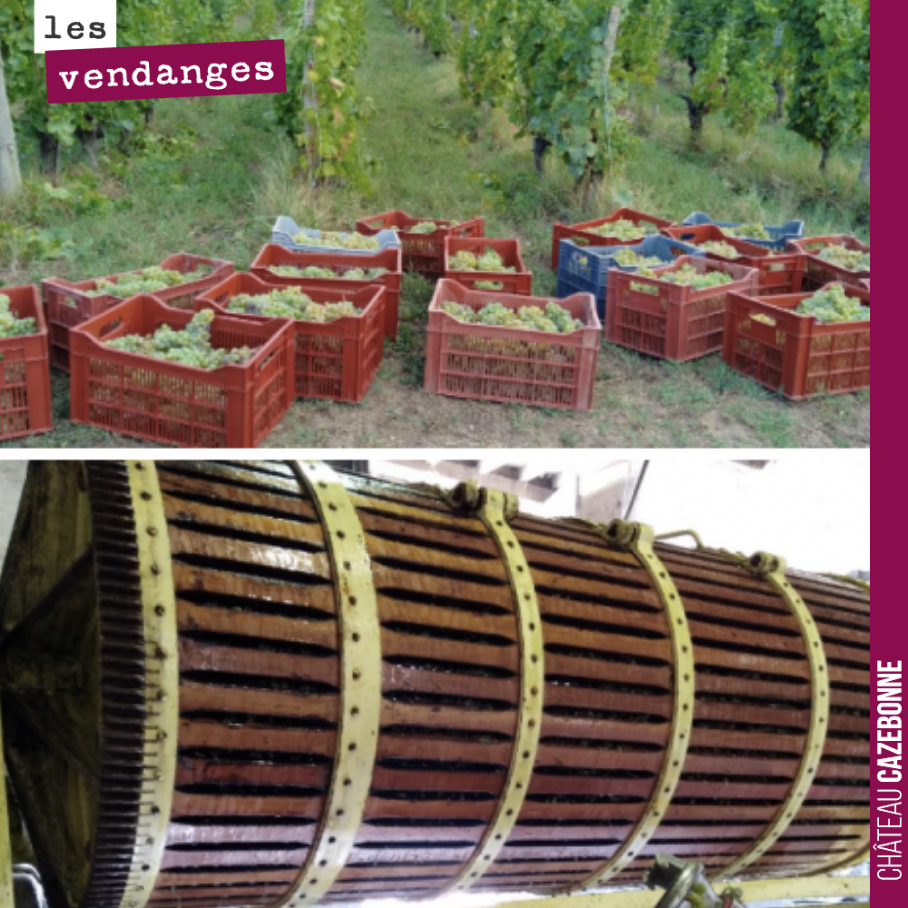
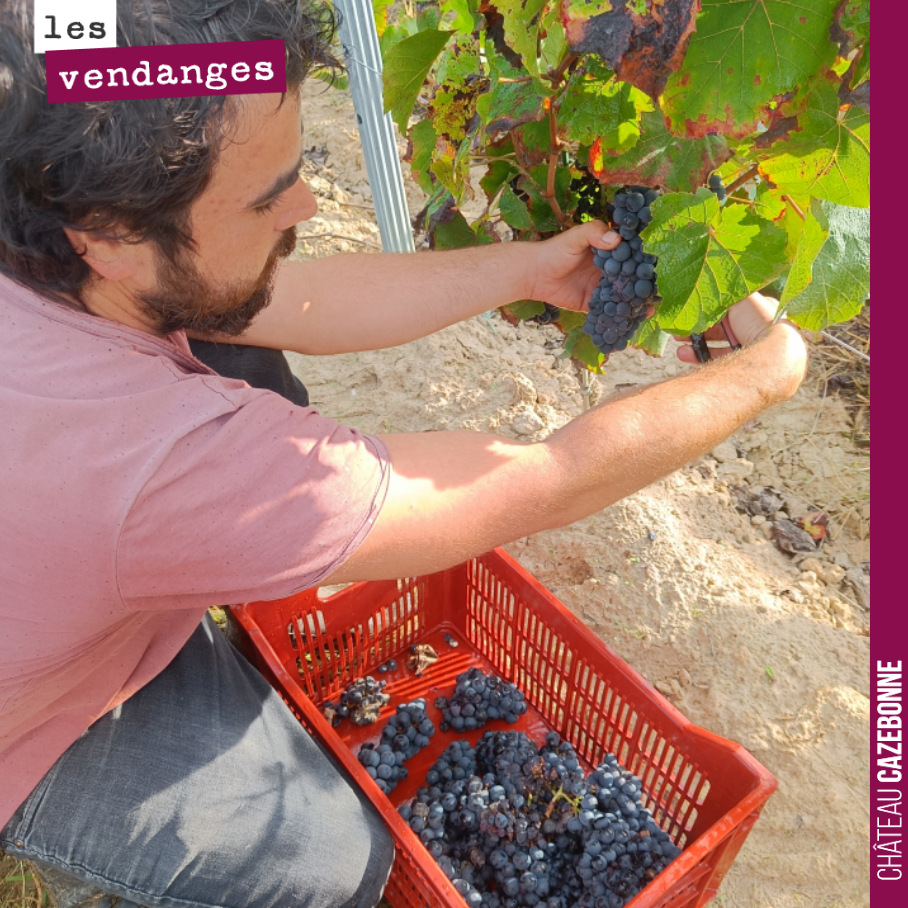
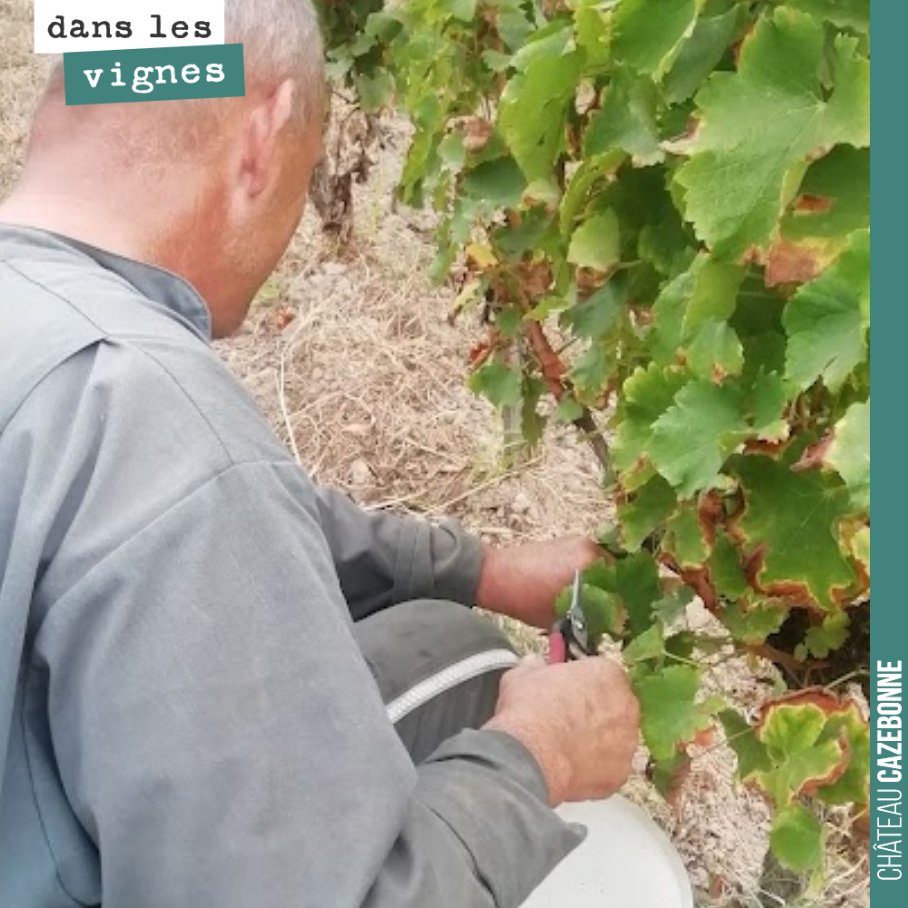
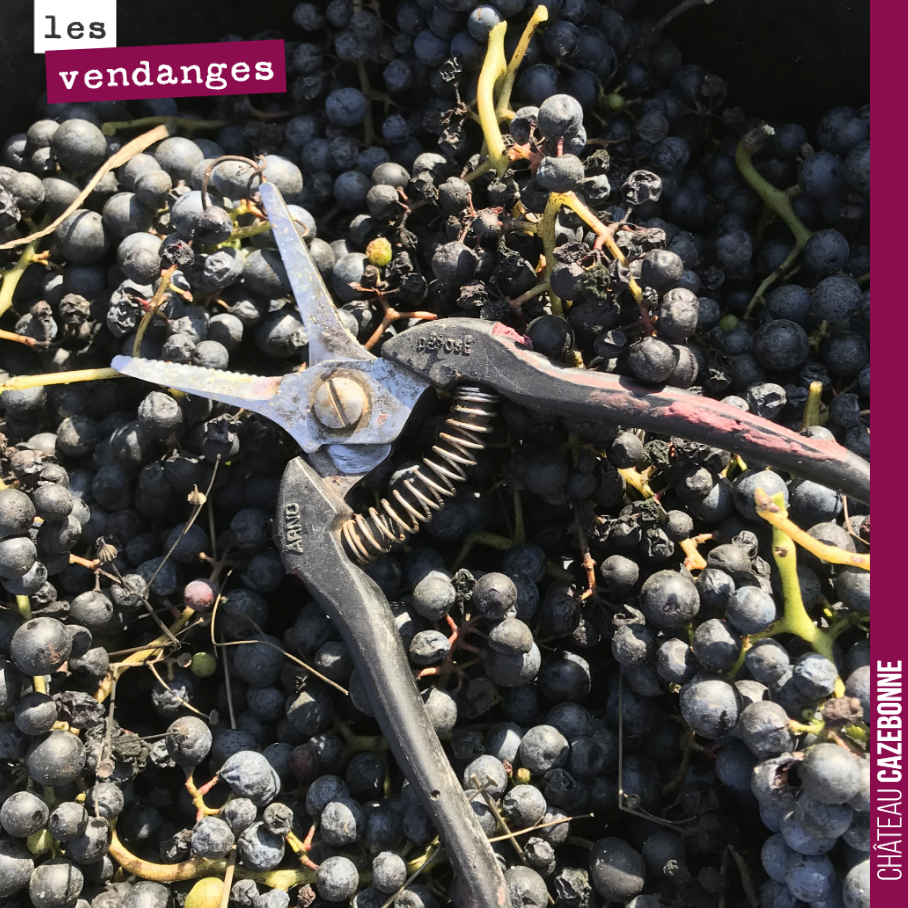
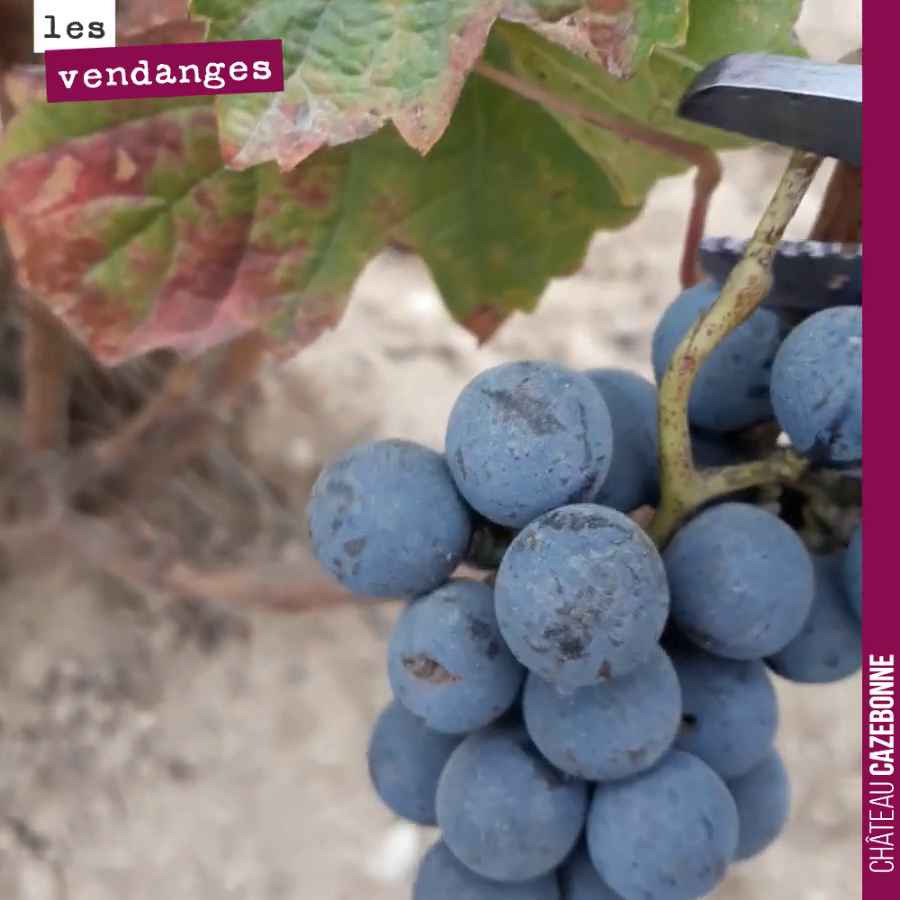
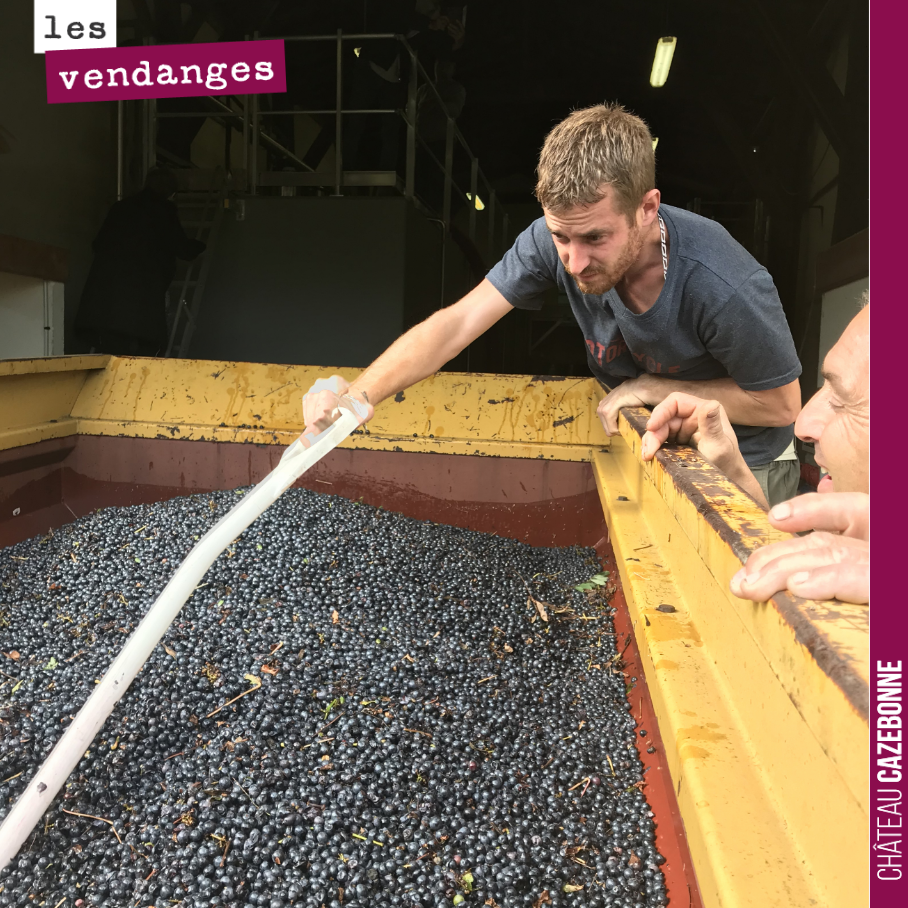
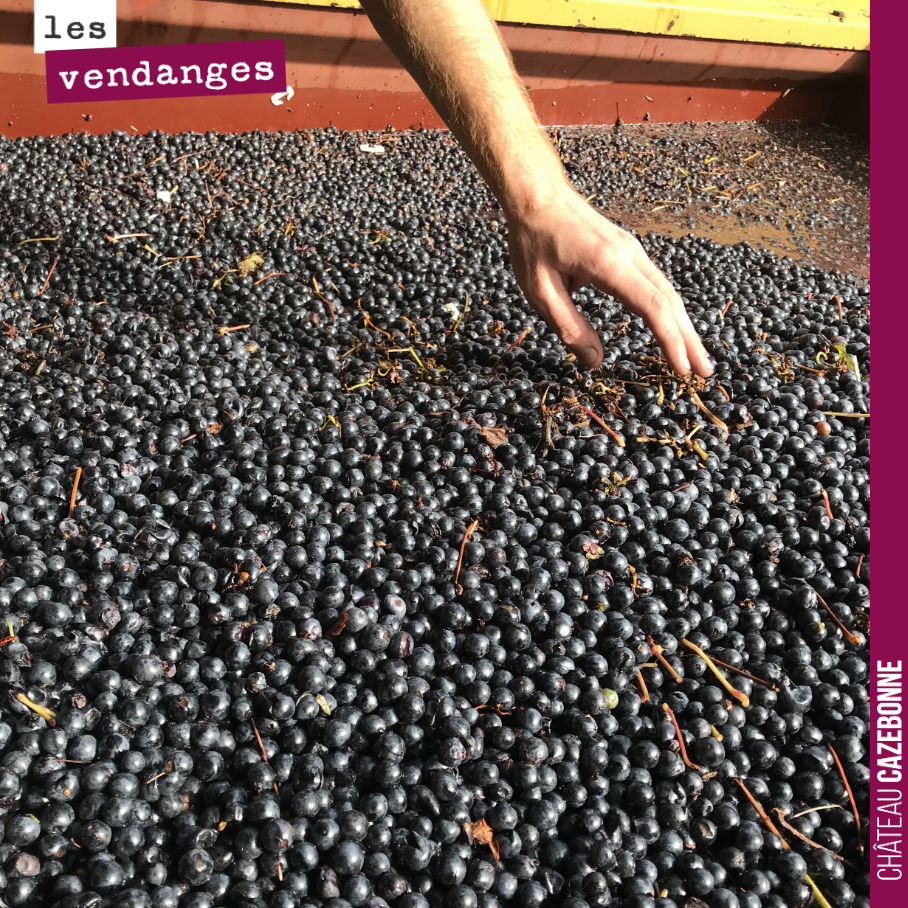
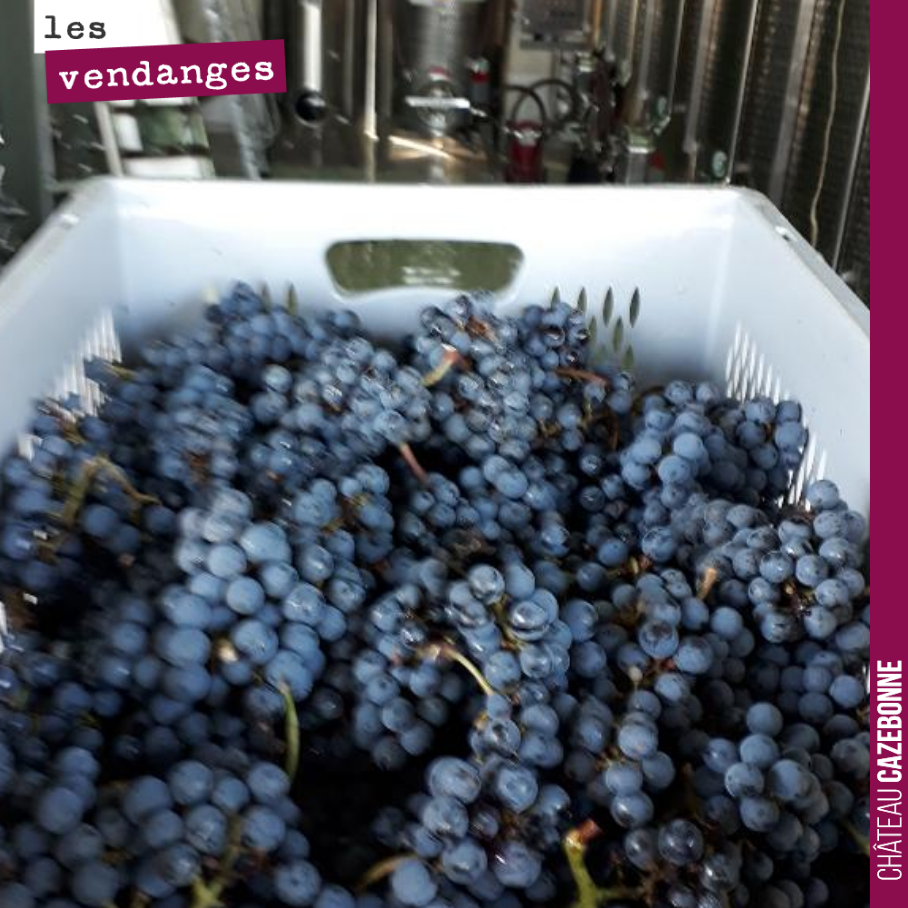
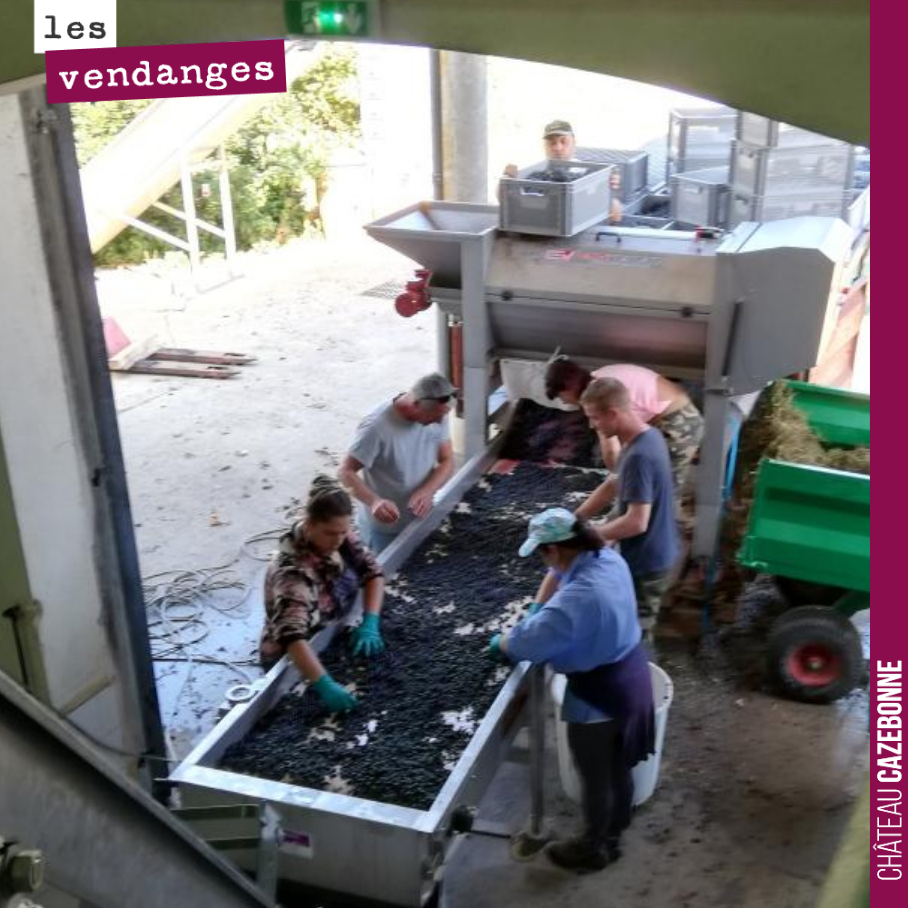
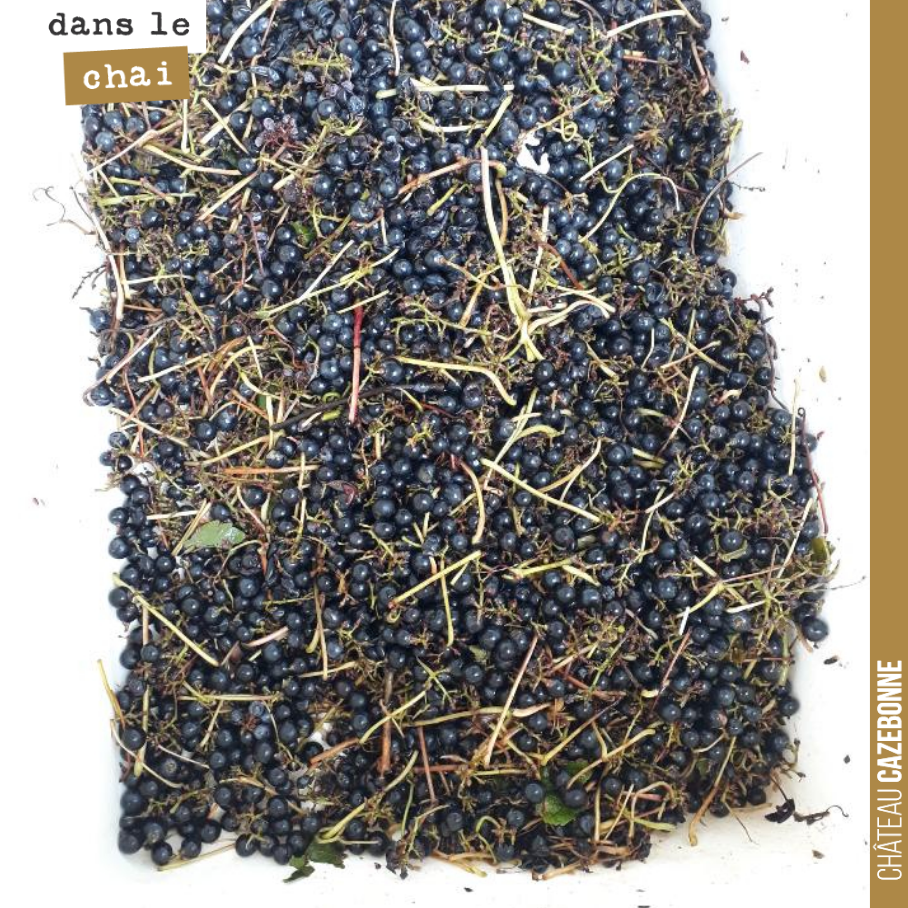
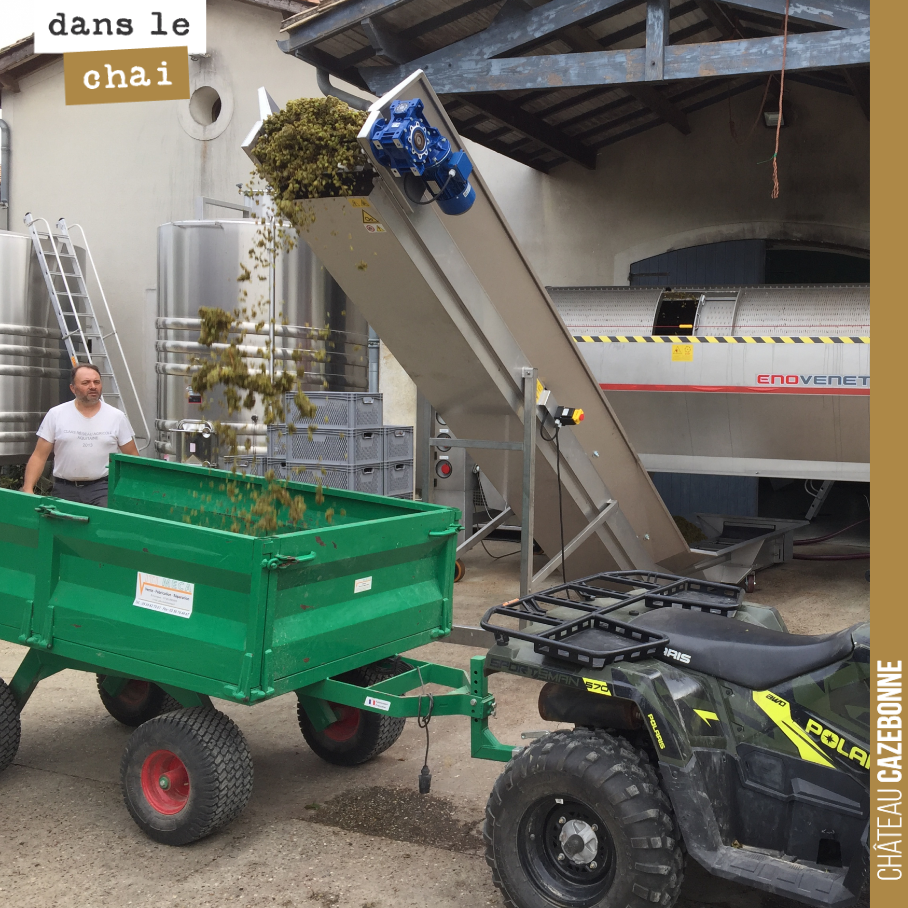
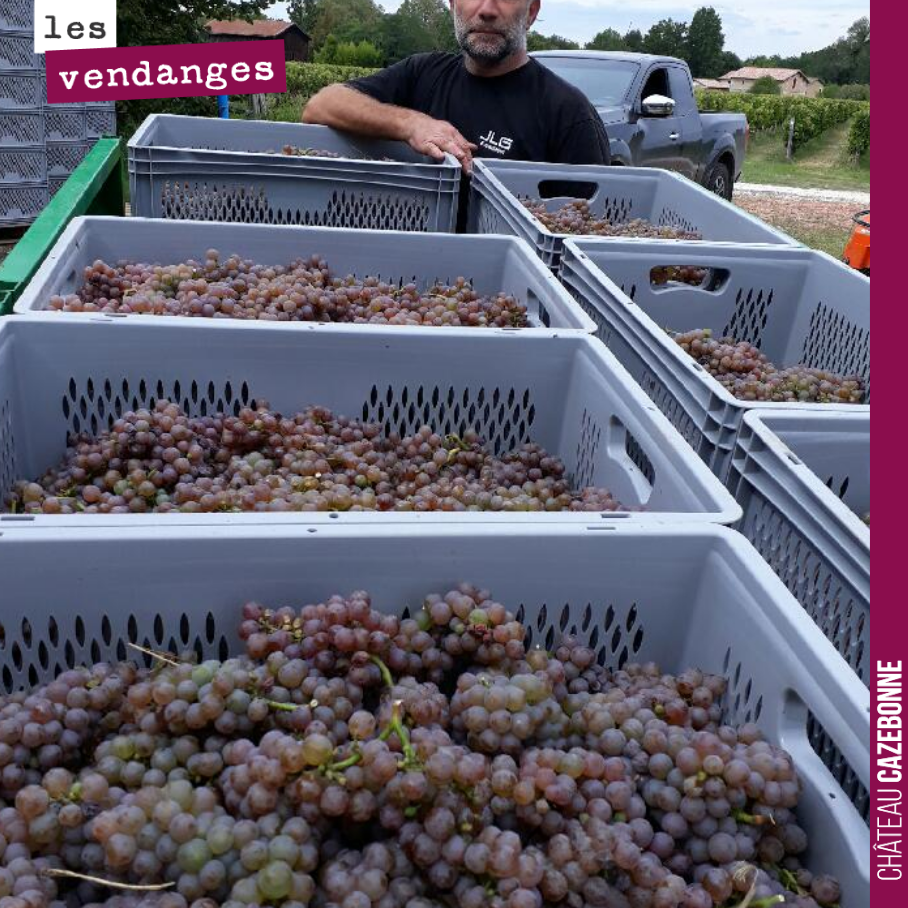
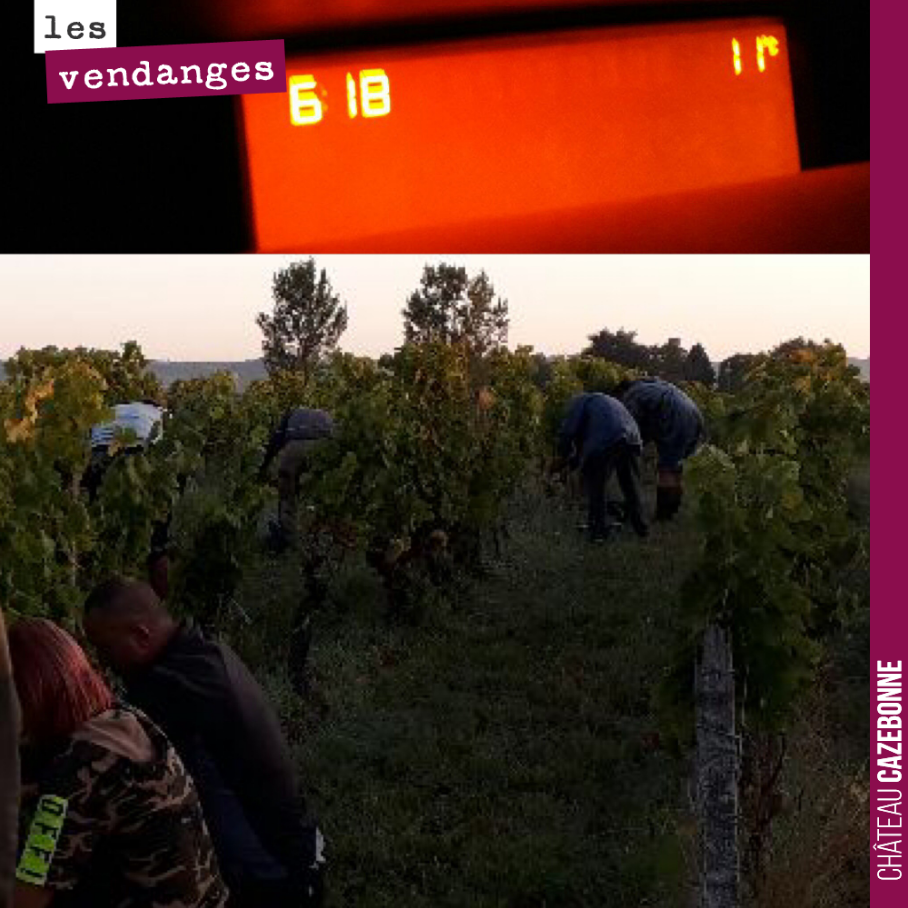
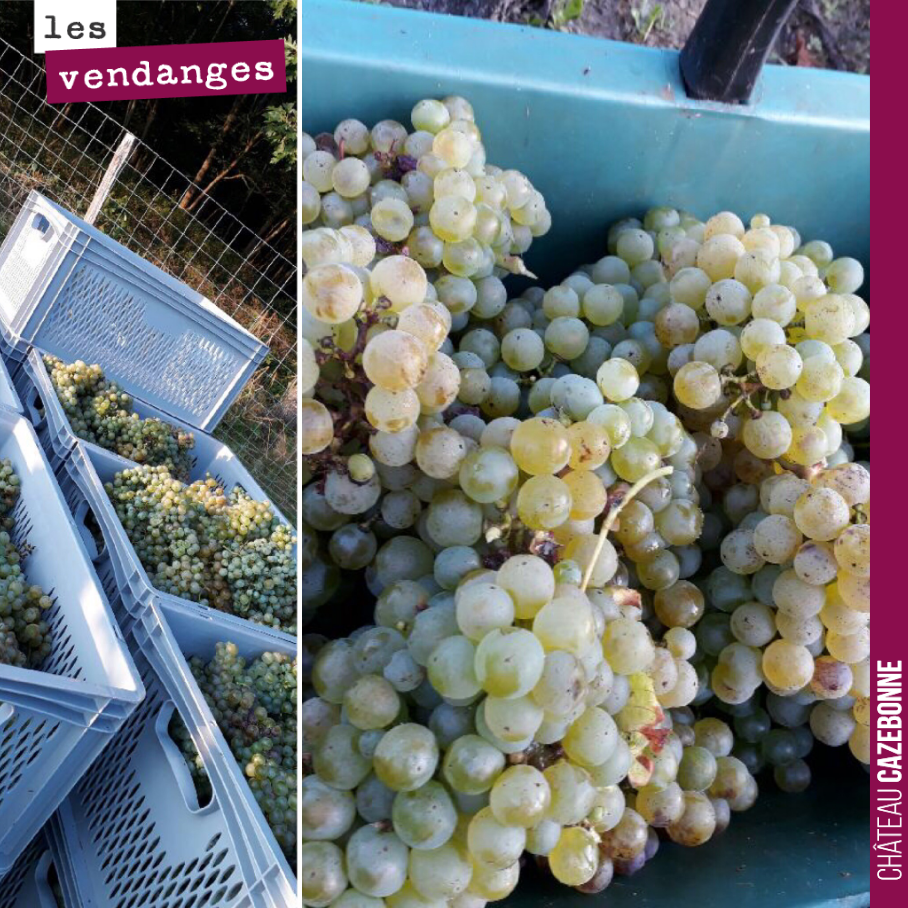
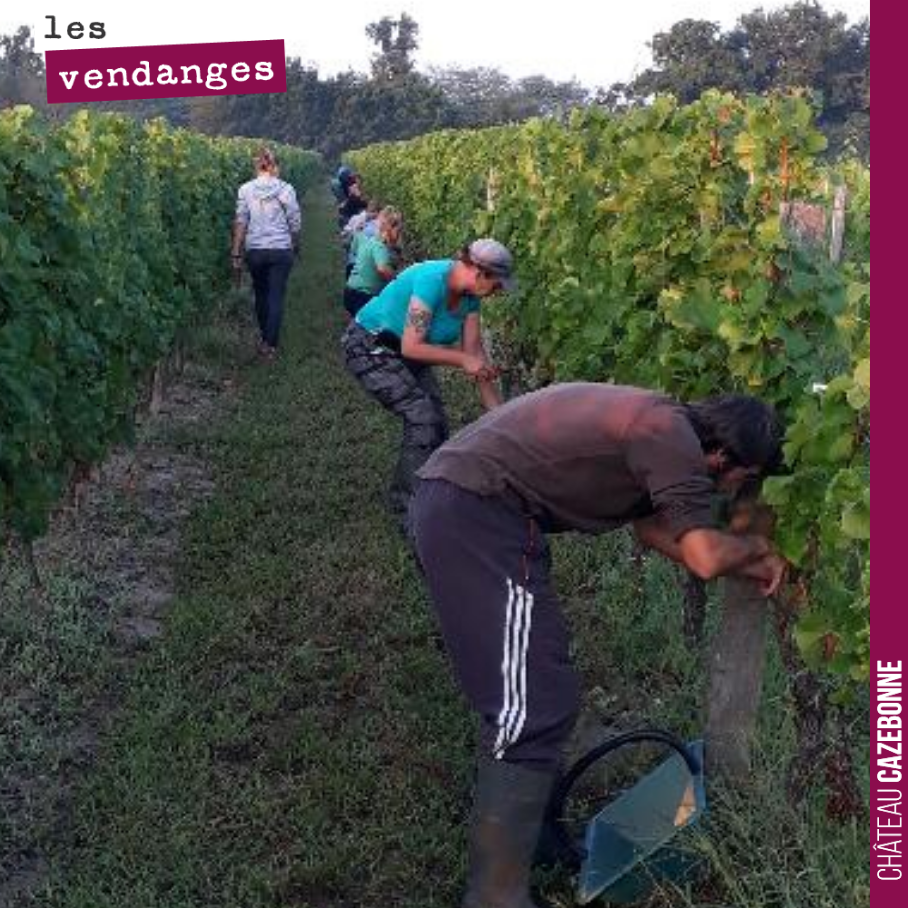
Manual harvesting is an ancestral practice that guarantees the preservation of grape integrity and the optimal quality of the must. It is essential for plots intended for the production of premium wines or for grape varieties with heterogeneous ripening. Pickers meticulously select healthy bunches, or even individual berries, that have reached full maturity, leaving those that require a few extra days on the vine. This method respects the vine and the terroir, avoiding soil compaction by machinery. It is particularly suited to vines planted on steep slopes or when the plot is difficult to access. Harvesting by hand, although more expensive in terms of labour, allows for rigorous sorting right from the moment of picking, making it a major asset for our most delicate cuvées, especially those made from forgotten grape varieties or our old vines.
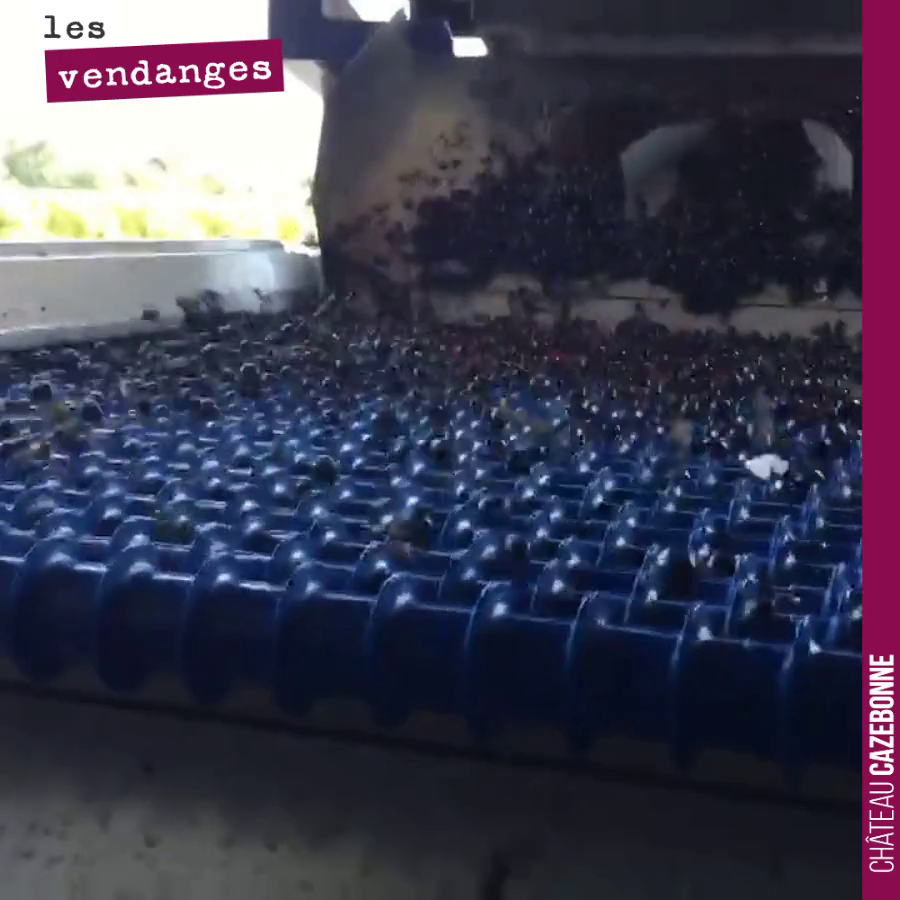
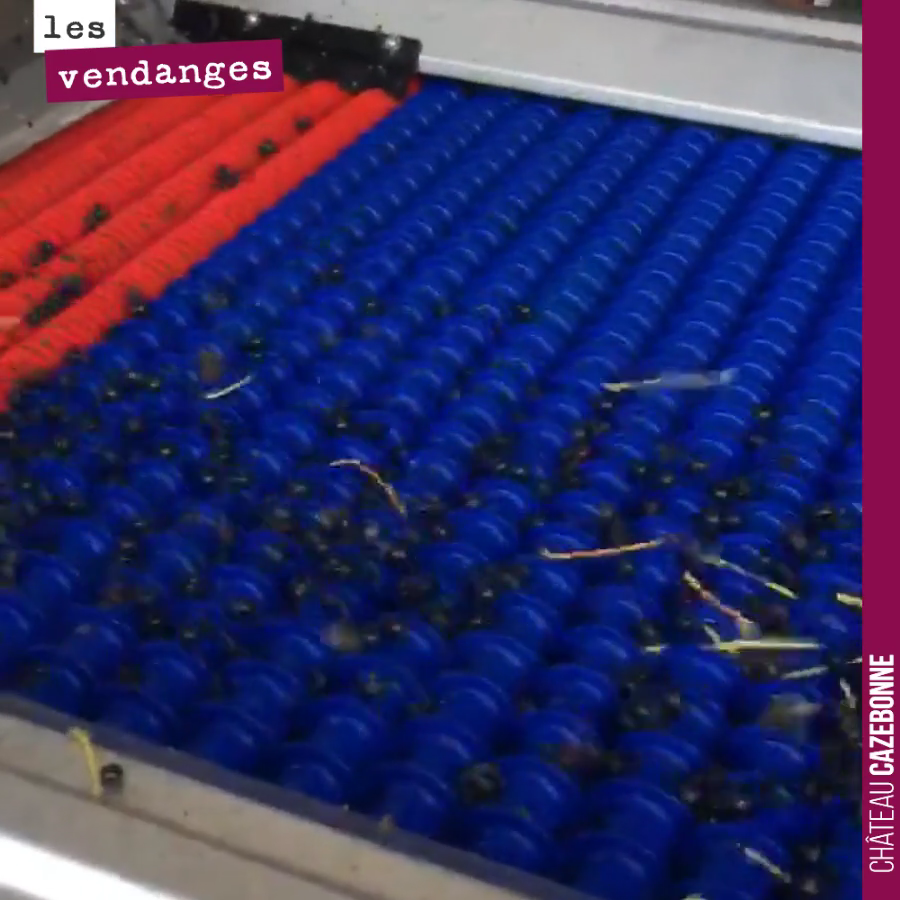
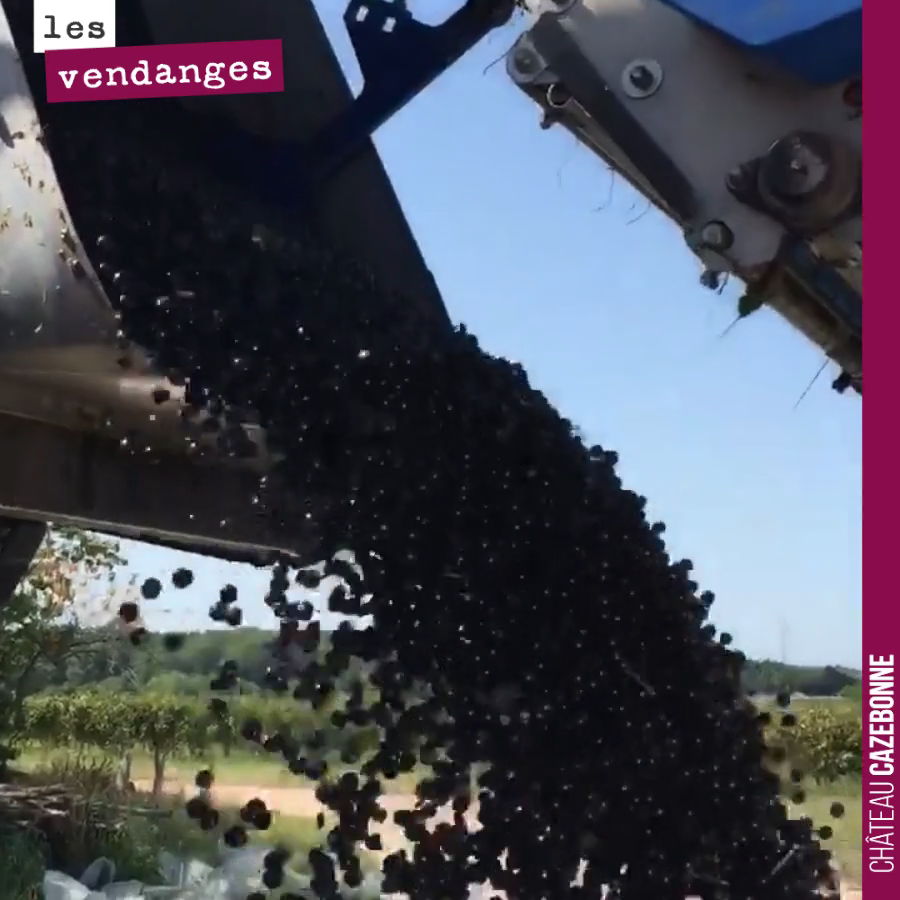
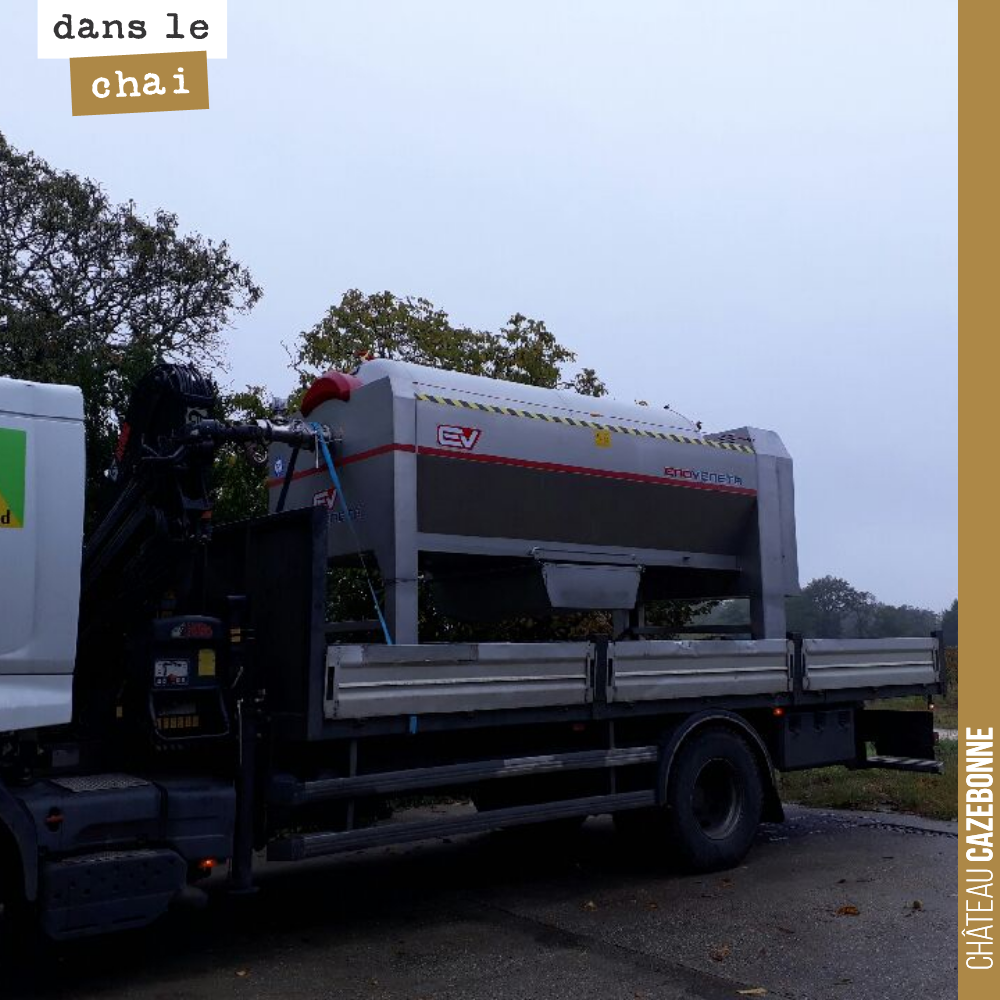
Mechanical harvesting, while faster and more economical, must be used judiciously so as not to alter grape quality. Modern harvesting machines are increasingly sophisticated, with on-board shaking and sorting systems that limit damage inflicted on berries and stalks. They are particularly effective over large areas and for grape varieties with uniform ripeness. However, the choice between manual and mechanical harvesting depends above all on the type of wine desired and the characteristics of the plot. For wines intended for early consumption, the machine can be a viable option, whereas wines for laying down or exceptional cuvées generally require the delicacy of the human hand. The type of grape bunch and the robustness of the berries are also factors influencing this choice.
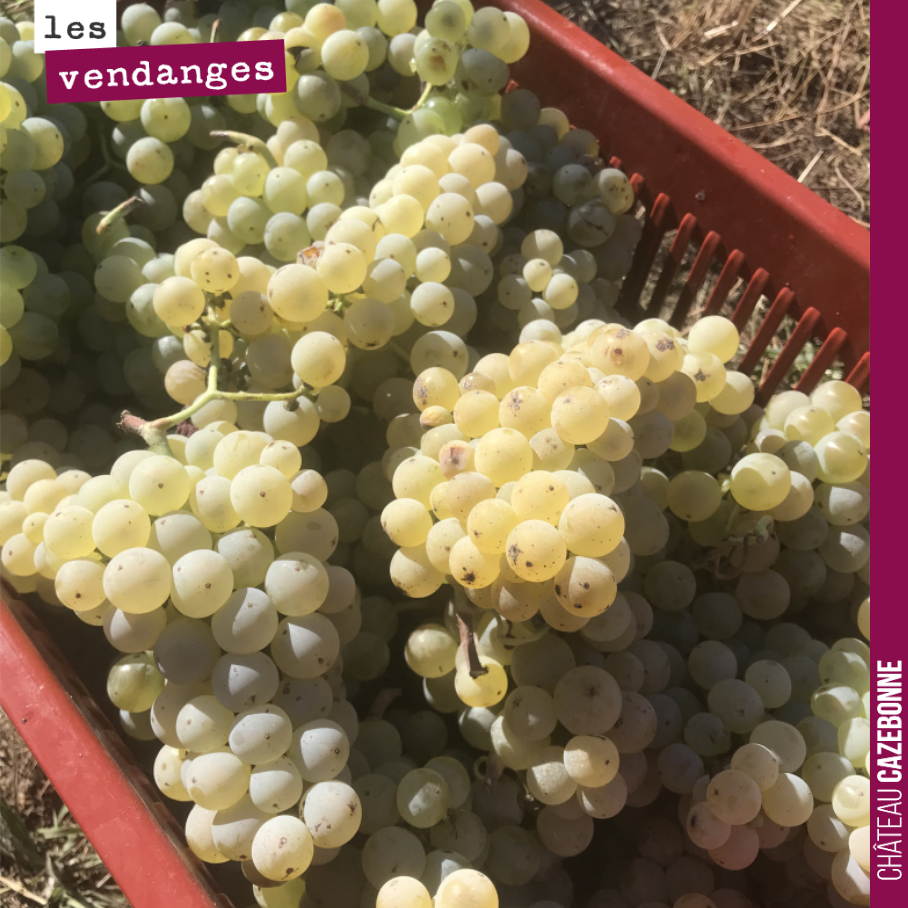
At Château Cazebonne, we favour manual harvesting for all our exceptional cuvées, in particular our Grand Vin, the Comme en 1900 range, and our single-varietal ancestral grape cuvées. This approach allows us to ensure a meticulous selection of berries and to preserve the purest expression of our terroir. The first harvests generally span from late August for the earliest-ripening grape varieties, such as some of our white grapes, and continue until mid-October for the latest-ripening red varieties. This period can vary each year depending on climatic conditions and the profile of each vintage. The harvest date is determined plot by plot, following regular analyses and berry tastings to evaluate phenolic ripeness and aromatic potential. We closely monitor the vine's cycles, from budburst to veraison, to optimise each stage. For the rare cuvées where mechanical harvesting is considered, it is carried out with the utmost attention so as not to compromise quality. This rigour in our choices fully contributes to the elaboration of our Graves wines. If you wish to learn more about one of the essential tools for this analysis, please feel free to consult our guide on using a refractometer.
It is thanks to the support of many wine lovers, who have embraced our cuvées, that we can continue this beautiful adventure of rebirth and preservation. Every bottle of Château Cazebonne is not just a wine, it is also an act of transmission, a part of Bordeaux history that we are bringing back to life. If you wish to discover the fruit of this passionate work, our cuvées are available for sale in the Cazebonne shop. To deepen your knowledge of the fascinating history of Bordeaux grape varieties and our work, we also invite you to download the digital version of the book "Bordeaux, une histoire de cépages" or to test your knowledge via our oenological quizzes.
Sources
Our suggestions
-5%on your 1st order with code BIENVENUE
The essential6 bottles — Graves red 2022
The best price of the cellar: €12 per bottle delivered.
The everyday red: generous and straight to the point.
I want it Our recommendation92/100 RVF
6 bottles — Graves red 2022, 92/100 RVF
Rated 92/100 by La Revue du vin de France: a solid 10-year ageing potential.
Our Graves for ageing, the finest gateway to the estate.
I want it Go further
12 bottles — the whole range
12 bottles, the whole range tasted: the best discovery-to-price ratio.
The complete tour of the estate, in a single case.
I want it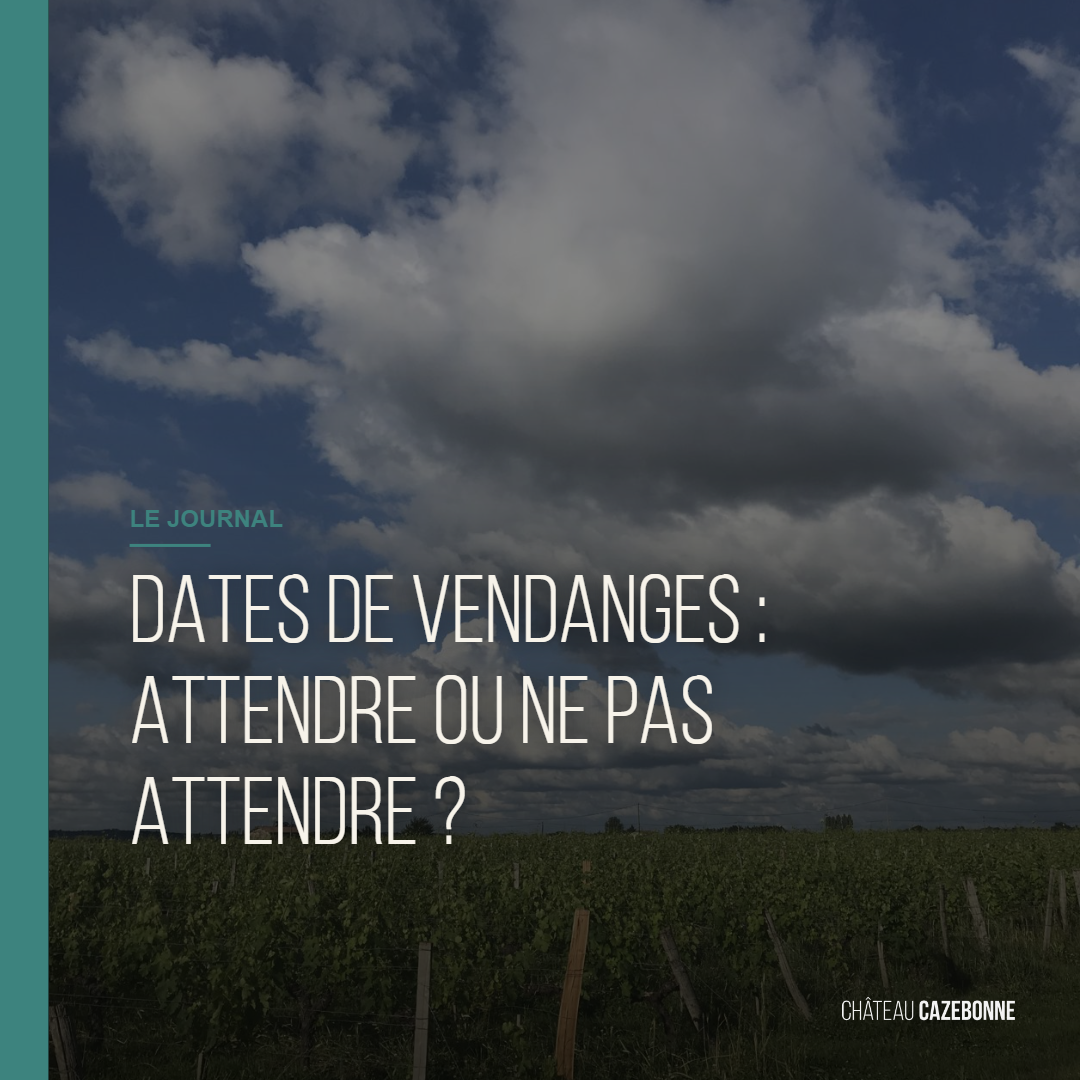
12 October 2026
Harvest dates – this is THE question that preoccupies us annually here at the vineyard. Should we wait for ideal skin ripeness or preserve freshness and balance, as alcohol levels soar and acidity levels plummet? It's no longer a simple choice, but a genuine conundrum, exacerbated by climate change.
By Jean-Baptiste
01 October 2026
By Jean-Baptiste

11 September 2026
By Jean-Baptiste

20 August 2026
By Jean-Baptiste
19 August 2026
By Jean-Baptiste
17 August 2026
By Jean-Baptiste
26 September 2025
31 August 2025
06 September 2024
07 October 2023
20 September 2023
31 August 2023
30 August 2023
08 November 2022
18 October 2022
13 October 2022
02 October 2022
01 October 2022

23 September 2022
22 September 2022
21 September 2022
16 September 2022
13 September 2022
11 September 2022
09 September 2022
07 September 2022
03 September 2022
03 September 2022
27 August 2022
07 October 2021
03 October 2021
29 September 2021

23 September 2021
11 September 2021

08 September 2021
07 September 2021
31 August 2021
28 August 2021
26 August 2021

04 October 2020
30 September 2020
30 September 2020
26 September 2020
19 September 2020
17 September 2020
11 September 2020
08 September 2020
08 September 2020
05 September 2020

31 August 2020
30 August 2020
29 August 2020
27 August 2020
24 August 2020
23 August 2020
22 August 2020
19 August 2020
26 October 2019
24 October 2019
24 October 2019
14 October 2019
13 October 2019
12 October 2019
10 October 2019
10 October 2019
09 October 2019
08 October 2019
07 October 2019
05 October 2019
05 October 2019
01 October 2019
26 September 2019
24 September 2019
22 September 2019
21 September 2019
20 September 2019
18 September 2019
18 September 2019
17 September 2019
16 September 2019
15 September 2019
12 September 2019
11 September 2019

10 September 2019
09 September 2019
08 September 2019
07 September 2019
03 September 2019
02 September 2019
02 September 2019
01 September 2019
29 August 2019
29 August 2019
28 August 2019
28 August 2019
27 August 2019

26 August 2019
26 August 2019
23 August 2019
29 April 2019
30 October 2018
24 October 2018
10 October 2018
09 October 2018
27 September 2018
03 August 2018
01 August 2018
15 June 2018
The cellar, forgotten grape varieties and our cuvées, twice a month. 5% off your first order with the code BIENVENUE.