
 The essential
6 × Entre Amis red
6 bottles — Graves red 2022
The best price of the cellar: €12 per bottle delivered.
The everyday red: generous and straight to the point.
I want it99 R

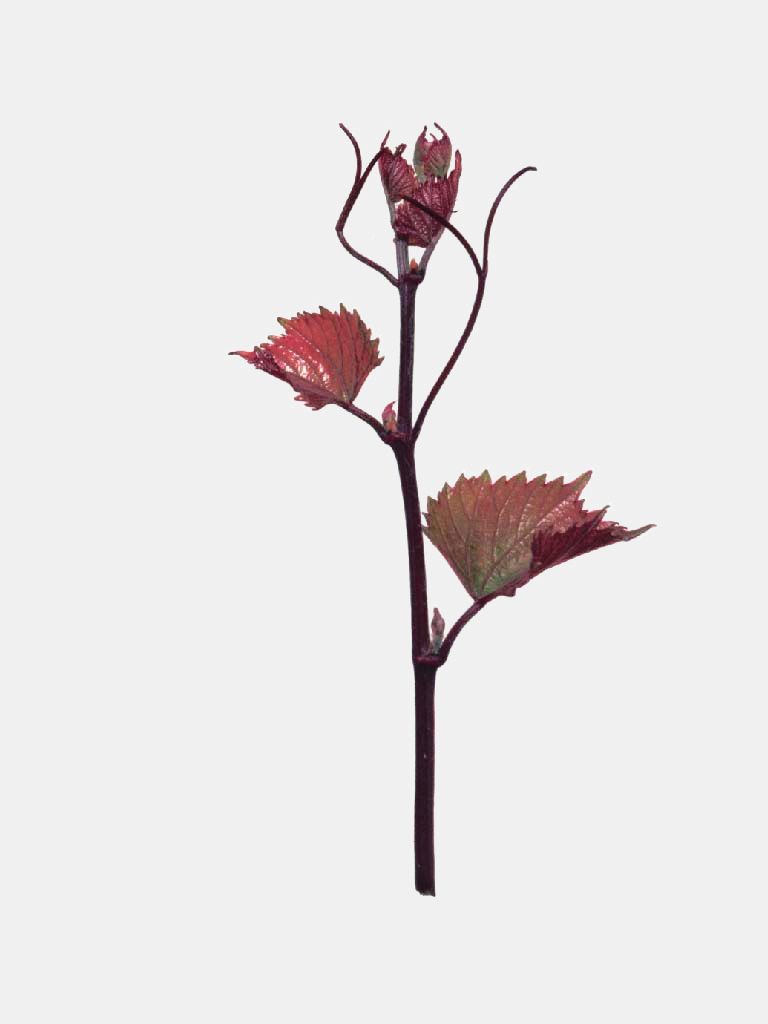
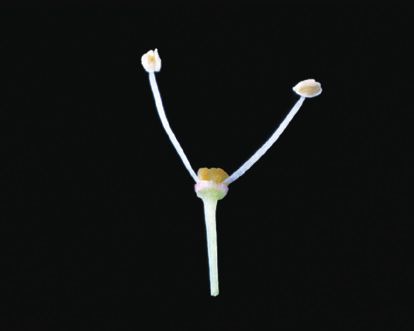
The 99 Richter rootstock, or 99 R, is a hybrid widely used in vineyards across the globe, particularly in Bordeaux. Developed following the phylloxera crisis, it is valued for its moderate vigour and good tolerance to certain soil types. Its adaptation to varied conditions makes it a relevant choice for winegrowers seeking to optimise the balance of their vineyard.
The 99 Richter rootstock is the result of a cross between Vitis Berlandieri and Vitis Rupestris. This hybridisation was carried out by Richter, within the context of searching for robust solutions to combat phylloxera, which was devastating European vineyards in the late 19th century. The objective was to combine the lime tolerance of Vitis Berlandieri with the adaptation to dry soils and good graft affinity of Vitis Rupestris.
| Characteristic | Description |
|---|---|
| Parentage / cross | Vitis Berlandieri x Vitis Rupestris |
| Species of origin | Vitis Berlandieri / Vitis Rupestris |
| Breeder and date | Richter, late 19th century |
| Resistance to phylloxera | Good |
| Conferred vigour | Moderate |
| Tolerance to active lime | 20% / IPC 30 | Drought tolerance | Good |
| Tolerance to humidity / waterlogging | Moderate (sensitive to hydromorphic soils) |
| Effect on scion ripening | Neutral to slightly delayed |
| Status / registration | French official catalogue |
99 R shows good adaptation to calcareous soils, with a tolerance to active lime of up to 20% and an IPC (Chlorosis Power Index) of 30. This characteristic is inherited from Vitis Berlandieri. It is also well-adapted to dry, stony soils, but proves more sensitive to wet, waterlogged soils, where poor drainage can compromise its development. Its ability to thrive in poor or shallow soils makes it a versatile rootstock for many winegrowing terroirs.
This rootstock confers moderate vigour to the scion, promoting a balanced canopy and consistent production. It tends to induce neutral to slightly delayed ripening in grafted grape varieties, which can be an asset in warmer regions to preserve aromatic freshness. 99 R provides a steady supply of water and nutrients, contributing to consistent yields and berry quality.
99 R displays good graft affinity with most Vitis vinifera varieties, including those historically cultivated in Bordeaux such as Merlot and Cabernet-Sauvignon. It is well suited to various planting densities and pruning systems, offering flexibility in vineyard management. For soils at risk of root asphyxiation, ensuring proper drainage is recommended.
Despite its qualities, 99 R is not without its vulnerabilities. While it tolerates limestone, an excess can still trigger iron chlorosis. It is also moderately sensitive to moisture and can suffer in soils that are too compact or poorly drained. Its use must be tailored to the specific characteristics of the terroir to avoid imbalances, particularly regarding vigour, which—if poorly managed—can sometimes induce coulure (shatter) in certain varieties or under specific conditions.
Faced with the challenges posed by climate change, 99 R offers notable advantages. Its good drought tolerance makes it an appealing choice for regions prone to arid summer periods. Its neutral to slightly delaying effect on ripening can help avoid excessively early harvests and maintain a fine sugar-acid balance in the grapes, thereby contributing to the adaptation of Bordeaux vineyards to evolving climatic conditions. The 110 R rootstock (110 Richter) is another example of a rootstock with good drought tolerance. The SO 4 rootstock (Selection Oppenheim 4) also offers valuable benefits. We can likewise mention the 1447 P rootstock (1447 Paulsen). Finally, the 5 BB rootstock (Kober 5 BB) is another option for its adaptive capacity.
Château Cazebonne is committed to exploring and preserving the viticultural diversity of Bordeaux, notably through the selection of adapted rootstocks. This work is part of a broader approach aimed at restoring pride to our local ampelographic heritage. To learn more about our commitment, we invite you to download our book "Bordeaux, a history of grape varieties". If you would like to deepen your wine knowledge, feel free to test your skills with our wine quizzes. And to discover the fruits of our labour, browse our online shop and taste our wines.
Sources
Our suggestions
-5%on your 1st order with code BIENVENUE
The essential6 bottles — Graves red 2022
The best price of the cellar: €12 per bottle delivered.
The everyday red: generous and straight to the point.
I want it Our recommendation92/100 RVF
6 bottles — Graves red 2022, 92/100 RVF
Rated 92/100 by La Revue du vin de France: a solid 10-year ageing potential.
Our Graves for ageing, the finest gateway to the estate.
I want it Go further
12 bottles — the whole range
12 bottles, the whole range tasted: the best discovery-to-price ratio.
The complete tour of the estate, in a single case.
I want itThe cellar, forgotten grape varieties and our cuvées, twice a month. 5% off your first order with the code BIENVENUE.