
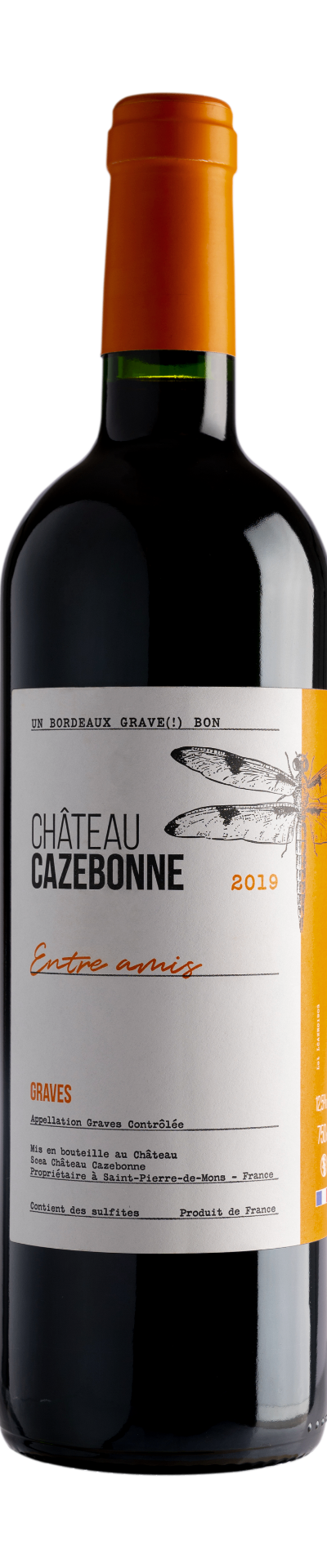
 The essential
6 × Entre Amis red
6 bottles — Graves red 2022
The best price of the cellar: €12 per bottle delivered.
The everyday red: generous and straight to the point.
I want itFête des vendanges
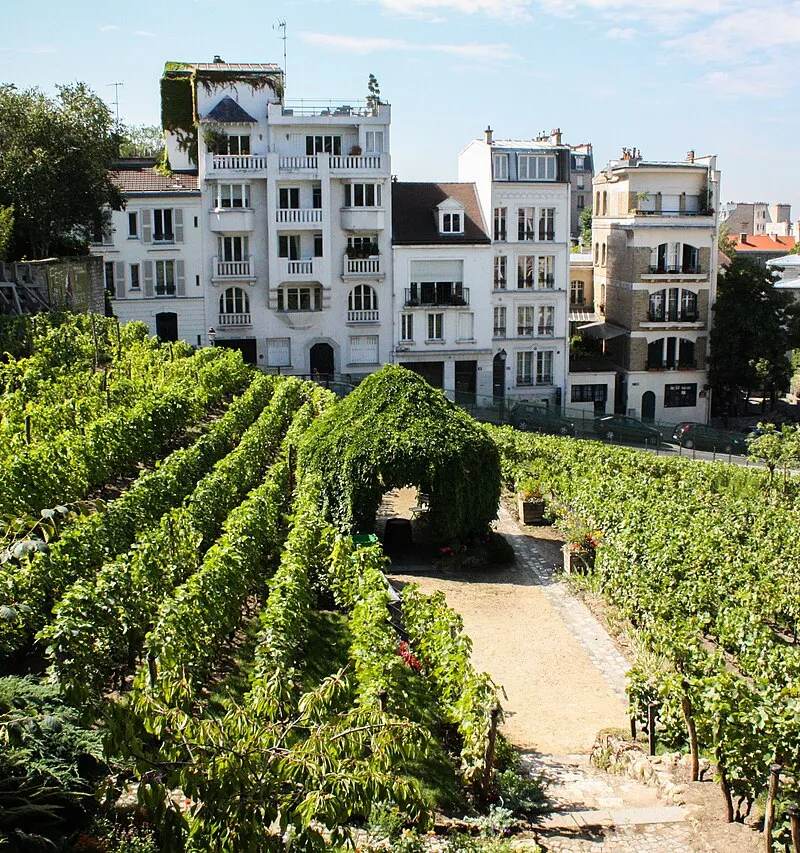
The Montmartre vineyard, nestled on the slopes of the famous Parisian hill, represents far more than a mere tourist curiosity. It embodies a living fragment of French viticultural history and the resilience of a culture deeply rooted in the urban landscape. A witness to a past when Paris and its surroundings were covered in vines, this small clos is now the hub of one of the French capital's most popular and iconic celebrations: the Fête des Vendanges (Grape Harvest Festival).
This initiative, born from the desire to preserve a heritage threatened by the rampant urbanisation of the early 20th century, has successfully transformed a simple plot of land into a symbol of conviviality and tradition. Each year, the Montmartre Grape Harvest Festival attracts hundreds of thousands of visitors, celebrating not only wine and its harvest, but also the community spirit and unique identity of the 18th arrondissement. It serves as a reminder that vines and wine, far from being reserved for large agricultural regions, can flourish and bring people together even in the heart of a bustling metropolis.
Before Montmartre became the artistic and bohemian hotspot we know today, the hill was primarily a wine-growing territory. From Gallo-Roman times, vines dotted the slopes of what was then merely a limestone hill, offering a terroir suitable for vine cultivation. The abbesses of the royal abbey of Montmartre, founded in the 12th century, were major landowners and actively managed a vast wine estate. Montmartre wine, though never rivalling Bordeaux or Burgundy crus, was consumed locally and was an integral part of the inhabitants' economy and daily life.
However, with the urban expansion of Paris in the 19th century and the arrival of phylloxera, Parisian viticulture gradually declined, almost disappearing entirely. The grape harvests, once a major event in these rural areas near the city, became a distant memory, marking the transition from a rural economy to an urbanised society. The idea of recreating a vineyard in Montmartre thus arose from a desire to reconnect with this lost past and preserve a piece of local history.
The rebirth of the Montmartre vineyard is the result of a bold initiative and genuine local mobilisation. In the early 20th century, a vacant plot of land, threatened by construction, was acquired by the City of Paris in 1929 thanks to the efforts of the Comité du Vieux Montmartre and artists such as Francisque Poulbot. The objective was clear: to prevent the urbanisation of this historic site and recreate a vineyard there. Thus, in 1933, vine stocks were planted on this plot, marking the beginning of a new viticultural era on the hill.
The planting was meticulously organised, with the selection of grape varieties suited to the Parisian climate and soil composition. Primarily Gamay and Pinot Noir were chosen, recalling French viticultural traditions, complemented by a few white grape varieties for diversity and experimentation. This reconstitution work symbolised an act of resistance against modernity, a deep attachment to the land and its traditions. The vineyard has become an emblem of local heritage preservation and an ode to urban biodiversity, offering a green and vibrant space in the heart of a constantly evolving city.
Clos Montmartre, though modest in size, is a remarkable small vineyard plot. Spanning approximately 1,556 square metres, it is the oldest and most famous vineyard in the capital. It is home to nearly 1,700 vine stocks, primarily planted with red grape varieties like Gamay (around 75%) and Pinot Noir (around 25%), supplemented by a few rows of white grape varieties for diversity and experimentation.
Annual production is deliberately limited, usually oscillating between 1,000 and 1,500 bottles. This wine, named “Vin de la Treille du Clos Montmartre”, is then sold at auction during the Fête des Vendanges, and all profits are donated to social welfare programmes in the 18th arrondissement. This philanthropic approach highlights the unique character of this urban vineyard, which, beyond its heritage value, plays an active role in supporting the local community. The entire process, from cultivation to vinification, is carefully managed by the Comité des Fêtes and the City of Paris's Oenologist, ensuring respect for traditions and product quality.
The first Montmartre Grape Harvest Festival took place in 1934, one year after the replanting of the vines. It was an immediate success, celebrating not only the wine harvest but also community spirit and local culture. From its inception, it had a dual purpose: popular and charitable. Popular because it brought together neighbourhood residents and Parisians around a festive and convivial event, echoing rural traditions. Charitable because, as mentioned, the funds raised from wine sales were used to finance social initiatives in the 18th arrondissement, particularly for children and disadvantaged individuals.
Over the decades, the festival has grown in scale, becoming an unmissable event in the Parisian calendar. Each year, it attracts hundreds of thousands of visitors and offers a rich programme of activities: parades, concerts, tastings of local produce, workshops for children, and of course, the Clos's grape harvest ceremony. This event, rooted in the hill's history, perpetuates the joy of the harvest, a moment dear to the French soul as an ancient text highlights: “the autumn season and the work of the grape harvest mark, for our countryside, the most beautiful moment of the year”.
The 2026 edition of the Montmartre Grape Harvest Festival is announced under the theme “The 18th Sets the Rhythm”, a vibrant invitation to explore the neighbourhood's musical and artistic richness. This theme will be a celebration of the diverse musical currents that have animated and continue to animate Montmartre, from the jazz of the Roaring Twenties to contemporary hip-hop, including timeless French chanson. The iconic streets and squares of the hill will resonate with diverse melodies, with ephemeral stages hosting emerging artists and renowned musicians.
The festivities will include a grand inaugural parade, where brass bands and dance troupes will highlight costumes and rhythms from around the world. Music creation workshops will be offered to young people, and themed concerts will liven up the evenings, culminating in a sound and light show on the façade of the Sacré-Cœur Basilica. The auction of Clos Montmartre's cuvées will, in turn, be enhanced by an unprecedented musical performance, underscoring the link between wine, art, and local solidarity. This edition promises to make the heart of Paris vibrate to the sound of Montmartre, reinforcing the cultural and festive identity of the 18th arrondissement.
The Bordeaux Pirate collective champions innovation in Bordeaux. Wines that stray from the beaten path, which absolutely had to be present at this great popular festival, to educate about a reinventing Bordeaux, far from the stereotypes sometimes associated with it.
7 winemakers decided to 'board' Paname (slang for Paris) to offer tastings of 14 iconoclastic cuvées, representative of the Pirate spirit:
Laurent Cassy, Château Chillac
Neil Beicede, CHâteau Haut-Tellas
Corinne Mauro, Vignobles Mauro Guicheney
Philippe Betschart, Château Les Graves de Viaud
Gilles Nardou, Clos Séric
David Vallet, Domaine de Valmengaux
and your humble servant, Jean-Baptiste Duquesne, Château Cazebonne
The pirate flag flew over the capital for 3 days and we are very proud of it.
Fluctuat nec mergitur!
The Montmartre Grape Harvest Festival is a ray of sunshine for us Bordeaux vintners who are suffering from an unprecedented wine crisis.
It is often said that young people no longer drink wine, or that they are abandoning tannic red wines for lighter styles or other beverages. However, the record attendance of young adults and families at this Parisian event demonstrates a vibrant interest in wine culture, its history, and its conviviality. They came in large numbers, to taste, to ask us questions!
Young people are eager to learn more about wine.
They are ready to taste wines that intrigue them, macerated wines, forgotten grape varieties...
They are curious and open-minded.
More than ever, we must reach out to younger generations, not to convince them at all costs, but to explain what we do, share the passion that drives us, and show them that wine is a wonderful, convivial, and accessible drink, a link between tradition and modernity.
Let's make a date for next year!
Sources
Just as Clos Montmartre revives history, La Dame Noire reconnects with traditional grape varieties, such as the Jurançon noir and the Mérille.
Our suggestions
-5%on your 1st order with code BIENVENUE
The essential6 bottles — Graves red 2022
The best price of the cellar: €12 per bottle delivered.
The everyday red: generous and straight to the point.
I want it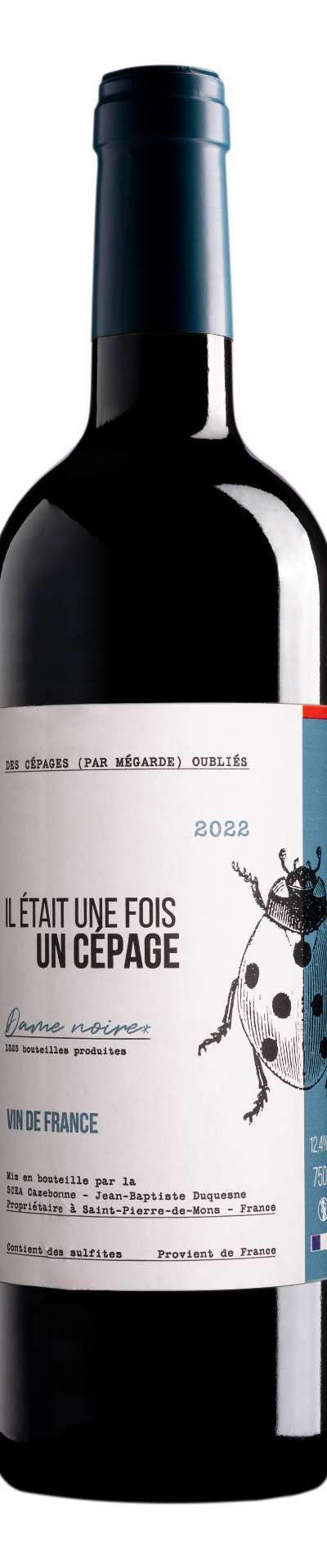 Our recommendation
 Go further
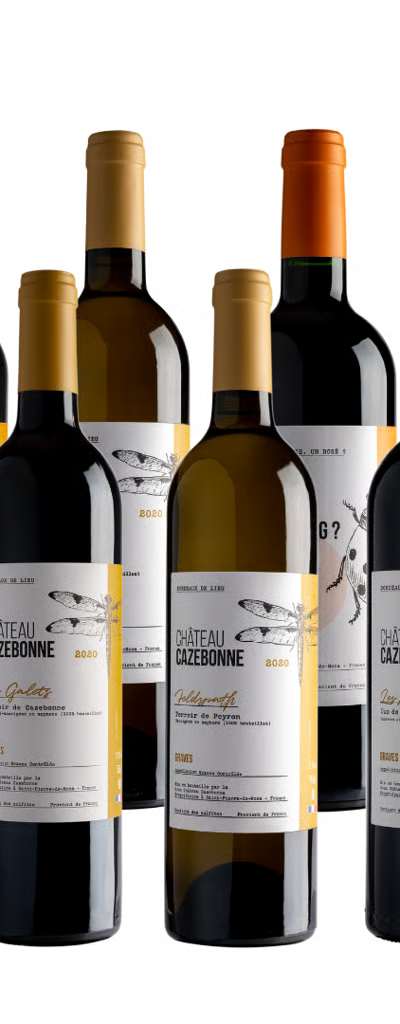
12 bottles — the whole range
12 bottles, the whole range tasted: the best discovery-to-price ratio.
The complete tour of the estate, in a single case.
I want itThe cellar, forgotten grape varieties and our cuvées, twice a month. 5% off your first order with the code BIENVENUE.