
 The essential
6 × Entre Amis red
6 bottles — Graves red 2022
The best price of the cellar: €12 per bottle delivered.
The everyday red: generous and straight to the point.
I want itHorsetail
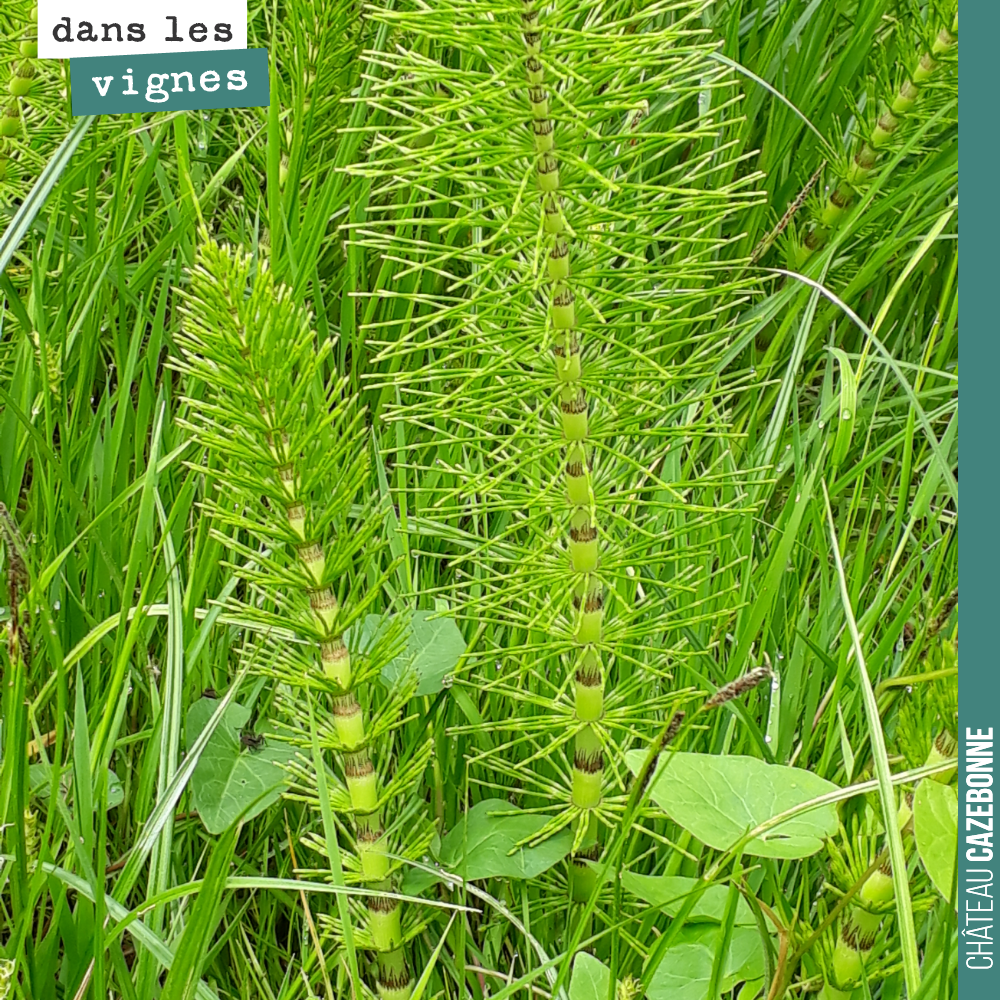
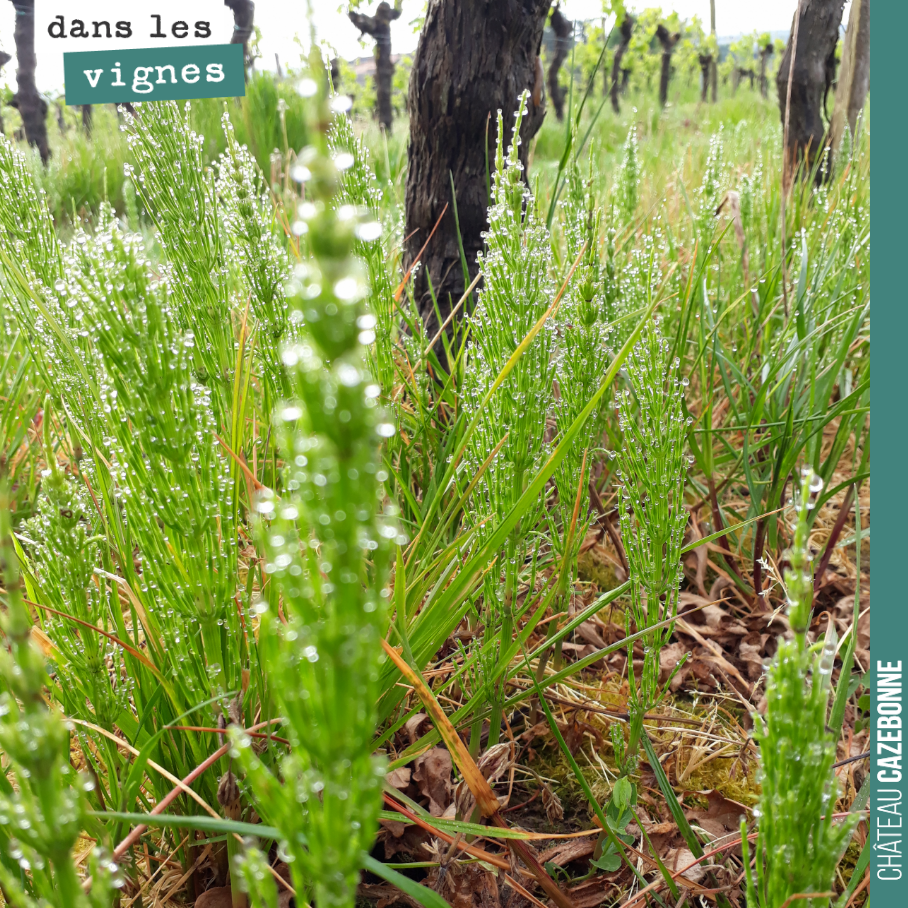
Horsetail, or Equisetum, is a perennial plant belonging to the Equisetaceae family, found in Eurasia and North America. Easily recognisable by its green, hollow, ribbed and jointed stems, it stands with natural elegance. Its silhouette, sometimes compared to a horse's tail, bears witness to its robustness and adaptability, allowing it to reach heights of 30 centimetres to one metre depending on the variety. Beyond its unique appearance, horsetail has long been recognised for its beneficial properties, particularly in organic farming.
Horsetails are vascular plants without flowers or seeds. They reproduce by spores and have underground rhizomes that allow them to spread and persist from one year to the next. They are particularly rich in silica, an essential element for strengthening plant tissues. It is this unique composition that gives horsetail its protective and fortifying virtues, which are especially valuable in the context of environmentally friendly agriculture.
The use of horsetail in viticulture is part of a preventive approach against various fungal diseases, foremost among them downy mildew. Thanks to its high silica content, horsetail helps to strengthen the cell walls of the vines, making them less vulnerable to pathogen attacks. It acts as a genuine natural shield, stimulating the plant's intrinsic defence mechanisms and reducing the need for synthetic plant protection products. This approach contributes to better biodiversity and the overall health of the vineyard.
The effectiveness of horsetail is maximised when applied preventively at key moments in the vine's vegetative cycle. Generally, the first applications take place as early as bud break and continue until bunch closure. Regular treatments, spaced 7 to 15 days apart depending on disease pressure and weather conditions, ensure continuous protection. At Château Cazebonne, these applications are fully integrated into our calendar of vineyard work, tailored to our biodynamic approach.
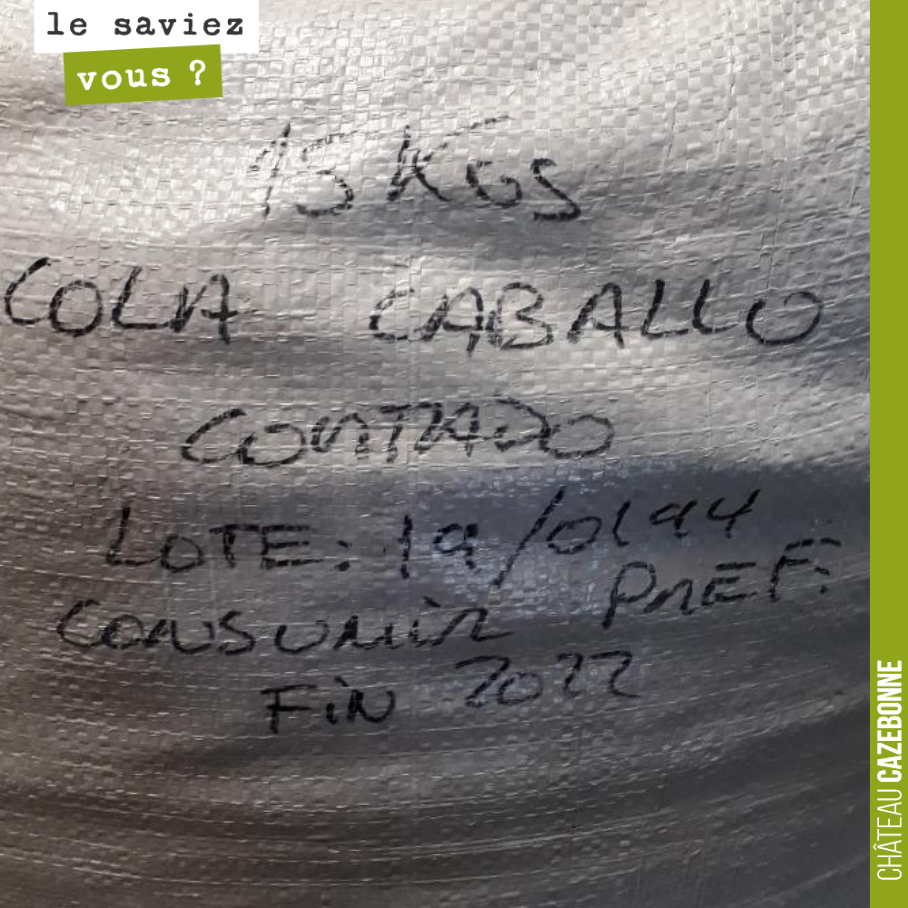
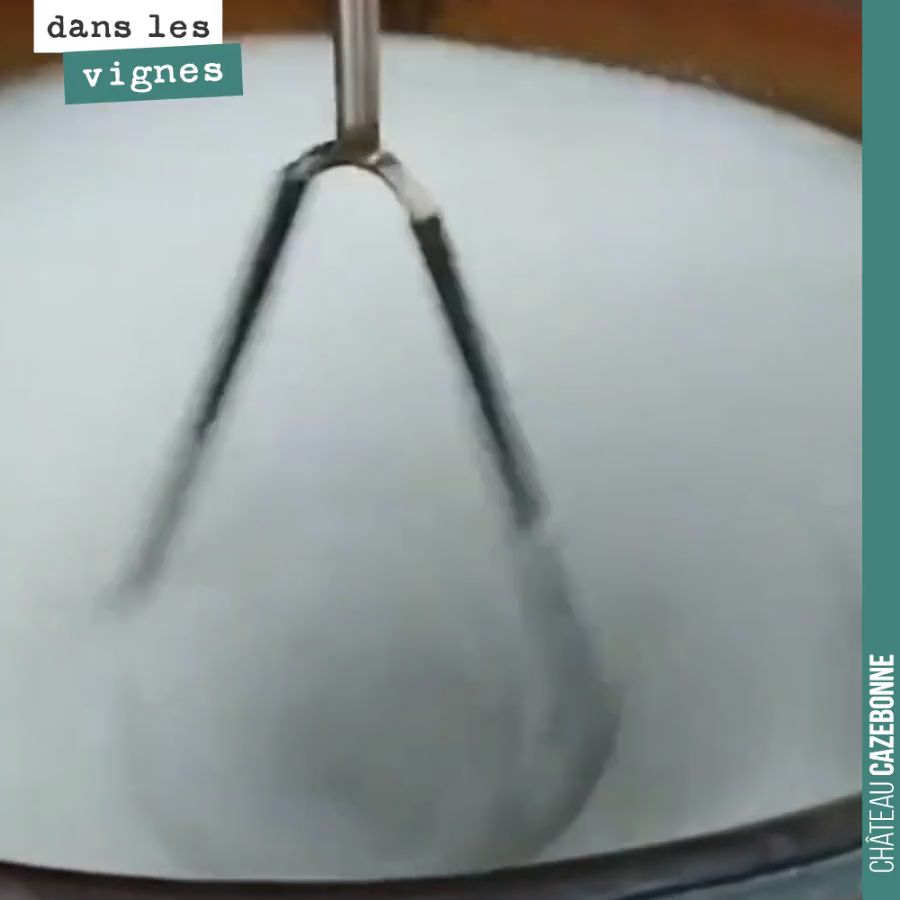
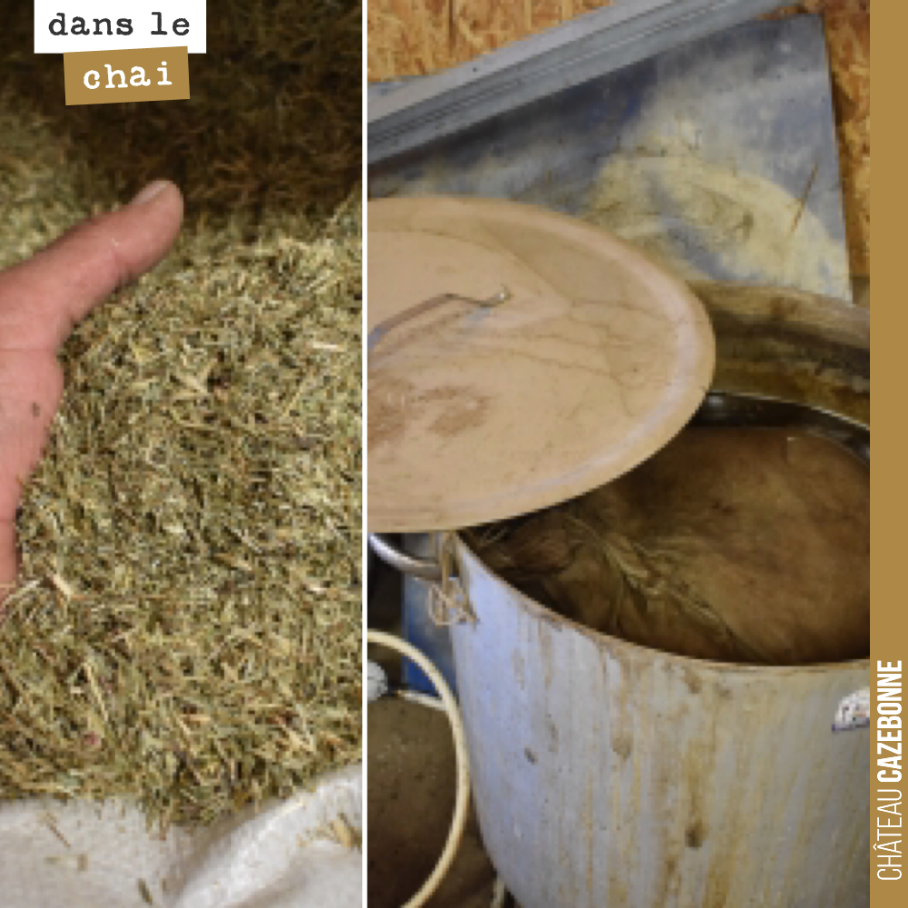
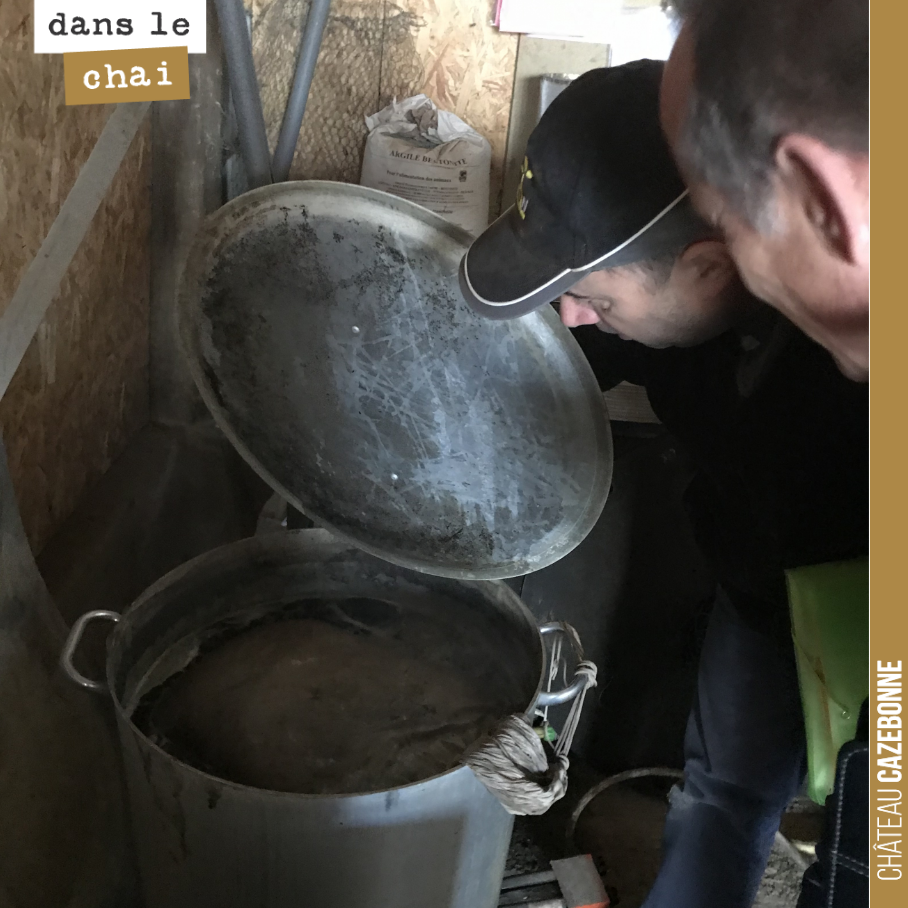
Horsetail is most often used in the form of a tea, an aqueous extract obtained by maceration or decoction. The steps are as follows:
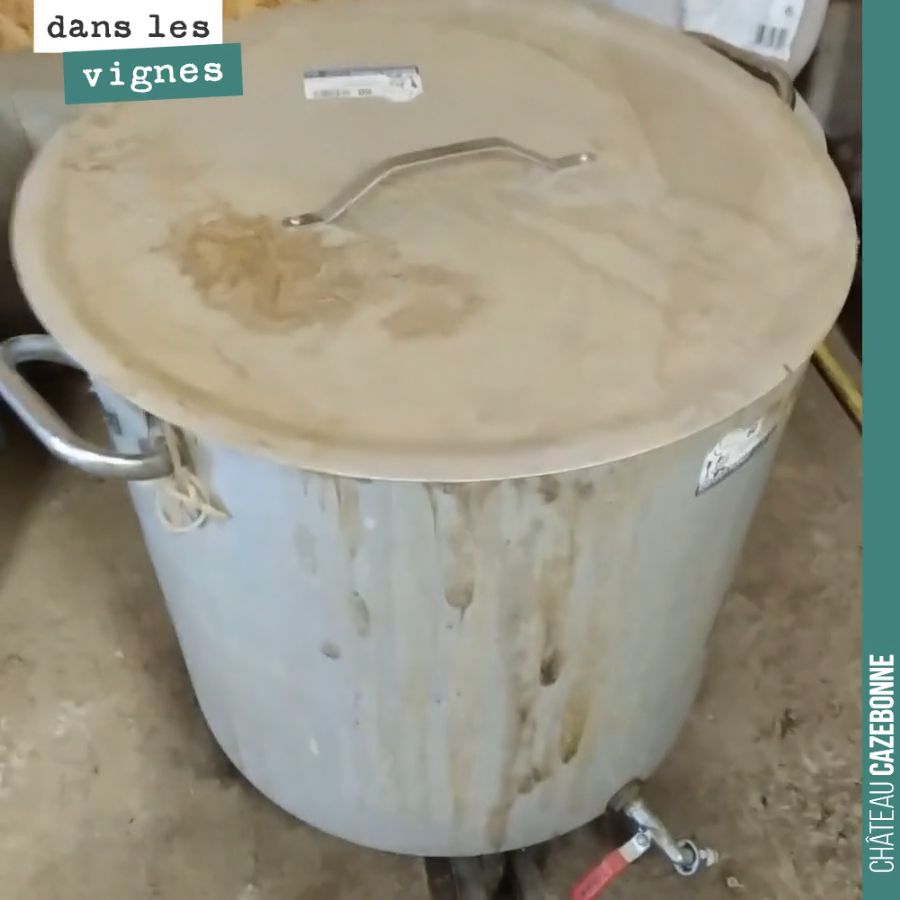
To prepare and apply the horsetail tea, the equipment is simple:
At Château Cazebonne, integrating horsetail into our cultivation practices is a concrete example of our commitment to sustainable and organic viticulture. It represents a natural and effective alternative to conventional treatments, aligning with our philosophy of preserving both the soil and the vine. By combining the use of horsetail with other agroecological methods, we promote a natural balance and strengthen the resilience of our vineyard against climatic and health challenges. In doing so, we contribute to the health of our plots and the authentic expression of our Bordeaux terroir.
This meticulous work of preservation and innovation is not limited to our cultivation practices. It also extends to the replanting of forgotten grape varieties, those varieties that created the wealth and diversity of Bordeaux wines before their standardisation. This ambitious project is documented in the book "Bordeaux, une histoire de cépages", which you can download for free. To test your knowledge of the wine world and our estate, feel free to explore our oenological quizzes, and of course, to discover the unique expression of our terroir through our different cuvées, available now in the Cazebonne boutique. It is thanks to the enthusiasm and unwavering support of all the wine lovers who have embraced our wines and shared our vision that this work is made possible.
Sources
Our suggestions
-5%on your 1st order with code BIENVENUE
The essential6 bottles — Graves red 2022
The best price of the cellar: €12 per bottle delivered.
The everyday red: generous and straight to the point.
I want it Our recommendation92/100 RVF
6 bottles — Graves red 2022, 92/100 RVF
Rated 92/100 by La Revue du vin de France: a solid 10-year ageing potential.
Our Graves for ageing, the finest gateway to the estate.
I want it Go further
12 bottles — the whole range
12 bottles, the whole range tasted: the best discovery-to-price ratio.
The complete tour of the estate, in a single case.
I want it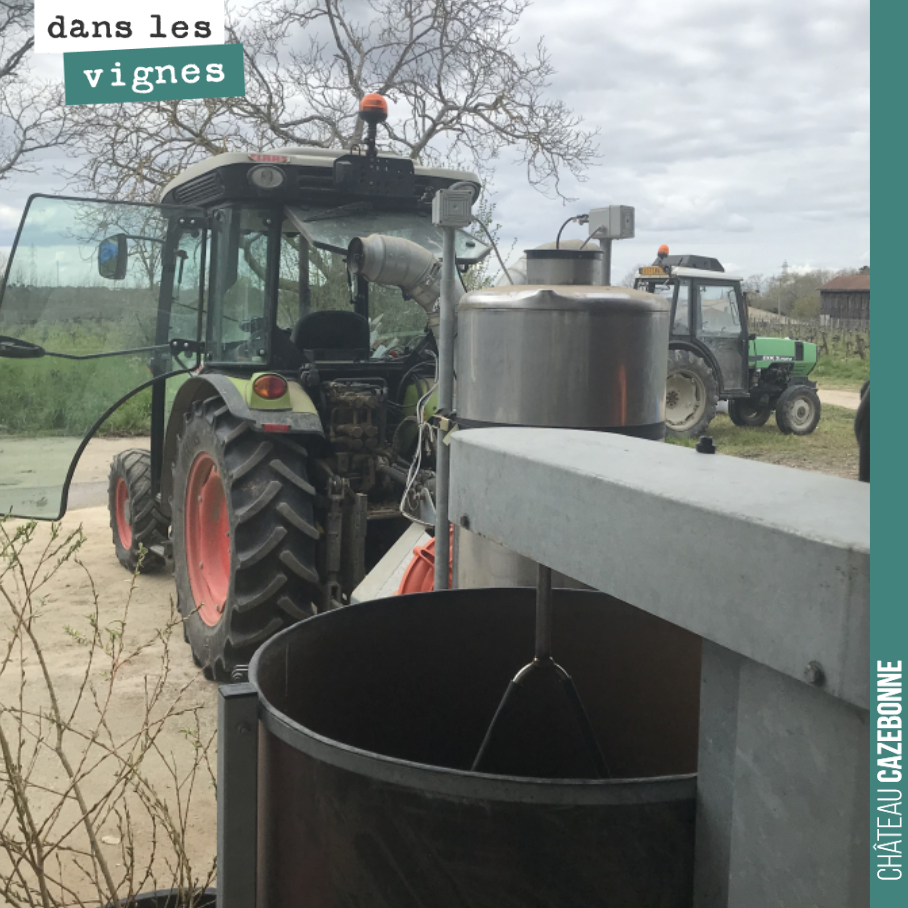
26 March 2021
18 May 2020
23 April 2020
12 April 2020
07 May 2019
16 April 2019
11 April 2019
20 March 2019
The cellar, forgotten grape varieties and our cuvées, twice a month. 5% off your first order with the code BIENVENUE.