
 The essential
6 × Entre Amis red
6 bottles — Graves red 2022
The best price of the cellar: €12 per bottle delivered.
The everyday red: generous and straight to the point.
I want itGrape Hyacinth
In the heart of our organic vineyards, the tassel hyacinth (Muscari comosum), also known as the tufted grape hyacinth, stands discreetly yet with distinct eloquence. Belonging to the Asparagaceae family—and not the Liliaceae, as was once believed—this perennial plant is native to Europe and Asia. Its presence is a valuable bio-indicator of the health and fertility of our soils. Standing 10 to 15 cm high, it is distinguished by its linear leaves and spectacular inflorescence: a dense raceme of deep violet-blue flowers topped with a plume of paler sterile flowers, reminiscent of a dishevelled tuft of hair.
The tassel hyacinth is far more than just a pretty wild flower. Its fine, deep root system actively improves soil structure, promoting aeration and porosity. It thus contributes to better water infiltration—essential for the vines—and helps prevent soil erosion. Its spring flowering, often early in the season, provides a welcome source of nectar for the first bees and other pollinating insects essential to our vineyard ecosystem's biodiversity. It serves as an important link in the food chain, supporting beneficial insects (auxiliary fauna) that act as natural allies in pest control.
Observing the tassel hyacinth between our vine rows is also a reminder that every element of spontaneous flora plays a role in the overall ecosystem balance. It embodies the botanical wealth that we strive to preserve and understand at Château Cazebonne. As Jean-Baptiste Duquesne highlights in his book "Bordeaux, une histoire de cépages", floral diversity is intrinsically linked to soil life and, by extension, to the typicity of our wines. A living soil, rich in microfauna and flora, promises a terroir that can express its full potential, providing our grape varieties with the nutrients and environment they need to thrive.
This respectful approach to nature, where even the smallest hyacinth matters, is reflected in our dedication to reviving almost-extinct Bordeaux grape varieties. At Château Cazebonne, we are replanting forgotten varieties such as Castets, Mancin, and Saint-Macaire. This conservation work of a unique viticultural heritage is made possible thanks to the warm support of wine lovers who have embraced the distinctive profiles of our cuvées. By choosing our wines, you take part in this wonderful journey: safeguarding history and shaping a more diverse and authentic future for wine.
Discover the unique expression of our terroirs and revived grape varieties by visiting the Cazebonne online shop.
To learn more about Bordeaux’s ancestral grape varieties and our philosophy, we also invite you to download the digital edition of the book "Bordeaux, une histoire de cépages", published by Éditions BBD and written by Jean-Baptiste Duquesne.
With its early flowering, the tassel hyacinth is a valuable indicator for the winegrower. Its presence signals not only healthy soil, but also an active contribution to the vineyard ecosystem, particularly by enhancing biodiversity. This understated plant, blessed with numerous benefits, demonstrates the importance of paying attention to the entire vineyard flora to understand the complex interactions at play. It contributes to the natural balance of our parcels—a cornerstone of viticultural agroecology. By nurturing this environmental awareness, encompassing vineyard insects as well as wild plants such as the star of Bethlehem, Château Cazebonne is committed to sustainable viticulture. Explore this fundamental work, which is central to our wines, by downloading the digital edition of Jean-Baptiste Duquesne’s book "Bordeaux, une histoire de cépages", testing your knowledge with our wine quizzes, and finding the quintessence of our terroir in our online shop.
Sources
Our suggestions
-5%on your 1st order with code BIENVENUE
The essential6 bottles — Graves red 2022
The best price of the cellar: €12 per bottle delivered.
The everyday red: generous and straight to the point.
I want it Our recommendation92/100 RVF
6 bottles — Graves red 2022, 92/100 RVF
Rated 92/100 by La Revue du vin de France: a solid 10-year ageing potential.
Our Graves for ageing, the finest gateway to the estate.
I want it Go further
12 bottles — the whole range
12 bottles, the whole range tasted: the best discovery-to-price ratio.
The complete tour of the estate, in a single case.
I want it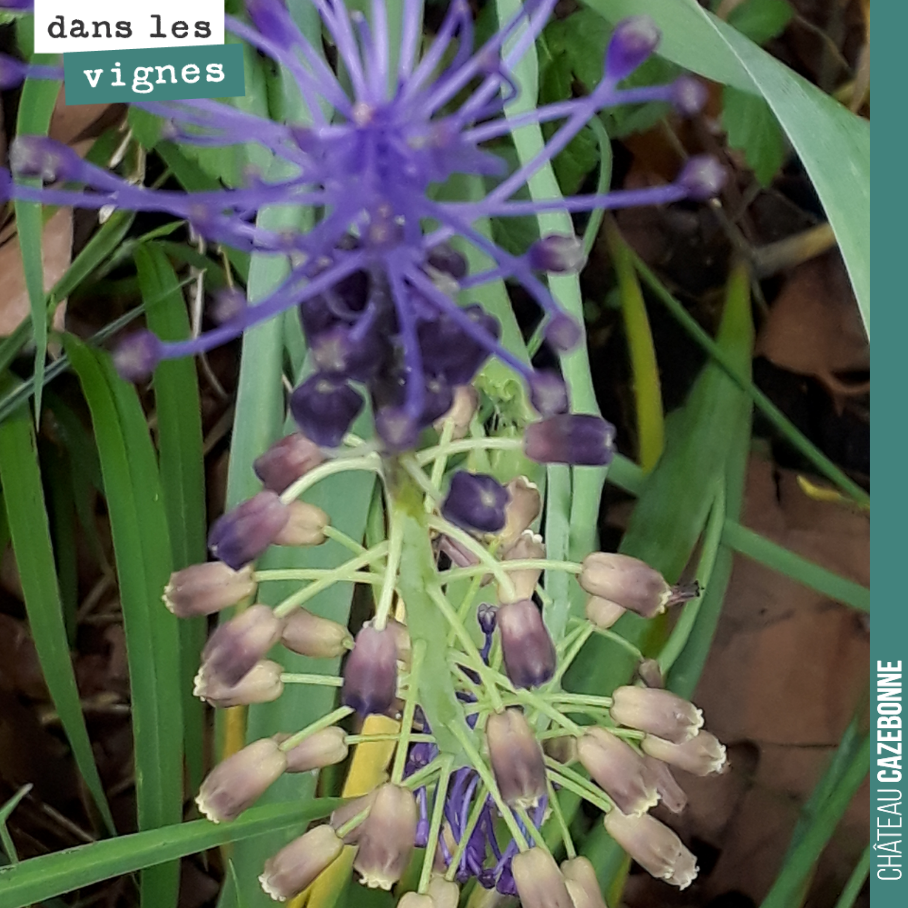
03 June 2020
The cellar, forgotten grape varieties and our cuvées, twice a month. 5% off your first order with the code BIENVENUE.