
 The essential
6 × Entre Amis red
6 bottles — Graves red 2022
The best price of the cellar: €12 per bottle delivered.
The everyday red: generous and straight to the point.
I want itGrafting
The vine, this fascinating plant whose history is so intimately linked to that of humanity and the production of this highly appreciated beverage, has faced immense challenges over the centuries. Among them, the tragic episode of phylloxera, a devastating aphid native to North America, marked a major turning point in global viticulture, and particularly in France, at the end of the 19th century.
Faced with the annihilation of almost all European vineyards, a solution emerged, a true agronomic revolution: grafting. This ancestral technique was revisited and generalised, consisting of joining a European vine part (the scion, which will yield the fruit and grape variety characteristics) onto an American vine root (the rootstock), which is naturally resistant to phylloxera.
This forced symbiosis saved viticulture and allowed the emblematic grape varieties of our regions to endure. It is thanks to this ingenuity and human adaptation that the wines we savour today exist. This marriage between scion and rootstock is not just a simple technique; it is the foundation of modern viticulture, a proof of resilience and innovation in the face of adversity.
Vine grafting is a horticultural practice that consists of uniting two different plants so that they continue to grow as a single entity. In the viticultural context, it involves joining a scion, part of a vine selected for its fruiting qualities (leaves, buds, fruit), onto a rootstock, generally a vine resistant to diseases or adapted to a specific soil type. Its role is paramount, having literally saved the world's vineyards after the phylloxera crisis.
The main objective of vine grafting is to combine the advantages of two distinct plants. The scion brings the characteristics of the desired grape variety (aromas, flavours, grape colour), while the rootstock confers essential properties such as resistance to certain soil pests (including phylloxera), tolerance to particular soils (limestone, clay, etc.), or better adaptation to the climate. This synergy optimises wine production and quality.
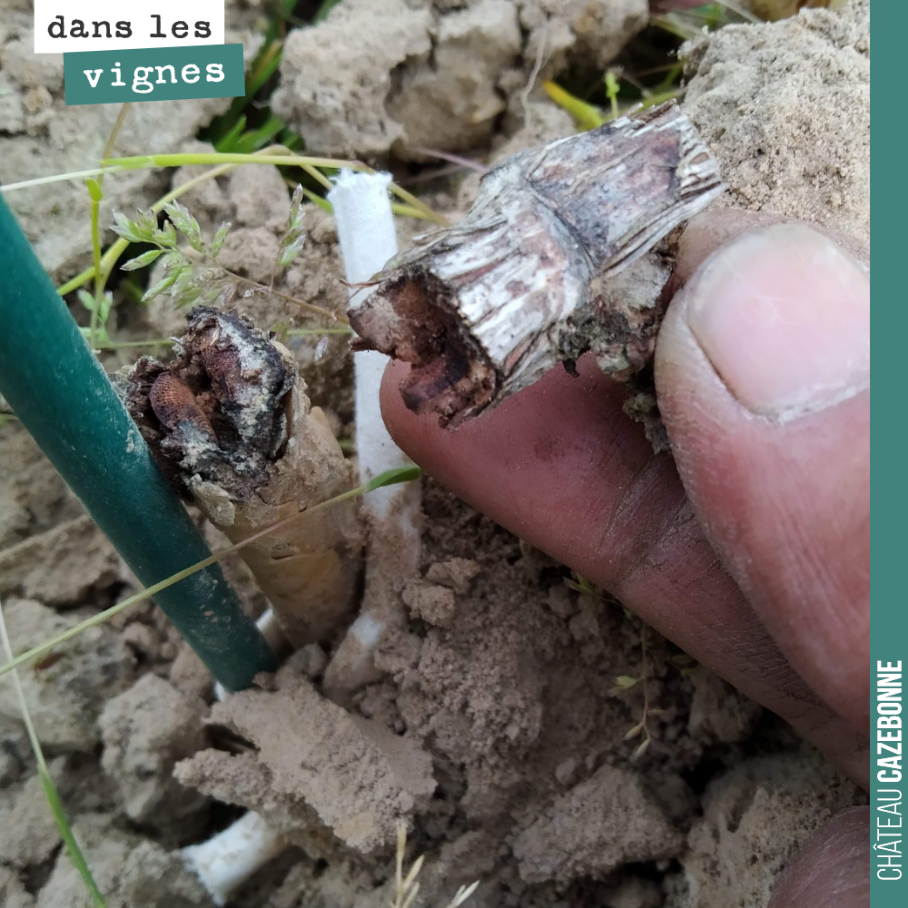
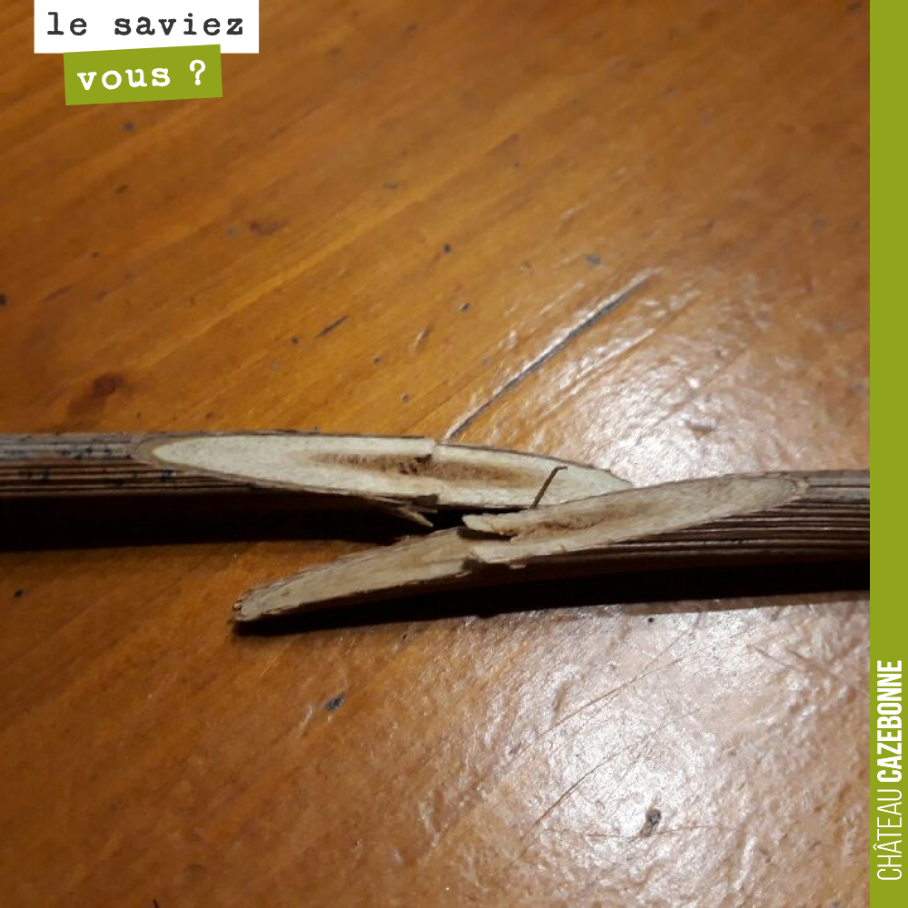
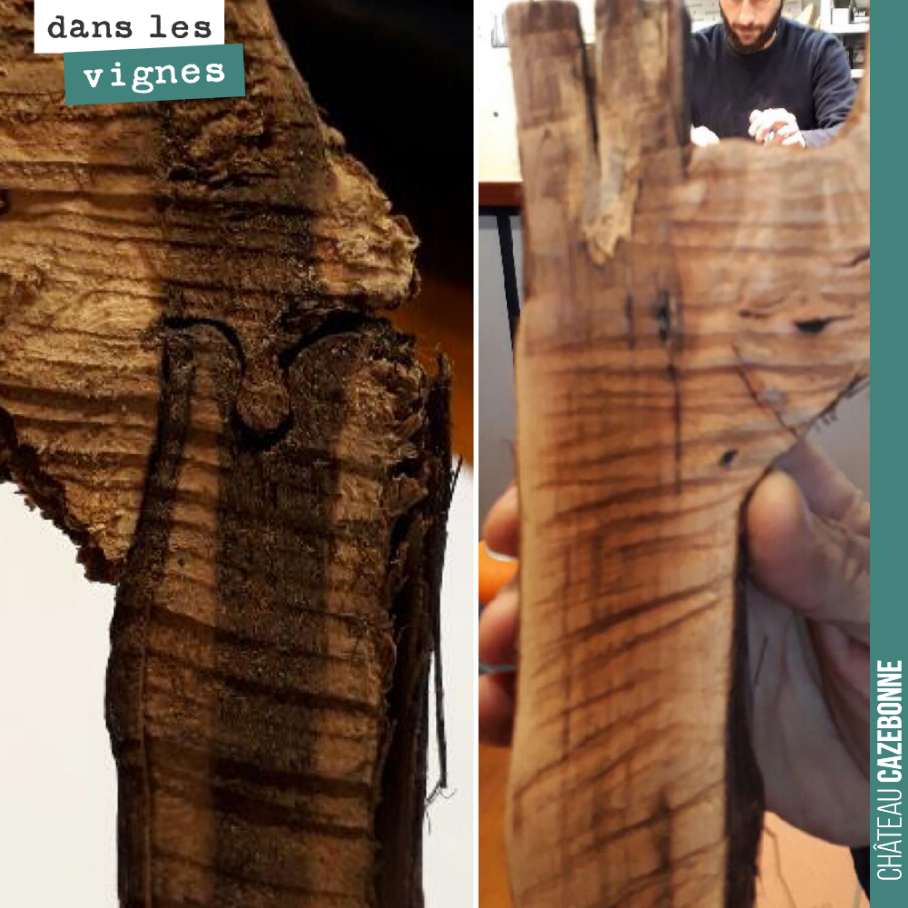
Grafting is a delicate operation generally carried out in winter for collecting the scion and in spring (bud burst) for the actual joining. The stages include selecting the wood, pruning the rootstock and scion so they fit perfectly, and binding them. It is crucial to ensure good cambial contact so the tissues can fuse. A common technique is the omega graft, renowned for its robustness. To modify an existing grape variety without uprooting the vines, top-grafting the vine is an effective alternative.
The necessary equipment includes sharp secateurs, specific grafting knives, bindings or grafting ties that will hold the two parts firmly together, and sometimes grafting wax to protect the wound from dehydration and infections. There are several techniques, such as cleft grafting, chip budding or whip and tongue grafting, each adapted to different conditions and objectives.
At Château Cazebonne, we are deeply attached to this history and the rich heritage of our vineyards. Grafting is at the heart of our approach to replanting the forgotten grape varieties of Bordeaux. We carefully select our rootstocks for their adaptation to our Graves terroirs, thereby guaranteeing the vigour and longevity of our vines. This meticulous work is essential for reviving varieties that, before the arrival of phylloxera, created the diversity and typicity of our Bordeaux soils.
This revival is made possible by the unwavering support of the many enthusiasts and wine lovers who have embraced our wines and share our vision. Your loyalty allows us to revive an exceptional viticultural heritage. To deepen your knowledge of the fascinating history of Bordeaux grape varieties, we invite you to receive the free digital version of the book "Bordeaux, une histoire de cépages" by visiting our dedicated page. You can also test your oenological knowledge with our quizzes and discover all our cuvées available for purchase on our online shop.
Our suggestions
-5%on your 1st order with code BIENVENUE
The essential6 bottles — Graves red 2022
The best price of the cellar: €12 per bottle delivered.
The everyday red: generous and straight to the point.
I want it Our recommendation92/100 RVF
6 bottles — Graves red 2022, 92/100 RVF
Rated 92/100 by La Revue du vin de France: a solid 10-year ageing potential.
Our Graves for ageing, the finest gateway to the estate.
I want it Go further
12 bottles — the whole range
12 bottles, the whole range tasted: the best discovery-to-price ratio.
The complete tour of the estate, in a single case.
I want it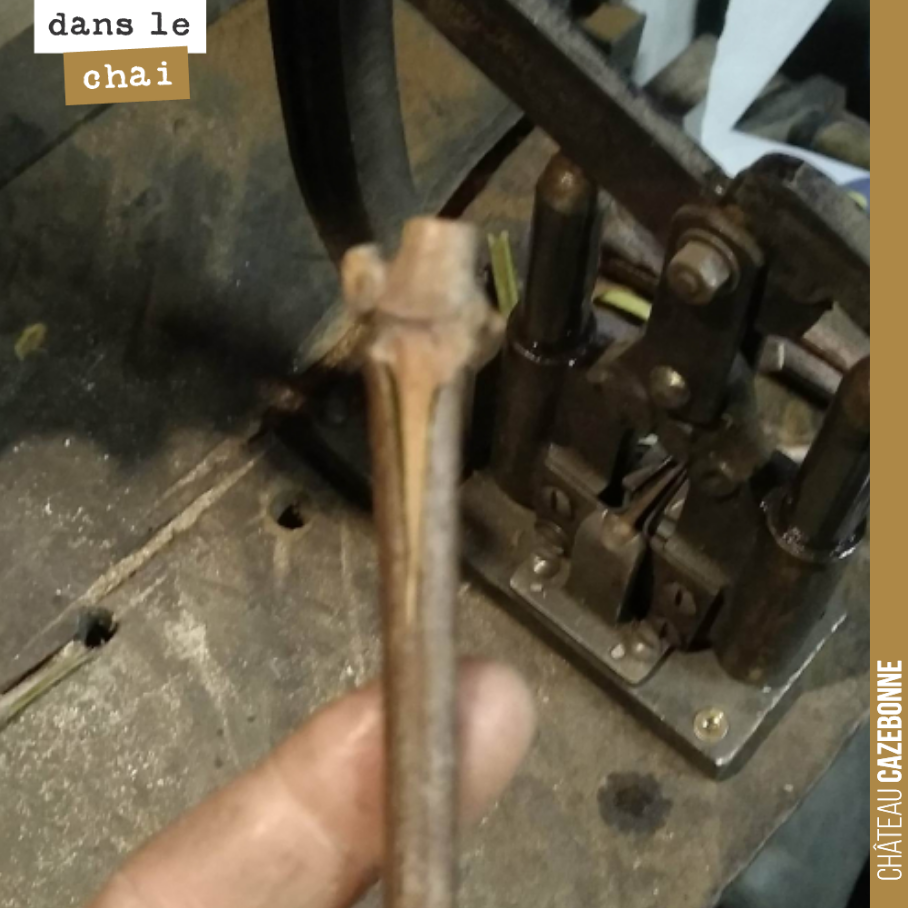
13 March 2021
23 April 2019
30 December 2018
29 December 2018
22 December 2018
21 December 2018
22 June 2018
The cellar, forgotten grape varieties and our cuvées, twice a month. 5% off your first order with the code BIENVENUE.