
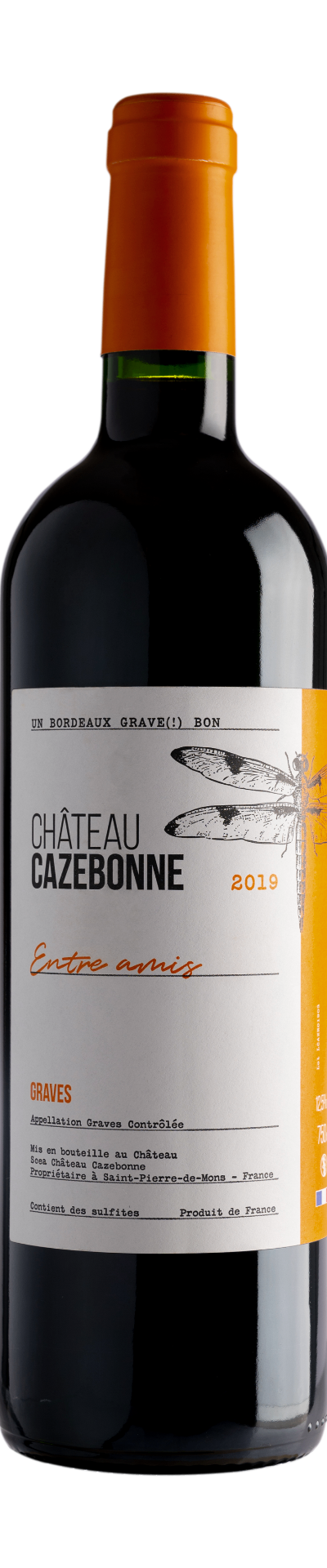
 The essential
6 × Entre Amis red
6 bottles — Graves red 2022
The best price of the cellar: €12 per bottle delivered.
The everyday red: generous and straight to the point.
I want itTop-grafting
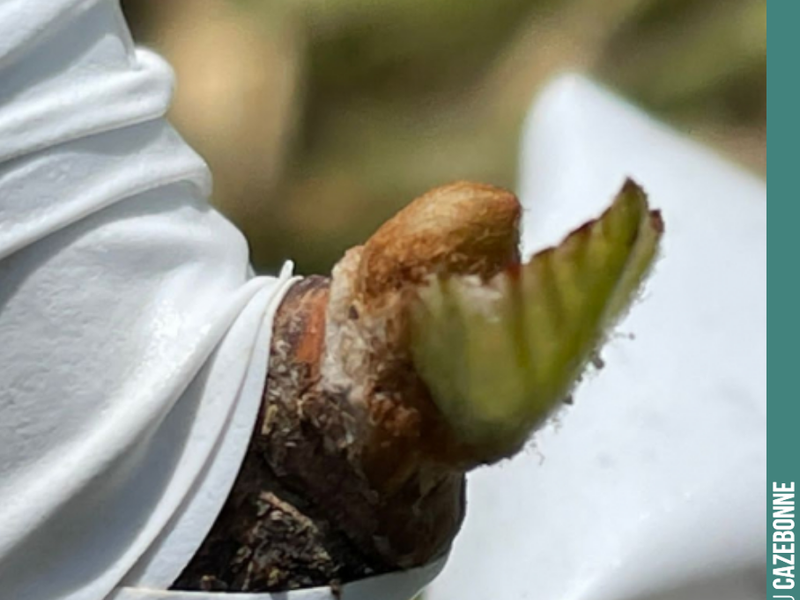
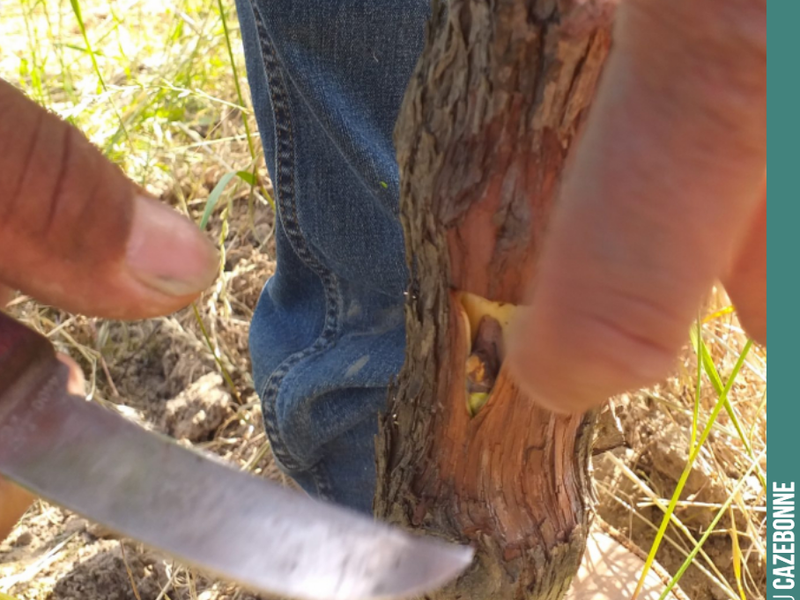
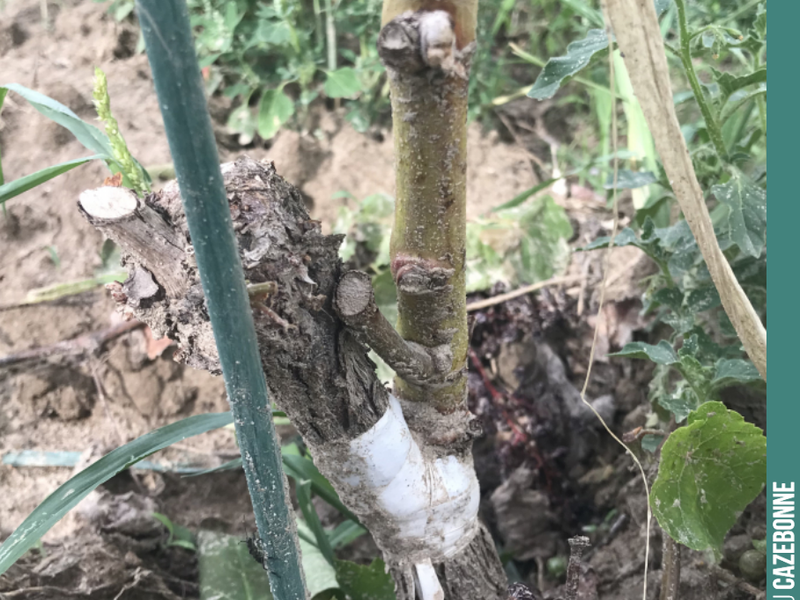
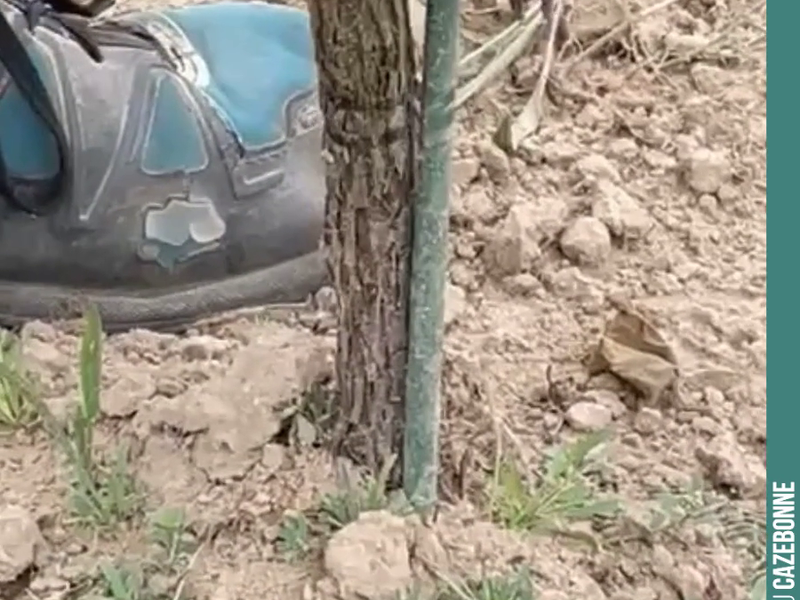
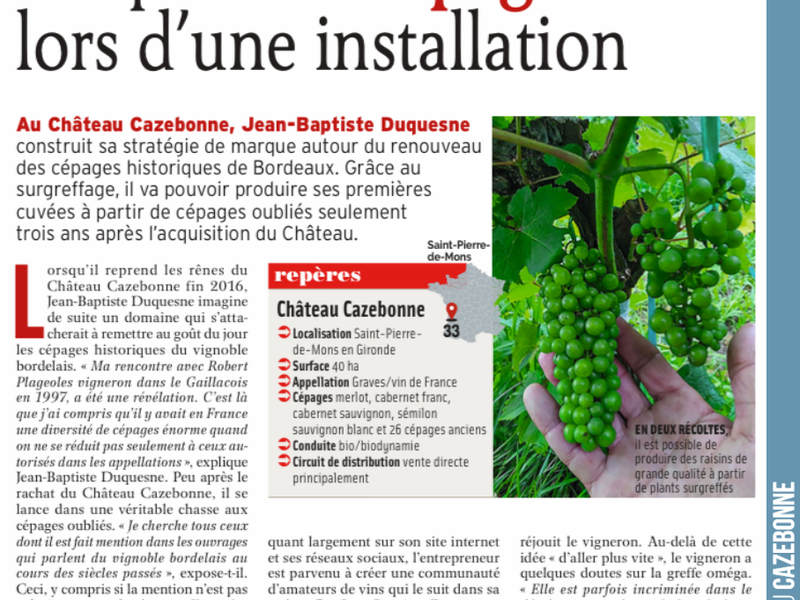
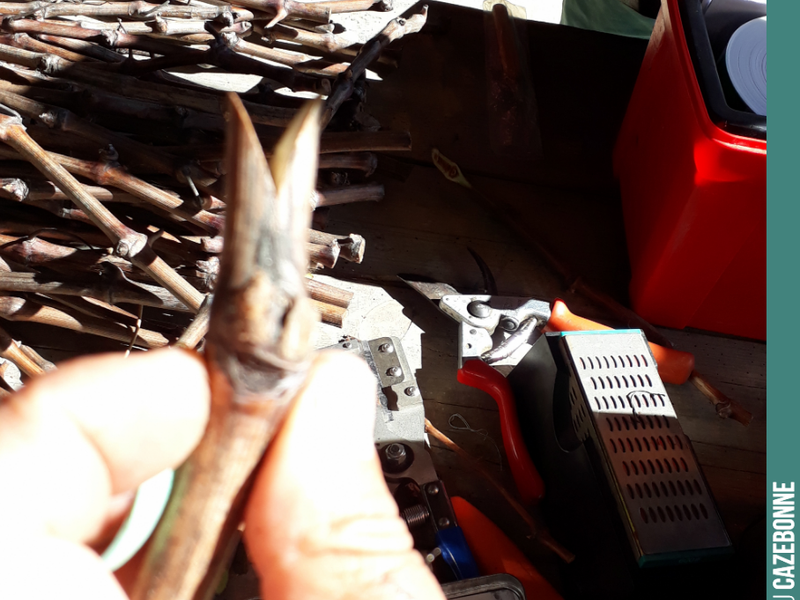
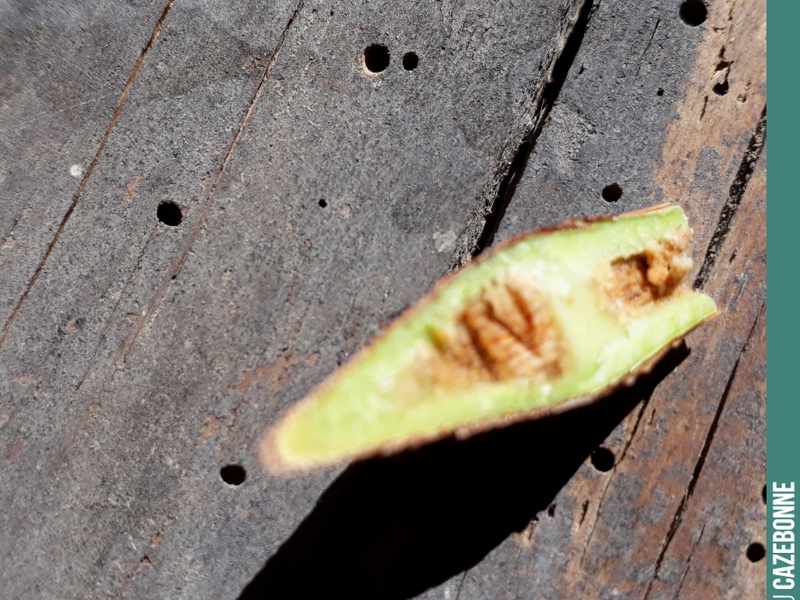
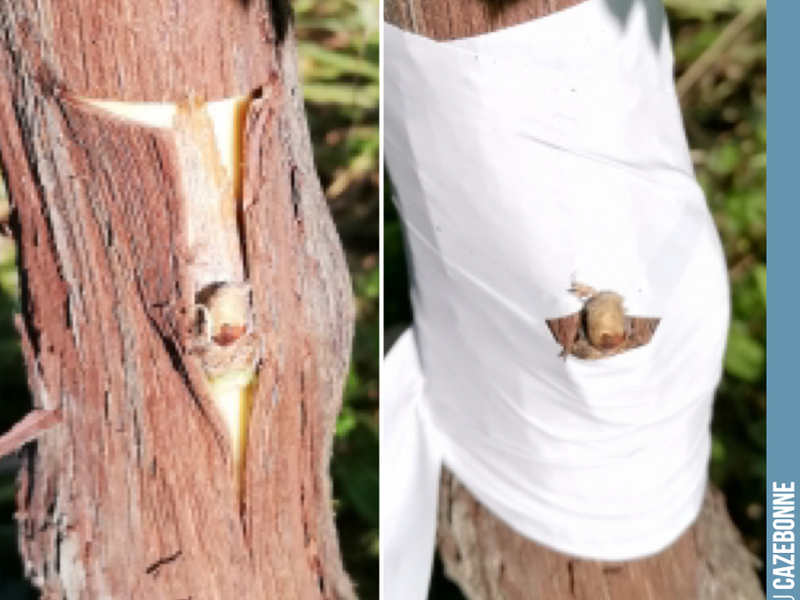
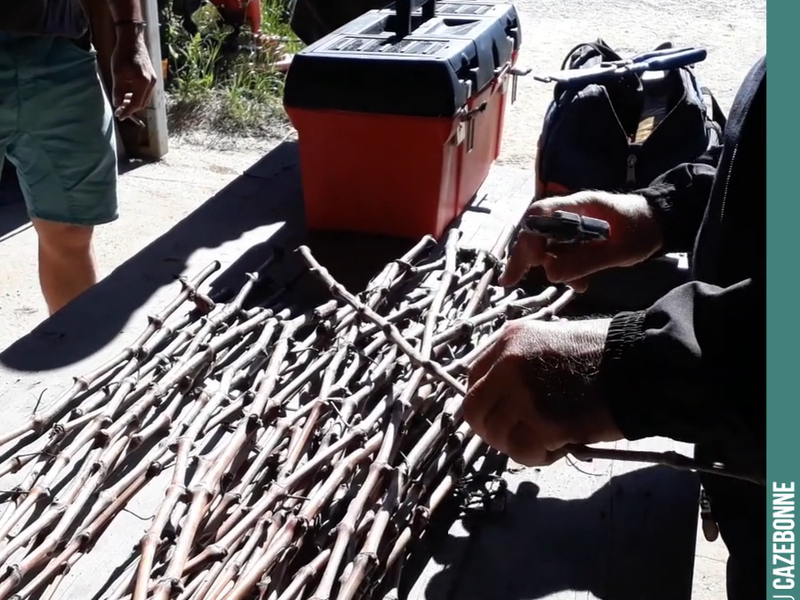
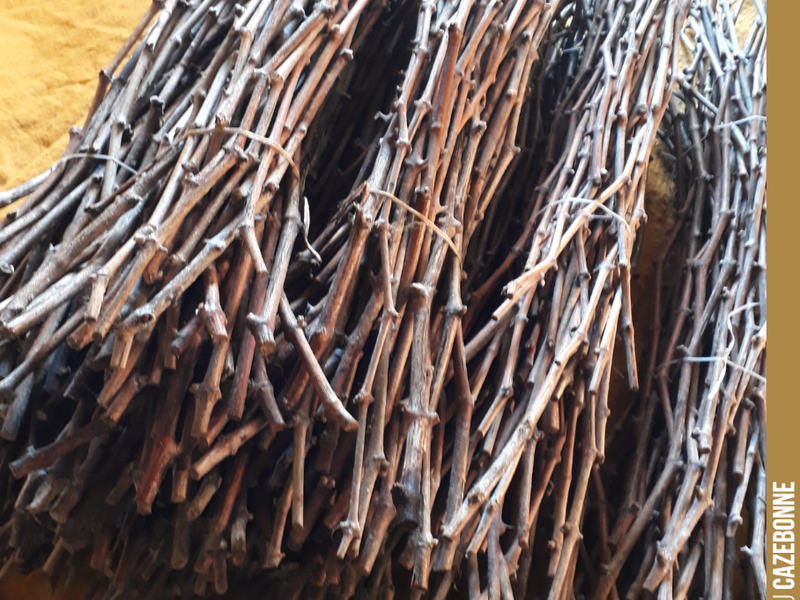
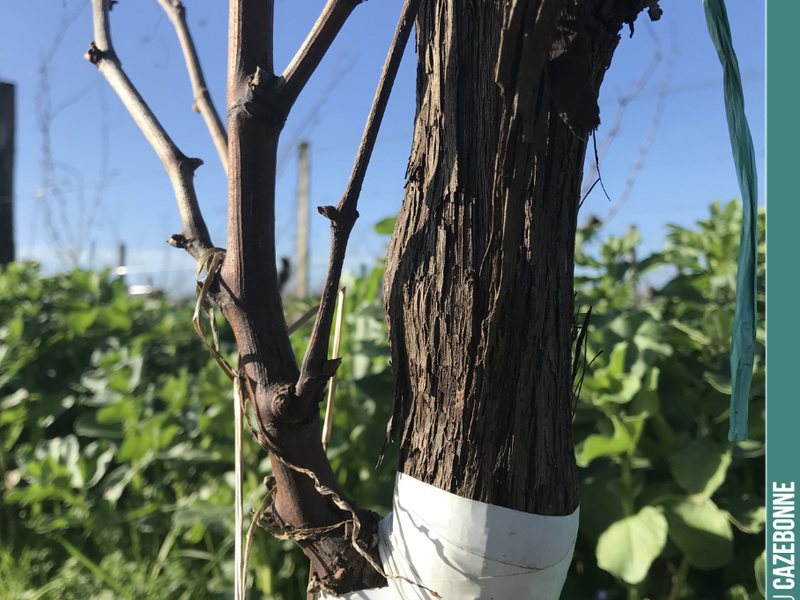
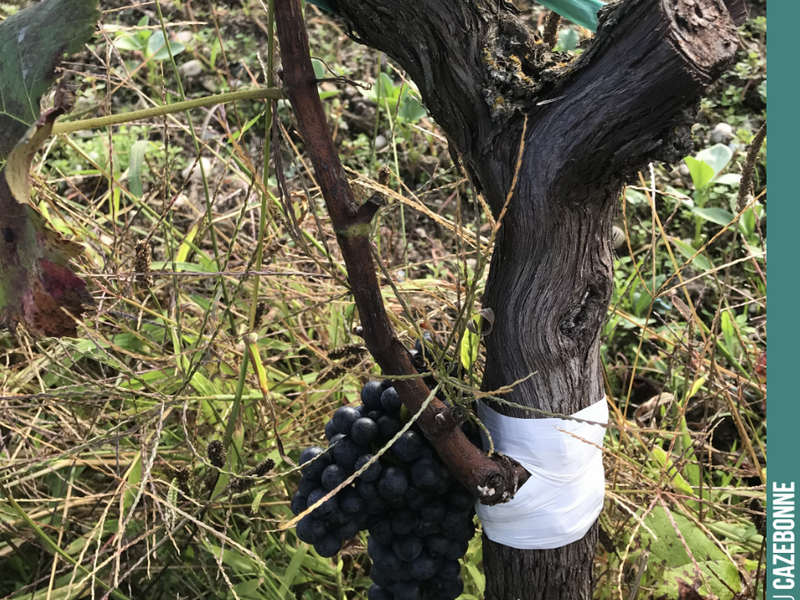
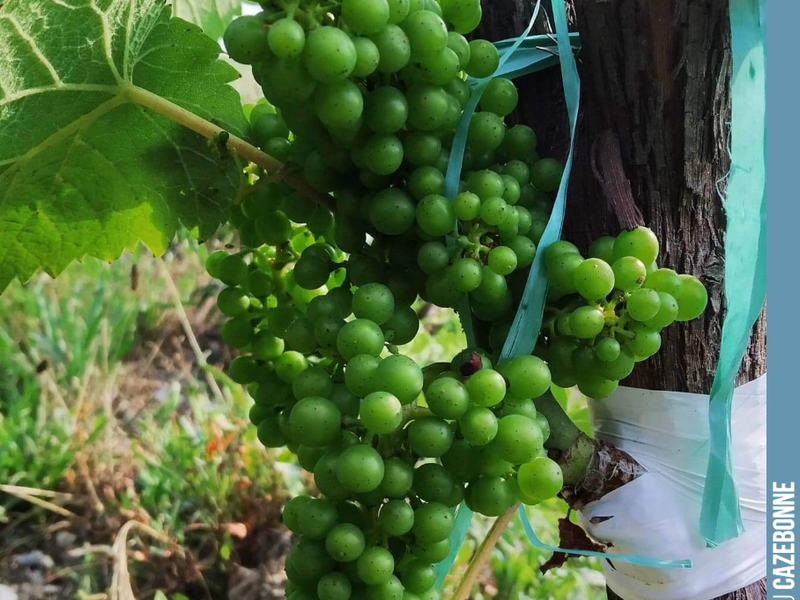
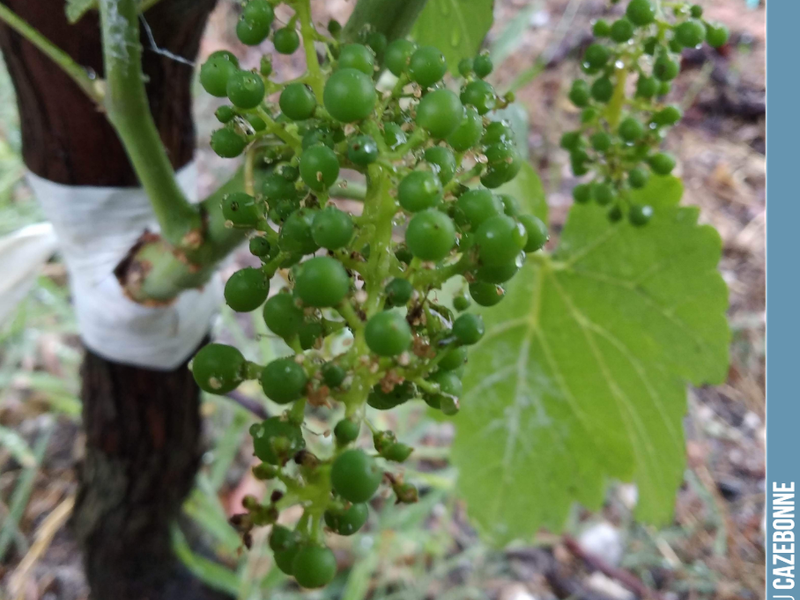
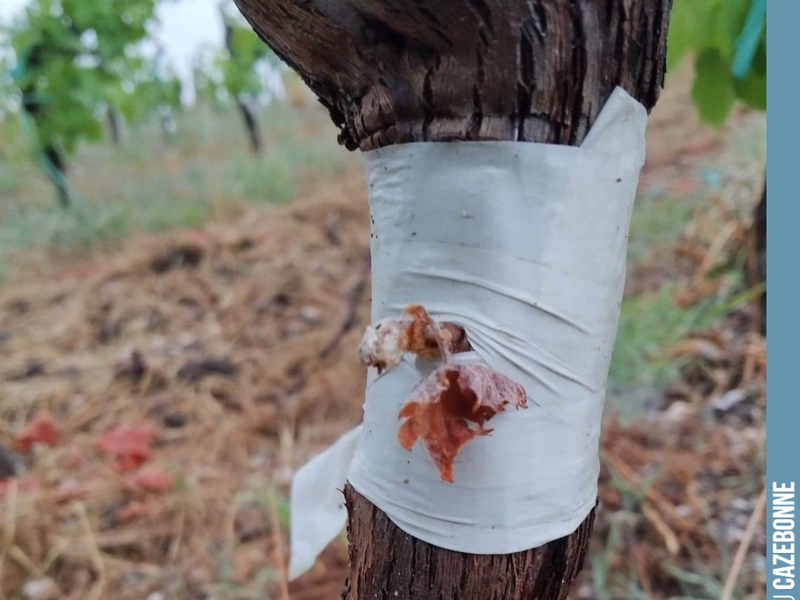
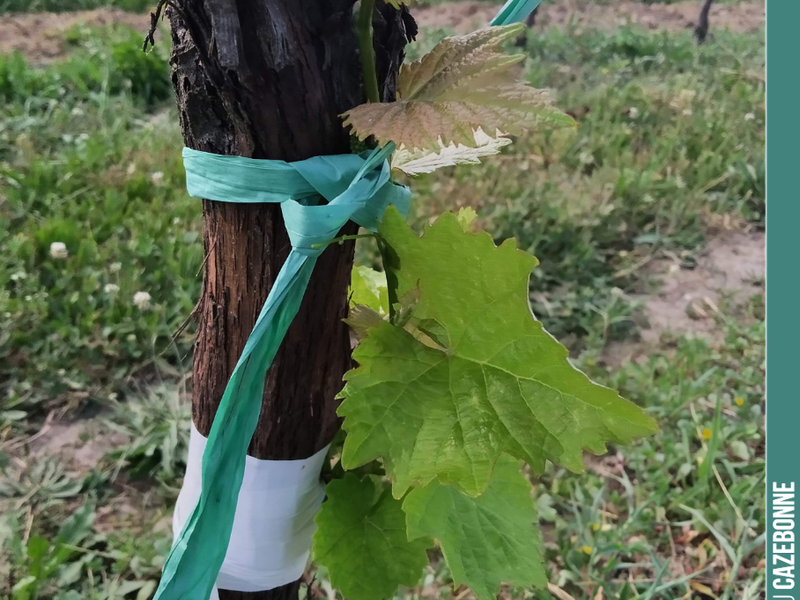
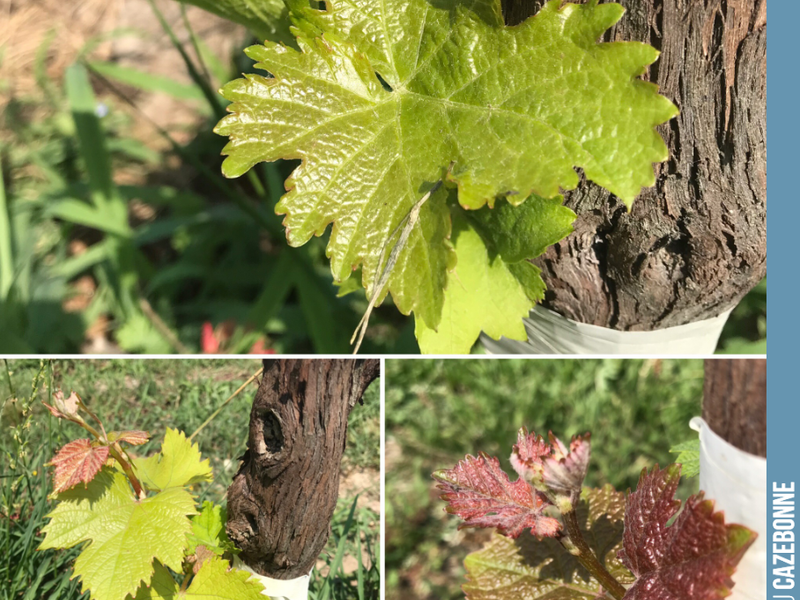
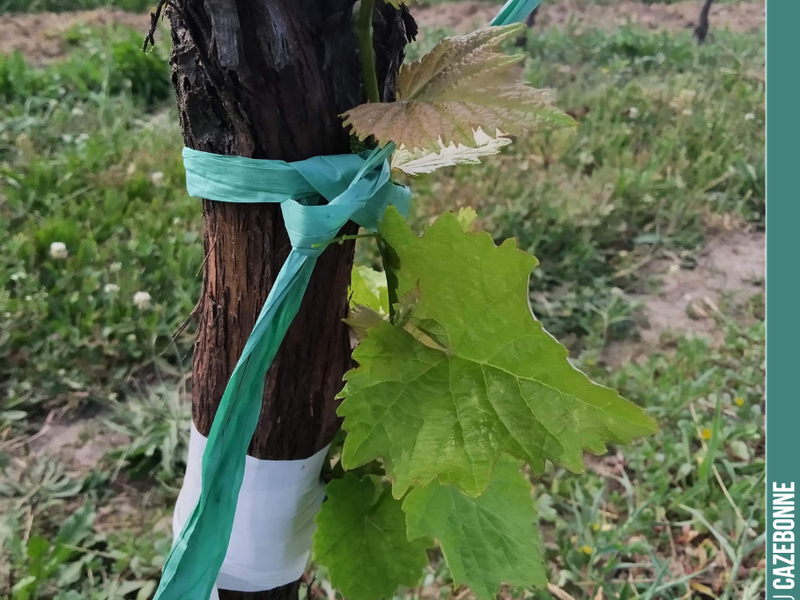
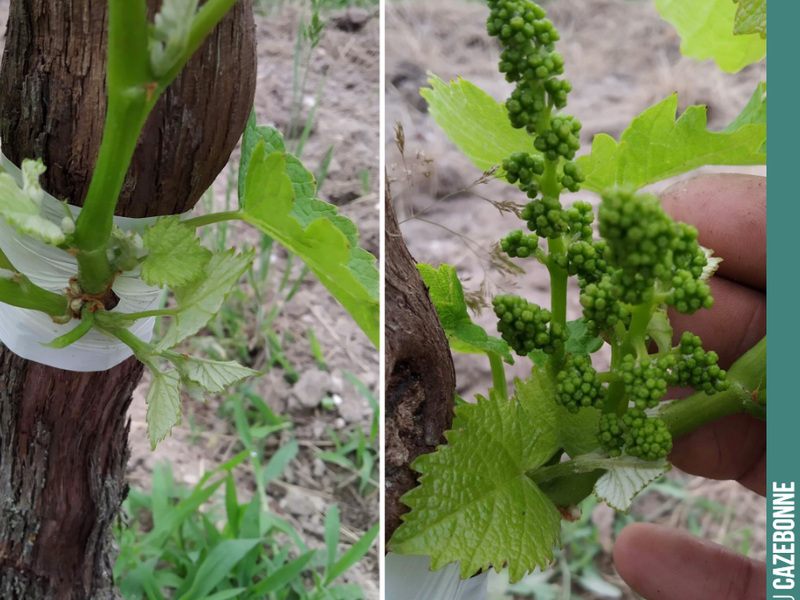
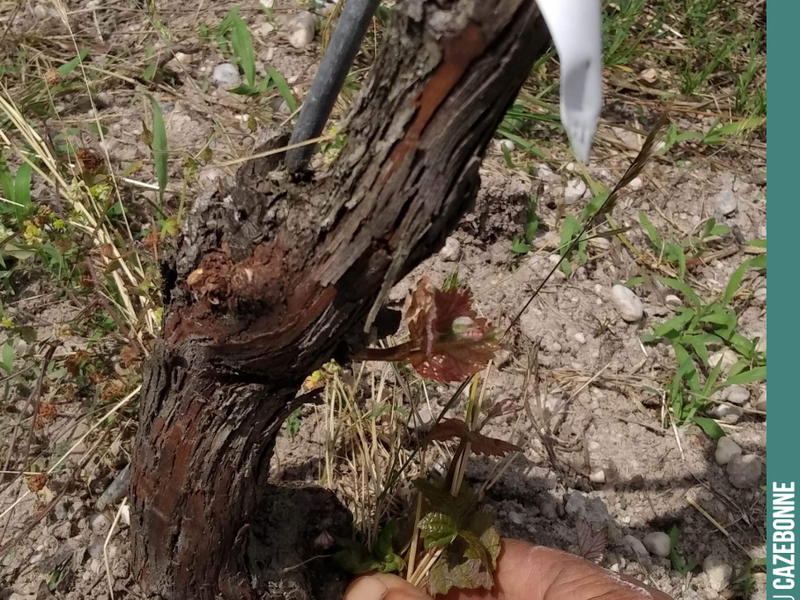
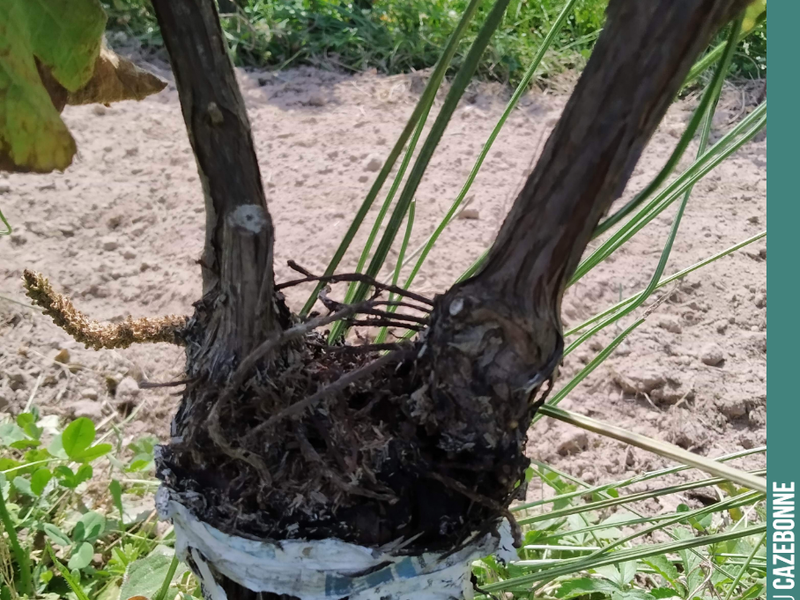
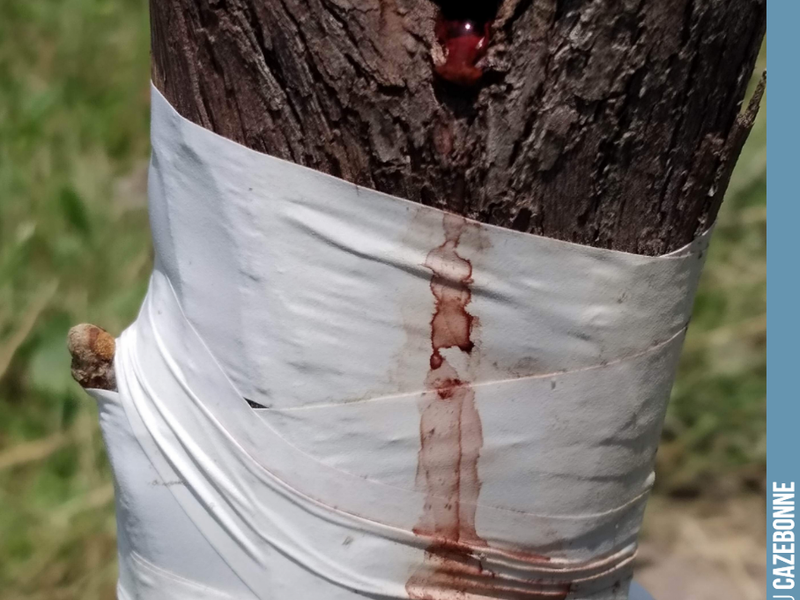
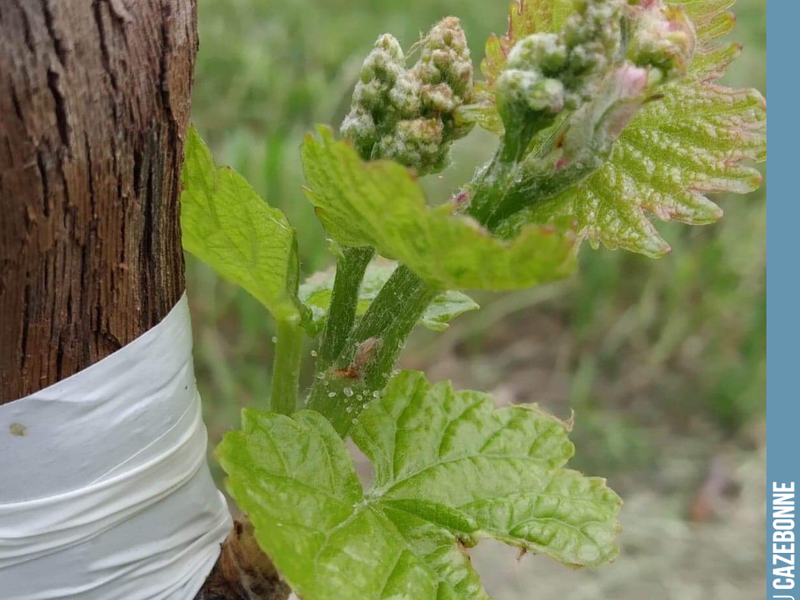
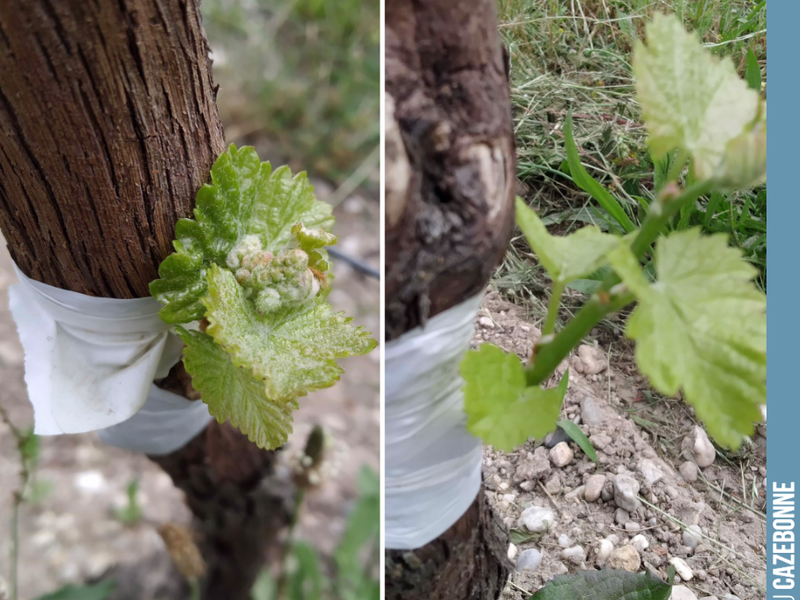
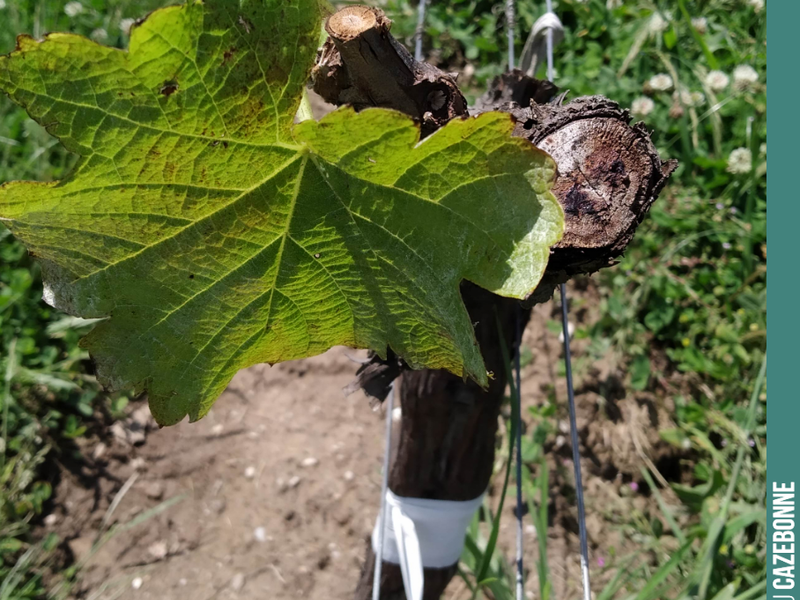
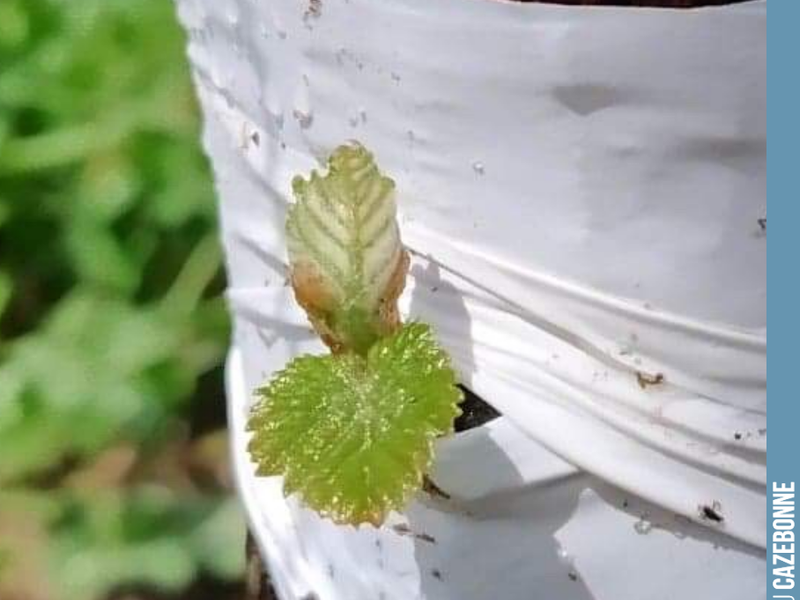
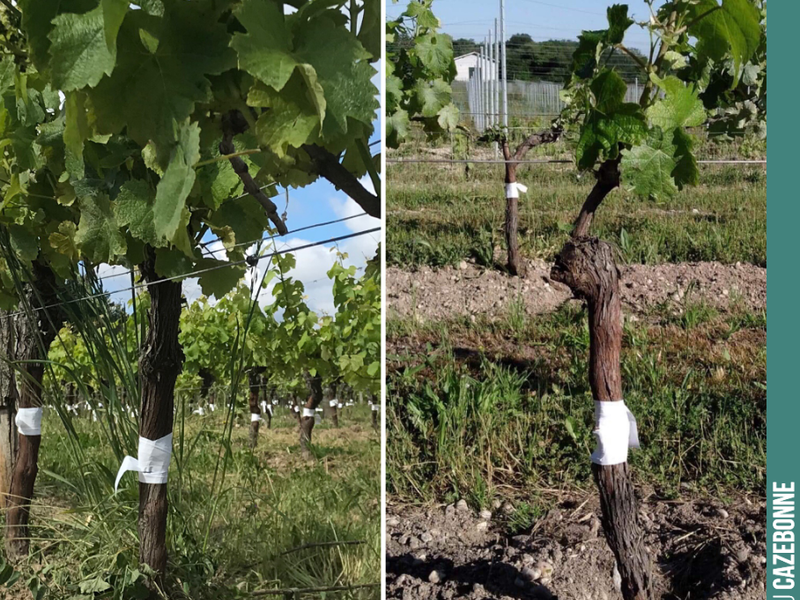
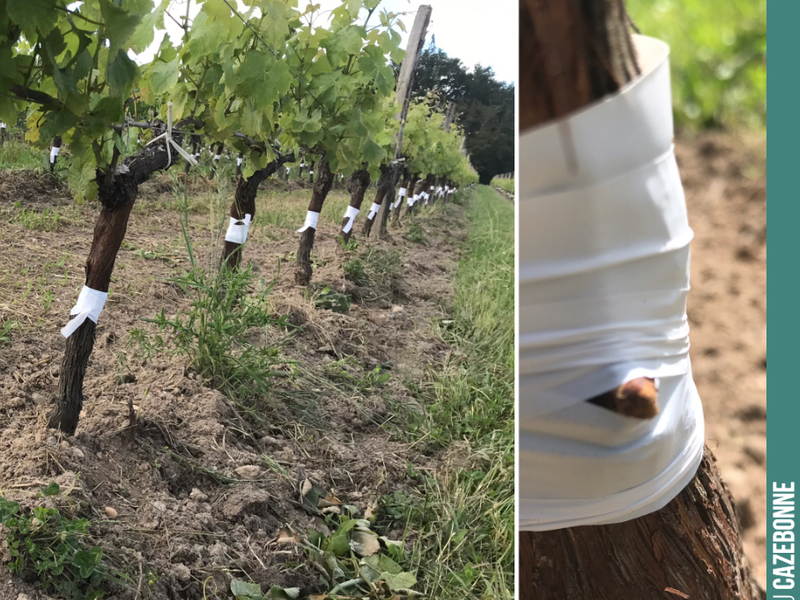
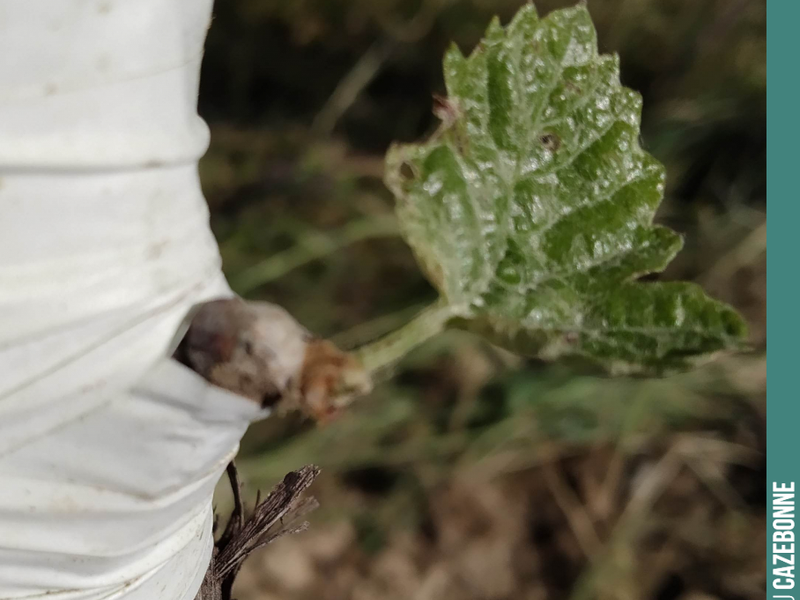
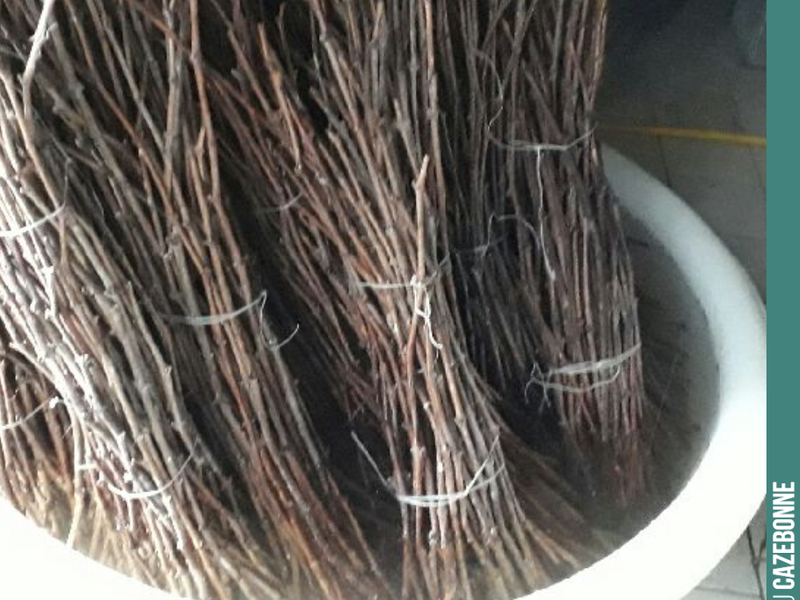
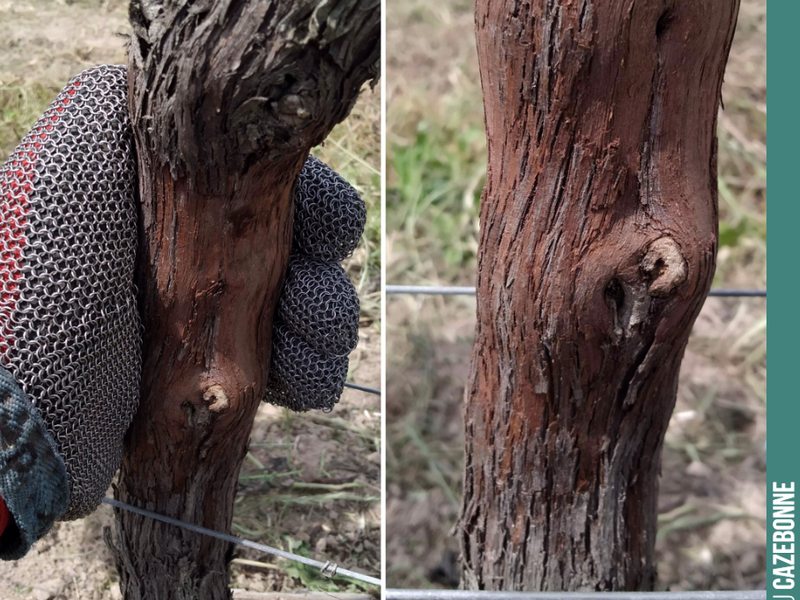
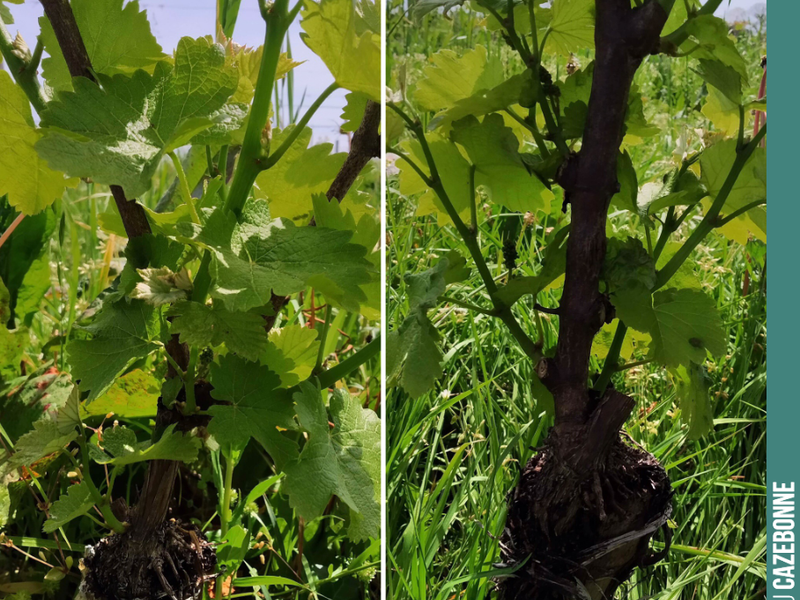
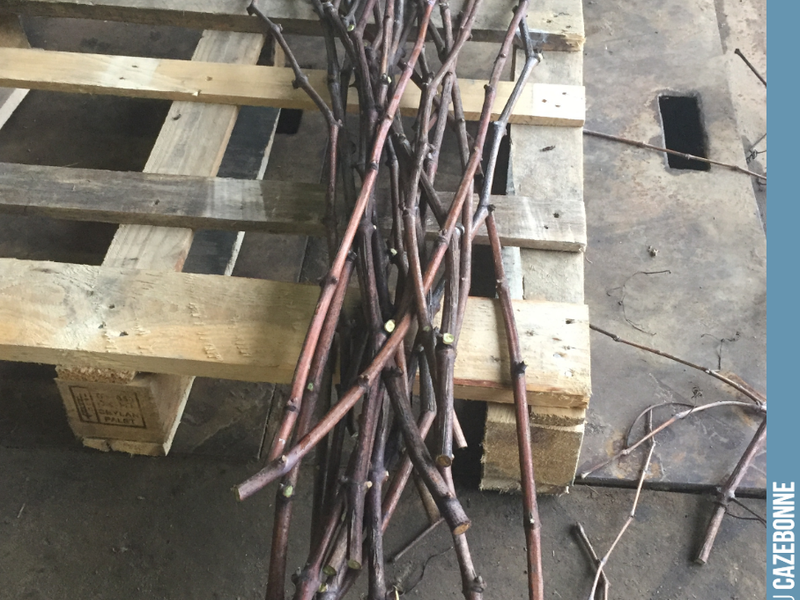
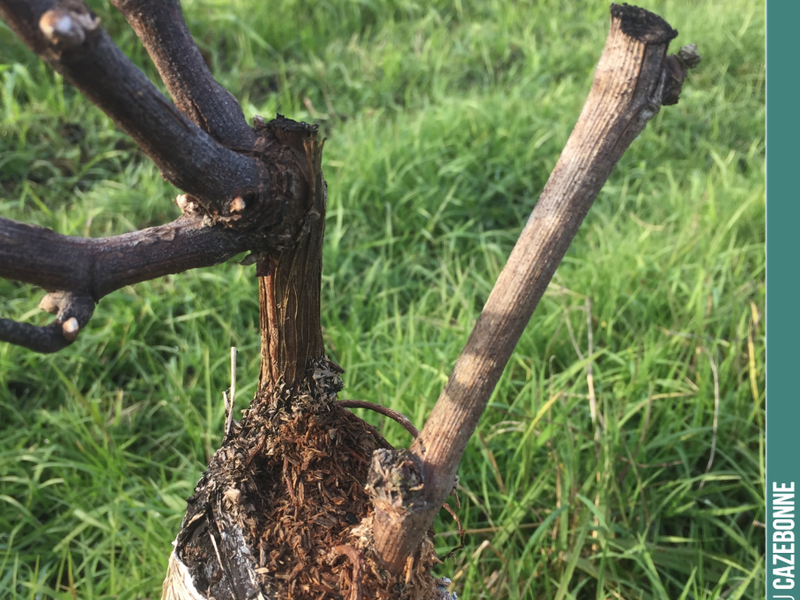
Top-grafting is an ancestral and complex viticultural practice, a true demonstration of the winegrower's expertise. This technique involves changing the grape variety identity of an already established vine, while keeping its existing root system. It is essentially a "field graft", where the aerial part (the scion) is replaced by that of a new grape variety. This method is particularly relevant in the context of vineyard diversification or adaptation.
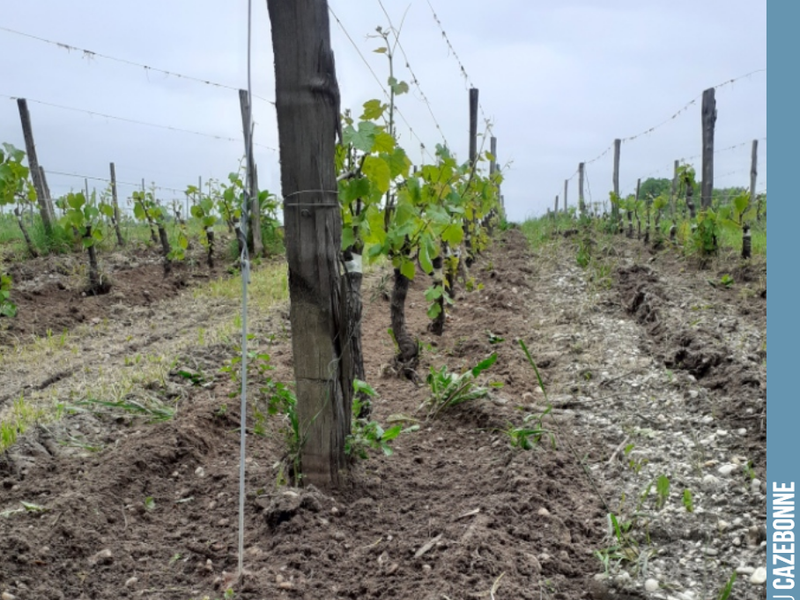
The reasons why a winegrower might choose to top-graft are manifold. The main one is undoubtedly the speed with which a grape variety can be changed, without having to uproot and replant the entire plot. While a new plantation requires several years before entering full production, top-grafting makes it possible to obtain a significant harvest of the new grape variety by the second year. This is a major advantage for responding to market trends, climatic hazards or the desire to experiment with new aromatic expressions.
Furthermore, top-grafting preserves the soil's balance and structure, avoiding the disruption associated with uprooting. The rootstock's root system, already well established, ensures better resistance to diseases and water stress, and provides the new grape variety with a solid foundation for its development.
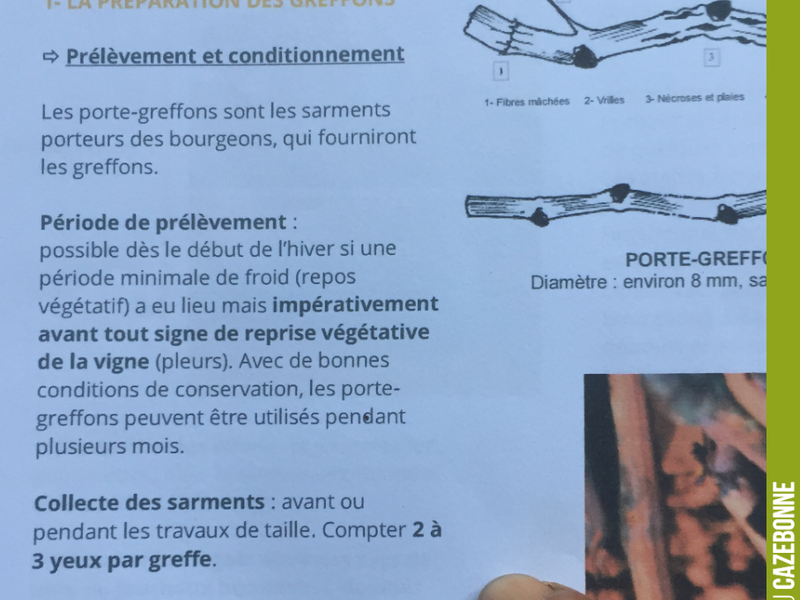
The timing of top-grafting is crucial to the success of the operation. It is generally carried out in spring or early summer, when the vine's sap is fully flowing. This is the ideal moment for the scion to unite effectively with the rootstock. The period from May to July is often preferred, after bud burst and before veraison, as vegetative activity is intense. Top-grafting too late in the season can compromise the recovery and vigour of the new grape variety.
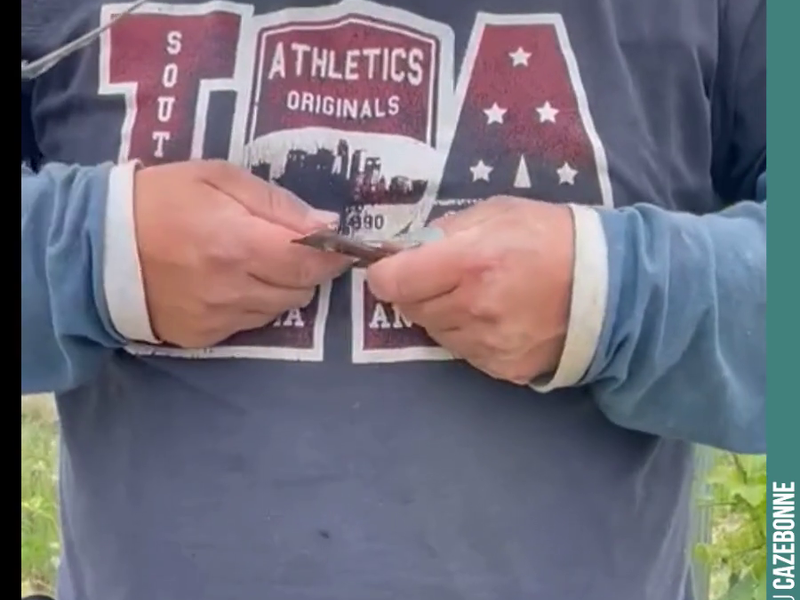
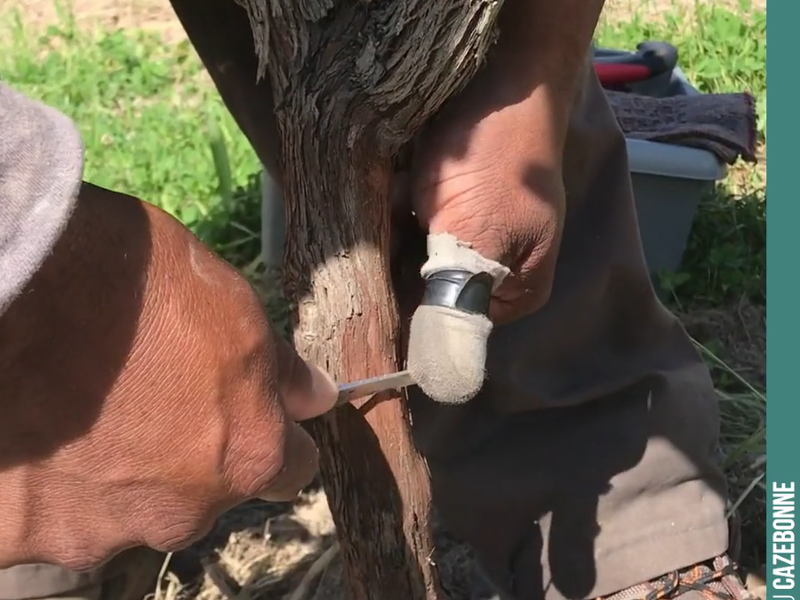
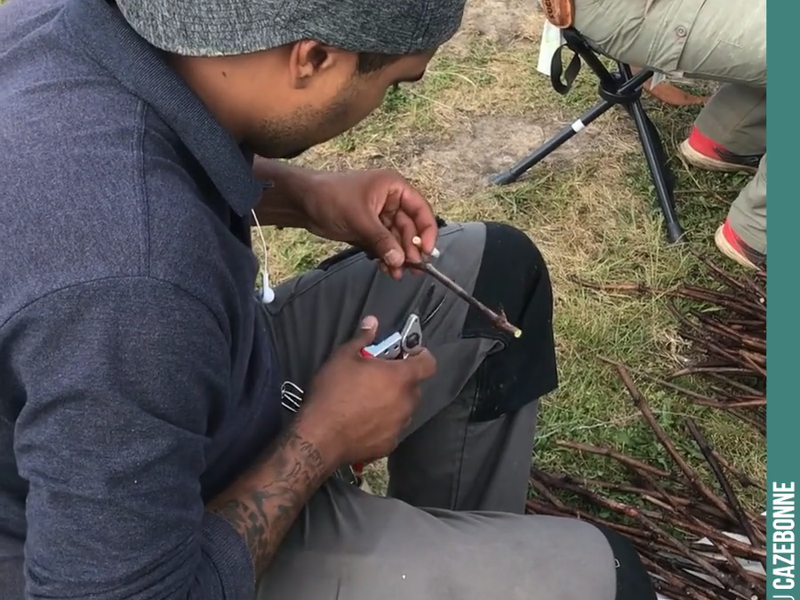
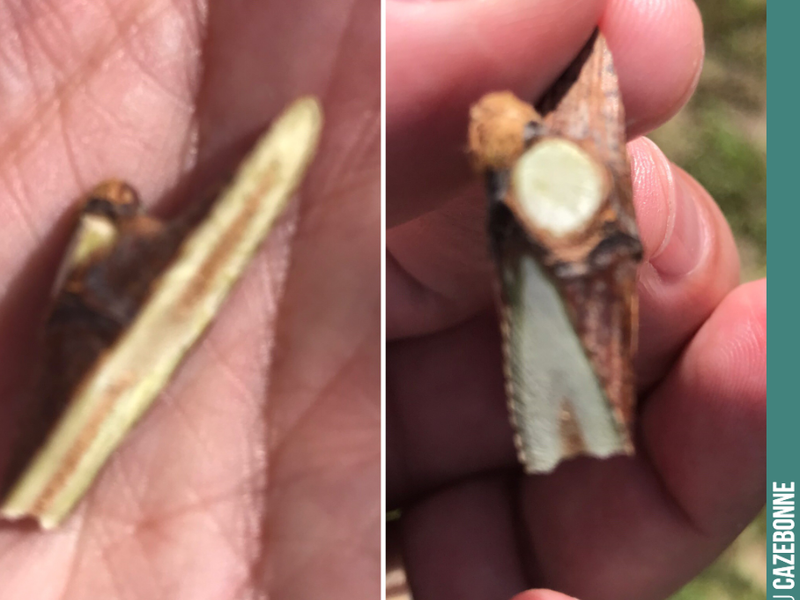
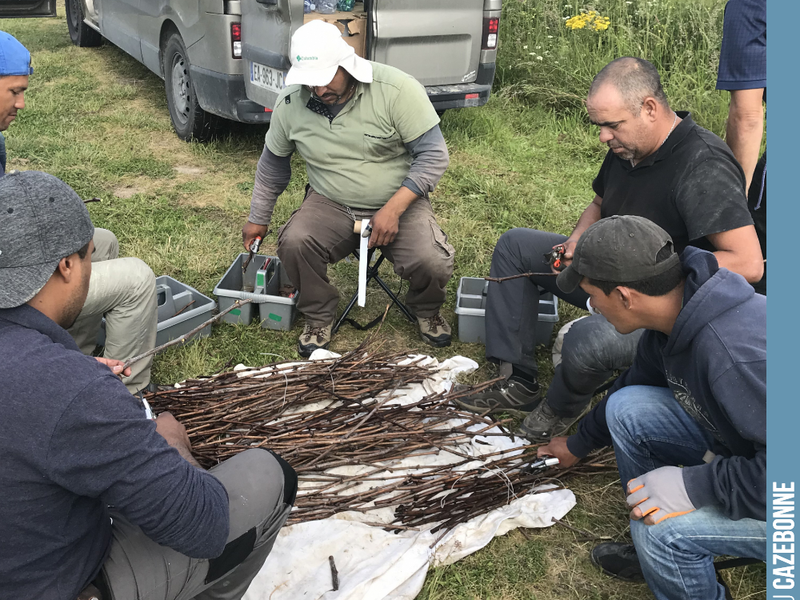
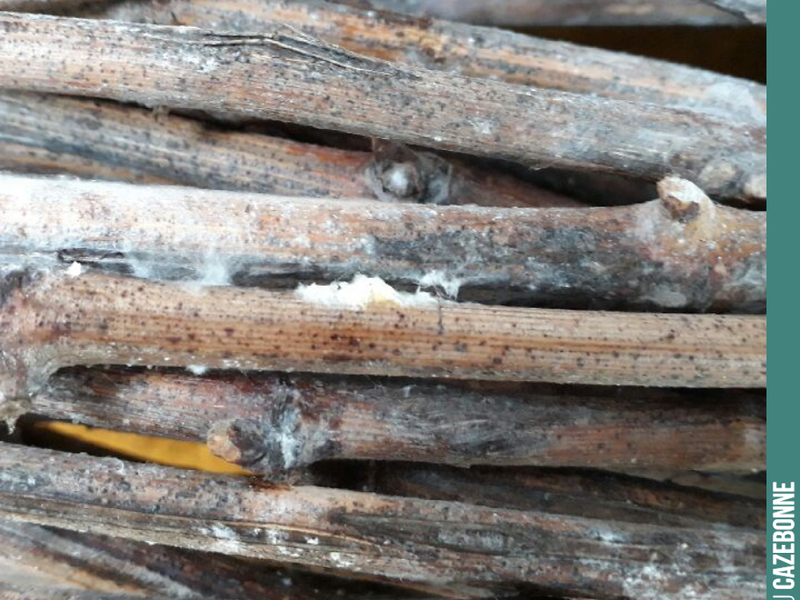
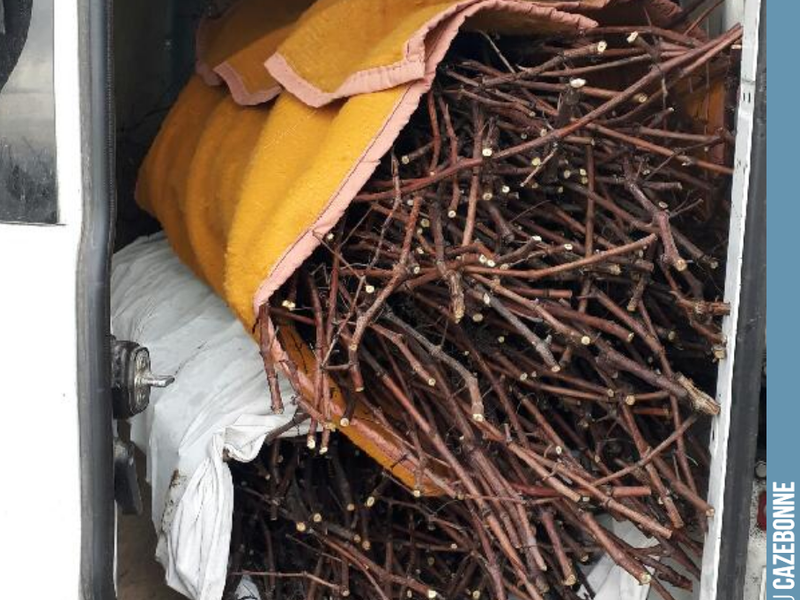
Top-grafting is a delicate operation that requires precision and expertise. Here are the main stages typically followed:
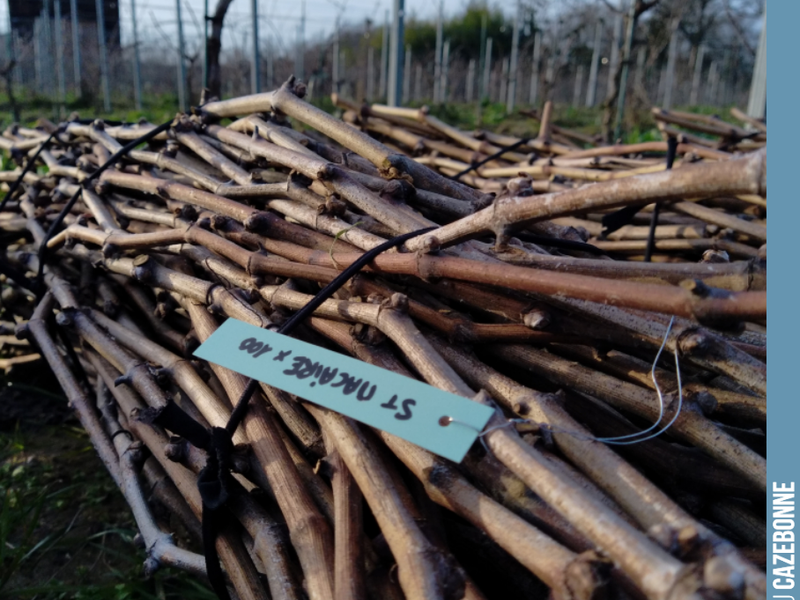
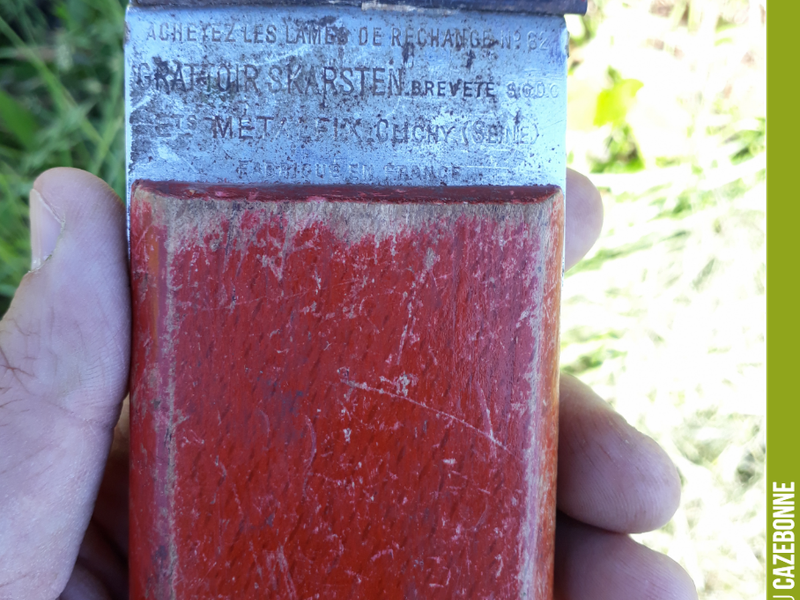
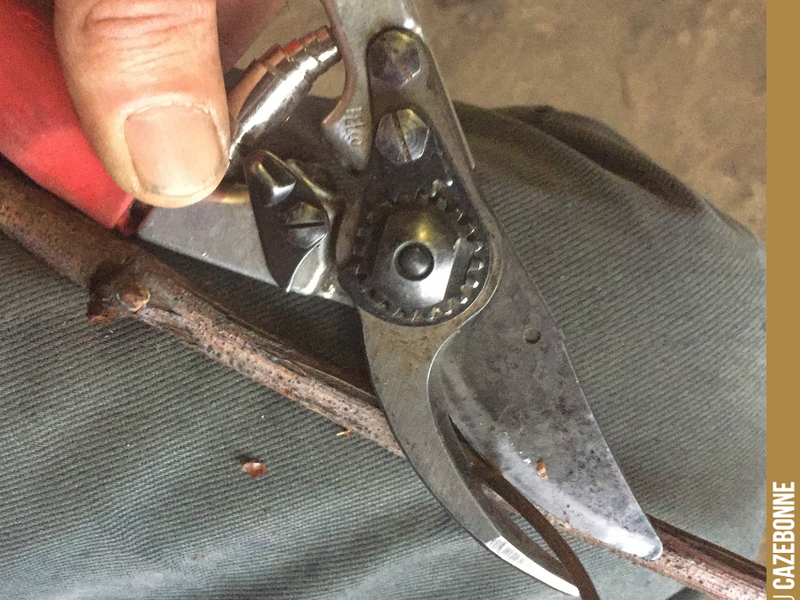
For successful top-grafting, the winegrower uses a set of specialised tools:
Top-grafting, whether carried out in organic or conventional agriculture, is part of a vineyard adaptation approach. It provides valuable responsiveness to climatic changes, new regulations or market demands. This technique is environmentally neutral, and its effectiveness depends more on the grafter's expertise than on the farming method. On the scale of an estate like Château Cazebonne, top-grafting is a way to preserve biodiversity by introducing and testing new grape varieties or ancient varieties, without the heavy investment in time and resources of a complete uprooting and replanting.
At Château Cazebonne, we use top-grafting as part of our approach to promoting the forgotten grape varieties of Bordeaux. This technique allows us to reintroduce varieties to our land that had almost disappeared from the Bordeaux wine landscape, thereby helping to revive a heritage of inestimable wealth. Omega grafting enables such work, made possible thanks to the commitment and support of the many enthusiasts who have adopted our wines and share our vision. Explore the unique flavours of our wines online in our boutique. If you would like to learn more about this fascinating history, feel free to download the digital version of our book "Bordeaux, une histoire de cépages". Finally, to test your knowledge, take part in our oenological quizzes and discover the world of Château Cazebonne with a fun and educational perspective.
Our suggestions
-5%on your 1st order with code BIENVENUE
The essential6 bottles — Graves red 2022
The best price of the cellar: €12 per bottle delivered.
The everyday red: generous and straight to the point.
I want it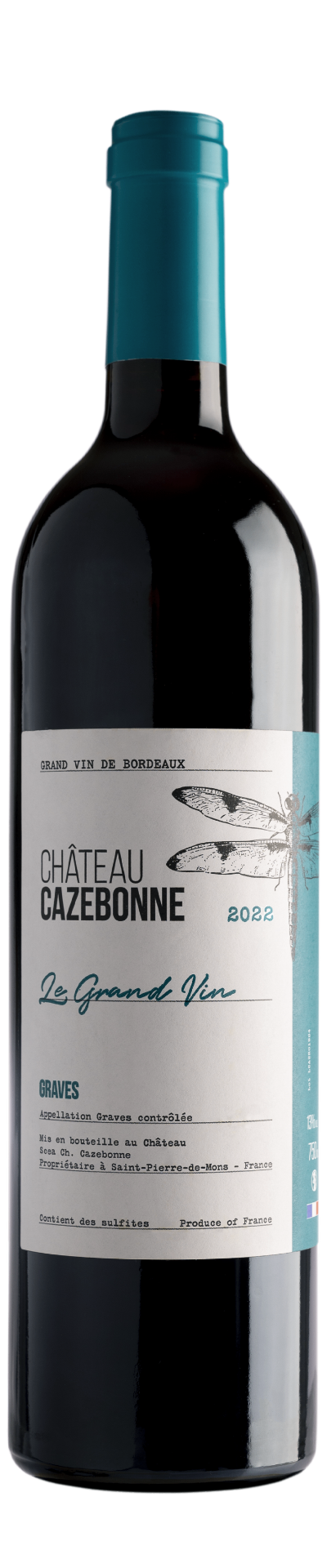 Our recommendation92/100 RVF
6 bottles — Graves red 2022, 92/100 RVF
Rated 92/100 by La Revue du vin de France: a solid 10-year ageing potential.
Our Graves for ageing, the finest gateway to the estate.
I want it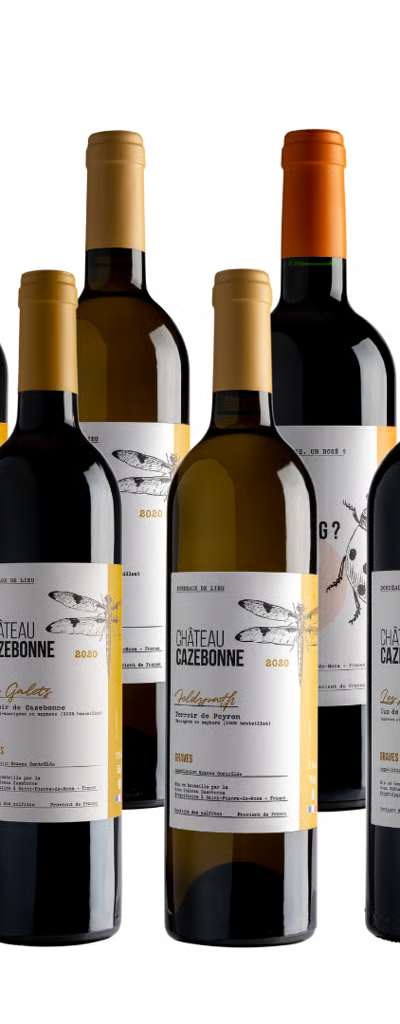 Go further
12 bottles — the whole range
12 bottles, the whole range tasted: the best discovery-to-price ratio.
The complete tour of the estate, in a single case.
I want it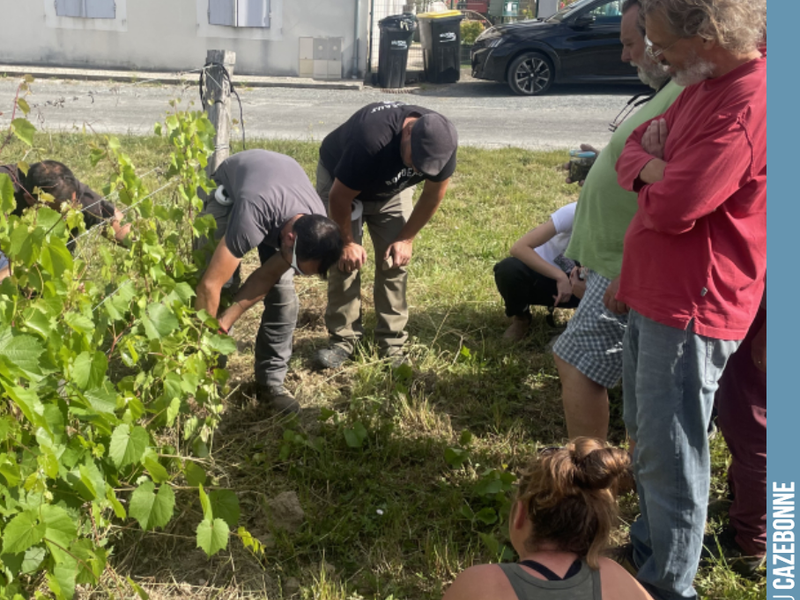
29 June 2026
13 September 2025
08 June 2023
27 May 2023

17 October 2022
08 September 2022

09 July 2022
31 May 2022
28 May 2022

26 May 2022
13 February 2022
22 May 2021
10 June 2020
01 June 2020
31 May 2020
28 May 2020

24 May 2020
22 May 2020
22 May 2020
20 May 2020

06 February 2020
03 January 2020
21 October 2019
07 August 2019
29 July 2019
27 July 2019
12 July 2019
10 July 2019
05 July 2019
05 July 2019
04 July 2019
02 July 2019
02 July 2019
30 June 2019
25 June 2019

24 June 2019
24 June 2019
17 June 2019
14 June 2019
06 June 2019
05 June 2019
03 June 2019
02 June 2019
02 June 2019
01 June 2019
31 May 2019
31 May 2019
27 May 2019
26 May 2019
09 May 2019

31 January 2019
28 January 2019
26 January 2019
26 January 2019
24 January 2019
23 January 2019
22 January 2019
19 July 2018
12 June 2018
The cellar, forgotten grape varieties and our cuvées, twice a month. 5% off your first order with the code BIENVENUE.