
 The essential
6 × Entre Amis red
6 bottles — Graves red 2022
The best price of the cellar: €12 per bottle delivered.
The everyday red: generous and straight to the point.
I want itFermentation
Within the winery, alcoholic fermentation is not simply a biochemical process; it is the pivotal moment when grape juice, bursting with sugars from the vine, undertakes its alchemical metamorphosis to give birth to wine. At Château Cazebonne, this stage is imbued with a profound philosophy: one that respects living organisms and the uniqueness of our Bordeaux terroir. That is why we have made the demanding choice to work exclusively with indigenous yeasts, those microorganisms naturally present on the grape bloom and within the very environment of our cellar.
These indigenous yeasts are the true architects of our wines' aromatic complexity. Unlike selected oenological yeasts, often used to standardise aromatic profiles, our natural yeasts offer a sensory palette of incomparable richness. They are a faithful reflection of our soils' biodiversity and the unique characteristics of each vintage, breathing an authentic and inimitable identity into our cuvées. Each bunch carries a history within it, which these yeasts translate into gustatory and olfactory nuances, far removed from stereotyped flavours. They guarantee the depth, the length on the palate and the ageing potential of our wines, bestowing upon them an elegance that reveals itself over time.
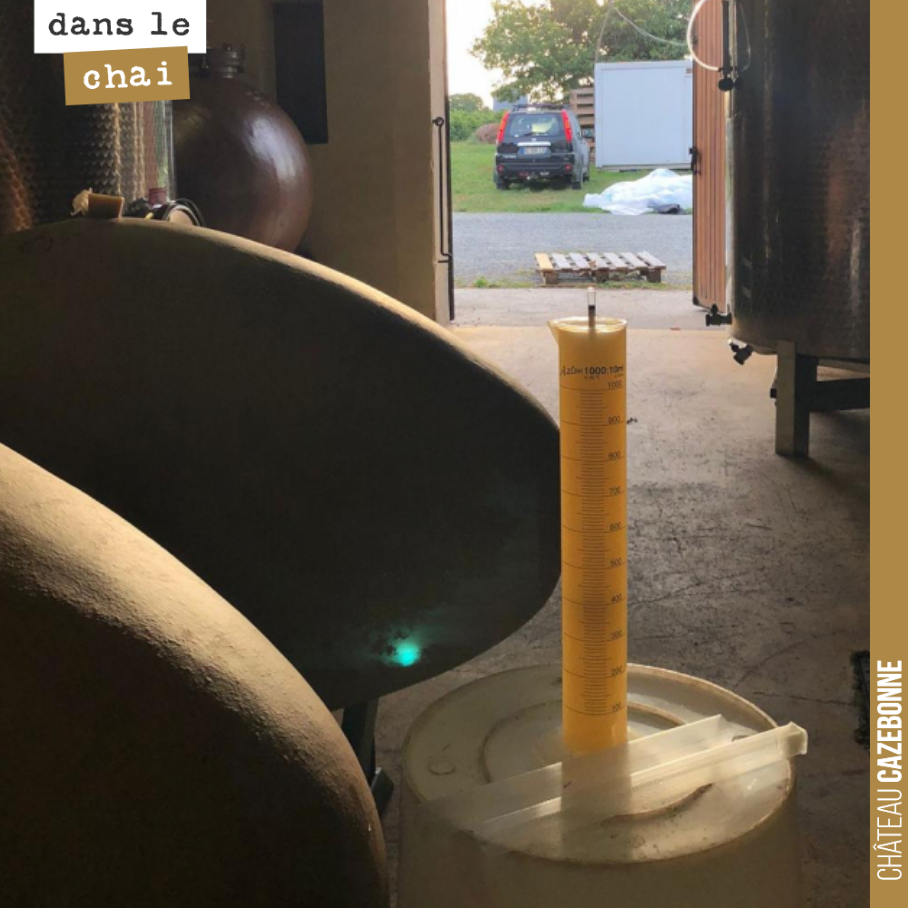
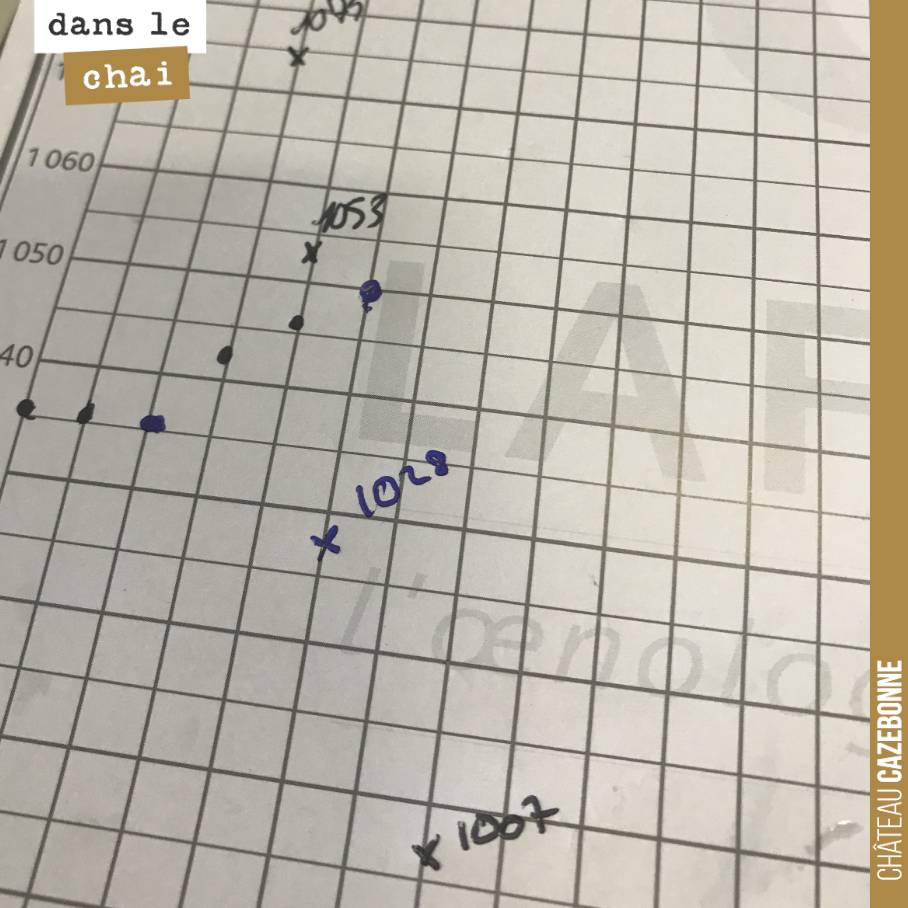
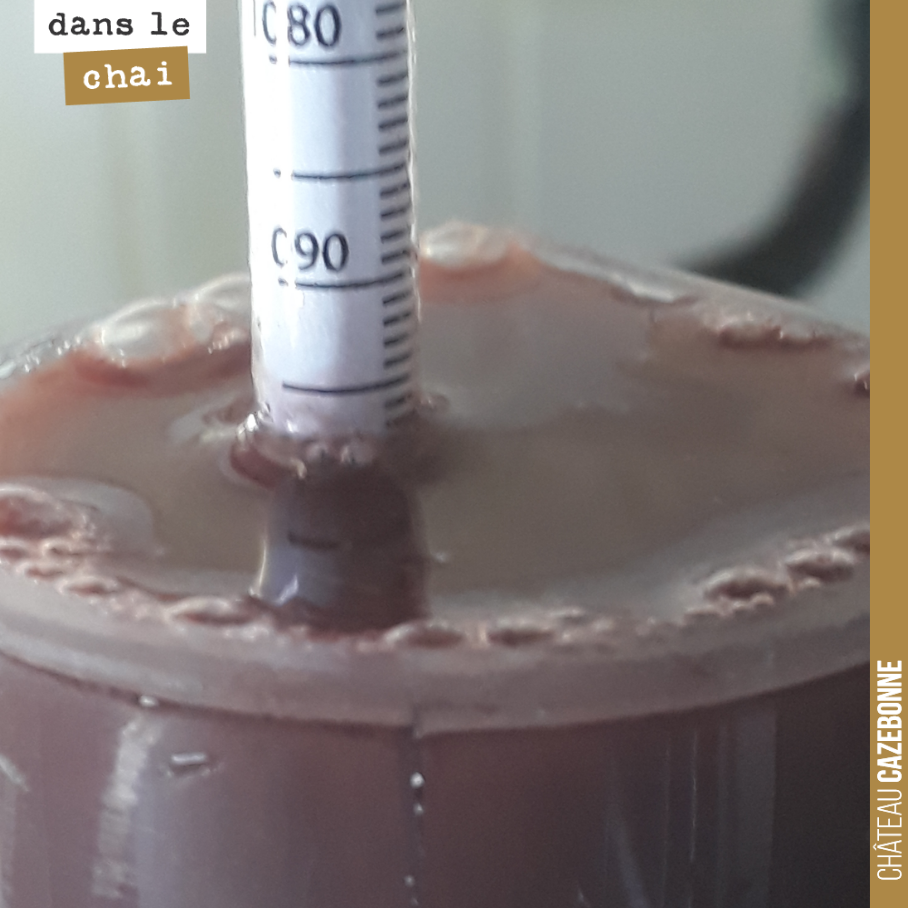
The progression of alcoholic fermentation is a delicate ballet orchestrated by the winemaker. It demands constant attention and meticulous observation. We monitor vat temperatures, the evolution of the must's density, and the emergence of the first aromas with the utmost vigilance. These parameters are crucial to providing an optimal environment for our yeasts. Generally, this fundamental phase spans one to three weeks, but its duration can vary depending on the grape variety, the optimal ripeness of the grapes and the climatic particularities of the year. It is during these days and nights that sugar is progressively transformed into alcohol and a multitude of compounds that will build the aromatic and gustatory richness of our wines. This process, although fundamentally natural, is a work of patience and adaptation, where the winemaker adopts the role of an attentive guide, steering nature without ever constraining it.
This work of authenticity and profound respect for our terroir resonates with Bordeaux's winemaking history, rich in a diversity that we strive to magnify. As Jean-Baptiste Duquesne highlights in his book "Bordeaux, une histoire de cépages" (Éditions BBD), many historical grape varieties have gradually disappeared from our vineyard landscapes. Empowered by this realisation, Château Cazebonne is actively committed to replanting these ancient grape varieties on our plots. This rediscovered heritage is a powerful testament to our commitment to preserving our viticultural heritage and to the excellence of our wines.
This commitment is made possible by the unwavering support of the many enthusiasts who have adopted our wines and share our passion. Discover the unique expression of our terroir and the subtlety of our winemaking tradition through the Cazebonne boutique. To deepen your knowledge of the fascinating history and richness of Bordeaux grape varieties, we invite you to receive the digital version of the book "Bordeaux, une histoire de cépages", published by Éditions BBD and written by Jean-Baptiste Duquesne.
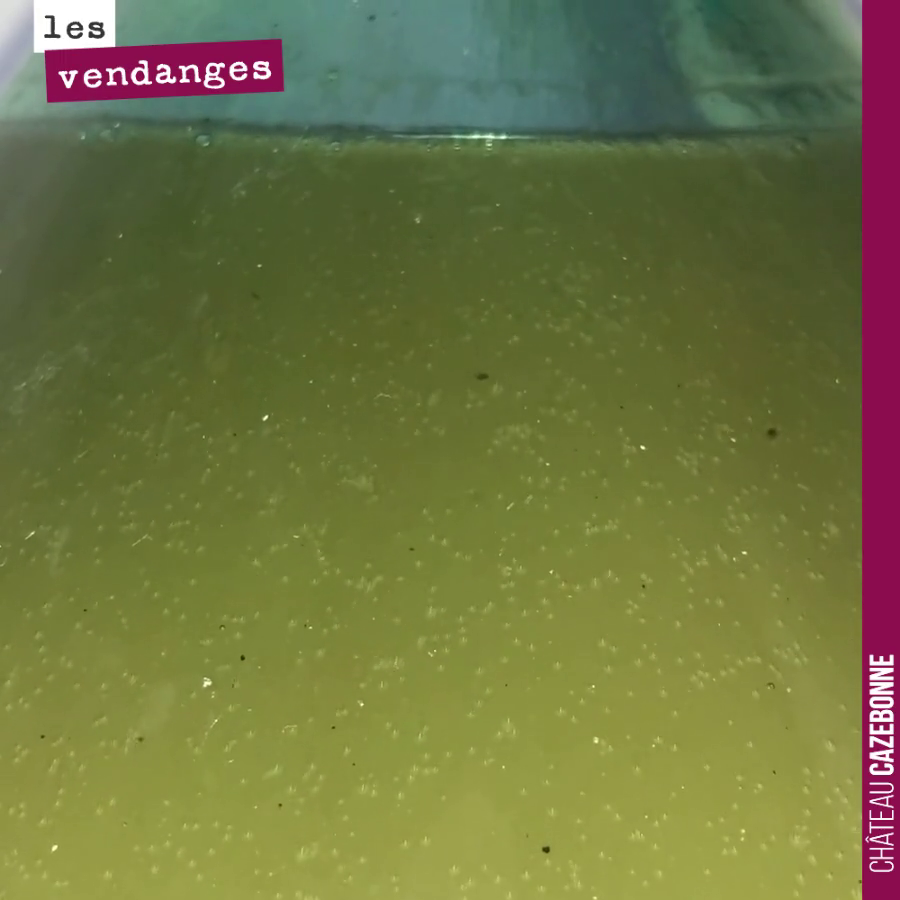
Alcoholic fermentation is an essential biochemical reaction in oenology, converting the sugars naturally present in the grape must into ethyl alcohol and carbon dioxide. This process is primarily catalysed by yeasts, unicellular microorganisms that feed on sugars. Beyond alcohol, fermentation also generates a myriad of aromatic and gustatory compounds that contribute to the complexity and typicity of the future wine.
The main oenological objective of alcoholic fermentation is twofold: to create the alcohol that will be the backbone of the wine and to develop its aromatic and gustatory profile. The alcohol brings not only strength but also structure and texture to the wine. Concurrently, the yeasts transform precursors present in the grape into esters, acetals, acids and other molecules that contribute to varietal and fermentative aromas, decisively influencing the wine's final personality. A good mastery of this stage is crucial for balance and quality.
Alcoholic fermentation generally begins shortly after the harvest, once the berries have been crushed and pressed, and the juice (must) placed in vats. It mostly takes place in autumn, and its duration varies from a few days to several weeks, depending on the temperature, the type of yeast used, the sugar concentration of the must and the desired wine profile. For certain more complex wines or fermentations at low temperatures, it can extend over two to three weeks.
The alcoholic fermentation process follows several fundamental stages:
For red wines, a cold pre-fermentation maceration can take place to delicately extract the aromatic and colouring compounds from the grape before fermentation begins.
The yeasts begin to multiply and consume the sugars. This phase can be spontaneous (indigenous yeasts) or induced by the addition of selected yeasts.
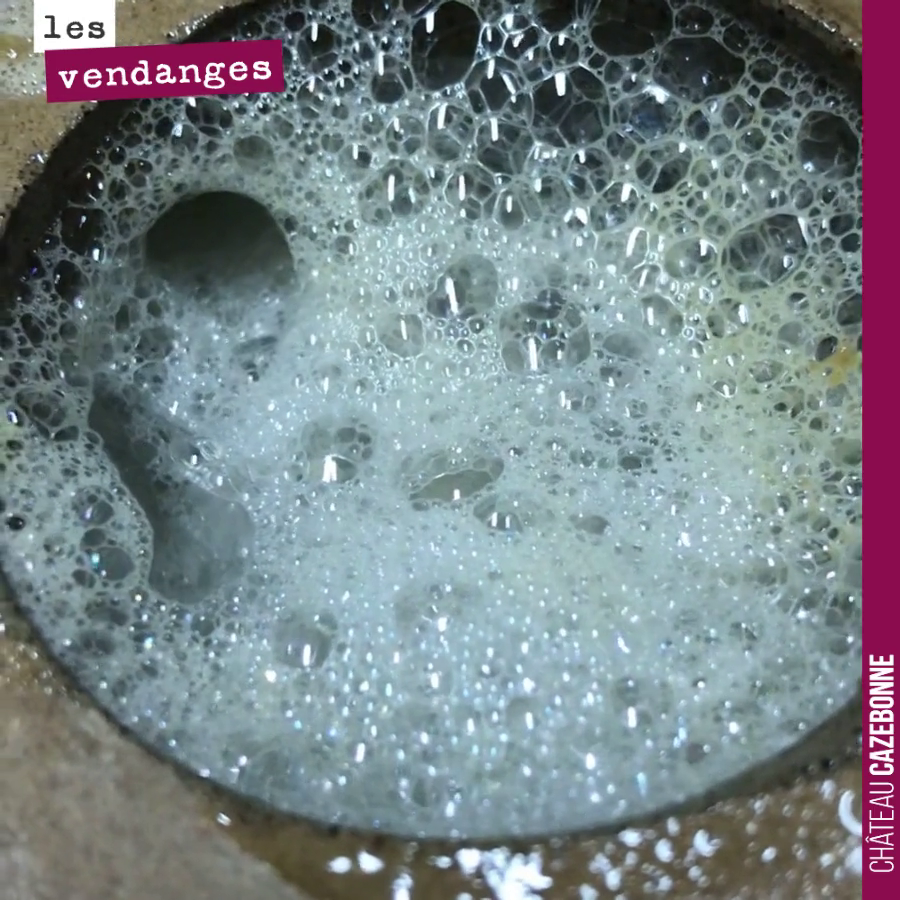
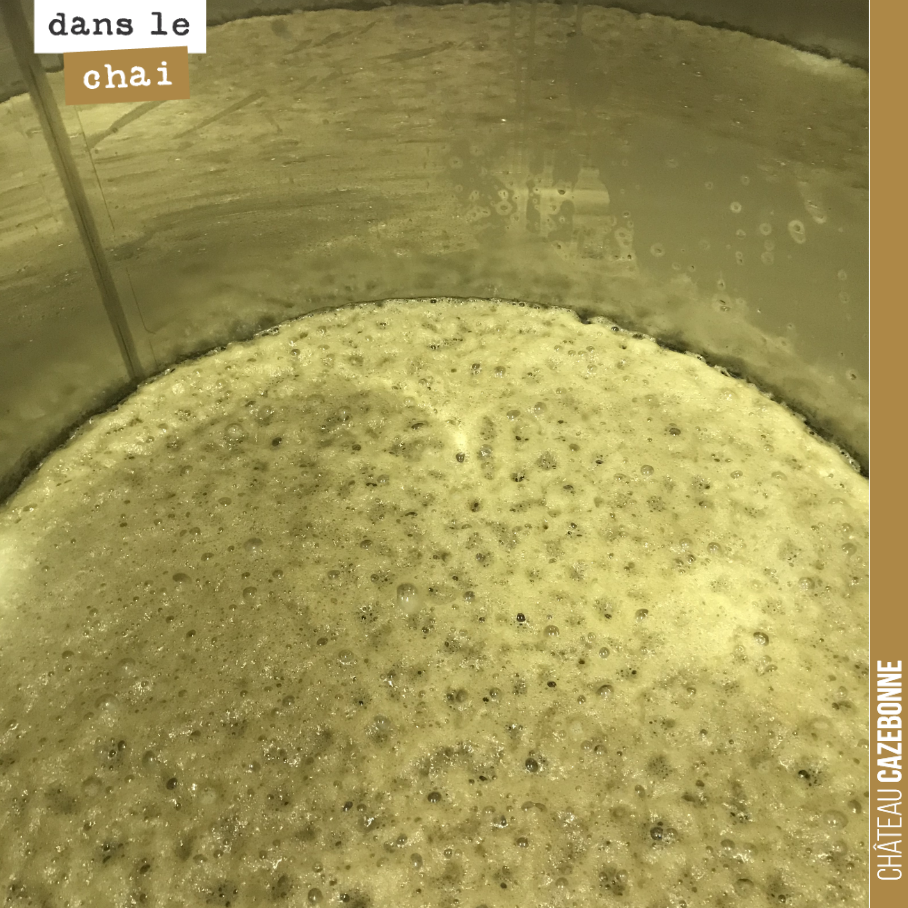
The fermentation is active and vigorous, with a high production of heat and carbon dioxide. It is at this moment that the majority of the sugar is transformed. Monitoring the vat temperatures is paramount to prevent a stuck fermentation or the development of undesirable aromas.
When the sugar concentration decreases, the activity of the yeasts slows down. This phase makes it possible to refine all of the residual sugar and set certain aromas.
Fermentation is considered complete when the residual sugar content is very low, or even zero, and the wine has reached its desired alcohol content.
The equipment necessary for fermentation is relatively simple but crucial:
When it comes to fermentation, two main philosophies are available to the winemaker:
These are the yeasts naturally present on the grape skins and in the winery environment. Their use is emblematic of natural and organic viticulture. They offer a more complex and faithful expression of the terroir, but their behaviour is less predictable, demanding great expertise from the winemaker.
Sourced from laboratories, these yeasts are chosen for their specific oenological characteristics (alcohol resistance, production of particular aromas, rapid start, etc.). They ensure a safer and more reproducible fermentation, but can sometimes standardise wines. At Château Cazebonne, we favour local yeasts to preserve the identity of our wines.
At Château Cazebonne, alcoholic fermentation is a pillar of our approach. We have made the resolute choice to exclusively use indigenous yeasts. This choice stems from our profound conviction that the typicity and singularity of our terroir are best expressed when we let nature work its magic. We guide this process with constant monitoring of temperature and density, thus ensuring the indigenous yeasts have the optimal conditions to create wines of incomparable aromatic and gustatory richness, true to their origin. Once alcoholic fermentation is complete, the red wines and certain white wines will then undergo malolactic fermentation.
Our commitment, through the replanting of ancient grape varieties and the championing of indigenous yeasts, is a long-term endeavour made possible by the support of the many enthusiasts who have adopted our wines and share our passion for living wines. We invite you to discover the unique expression of our terroir through our various cuvées available online. To deepen your knowledge of the fascinating history and richness of Bordeaux grape varieties, do not hesitate to download our book "Bordeaux, une histoire de cépages", and to test your knowledge, take part in our oenological quizzes.
Sources
Our suggestions
-5%on your 1st order with code BIENVENUE
The essential6 bottles — Graves red 2022
The best price of the cellar: €12 per bottle delivered.
The everyday red: generous and straight to the point.
I want it Our recommendation92/100 RVF
6 bottles — Graves red 2022, 92/100 RVF
Rated 92/100 by La Revue du vin de France: a solid 10-year ageing potential.
Our Graves for ageing, the finest gateway to the estate.
I want it Go further
12 bottles — the whole range
12 bottles, the whole range tasted: the best discovery-to-price ratio.
The complete tour of the estate, in a single case.
I want it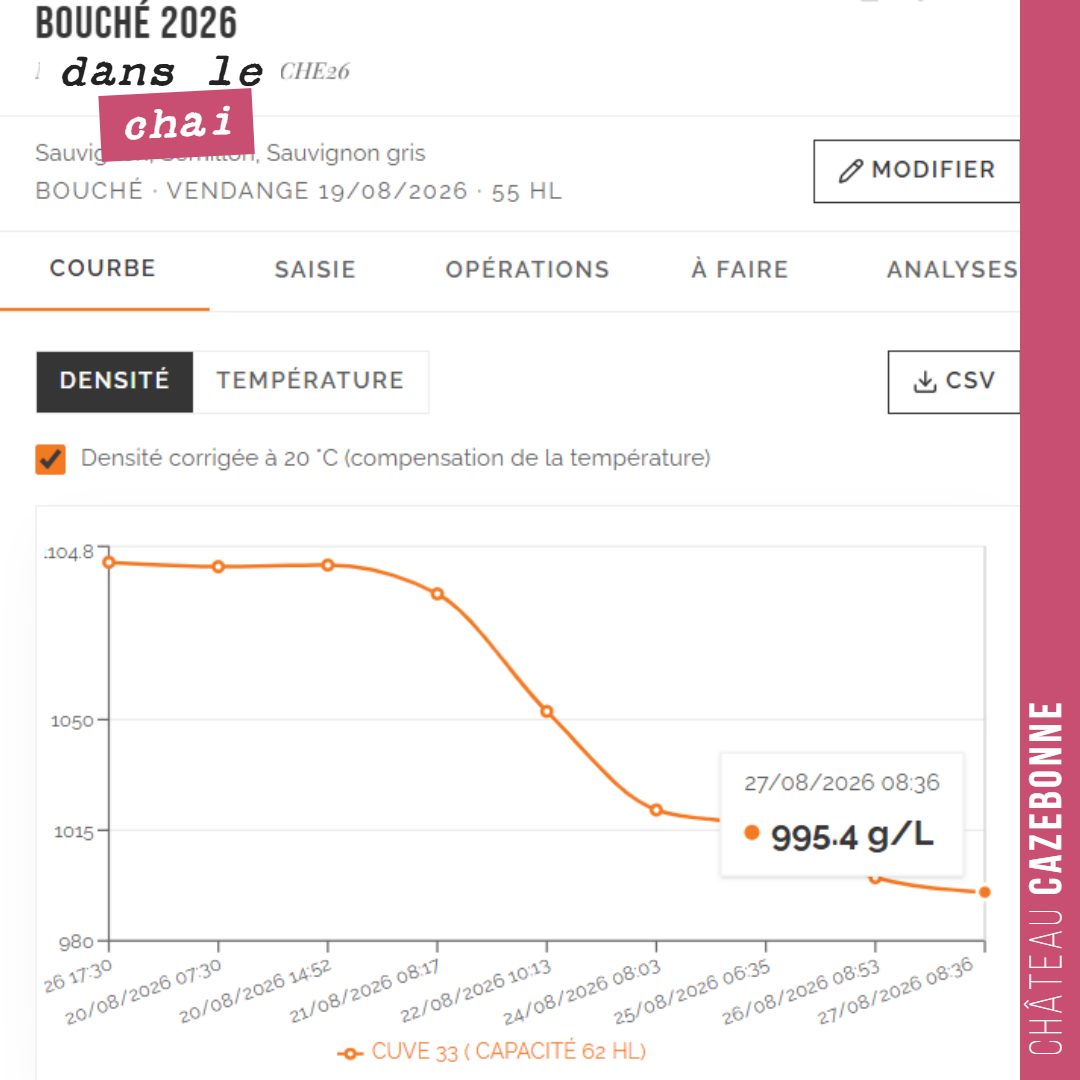
27 August 2026
By Jean-Baptiste
10 October 2023
02 September 2023
13 September 2022
07 September 2022
16 September 2021
15 September 2021
15 October 2020
29 September 2020
25 September 2020
18 September 2020
07 September 2020

04 September 2020
30 December 2019
06 November 2019
25 October 2019
19 October 2019
11 October 2019
09 October 2019
03 October 2019
02 October 2019
02 October 2019
25 September 2019
16 September 2019
15 September 2019
The cellar, forgotten grape varieties and our cuvées, twice a month. 5% off your first order with the code BIENVENUE.