
 The essential
6 × Entre Amis red
6 bottles — Graves red 2022
The best price of the cellar: €12 per bottle delivered.
The everyday red: generous and straight to the point.
I want itAmaranth
At Château Cazebonne, every plant is a story, every flower a lesson. Amaranth, with its elegant silhouette and resilience, is a fascinating example. This herbaceous plant, a member of the large Amaranthaceae family, encompasses around 60 species spread across the four corners of the globe. It is recognisable by its deep green leaves, sometimes tinged with purple, and its dense spike inflorescences that bloom gracefully in summer, offering a touch of colour and verticality to our vineyard landscapes.
Originating from the warm lands of South America and Africa, where it was once a fundamental food crop for many ancient civilisations, notably the Aztecs, amaranth has successfully traversed continents and eras. Its presence in our vineyards is no coincidence; it is the sign of a healthy soil, rich in nutrients and well-structured. Its deep, branching roots naturally contribute to the aeration of the earth, thus promoting the microbial life essential to the balance of our ecosystem. Furthermore, amaranth acts as a valuable environmental and nutritional indicator, whose perseverance Jean-Baptiste Duquesne would surely have praised in his book "Bordeaux, une histoire de cépages", as it embodies nature's capacity to adapt and enrich its environment.
At Château Cazebonne, we observe the amaranth cycle with interest. Beyond its agronomic role, it actively participates in the biodiversity of our plots, offering shelter and food to various beneficial insects. The latter, by feeding on the vegetation, limit the appearance of pests for the vines, thus creating a harmonious natural balance. This approach, rooted in the principles of agroecology, allows us to minimise our impact on the environment and preserve the vitality of our terroirs for future generations.
Within this botanical mosaic where amaranth finds its place, Château Cazebonne is also reconnecting with a forgotten viticultural heritage. By replanting ancestral Bordeaux grape varieties, such as Castets, Mancin or Saint-Macaire, varieties that have fallen into oblivion but carry a history and a unique aromatic potential, we are engaging in a process of memory and innovation. This long-term, meticulous and passionate work is only made possible thanks to the invaluable support of all the wine lovers who have embraced and appreciated the unique flavours of our cuvées. Their commitment allows us to write a new chapter in the history of Bordeaux winemaking, rich in diversity and authenticity.
Discover the unique expression of our terroirs and our rediscovered grape varieties by visiting the Cazebonne shop.
To find out more about the ancestral grape varieties of Bordeaux and our commitment, we also invite you to receive the digital version of the book "Bordeaux, une histoire de cépages", published by Éditions BBD and written by Jean-Baptiste Duquesne.
Amaranth, known by the scientific name Amaranthus spp., is an annual plant that stands out for the robustness of its life cycle. At Château Cazebonne, we observe its development with interest. It germinates in spring, quickly unfolds its foliage, and its spectacular inflorescences appear in summer, releasing numerous seeds before dying back in autumn. It thrives in well-drained, sunny soils, often present in patches across our plots, particularly those benefiting from good humus and an aerated structure, signs of a living earth. Its role is not limited to its ornamental beauty; it is an integral part of the spontaneous flora that enriches our vineyards. Its deep roots are true natural ploughs, loosening the soil, and its biomass returns valuable nutrients after decomposition. Amaranth is also a boon for beneficial wildlife: its flowers attract many pollinating insects and natural predators of vine pests. Its presence is an excellent indicator of the good agronomic health of our land and a key player in our pesticide-free viticulture approach, thereby contributing to the resilience of our vineyard ecosystem. Have you ever heard of datura, another plant frequently found in vineyards which, unlike amaranth, is toxic?
This long-term, meticulous and passionate work for the preservation of biodiversity and ancient Bordeaux grape varieties, whose research by Jean-Baptiste Duquesne is documented in the book "Bordeaux, une histoire de cépages", is only made possible thanks to the support of wine lovers. If you are curious, why not test your wine knowledge? And to discover the fruits of our efforts, we invite you to browse our wines online.
Sources
Our suggestions
-5%on your 1st order with code BIENVENUE
The essential6 bottles — Graves red 2022
The best price of the cellar: €12 per bottle delivered.
The everyday red: generous and straight to the point.
I want it Our recommendation92/100 RVF
6 bottles — Graves red 2022, 92/100 RVF
Rated 92/100 by La Revue du vin de France: a solid 10-year ageing potential.
Our Graves for ageing, the finest gateway to the estate.
I want it Go further
12 bottles — the whole range
12 bottles, the whole range tasted: the best discovery-to-price ratio.
The complete tour of the estate, in a single case.
I want it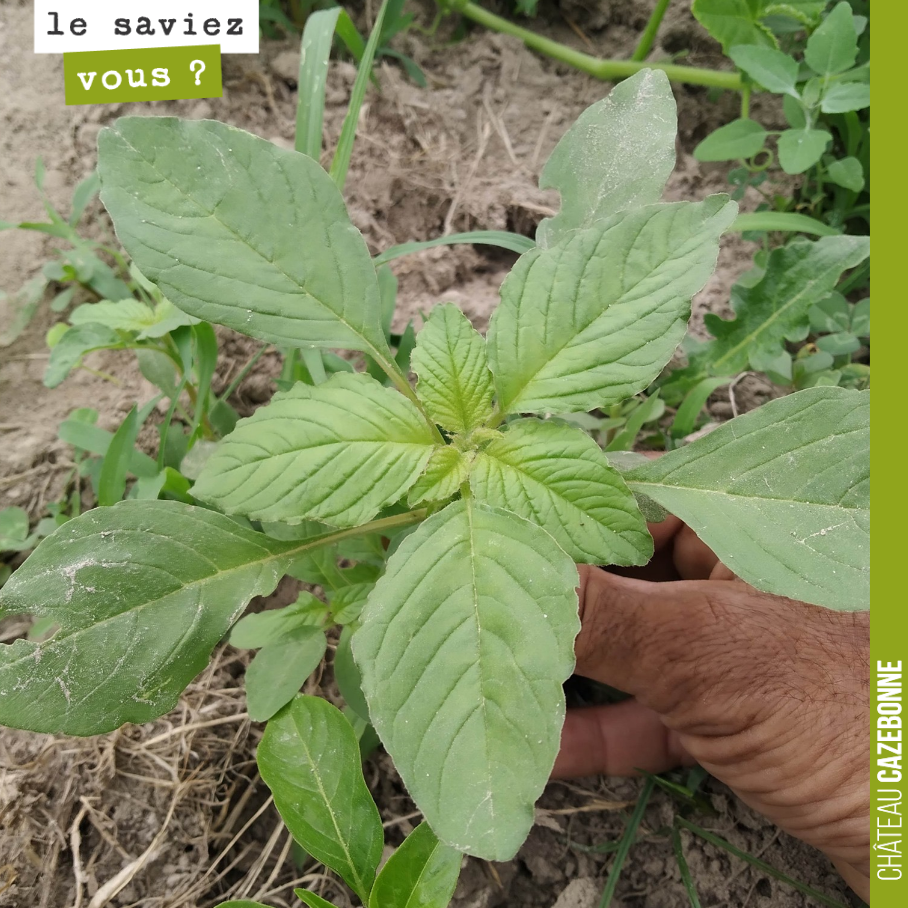
03 July 2019
The cellar, forgotten grape varieties and our cuvées, twice a month. 5% off your first order with the code BIENVENUE.