
 The essential
6 × Entre Amis red
6 bottles — Graves red 2022
The best price of the cellar: €12 per bottle delivered.
The everyday red: generous and straight to the point.
I want itBrambles
Often relegated to the status of invasive "weeds", brambles actually reveal a much more complex and ecologically valuable facet within the vineyard environment. At Château Cazebonne, we observe them with particular attention. Predominantly belonging to the Rubus genus, within the vast Rosaceae family – the very same that gives us roses as well as the sweetness of strawberries and raspberries – these plants with their thorny stems and varied leaves tell a part of the history of our soils. Their presence, sometimes exuberant, is above all an indicator of the vitality and potential richness of our terroir, even when it may have been temporarily disturbed.
Far from being a mere obstacle, the bramble is an unsuspected ally of biodiversity. Its deep roots naturally work the soil, promoting its aeration and preventing erosion, a precious asset on sloping terrain or land prone to leaching. Beyond these "engineering" functions, the impenetrable thickets it forms offer a vital refuge and a prime nesting area for a multitude of insects, birds and small mammals. This biodiversity sheltered by brambles constitutes an essential auxiliary fauna, participating in the natural regulation of pests and reducing the need for human intervention. Their fruit, blackberries, also provide a welcome food source for wildlife. In our organic farming approach, we seek a delicate balance: enhancing their ecological role while managing their development so that they do not compete with the vines.
The bramble is also a living memory of the soils. Its presence can indicate formerly wooded terroirs or recently cleared areas, bearing witness to the evolution of the Bordeaux vineyard landscape. Jean-Baptiste Duquesne, in his book "Bordeaux, une histoire de cépages", insists on the importance of diversified flora as a mirror of soil life and its interaction with local climatic conditions. Observing the bramble, therefore, means looking at the authenticity of our sites and their capacity to regenerate. This observational approach is fully in line with our philosophy at Château Cazebonne, where our commitment goes well beyond the simple cultivation of vines.
Brambles, primarily of the Rubus genus, are perennial shrubs belonging to the Rosaceae family. Characterised by their flexible and often trailing stems, equipped with prickles, they can reach several metres in length. Their leaves are generally composed of three to five toothed leaflets. The blossom, often white or pinkish, appears in spring, followed in summer by the ripening of their fruit, blackberries, which are highly appreciated by wildlife.
The bramble is a pioneer species, thriving on disturbed soils, hedgerow margins and fallow areas. At Cazebonne, we note that it often establishes itself around the edges of parcels or in uncultivated areas, acting as a formidable soil protector against erosion thanks to its extensive root system. Its dense thickets create microclimates and shelters for numerous organisms, thereby actively contributing to the vineyard's biodiversity. It is essential for natural balance, providing food and shelter to a multitude of insects, such as bees and butterflies, and birds.
At Château Cazebonne, brambles are managed thoughtfully. Their beneficial role in soil protection and maintaining auxiliary fauna is recognised. However, their exuberant development can compete with the vines for water and nutrients, or hinder the passage of machinery and manual labour. That is why measured management of their growth is essential. We favour an approach that respects their ecological role whilst preventing them from encroaching excessively onto the vineyard parcels, thus promoting living soil and a balanced ecosystem.
At the same time, we are committed to the replanting of ancient and forgotten Bordeaux grape varieties, such as Castets, Mancin or Saint-Macaire. This passionate work to safeguard a viticultural heritage allows us to revive unique flavours and stories, and it is only possible thanks to the invaluable support of the many wine lovers who, by adopting our wines, actively participate in this great adventure. To deepen your knowledge, the book "Bordeaux, une histoire de cépages" is available in digital format here. In particular, discover in our journal the essential role of the thistle in the biodiversity of our vineyards. If you wish to test your knowledge, take part in our oenological quizzes, and of course, discover the unique expression of our terroirs and our rediscovered grape varieties by visiting the Cazebonne shop.
Sources
Our suggestions
-5%on your 1st order with code BIENVENUE
The essential6 bottles — Graves red 2022
The best price of the cellar: €12 per bottle delivered.
The everyday red: generous and straight to the point.
I want it Our recommendation92/100 RVF
6 bottles — Graves red 2022, 92/100 RVF
Rated 92/100 by La Revue du vin de France: a solid 10-year ageing potential.
Our Graves for ageing, the finest gateway to the estate.
I want it Go further
12 bottles — the whole range
12 bottles, the whole range tasted: the best discovery-to-price ratio.
The complete tour of the estate, in a single case.
I want it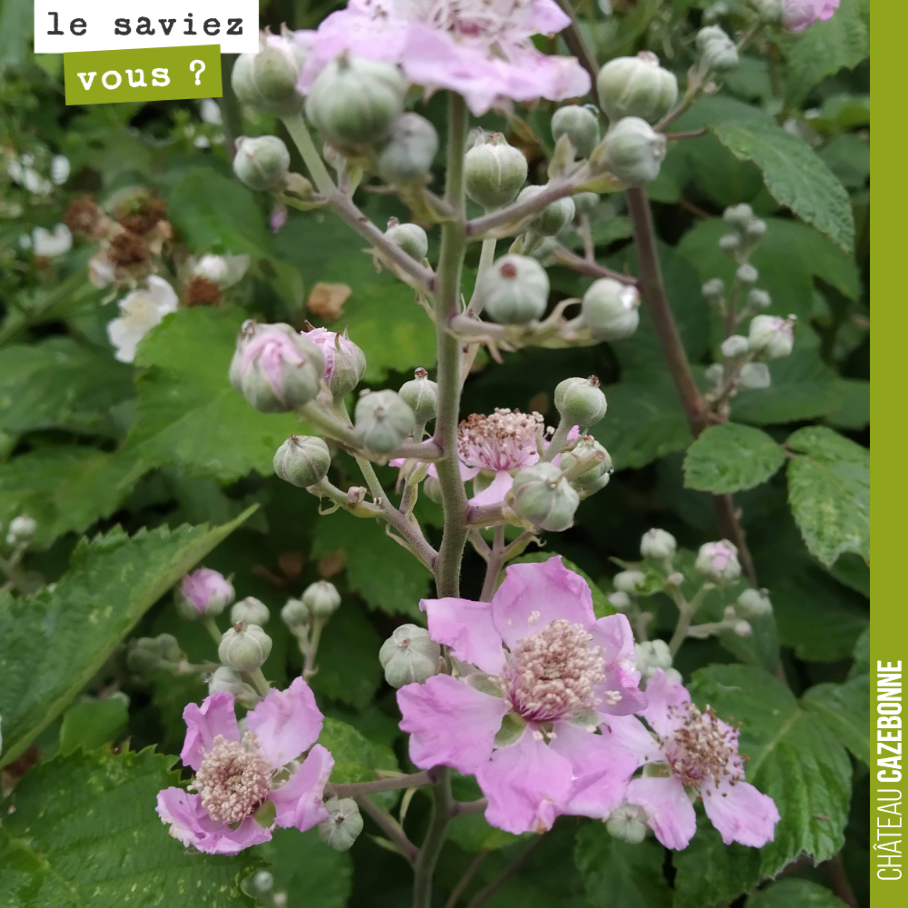
28 June 2019
The cellar, forgotten grape varieties and our cuvées, twice a month. 5% off your first order with the code BIENVENUE.