
 The essential
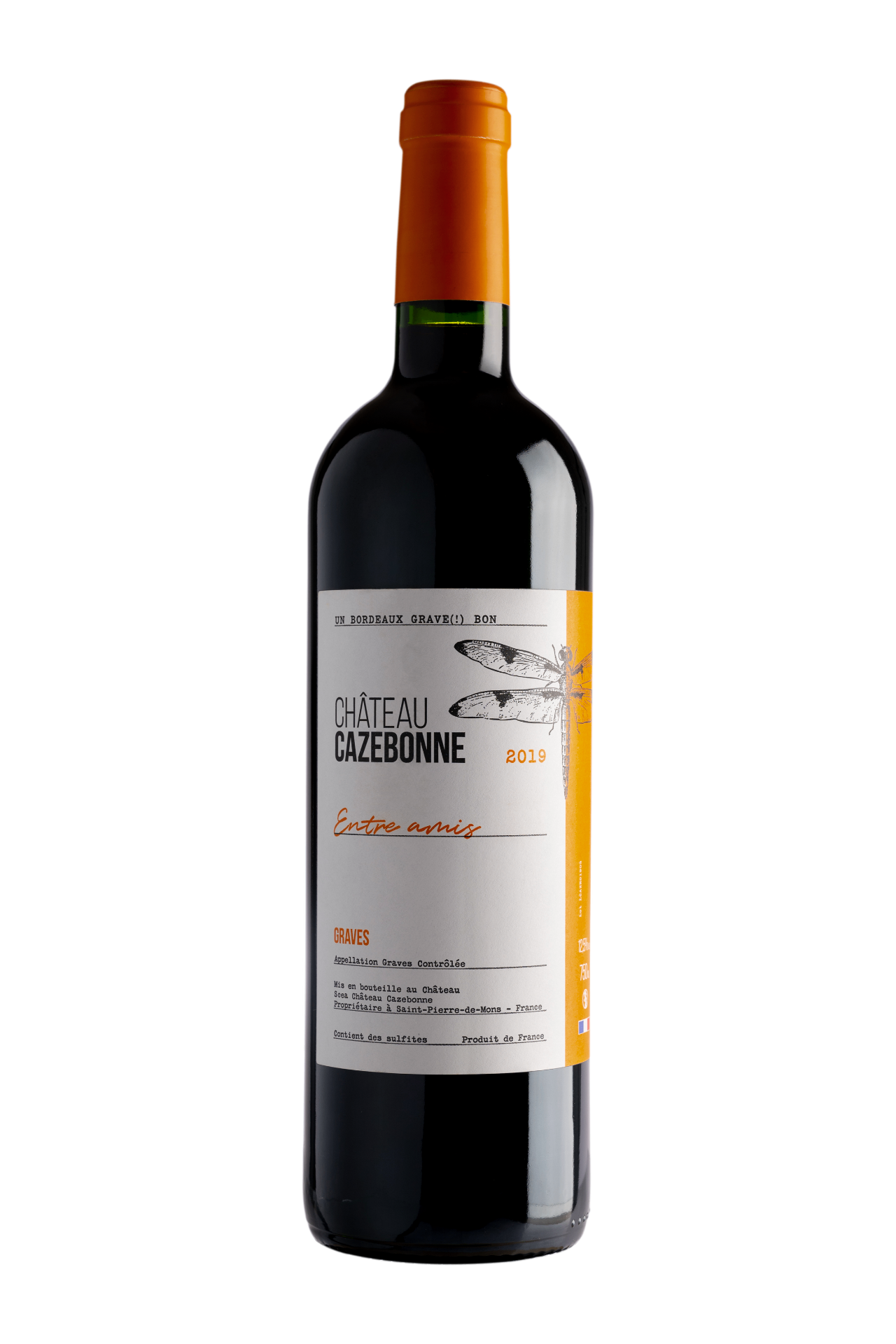
6 × Entre Amis red
6 bottles — Graves red 2022
The best price of the cellar: €12 per bottle delivered.
The everyday red: generous and straight to the point.
I want it
To make wine, you need to know how to ‘let go’, trust yourself, and trust the quality of the newly harvested crop. This is not an apology for ‘doing nothing’. It is about trying to do only what is necessary, nothing more, and monitoring closely so as to intervene if needed. Here is an article explaining what we generally do during vinification at Cazebonne.
Yes, because letting go means trying to intervene as little as possible with the wine. It means allowing fermentations, whether alcoholic or malolactic, to take place spontaneously. Wine generally does not need added yeasts, enzymes or other additives. The must will turn into wine provided one checks that the necessary conditions are met.
Nor is it an endorsement of laissez-faire. Checking the pH, malic acid levels, and the nitrogen necessary for a sound fermentation are all parameters best measured as soon as the harvest reaches the winery. Letting go does not mean working blind, and it would be a pity to forgo these analyses, which allow us to anticipate potential fermentation issues (and make any necessary corrections should an imbalance occur).
I must admit that I started my first vintage with the determination to make natural wine at all costs. I ran into genuine winemaking issues with the 2020 vintage. Coming off a rather successful 2019 vintage, I was keen to pursue this natural wine path. However, the 2020 vintage was a sunny one, and the harvest yielded wines high in alcohol and low in acidity. The trouble is that bacteria and brettanomyces (yeasts that leave ‘brett’ aromas in wine) thrive in these conditions, especially in the absence of sulphur.
The wines were bottled with very little sulphur, but at these pH levels, sulphur is much less active, and flaws developed in the bottle. I had to destroy part of the wines, which were no longer merchantable.
I swore I would not be caught out again. Some vintages simply do not allow natural wine to be made on our terroirs, especially if one likes to pick ripe grapes with less pronounced acidity.
The paradox of non-interventionism is that, in order to ‘do nothing’ in the cellar, one must have already done everything, and done it well, beforehand. Everything starts in the vineyard, long before the harvest. Healthy, perfectly ripe, and balanced grapes are key. Rigorous soil management, careful canopy management to fine-tune ripening, and constant monitoring of the growth cycle deliver raw material of impeccable quality. The less healthy or perfect the grapes, the more corrective interventions they will require in the winery. Meticulous winery hygiene is also non-negotiable. Clean equipment and a spotless environment dramatically reduce the risk of unwanted micro-organisms developing. Finally, precise temperature control is essential to gently guide fermentations and protect the wine at every step.
Healthy, sorted grapes, with as many intact berries as possible and no rot. This means walking the vineyards regularly to monitor sanitary conditions, which can deteriorate very quickly once the grapes reach sufficient ripeness.
The pH, as mentioned above, plays a vital role. It is difficult to stabilise wines if the pH is above 3.7. Yet with recent heatwave years, this has become the norm. Above this threshold, a slight acidification of the must becomes necessary.
Nitrogen levels must also be monitored, even though we rarely encounter nitrogen deficiency issues in our living soils, enriched by cover crops and legume sowings. Yeasts need an adequate level of nitrogen in the juice to finish fermenting the sugars.
We almost systematically favour spontaneous fermentations, relying on indigenous yeasts naturally present on the grape bloom. I say almost systematically because we have occasionally used commercial yeasts to finish the sugars on a few vats that had stuck in fermentation, or inoculated a particularly compromised batch affected by grey rot in the parcel.
However, these native yeasts need a helping hand to get started, so that the medium is not colonised beforehand by bacteria or unwanted yeasts. To achieve this, two days before each harvesting day, we prepare a pied de cuve (starter culture), which allows us to kick-start a temperature-controlled fermentation, sulphited to prevent bacterial growth. This pied de cuve is then used to inoculate the whites after settling and the reds upon vatting.
Why indigenous yeasts rather than commercial ones? Because yeasts strongly influence the complexity and aromatic profile of wines. Each year, our wines reveal unique aromatic palettes, not necessarily matching those of pre-selected commercial yeasts. I like to say that buying commercial yeast is a bit like asking Van Gogh to paint his sunflowers using a single tube of yellow. Allowing indigenous yeasts to do their work means having access to a rich palette of colours. It also introduces a touch of the unexpected into what this vintage will reveal. Letting nature take its course.
In the same way, we keep oenological inputs to an absolute minimum. Let nature do its work when the conditions allow. I am not saying we will never intervene. I am saying we will do so when strictly necessary to save a vat, because our job is to make wine, and we rely on every harvested batch to earn our living.
However, letting nature take its course requires watching fermentations like a hawk to ensure everything goes smoothly. The objective is for fermentation not to stop until all sugar has been consumed. Residual sugar is the enemy that enables undesirable bacteria to colonise the medium. Fermentations must reach completion, and swift action is required if they stick.
We traditionally settle our whites very lightly. This yields whites with colour, often golden yellow, far from the standard sharp, pale green whites.
The first reason is that we pick ripe, very ripe. The second is that our fermentations take place in a medium rich in lees and suspended solids. This helps us complete fermentations (which is harder to achieve on heavily settled wines with very low turbidity), but above all it gives us more complex white wines. For these whites, we generally allow malolactic fermentation to occur, bringing further complexity.
After 12 months of ageing, if the wines have clarified naturally over time and through sedimentation in vat after blending, we generally have no need to fine or filter them. Avoiding fining and filtration preserves the richness and complexity of our whites.
The wines are lightly sulphited after malolactic fermentation and after stirring, providing minimal protection during ageing. We can adjust the sulphur before bottling, finishing with a total of 50 mg of sulphur per litre (compared to the 150 mg permitted in organic and 200 mg in conventional winemaking).
Vinifications are generally carried out without sulphites (occasionally 3 g/hl on the harvest if the sanitary state is suboptimal). The wines are aged in vats, barrels and amphorae depending on the cuvées. They are lightly sulphited before ageing, once malolactic fermentations are complete.
We usually filter our reds lightly before bottling to prevent any subsequent spoilage, and adjust the sulphur if needed, ensuring there is sufficient free SO2 in the bottle.
Our suggestions
-5%on your 1st order with code BIENVENUE
The essential6 bottles — Graves red 2022
The best price of the cellar: €12 per bottle delivered.
The everyday red: generous and straight to the point.
I want it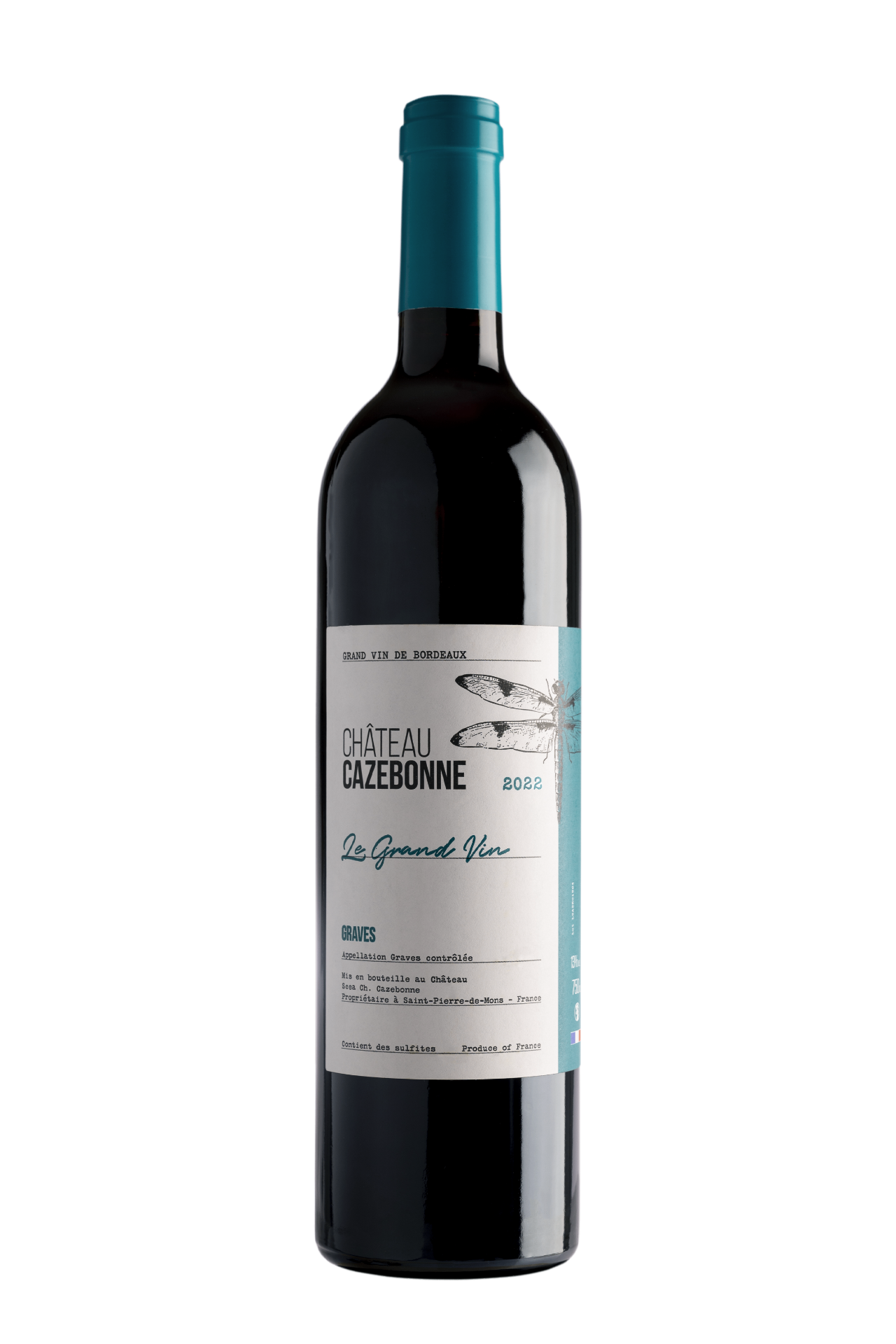 Our recommendation92/100 RVF
6 bottles — Graves red 2022, 92/100 RVF
Rated 92/100 by La Revue du vin de France: a solid 10-year ageing potential.
Our Graves for ageing, the finest gateway to the estate.
I want it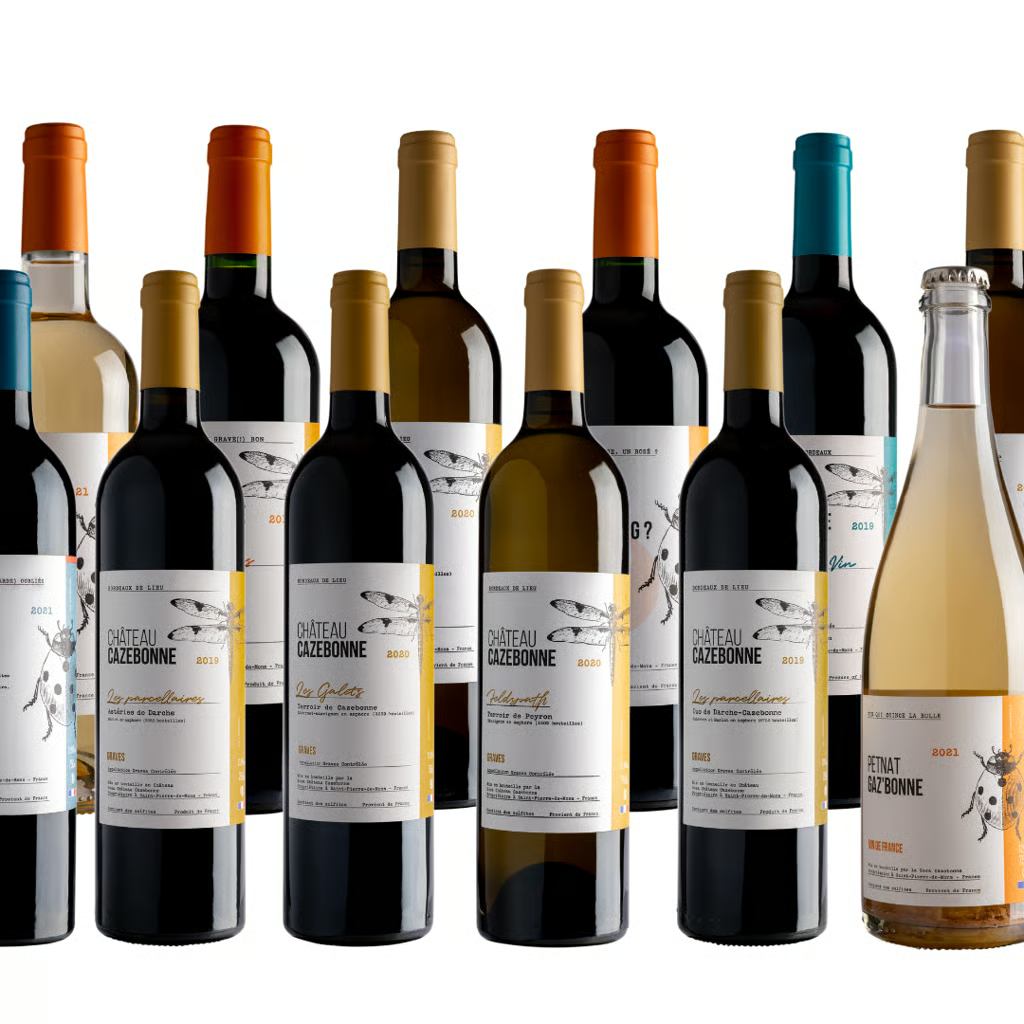 Go further
12 bottles — the whole range
12 bottles, the whole range tasted: the best discovery-to-price ratio.
The complete tour of the estate, in a single case.
I want it