
 The essential
6 × Entre Amis red
6 bottles — Graves red 2022
The best price of the cellar: €12 per bottle delivered.
The everyday red: generous and straight to the point.
I want itGrape Harvester
At Château Cazebonne, our commitment to the terroir and excellence guides every one of our decisions. For the crafting of our grand vin and our most prestigious single-parcel cuvées, we favour the delicacy and precision of manual harvesting. This artisanal approach, carried out by experienced teams, allows for a bunch-by-bunch selection, thereby guaranteeing the aromatic purity and flavour richness of these exceptional wines, true expressions of our expertise.
However, modern viticulture, and more specifically our project to rehabilitate forgotten historic Bordeaux grape varieties, leads us to diversify our methods. For our entry-level cuvées, the harvesting machine proves to be an invaluable tool. It offers incomparable flexibility, allowing us to harvest our parcels at the optimal moment, ensuring perfect ripeness of the grapes. This efficiency helps us to control our production costs without ever compromising on the intrinsic quality of the fruit. Thanks to it, we can manage larger volumes with a responsiveness that optimises our entire production and allows us to offer accessible wines whilst respecting our ethos of doing things right.
The history of viticulture is punctuated with technical innovations, as so well illustrated by the book "Bordeaux, une histoire de cépages" by Jean-Baptiste Duquesne, published by Éditions BBD. From ancestral techniques to today's cutting-edge tools, every advancement has contributed to shaping the vineyard and the quality of Bordeaux wines. The harvesting machine is part of this lineage of evolutions, offering winegrowers solutions adapted to contemporary challenges, notably those linked to labour and climate imperatives. Its appearance and refinement marked a turning point, altering harvesting methods whilst preserving the integrity of the grape if used with discernment.
At Château Cazebonne, we are proud to lead a unique viticultural project: bringing the historical grape varieties of Bordeaux back to life, those ancestral varieties that marked the regional viticultural landscape before falling into oblivion. This work of revitalising our ampelographic heritage is demanding, yet fascinating. It is made possible thanks to the unwavering commitment and support of all the wine lovers who have "adopted" our cuvées and embrace our pioneering approach. Every bottle you choose is a direct contribution to this exceptional adventure.
Discover all our creations and actively support our mission by visiting the Cazebonne shop. To deepen your knowledge of the rich history of Bordeaux grape varieties and understand the roots of our commitment, we also invite you to receive the digital version of the book "Bordeaux, une histoire de cépages".
The harvesting machine is a motorised agricultural vehicle designed to mechanically harvest grape bunches. Its operation relies on the principle of shaking or vibrating the vines to detach the berries, which are then collected by a system of conveyor belts and fans. It represents a major evolution in modern viticulture, allowing large areas to be harvested rapidly.
The main objective of the harvesting machine is to optimise the harvesting process. It allows parcels to be harvested at the optimal moment of ripeness, particularly for large volumes where time is a critical factor. For cuvées intended for early consumption, often fruitier and less complex, it guarantees a fast and homogenous harvest, essential for the consistency of aromatic profiles and the control of production costs. Efficiency is also a major asset, particularly in regions where skilled labour for manual harvesting is difficult to find.
The harvesting machine is primarily used during the harvest period, generally from late August to October in the Northern Hemisphere, depending on the regions and the ripeness of the different grape varieties. Its intervention takes place when the grapes have reached their full physiological and aromatic ripeness, a key moment determined by laboratory analyses and berry tastings. It allows for great responsiveness in the face of climatic hazards, such as approaching rain, by accelerating the harvest over large areas.
A modern harvesting machine is a marvel of technology. It is generally composed of a self-propelled straddle chassis, harvesting heads equipped with shakers, conveyor systems (belts), fans to blow away impurities (leaves, vine shoots), and receiving bins. The most advanced models can include weighing systems, real-time harvest quality monitoring, or even dust extractors. The choice and maintenance of this equipment, an integral part of vineyard machinery, are crucial to guarantee the efficiency and quality of the harvest.
In an approach such as biodynamics, which favours respect for life and the earth, the harvesting machine is sometimes viewed with caution. However, the evolution of techniques now allows the harvesting machine to be used more gently. The shakers are adjusted to delicately detach the bunches without damaging the vines or excessively altering the berries. In estates like Cazebonne, where biodiversity and soil health are paramount, the use of the machine is targeted at the grape varieties or parcels best suited to it, or for cuvées not requiring the berry-by-berry selection of manual harvesting. It is a compromise that allows us to combine cost control, flexibility, and the responsiveness necessary for modern and respectful viticulture.
At Château Cazebonne, we use the harvesting machine with discernment. While our single-parcel cuvées and our Grand Vin benefit from a meticulous manual harvest, the harvesting machine is an indispensable asset for our entry-level cuvées, as well as for our parcels of forgotten grape varieties currently in their rehabilitation phase. It affords us great responsiveness to harvest the vines of these varieties at the most opportune moment, ensuring the quality of the raw material whilst controlling production costs. This approach gives us the flexibility to offer quality wines at accessible prices, whilst successfully carrying out our unique project to rediscover Bordeaux's ampelographic heritage.
This work to revitalise the Bordeaux vineyard, by replanting grape varieties that had disappeared, is made possible thanks to the unwavering commitment and support of all the wine lovers who have "adopted" our cuvées. It is accompanied by a comprehensive approach to vineyard health, including innovative methods such as mechanical weeding or vine pulling when it proves necessary. To deepen your knowledge of the richness of our viticultural history, do not hesitate to receive the digital version of our book "Bordeaux, une histoire de cépages" and test your knowledge with our oenological quizzes. Every bottle you choose on our online shop is a direct contribution to this exceptional adventure at Château Cazebonne.
Sources
Our suggestions
-5%on your 1st order with code BIENVENUE
The essential6 bottles — Graves red 2022
The best price of the cellar: €12 per bottle delivered.
The everyday red: generous and straight to the point.
I want it Our recommendation92/100 RVF
6 bottles — Graves red 2022, 92/100 RVF
Rated 92/100 by La Revue du vin de France: a solid 10-year ageing potential.
Our Graves for ageing, the finest gateway to the estate.
I want it Go further
12 bottles — the whole range
12 bottles, the whole range tasted: the best discovery-to-price ratio.
The complete tour of the estate, in a single case.
I want it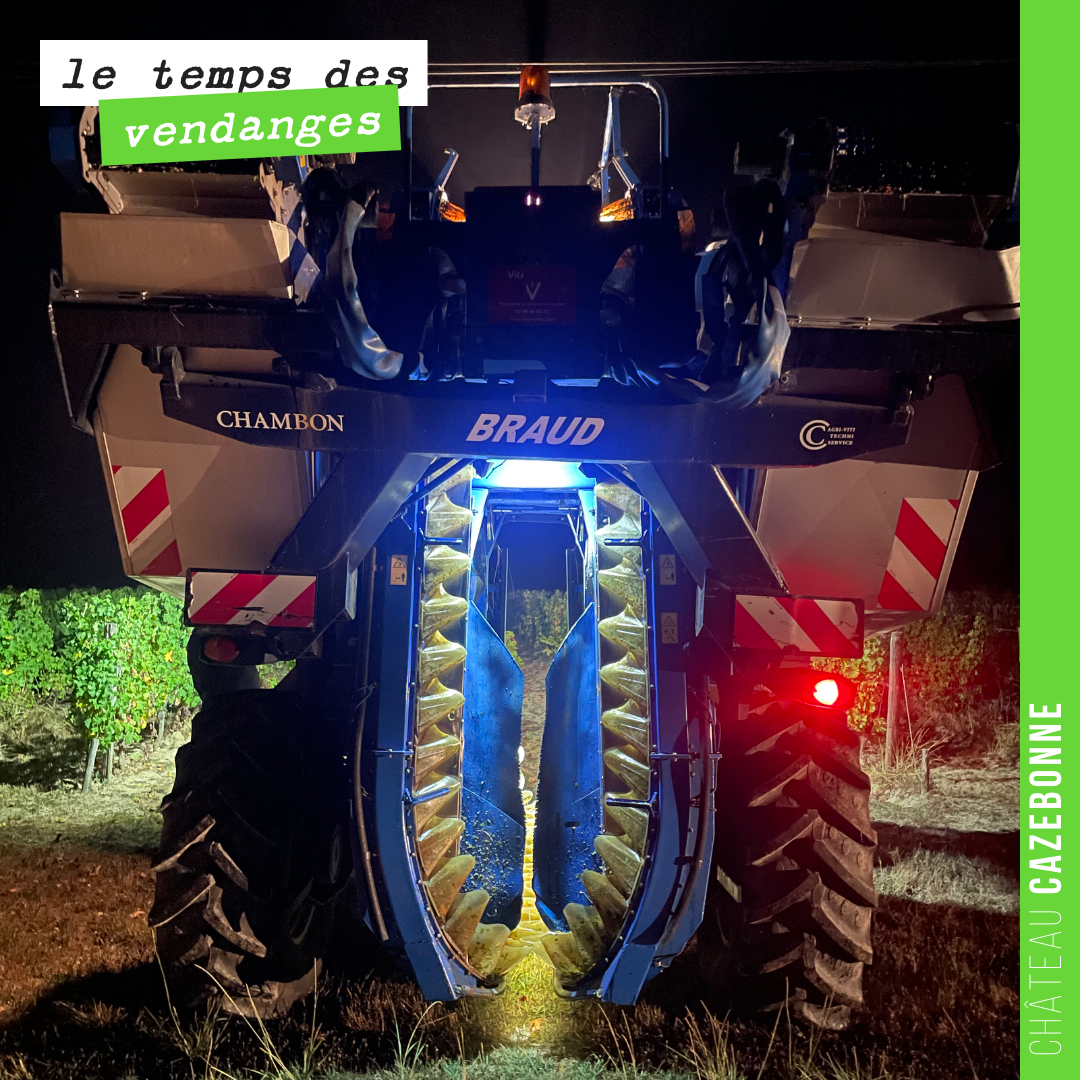
20 August 2026
By Jean-Baptiste
08 September 2020

25 August 2020
The cellar, forgotten grape varieties and our cuvées, twice a month. 5% off your first order with the code BIENVENUE.