
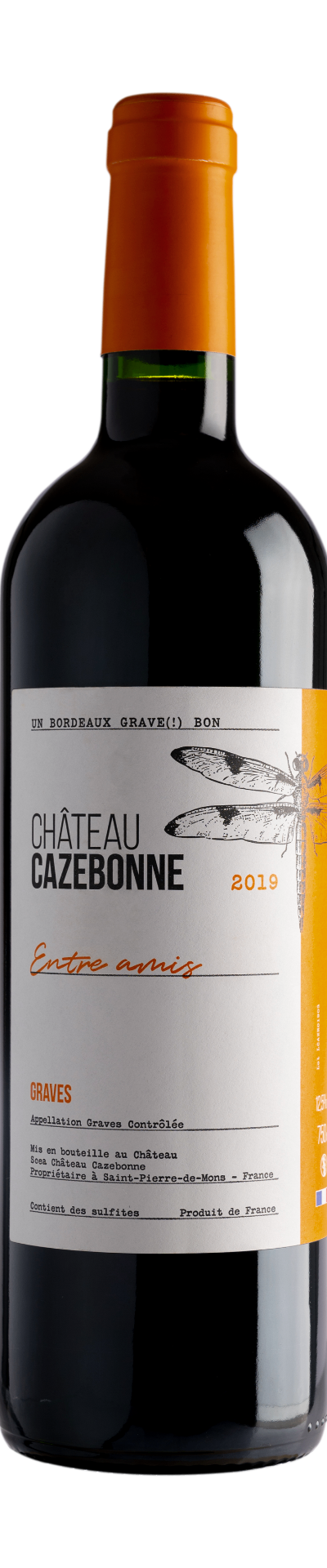
 The essential
6 × Entre Amis red
6 bottles — Graves red 2022
The best price of the cellar: €12 per bottle delivered.
The everyday red: generous and straight to the point.
I want itMosaic Downy Mildew
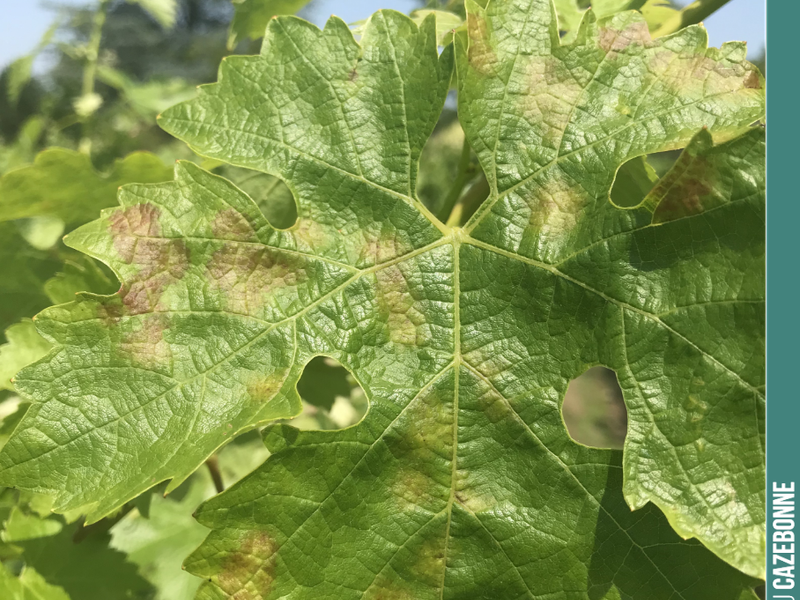
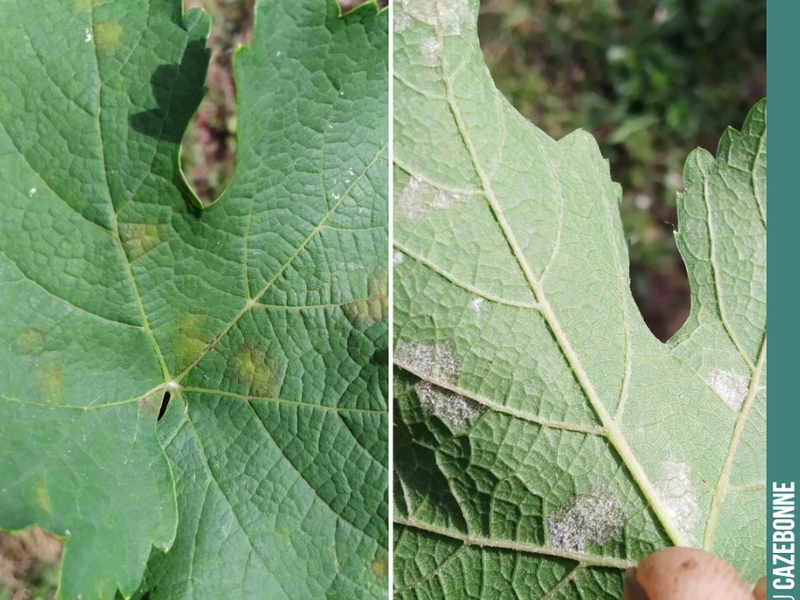
Downy mildew, this well-known scourge of winegrowers which has already been mentioned, sometimes presents less spectacular but equally pernicious faces. Among them is mosaic downy mildew. Its name evokes the particularity of its appearance. Mostly observed at the end of the season, when the vine leaves are older, this type of downy mildew manifests itself in a multitude of small spots. These macules are often polygonal, precisely delineated by the veins of the leaf, creating a pattern reminiscent of a mosaic.
Downy mildew is a cryptogamic vine disease caused by the pseudo-fungus Plasmopara viticola. Mosaic downy mildew is one of its forms, sometimes called "secondary downy mildew" or "late downy mildew", distinguished by its later appearance in the season and its specific visual symptoms.
The colour of these spots varies from bright yellow to reddish-brown, giving the leaf a premature autumnal appearance. Less aggressive than the typical downy mildew attacking young shoots and inflorescences, mosaic downy mildew is nonetheless an indicator of cryptogamic pressure and can weaken the plant just before the harvest, indirectly impacting the quality and maturity of the berries. Its detection is essential for effective vineyard monitoring, even at the end of the vegetative cycle, in order to best adapt cultural practices and preserve the qualitative potential of the harvest. This form of downy mildew is a reminder of the importance of constant and meticulous observation of the vineyard, a pillar of sustainable viticulture.
The development of mosaic downy mildew is favoured by periods of high humidity and moderate temperatures. Generally, the first (primary) infections occur in spring, but mosaic downy mildew manifests following secondary infections, later in the season, when the foliage is already well developed. Although its damage is less spectacular than downy mildew on clusters, it causes a reduction in the photosynthetically active leaf surface, affecting grape maturity and the build-up of the plant's reserves for the following year. This late form is evidence of the persistence of the inoculum in the vineyard.
At Château Cazebonne, our commitment to organic viticulture drives us to meticulously observe each vine. By favouring the balance of the ecosystem and strengthening the natural defences of the vine, we seek to limit the impact of these diseases. Our practices, such as promoting biodiversity and maintaining living soils, contribute to the resilience of our vines. Mosaic downy mildew, despite its discreet appearance, is taken into account in our monitoring and cultural decisions, notably to evaluate the overall pressure of cryptogamic diseases and adjust our natural interventions. Similarly, attacks by erinose are under constant observation.
In the book "Bordeaux, une histoire de cépages", Jean-Baptiste Duquesne describes the impact of diseases and climatic events such as phylloxera or the frost of 1956 on the diversity of Bordeaux grape varieties. The replanting of ancient varieties at Cazebonne, which are less homogeneous and sometimes more resilient, is also part of an approach to disease resistance. This diversified approach gives the vines a better ability to cope with stress, including the various forms of downy mildew.
At Château Cazebonne, our commitment goes beyond the fight against diseases; we have embarked on a vast project to revalue the ancient and forgotten grape varieties of Bordeaux. These grape varieties, which once constituted the wealth and diversity of our terroir, have unfortunately disappeared over the centuries. Replanting these rare varieties means not only reviving an exceptional viticultural heritage but also offering the vine better natural resilience against diseases. Indeed, biodiversity is a shield, and each grape variety has unique characteristics that can better adapt it to its environment and to health challenges. We thus contribute to rebuilding this Bordeaux genetic reservoir, which is essential for the future of viticulture in the face of climate change and growing parasitic pressures. This long-term work, requiring perseverance and passion, is made possible thanks to the enthusiasm and support of many wine lovers. By tasting our cuvées made from these grape varieties, you actively participate in the renaissance of these viticultural treasures and in the preservation of an entire facet of Bordeaux history. We invite you to learn more about the fascinating history of Bordeaux grape varieties by downloading the digital version of Jean-Baptiste Duquesne's book, to test your knowledge with our oenological quizzes, and to discover our cuvées by visiting our online shop.
Sources
Our suggestions
-5%on your 1st order with code BIENVENUE
The essential6 bottles — Graves red 2022
The best price of the cellar: €12 per bottle delivered.
The everyday red: generous and straight to the point.
I want it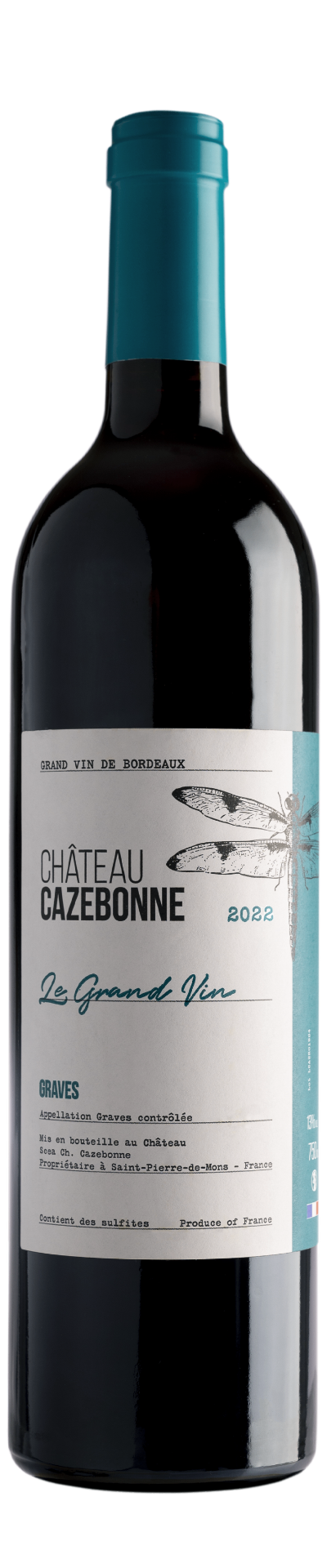 Our recommendation92/100 RVF
6 bottles — Graves red 2022, 92/100 RVF
Rated 92/100 by La Revue du vin de France: a solid 10-year ageing potential.
Our Graves for ageing, the finest gateway to the estate.
I want it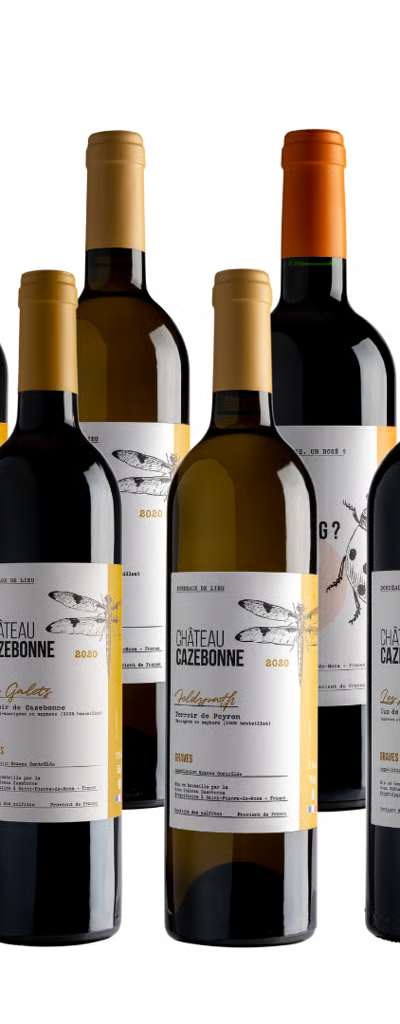 Go further
12 bottles — the whole range
12 bottles, the whole range tasted: the best discovery-to-price ratio.
The complete tour of the estate, in a single case.
I want it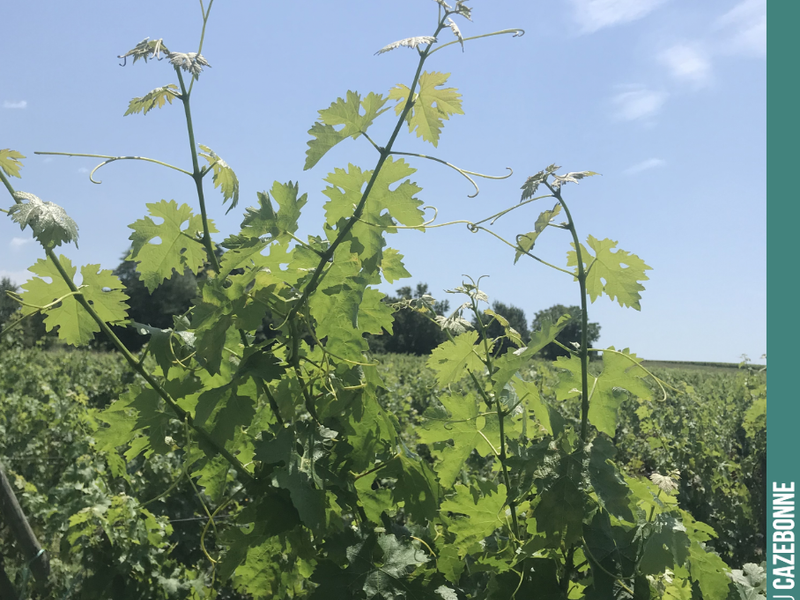
06 July 2020
28 June 2020
18 August 2019
The cellar, forgotten grape varieties and our cuvées, twice a month. 5% off your first order with the code BIENVENUE.