
 The essential
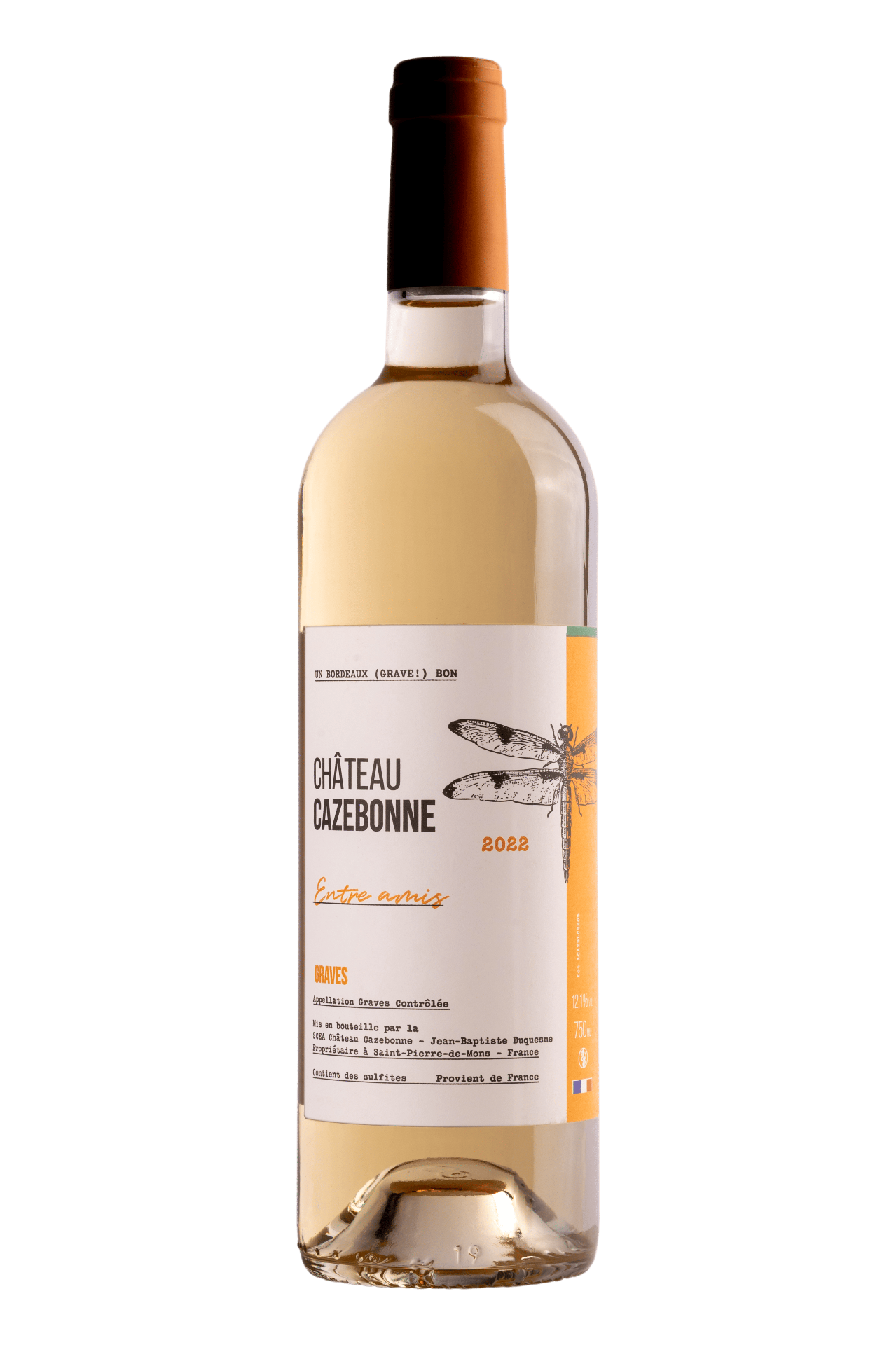
Entre Amis white 2024
Graves white 2024
Crisp and saline: the easy aperitif, at a gentle price.
The estate's thirst-quenching white, open it without thinking.
I want itCabernet Sauvignon
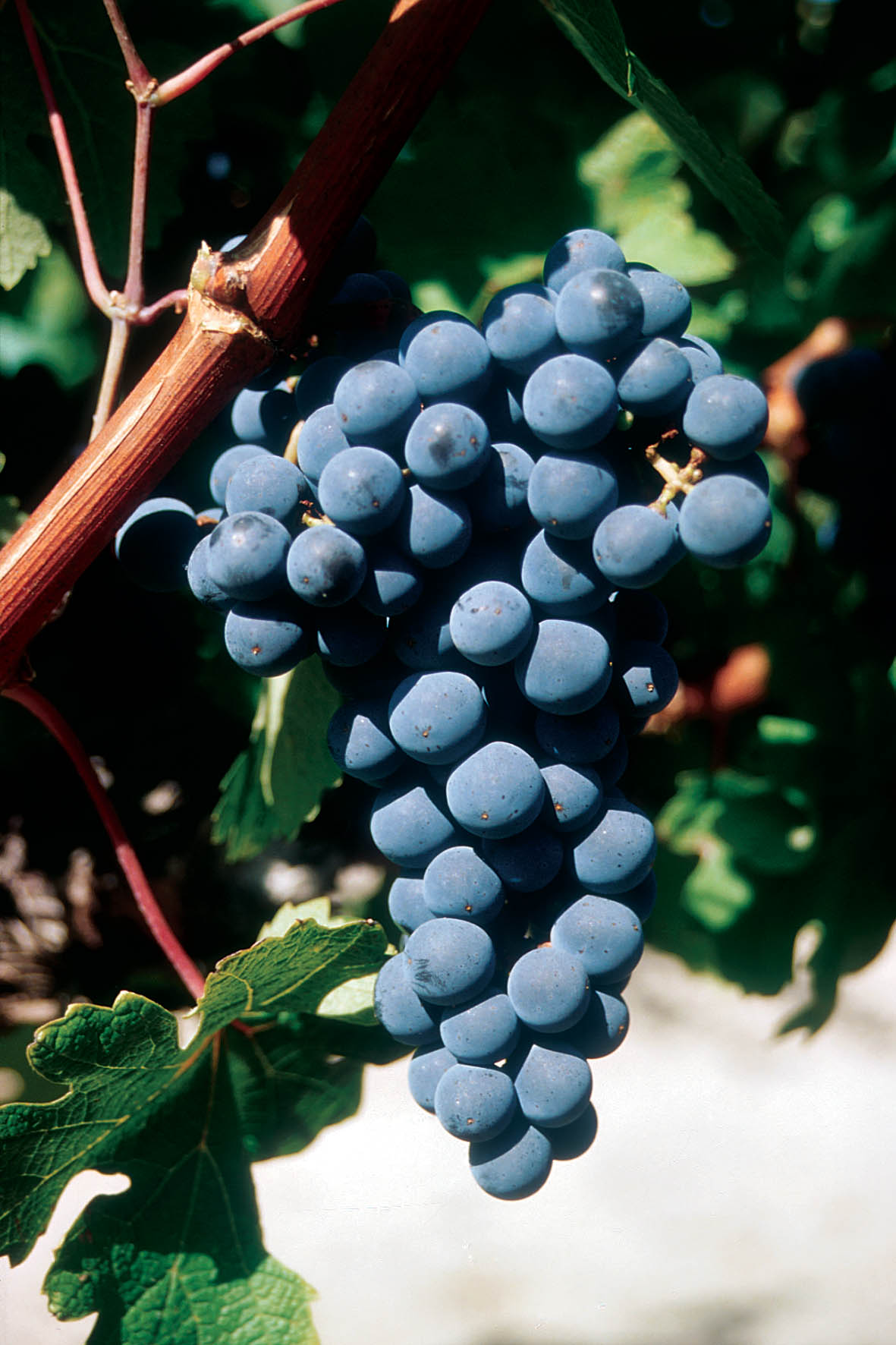
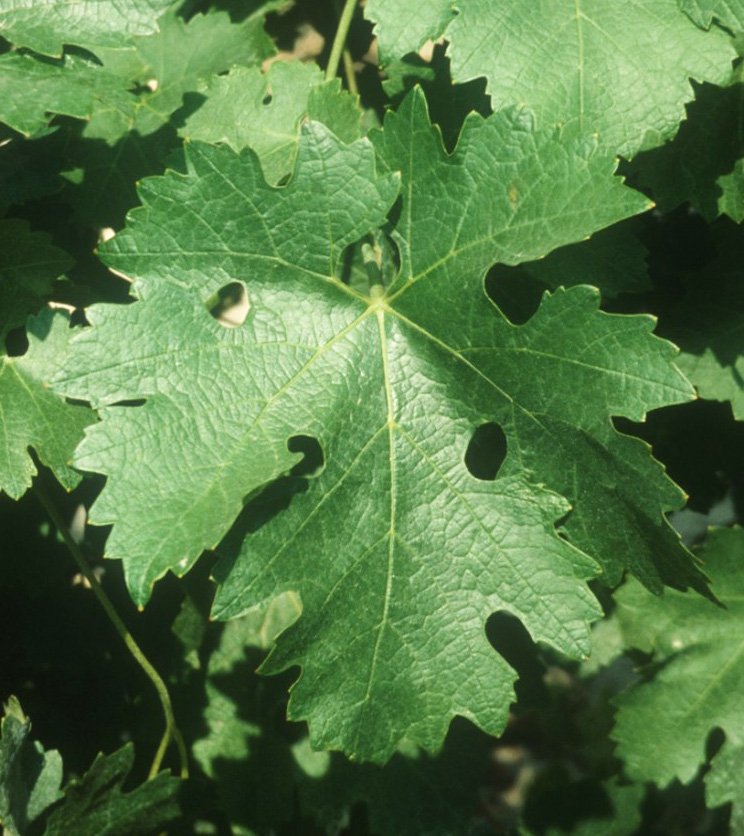
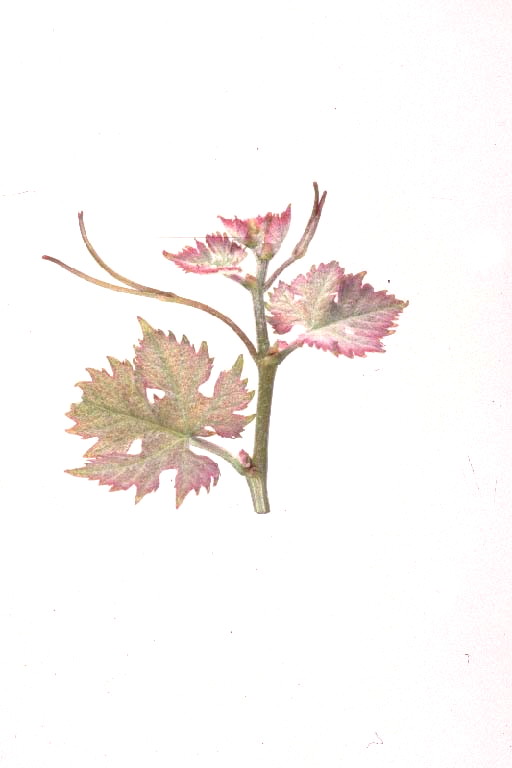
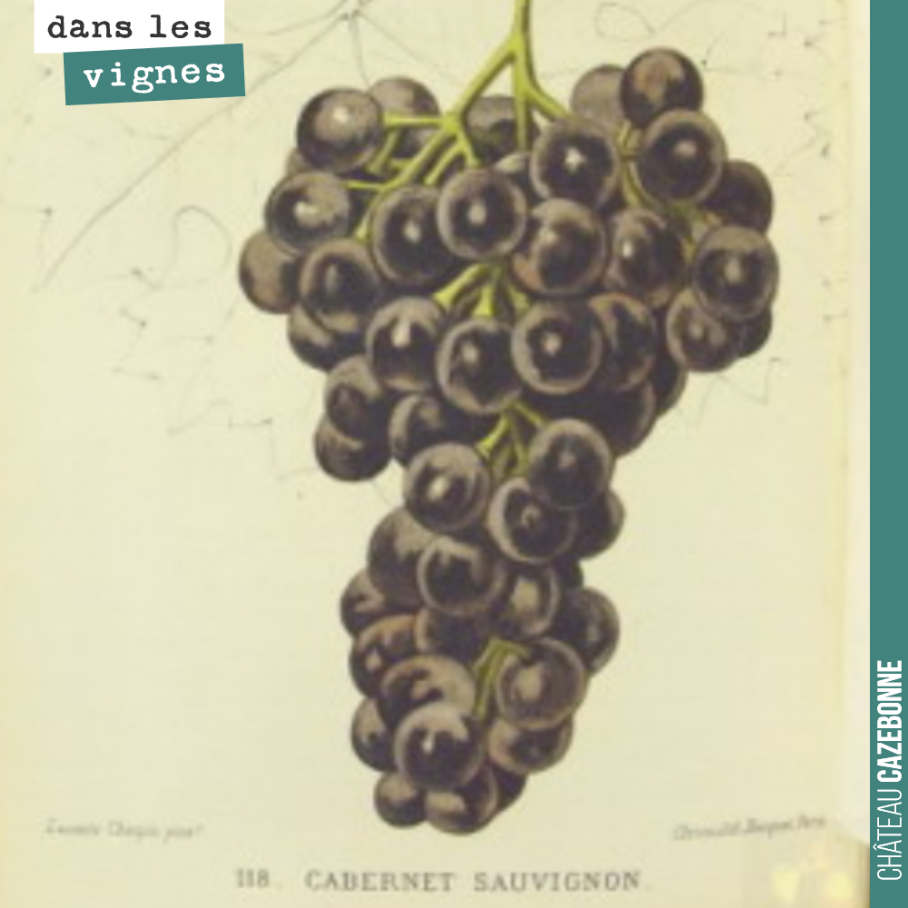
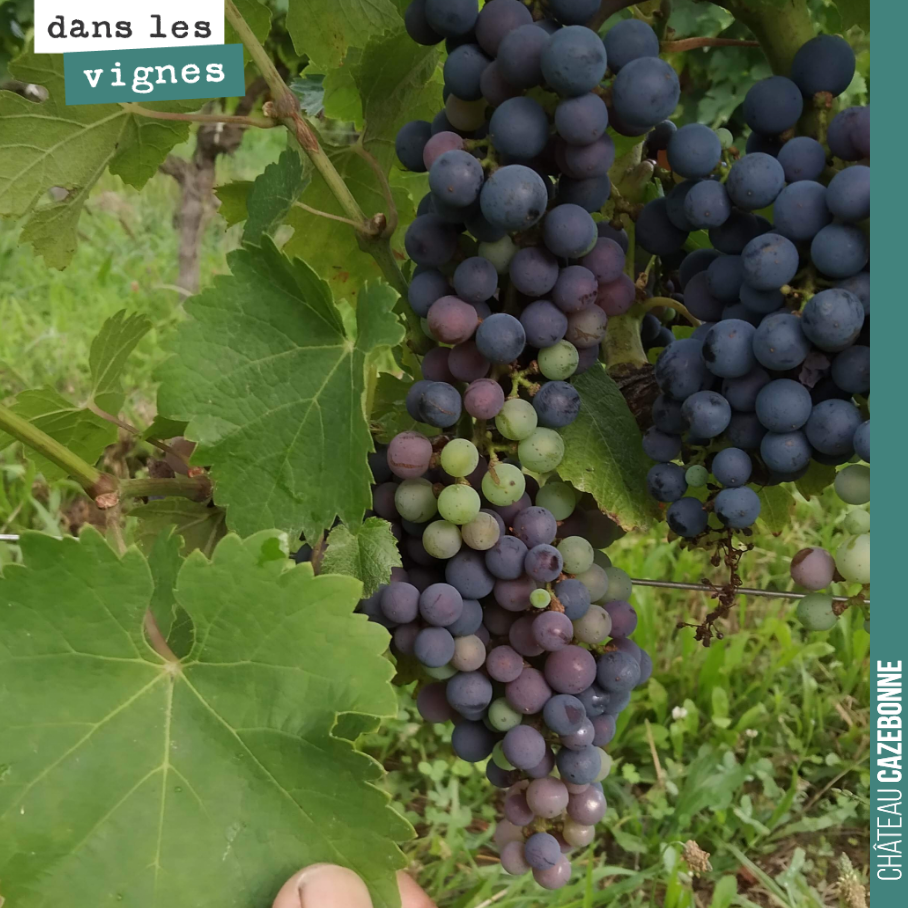
Cabernet-Sauvignon is undoubtedly the pillar of the great red wines of Bordeaux, and more particularly on the Left Bank, where it is the emblematic grape variety. Its history is fascinating: born from the natural and historical cross between Cabernet Franc and Sauvignon Blanc, genetically proven by the work of UC Davis in California in the 1990s, it carries the heritage of its parents through its exceptional qualities and recognisable structure. Thus, it inherited the intense aromas and powerful tannins of Cabernet Franc, combined with the vivacity and aromatic freshness of Sauvignon Blanc. To learn more about this family of grape varieties, discover the Sauvignon Rouge: a rare coloured mutation of Sauvignon Blanc.
Originally from our beautiful Bordeaux region, this black grape variety has become a global star, cultivated across almost all wine-growing latitudes for the production of high-quality red wines. It stands out for its robustness against grey rot, an invaluable quality in our climates. However, like any great lord, it has its sensitivities, particularly to wood diseases such as eutypa dieback and esca, as well as powdery mildew.
The late budburst of Cabernet-Sauvignon protects it from spring frosts, while its second-epoch maturity – approximately three and a half weeks after Chasselas – ensures a complete vegetative cycle, conducive to the concentration of its aromas and tannins. This is one of the secrets behind its ability to produce wines destined for long cellaring.
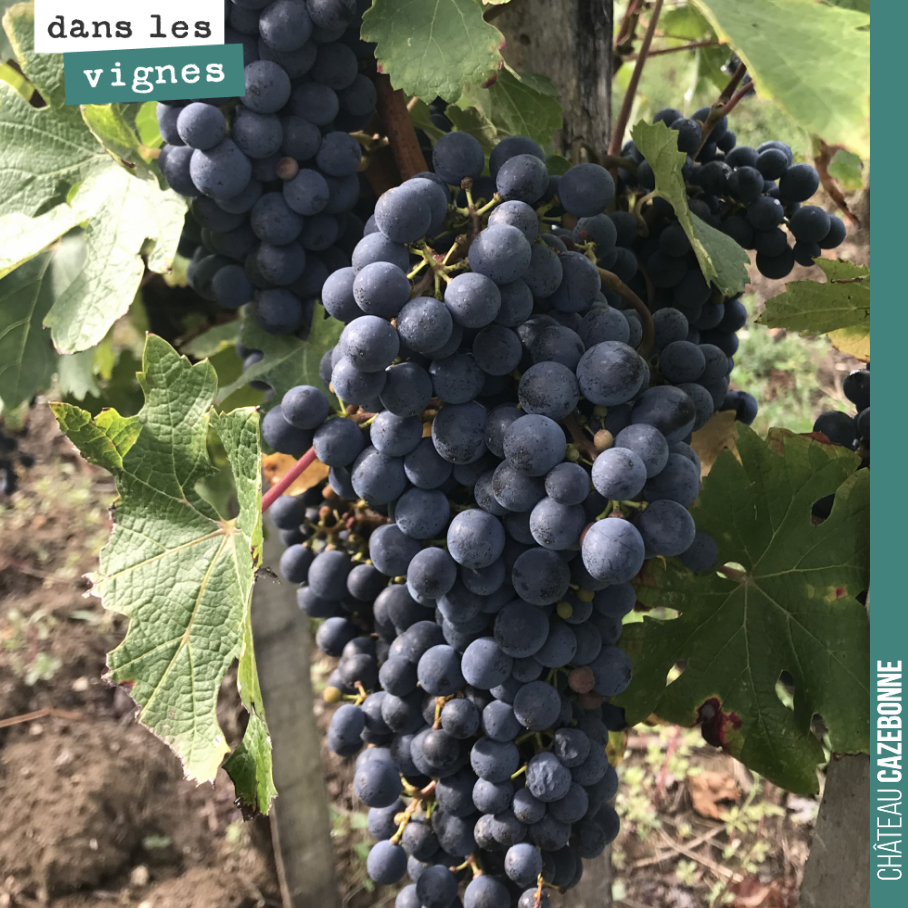
Wines made from Cabernet-Sauvignon are renowned for their power and richness. They offer a complex aromatic palette, dominated by notes of black fruits such as blackcurrant and blackberry, often accompanied by spicy touches (pepper, cedar) and sometimes floral, Havana cigar or pencil lead notes depending on the terroirs. On the limestone soils of Bordeaux, Cabernet-Sauvignon reveals more earthy nuances, evoking humus, wet leaves or mushrooms, which are markers of great complexity and beautiful depth.
| Characteristic | Description |
|---|---|
| Budburst | Late, approximately one and a half weeks after Merlot. |
| Flowering | Approximately one week after Cabernet Franc. |
| Veraison | Third epoch. |
| Maturity | Late second epoch (approximately three and a half weeks after Chasselas). |
| Vigour | Medium to high. |
| Growth habit | Erect. |
| Downy mildew sensitivity | Medium. |
| Powdery mildew sensitivity | High. |
| Botrytis sensitivity | Low due to its thick skin. |
| Black rot sensitivity | Medium. |
| Aromatic profile | Black fruits (blackcurrant, blackberry), spices (pepper, cedar), Havana cigar, pencil lead, earthy nuances on limestone soils. |
| Winemaking potential | Powerful, rich, structured wines, suitable for long cellaring. Excellent in blends with Merlot and Petit Verdot. |
Cabernet-Sauvignon is a grape variety whose establishment in Bordeaux developed over centuries. While its parents, Cabernet Franc and Sauvignon Blanc, were already present, the natural union of these two varieties gave birth to what would become one of the most illustrious grape varieties in the world's vineyards. Before the phylloxera era, winegrowers had to choose grape varieties in harmony with their specific terroirs. The damp soils of the palus, for instance, were ill-suited to Cabernet-Sauvignon, which "ended up withering" there due to root rot. The widespread use of grafting following the phylloxera crisis changed this situation, allowing greater freedom in planting grape varieties and contributing to the expansion of Cabernet-Sauvignon across the entire Bordeaux vineyard, wherever it thrives best. Today, it is the undisputed king of the Left Bank, capable of producing exceptional wines for cellaring, notably in the Médoc. For a historical perspective on this grape variety, you can read the Eulogy of Cabernet-Sauvignon (1897). For lovers of tannic wines, studying the Tannat grape variety is also of great interest.
At Château Cazebonne, we are proud to perpetuate the history and diversity of Bordeaux grape varieties. Our commitment is not limited to the varieties that are currently in the majority. We are also replanting those forgotten grape varieties that made the richness and variety of Bordeaux in the past, while taking an interest in Marselan: a recent grape variety authorised to combat climate change in Bordeaux or Arinarnoa: a recent crossbreed authorised for adaptation in Bordeaux. This meticulous work of preservation and innovation is made possible by the unwavering support of the many wine lovers who, by adopting our wines, allow us to continue writing this beautiful viticultural story. To deepen your knowledge of the fascinating history of Bordeaux grape varieties, do not hesitate to receive the digital version of the book "Bordeaux, a history of grape varieties" by Jean-Baptiste Duquesne, and test your knowledge with our oenological quizzes. Finally, to discover our cuvées made from these grape varieties, including our superb expressions of Cabernet-Sauvignon, we invite you to visit the Cazebonne shop.
Sources
Our suggestions
-5%on your 1st order with code BIENVENUE
The essentialGraves white 2024
Crisp and saline: the easy aperitif, at a gentle price.
The estate's thirst-quenching white, open it without thinking.
I want it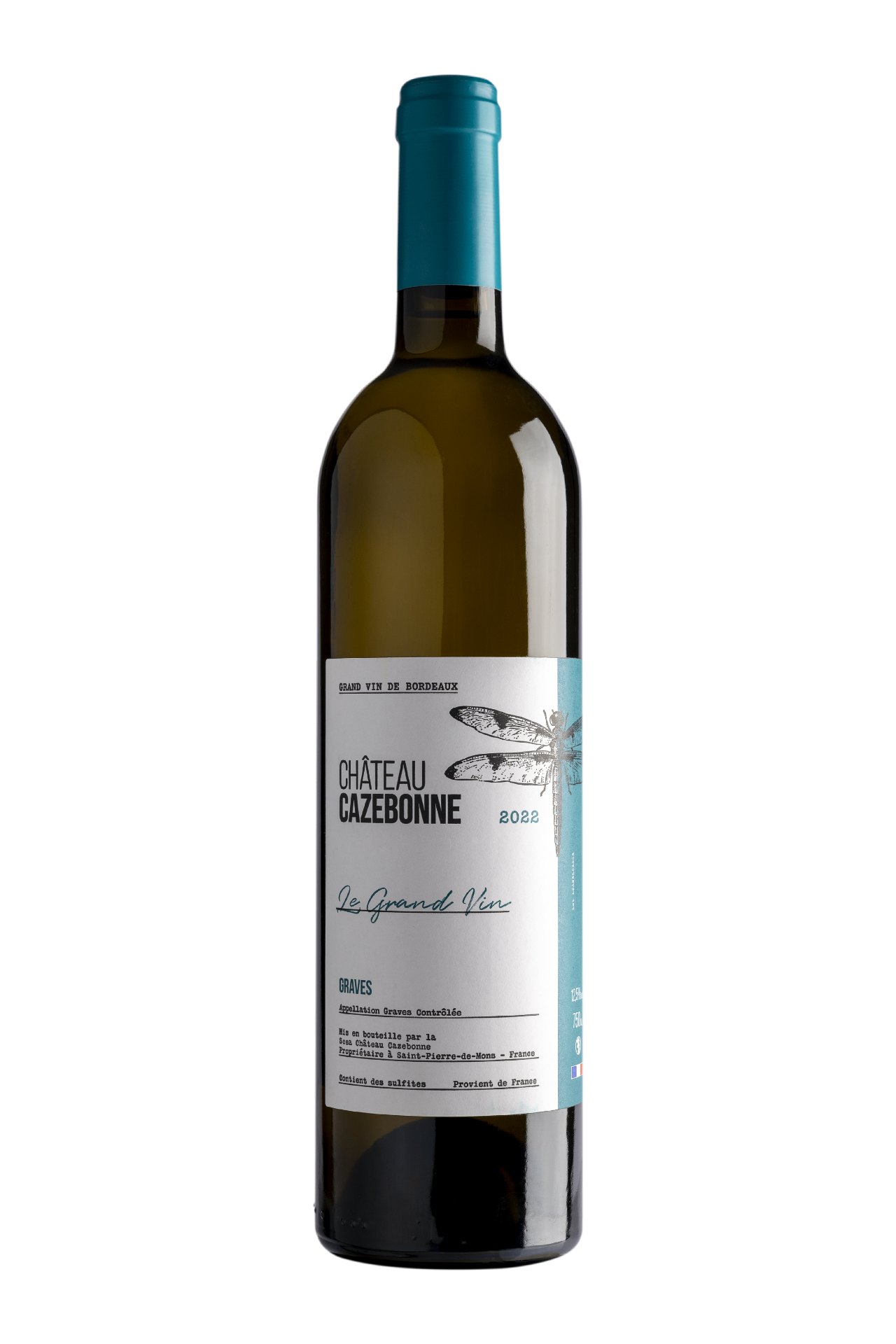 Our recommendation92/100 RVF
Graves white 2022, 92/100 RVF
Rated 92/100 by La Revue du vin de France: old-vine Sémillon.
The great Graves white: taut and deep.
I want it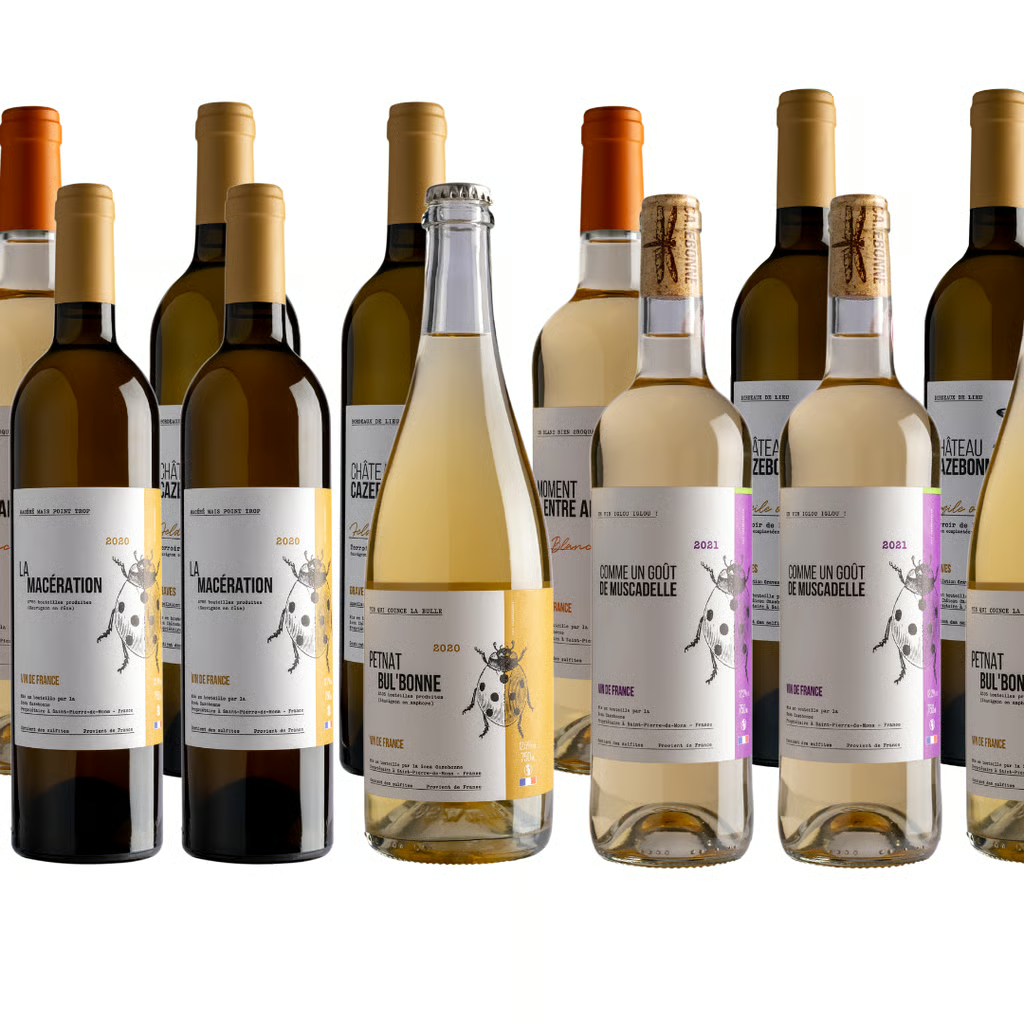 Go further
12 bottles — plot selection
All our organic whites together: the complete plot-by-plot flight.
To explore Sémillon in all its forms.
I want it
13 October 2022
18 October 2021
18 December 2020
08 October 2020
26 September 2020
15 August 2020
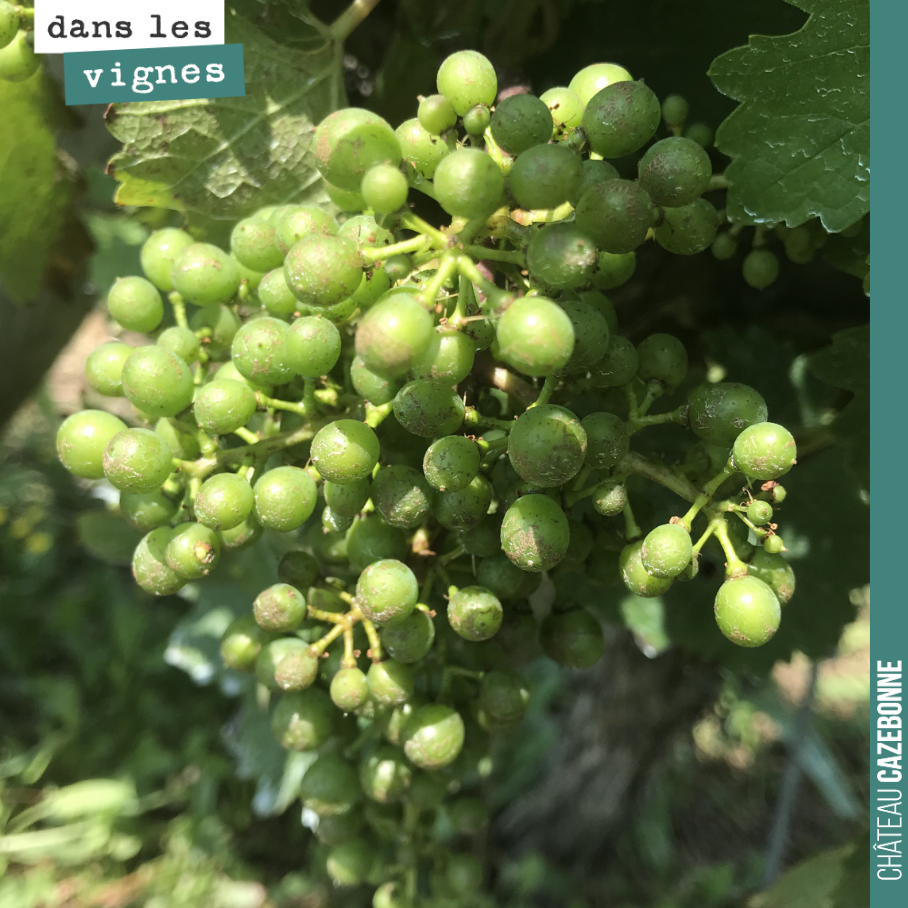
29 June 2020
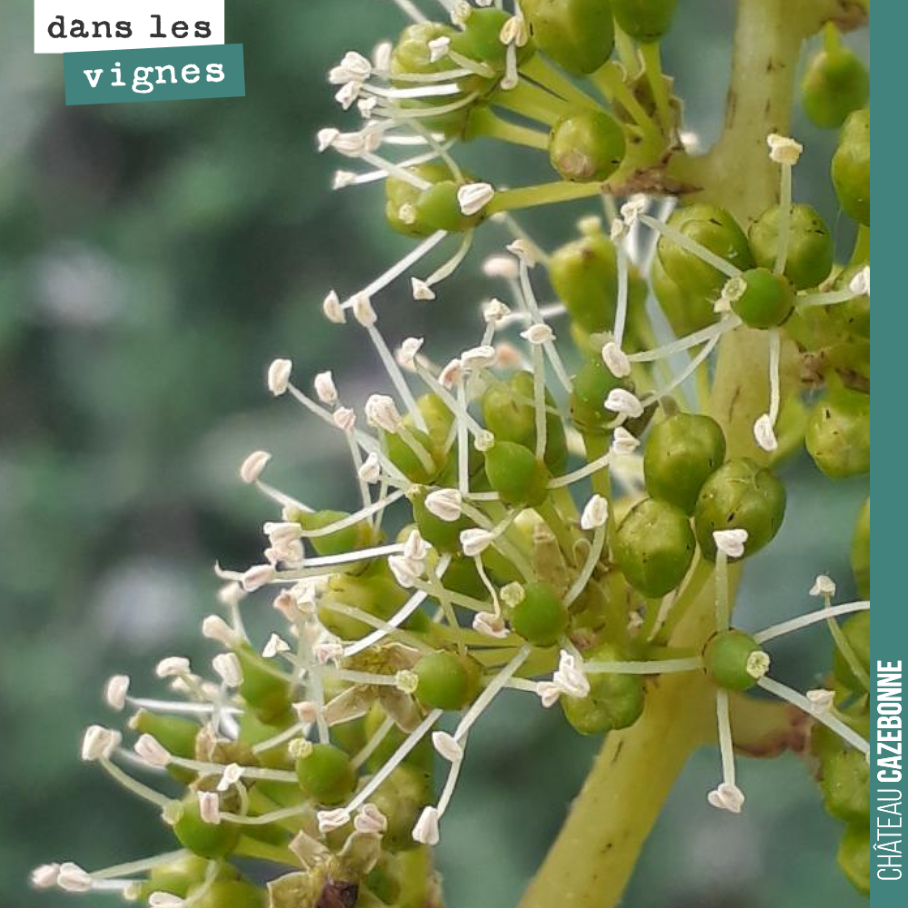
23 May 2020
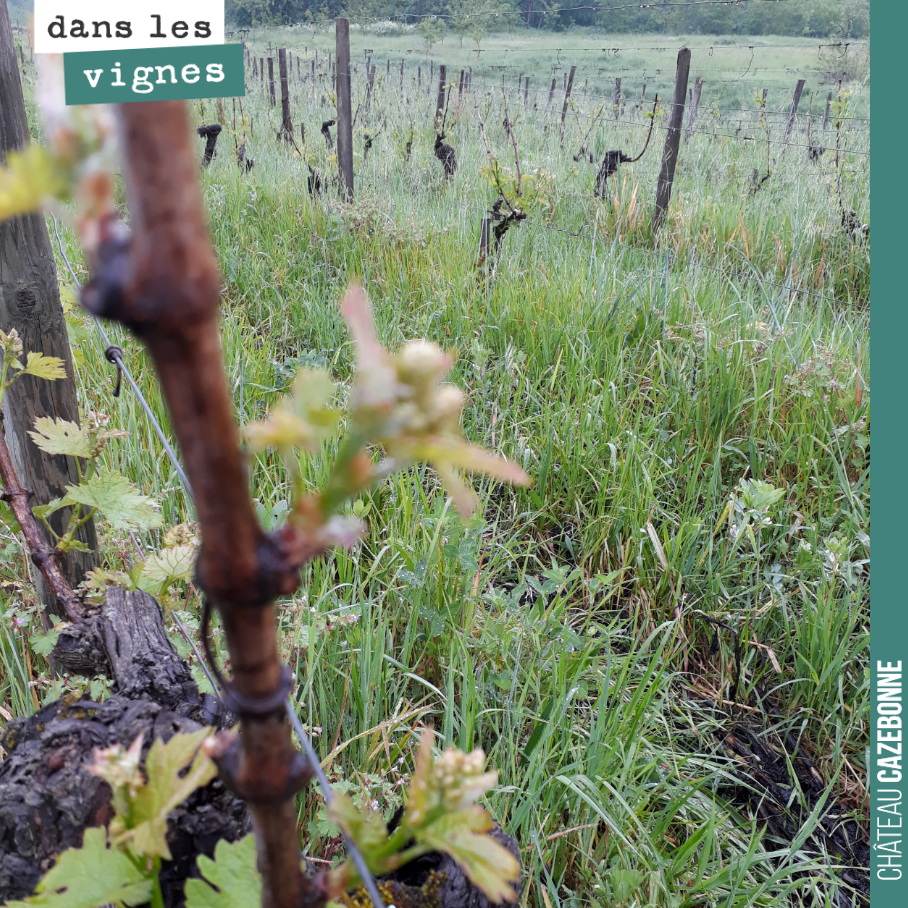
22 April 2020
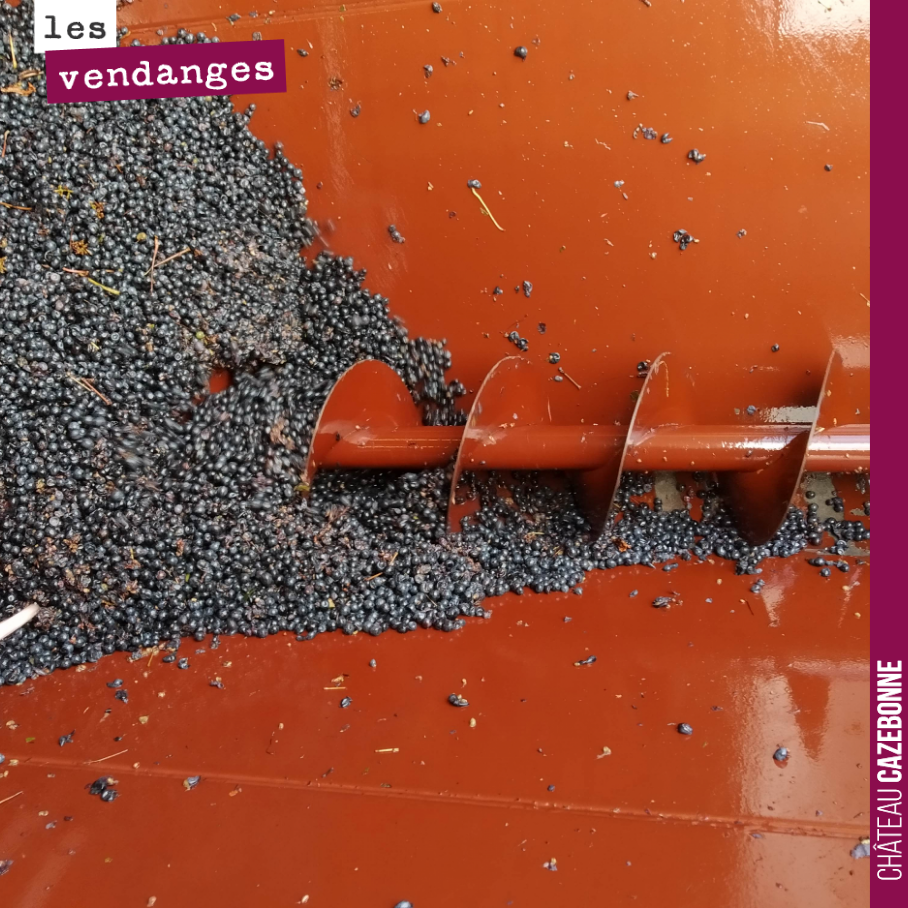
12 October 2019
10 October 2019
07 October 2019
05 October 2019
05 October 2019
24 August 2019
09 August 2019
08 August 2019

22 March 2019
The cellar, forgotten grape varieties and our cuvées, twice a month. 5% off your first order with the code BIENVENUE.