
 The essential92/100 RVF
6 × Le Grand Vin red
6 bottles — Graves red 2022, 92/100 RVF
Rated 92/100 by La Revue du vin de France: a solid 10-year ageing potential.
Our Graves for ageing, the finest gateway to the estate.
I want itThe Bordeaux vineyard, with its richness and diversity, is a heritage we cherish. But behind this idyllic image, silent erosion threatens the very essence of our terroirs: the loss of our plant material. This is not a minor detail; it is the foundation of our future wines. At Château Cazebonne, we are calling on all winemakers: let's become aware of this urgency and act together. The future of our appellations depends on our ability to preserve what makes us unique.
When we talk about "plant material", we are referring to all the vine stocks that make up our plots: old rootstocks, mass selections unique to our terroirs, and grafts carrying a specific history and adaptation. It's not just any vine stock; it's one that has withstood decades, acclimatised itself, and best expresses our soil and climate. It differs from standardised clones, available in catalogues, which are certainly useful but represent only a fraction of the existing diversity. The true richness of a vineyard often lies in these old vines, naturally selected over time.
This richness is eroding under several pressures. Firstly, the need for productivity sometimes leads to the uprooting of less profitable old vines. Secondly, and significantly, the resurgence of wood diseases, such as Esca, necessitates massive uprooting and replanting with material often from limited selections. The frost disaster of 1956, for example, led to rapid replanting with grape varieties considered high-performing at the time, thereby reducing the intra-varietal diversity of our vineyard, as reported by Jean-Baptiste Duquesne in his work "Bordeaux, une histoire de cépages" (Partie 2). The ease of access to certified clones, while practical, also diminishes the temptation to seek singularity within our own vines. This is a slow but continuous erosion of what makes up the soul of our Bordeaux grape varieties.
If we allow this diversity to disappear, the risks are numerous and serious. Less genetic diversity means less resilience to diseases or climate variations. Imagine: if all our vines are genetically similar, they are all vulnerable to the same scourges. It also means a loss of the typicity of our wines: each local selection brings its nuance, its complexity, its unique expression of the terroir. Our wines could lose their soul, their ability to tell a singular story. Preserving biodiversity in our plots means guaranteeing the ability of our vines to adapt to future challenges.
Every winemaker has a role to play. The first step? Identify the most resistant, highest-quality vine stocks in your plots, those that thrive year after year. Observe them, note their characteristics. Then, you can take healthy grafts from them — a practice called "massal selection". These grafts can be multiplied in a small dedicated plot or with a nurseryman you collaborate with. It is a work of patience, meticulous observation, but essential. Always ensure the selected material is healthy, particularly regarding viruses.
The strength of the collective is our best ally. Beyond individual actions, we must dialogue, share our experiences and discoveries. Technical institutes such as the IFV (Institut Français de la Vigne et du Vin), the CIVB (Conseil Interprofessionnel du Vin de Bordeaux), local conservatories, and nurserymen play a crucial role. As highlighted in the book "Bordeaux, une histoire de cépages" (Partie 18), national and regional structures have been responsible for the conservation of plant material since the 1960s to limit genetic erosion. These experts can support us in the characterisation, multiplication, and secure conservation of these treasures. By working together, we can create local plant material banks, pooling our efforts and knowledge. The future of our vineyards is in our hands, but also in our ability to unite our intelligences.
At Château Cazebonne, we are already committed to this path. We carry out rigorous massal selection on our oldest plots, identifying and multiplying rootstocks that stand out for their natural resistance and unique aromatic expression. We collaborate with local experts to ensure the longevity of our heritage. We believe it is our responsibility to pass on a healthy and diversified vineyard to future generations, a legacy that reflects the richness of our terroir.
This call is not wishful thinking; it is a necessity. The genetic diversity of our vines is our shield against tomorrow's climatic and sanitary challenges. It also guarantees the typicity and greatness of our Bordeaux wines. Winemakers, it is up to us to act. Let us not allow the flame of our plant heritage to be extinguished. Let us be the guardians of this biodiversity, for our terroirs, for our wines, for generations to come!
Our suggestions
-5%on your 1st order with code BIENVENUE
The essential92/100 RVF6 bottles — Graves red 2022, 92/100 RVF
Rated 92/100 by La Revue du vin de France: a solid 10-year ageing potential.
Our Graves for ageing, the finest gateway to the estate.
I want it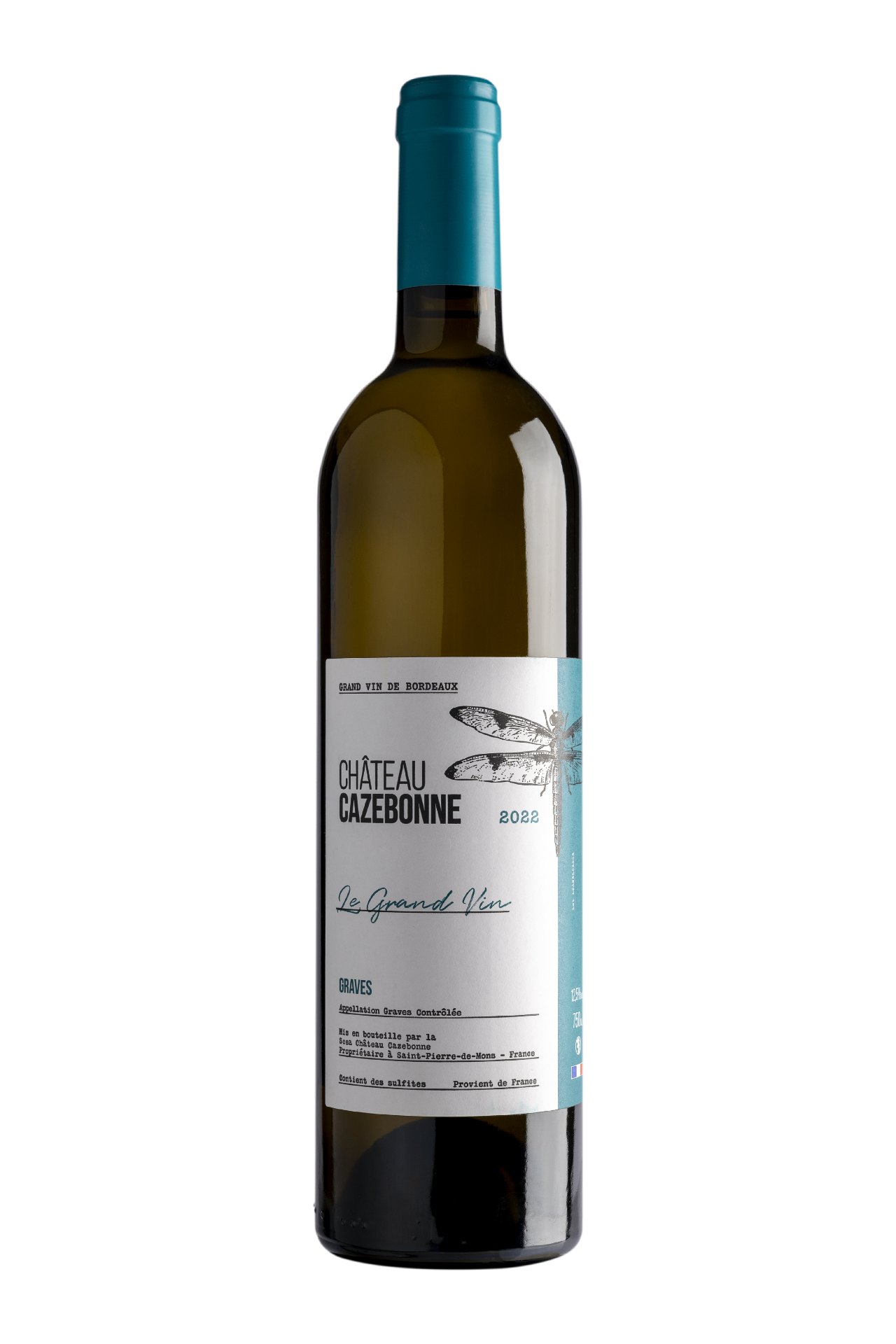 Our recommendation92/100 RVF
Graves white 2022, 92/100 RVF
Rated 92/100 by La Revue du vin de France: old-vine Sémillon.
The great Graves white: taut and deep.
I want it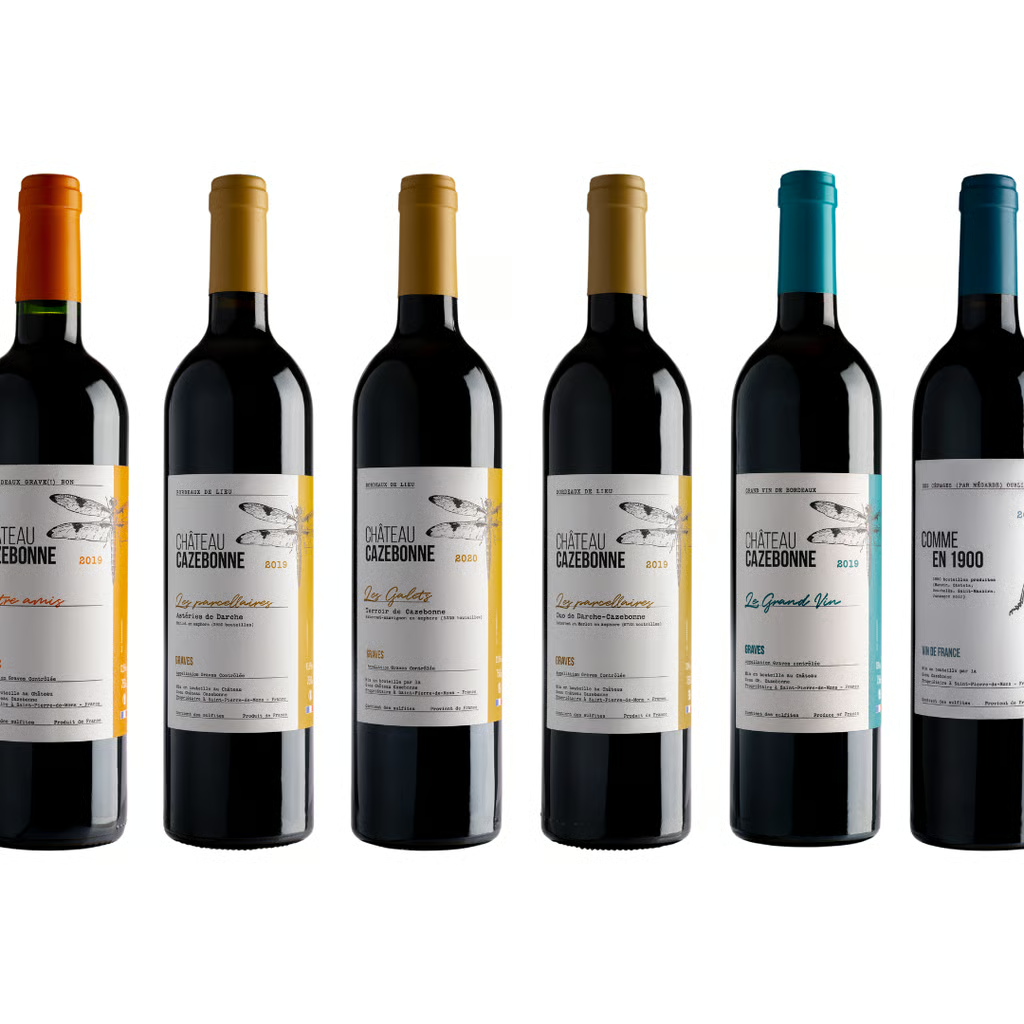 Go further
6 bottles — Graves & Bordeaux
Six organic reds to compare the estate's plots.
The reds discovery, short format.
I want itThe cellar, forgotten grape varieties and our cuvées, twice a month. 5% off your first order with the code BIENVENUE.