
 The essential92/100 RVF
Comme en 1900 red 2022
Vin de France — heritage grapes, 92/100 RVF
The pre-phylloxera Bordeaux blend, revived at the estate.
Castets, Mancin, Pardotte: the Bordeaux before Bordeaux.
I want itGrape varieties
The Bordeaux vineyard, recognised worldwide for the quality of its wines, owes its uniqueness to a specific combination of terroirs and grape varieties. The identity of Bordeaux wines is shaped by this varietal diversity, even though certain grape varieties dominate today. Historically, Bordeaux was home to a multitude of grape varieties, many of which have been forgotten or marginalised over time. Today, we mainly distinguish between red grape varieties and white grape varieties, each bringing its typical characteristics to the blends.
The Bordeaux varietal mix has constantly evolved over the centuries, adapting to climatic and economic constraints, as well as technical advances. Before phylloxera at the end of the 19th century, the diversity was much greater. The phylloxera disaster, followed by the reconstruction of the vineyard, favoured rationalisation and a shift towards more productive and resistant grape varieties. The establishment of Appellations d'Origine Contrôlée (AOC) from 1935 (Source 3) subsequently formalised and sometimes restricted the list of authorised grape varieties, thereby standardising the plantings, particularly for red wines.
The history of Bordeaux grape varieties is full of twists and turns. Certain grape varieties, once ubiquitous, have disappeared or become very rare, while others, more resistant or better suited to market changes, have taken over. The encounters of modest grape varieties is a subject intrinsically linked to the winegrowers' desire to produce quality wines, capable of adapting to consumer tastes and the demands of successive markets (Source 2).
Bordeaux grape varieties, whether red or white, exhibit diverse ampelographic and oenological characteristics that allow winegrowers to create a broad palette of wines. For the reds, the complementarity between Cabernet Sauvignon, Merlot and Cabernet Franc is undeniable, offering structure, fruitiness and freshness. As for the whites, Sémillon, Sauvignon and the Muscadelle grape variety stand out for their ability to produce aromatic dry wines and opulent sweet wines. What these grape varieties share is an aptitude for blending, making it possible to achieve a balance and complexity that single-varietal wines more rarely offer.
Faced with current challenges, notably climate change and the preservation of biodiversity, the Bordeaux vineyard is in a period of deep reflection. The quest for freshness, lower alcohol content and acidity in wines encourages the experimentation with new grape varieties or the return of ancient grape varieties, better suited to future conditions. 'Resistant' or 'adaptive' grape varieties are also being studied to sustain viticultural activity. This approach is part of a desire to diversify the offering and guarantee the vineyard's resilience in the face of climatic uncertainty.
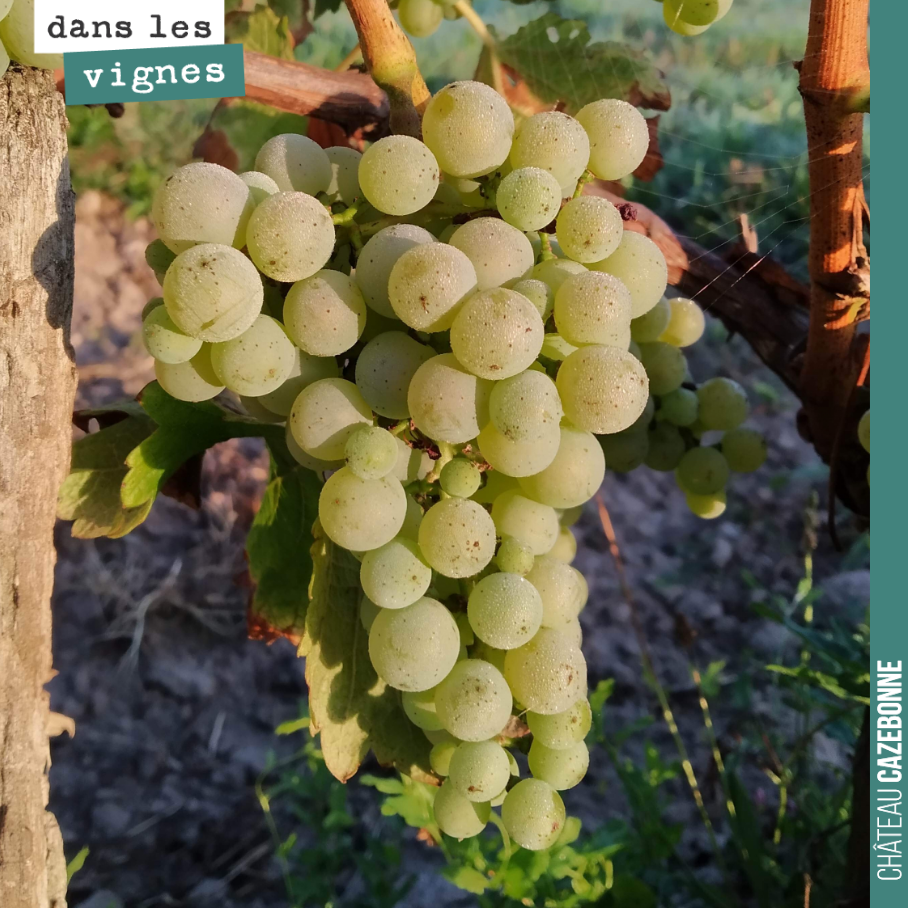
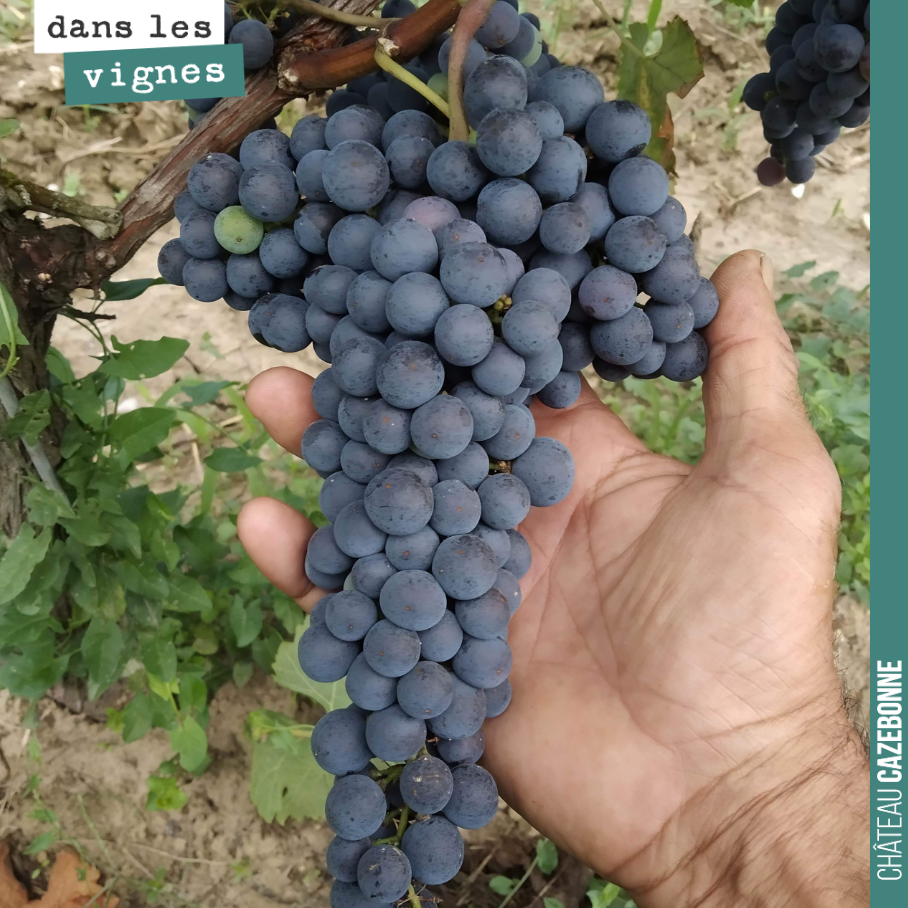
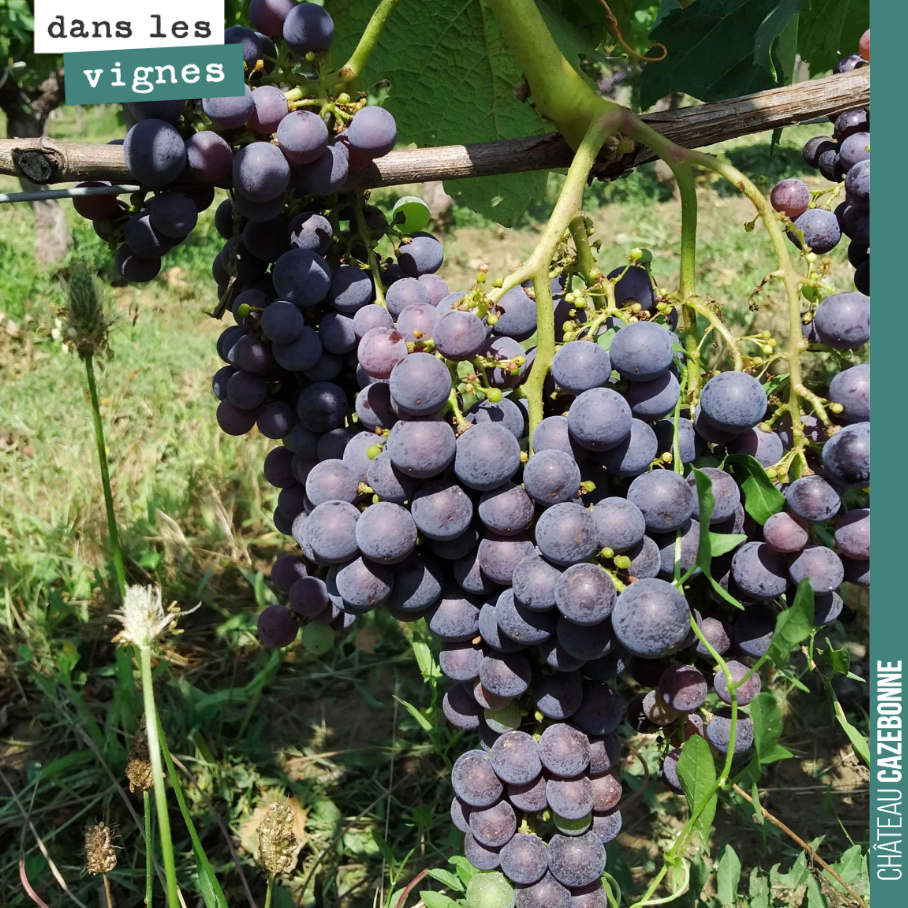
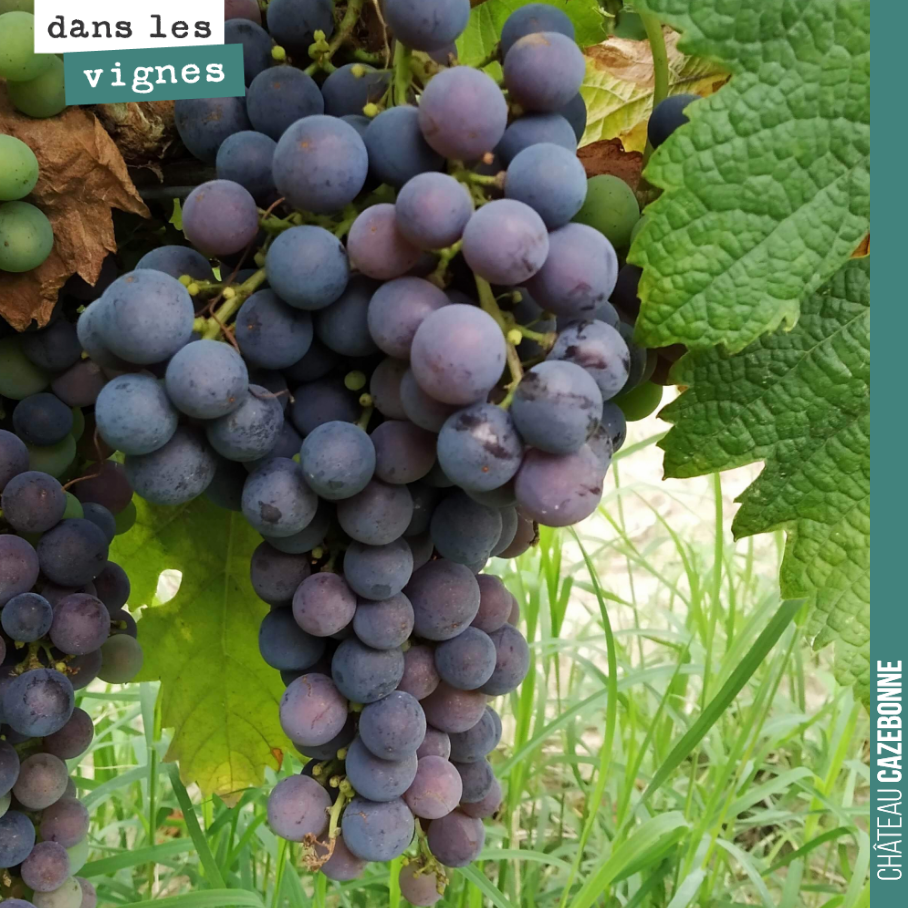
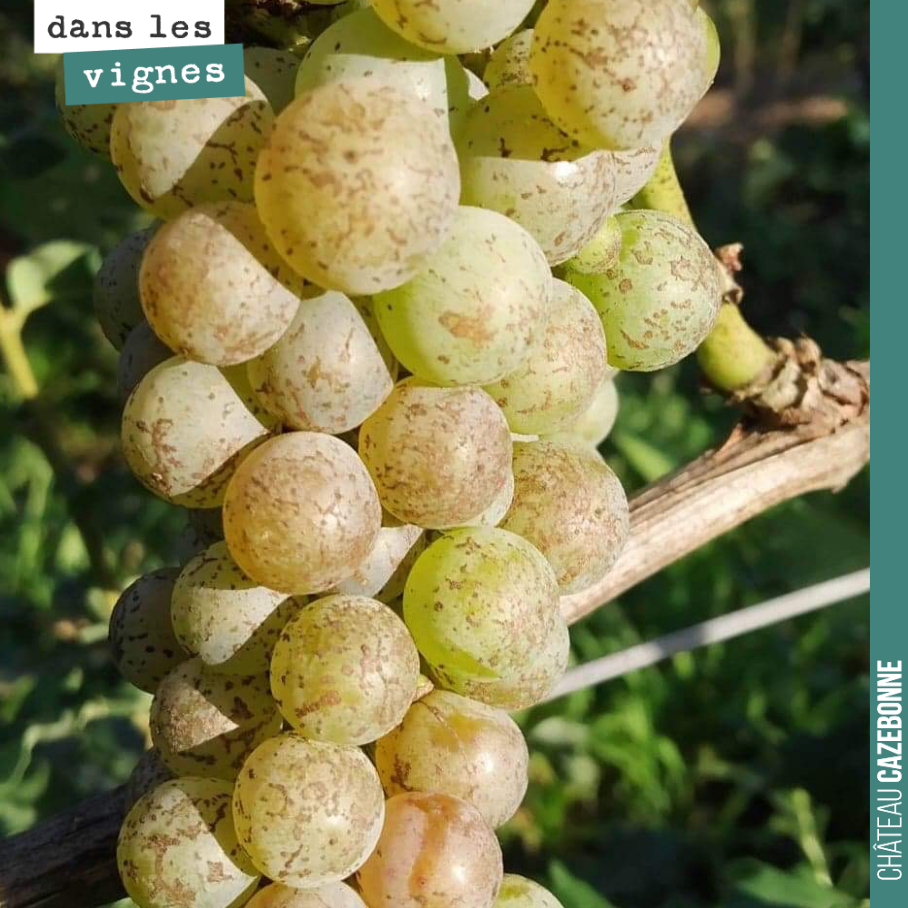
At Château Cazebonne, we are deeply committed to promoting Bordeaux's viticultural heritage. Beyond the iconic grape varieties, we take a keen interest in the Bordeaux grape varieties of yesteryear, those that marked the history of the vineyard before being forgotten. Our commitment is reflected in the replanting of these rare grape varieties, such as Blanc Verdet or Castets, in order to enrich the complexity and typicality of our wines. This proactive approach aims to bring forgotten flavours back to life and explore new expressions of our terroir.
To deepen your knowledge, we invite you to discover the richness of the different Bordeaux grape varieties, through their history and their detailed characteristics. Explore our section on Bordeaux white grape varieties, or dive into the world of reds with Merlot and Cabernet Sauvignon, not forgetting the fascinating forgotten grape varieties that are coming back to life in our plots. Furthermore, if you are interested in the motivations behind our profession, you will find relevant information in our article on why I became a winegrower.
At Château Cazebonne, we are committed to preserving and enriching this viticultural heritage, by replanting these grape varieties that had disappeared from Bordeaux. This meticulous work is made possible by the unwavering support of enthusiasts who have adopted our wines and share our vision. To further your knowledge, do not hesitate to receive the digital version of the book "Bordeaux, a history of grape varieties", an essential work that you can find by clicking on this link: our book on ancient grape varieties. And to test your knowledge, have fun with our oenological quizzes, before discovering our wines, the fruits of this authentic and respectful approach.
Sources
Our suggestions
-5%on your 1st order with code BIENVENUE
The essential92/100 RVFVin de France — heritage grapes, 92/100 RVF
The pre-phylloxera Bordeaux blend, revived at the estate.
Castets, Mancin, Pardotte: the Bordeaux before Bordeaux.
I want it Our recommendation
IGP Atlantique — rare grape variety
A forgotten grape brought back: dense colour, wild fruit.
For the curious about lost grape varieties.
I want it Go further
12 bottles — the whole range
12 bottles, the whole range tasted: the best discovery-to-price ratio.
The complete tour of the estate, in a single case.
I want it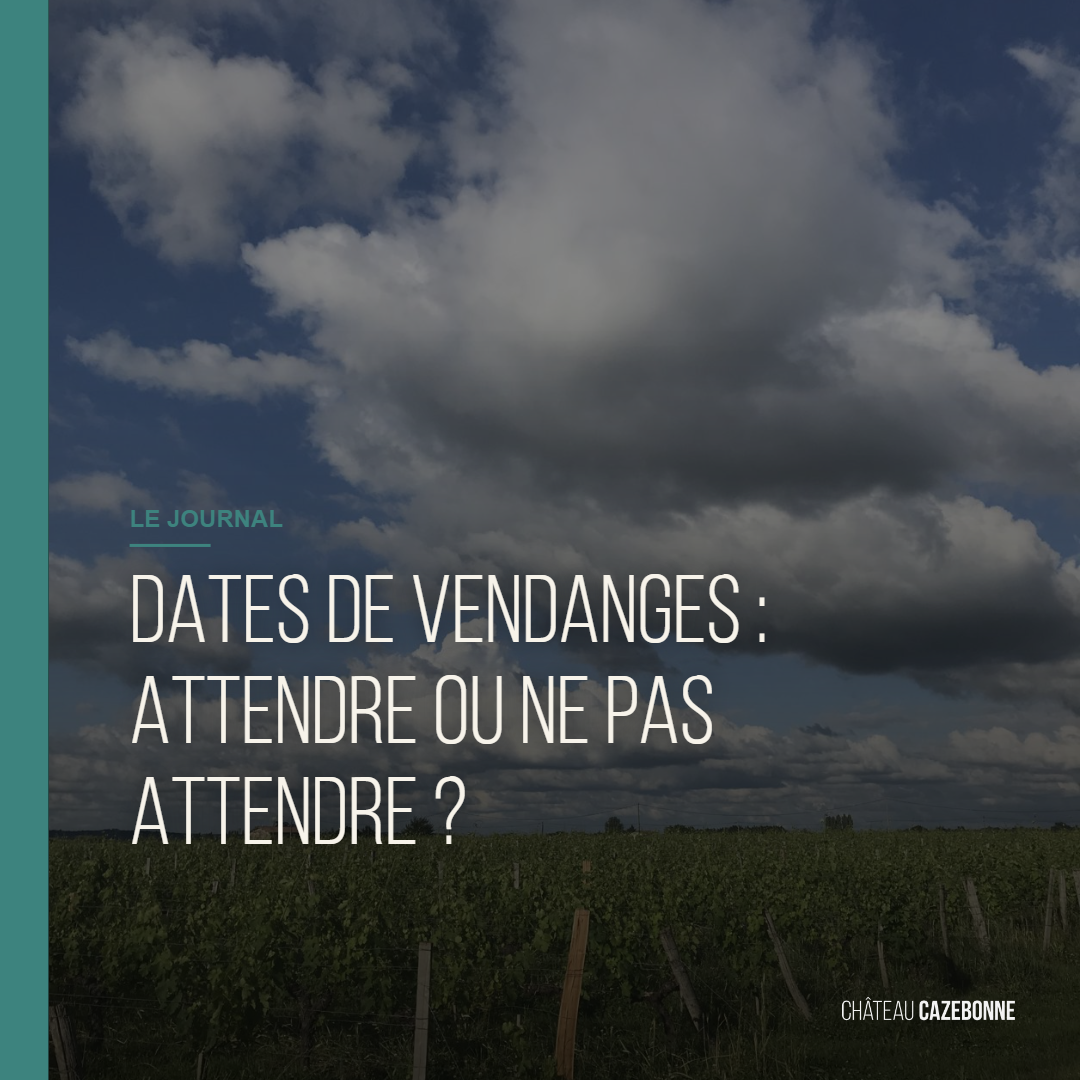
12 October 2026
Harvest dates – this is THE question that preoccupies us annually here at the vineyard. Should we wait for ideal skin ripeness or preserve freshness and balance, as alcohol levels soar and acidity levels plummet? It's no longer a simple choice, but a genuine conundrum, exacerbated by climate change.
By Jean-Baptiste
02 October 2026
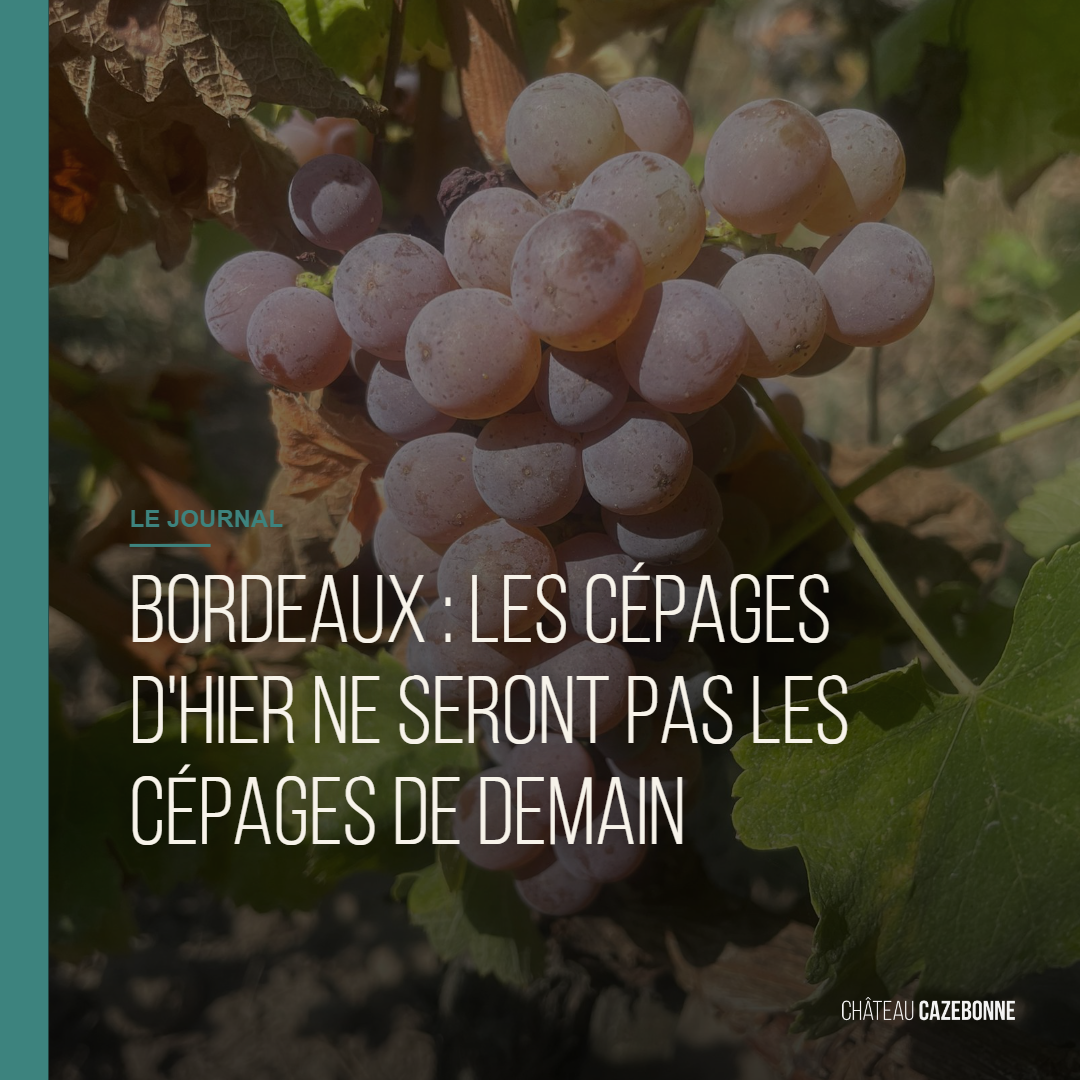
Faced with climatic challenges, we have a duty to question our practices. For over ten years, we have been exploring the potential of our region's forgotten grape varieties. These ancient varieties, such as Bouchalès or Jurançon noir, offer natural solutions to current imbalances: improved resistan
By Jean-Baptiste
28 September 2026
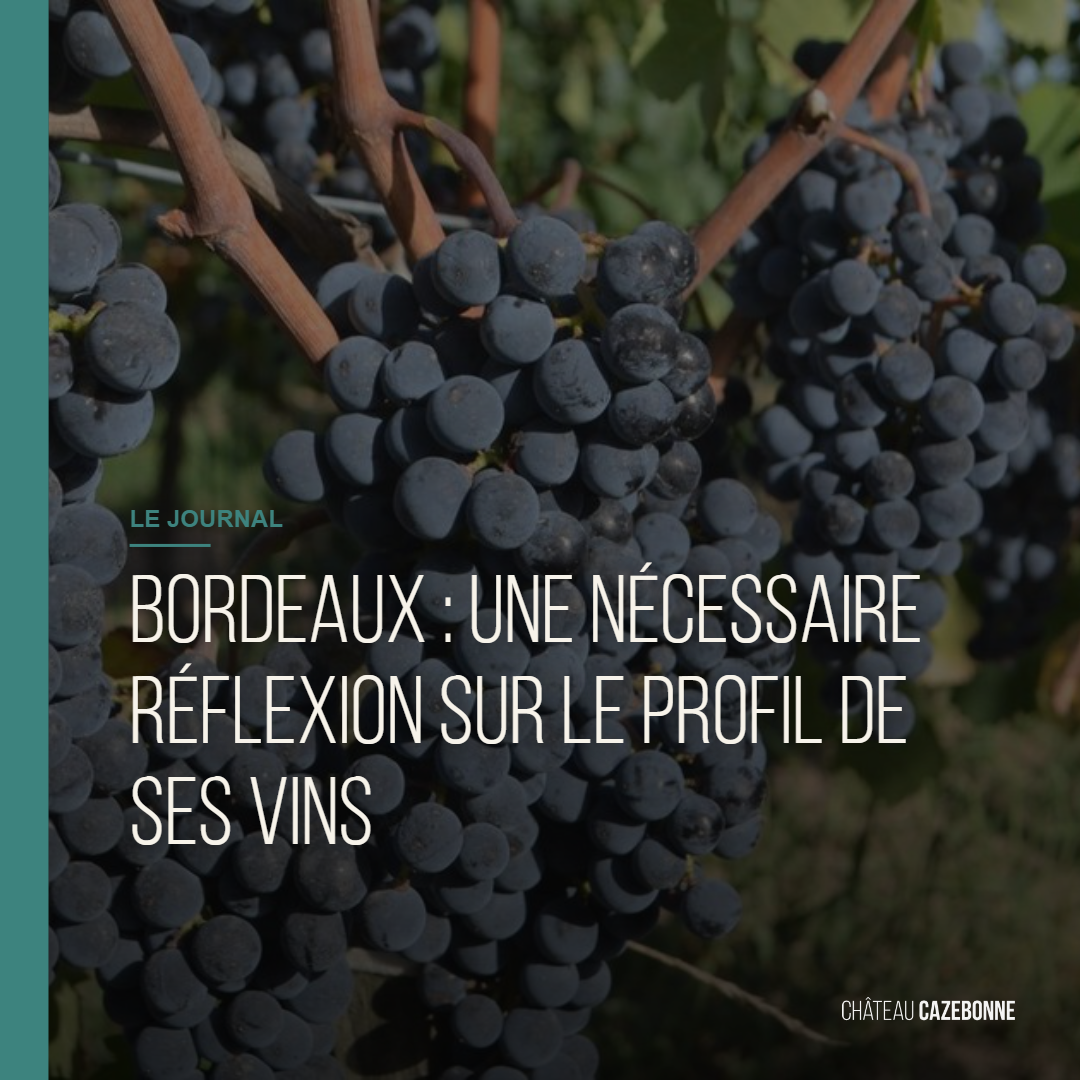
**This vintage has been a real eye-opener.** An exceptional, truly atypical vintage. And yet, I still often hear that we must uphold Bordeaux typicity. But I have to ask, why? Given that Bordeaux sales are declining, and that many consumers have turned their backs on Bordeaux (and on this very subje
By Jean-Baptiste
11 September 2026
Do you know why our vineyard has seen its grape variety diversity shrink over the centuries? Crises, regulations, agronomic choices... so many factors have shaped this viticultural landscape as we know it today. Yet current challenges are prompting us to rediscover and preserve these heritage varieties
By Jean-Baptiste
03 May 2023
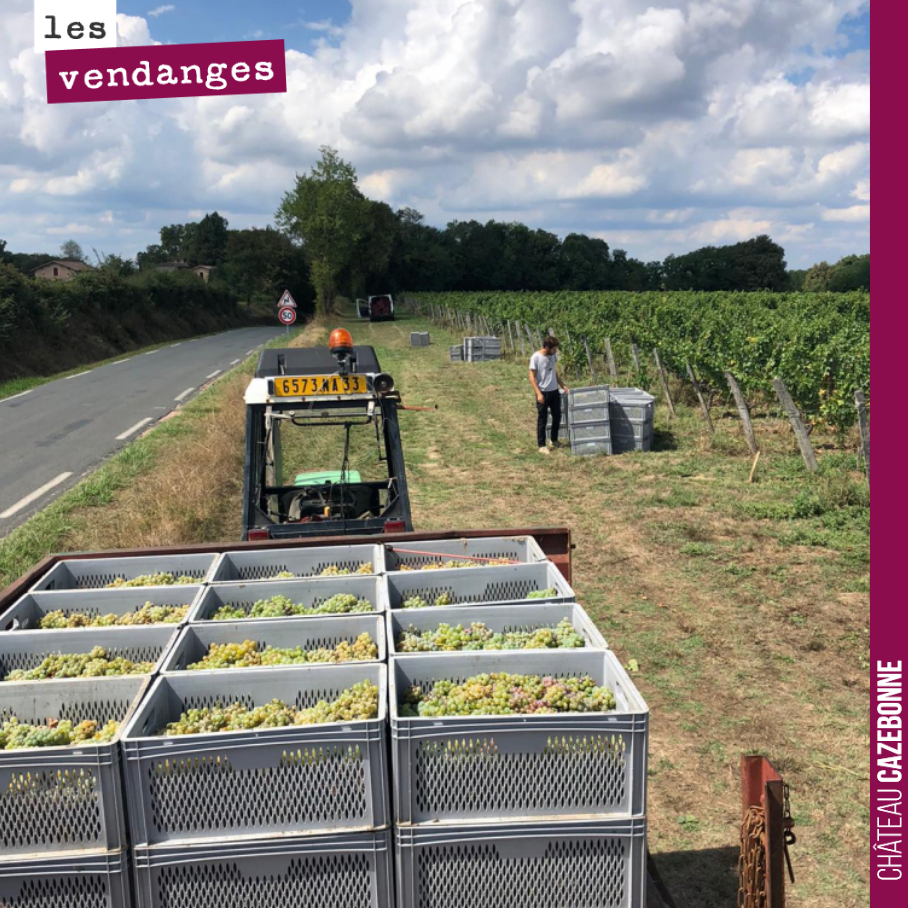
18 October 2022
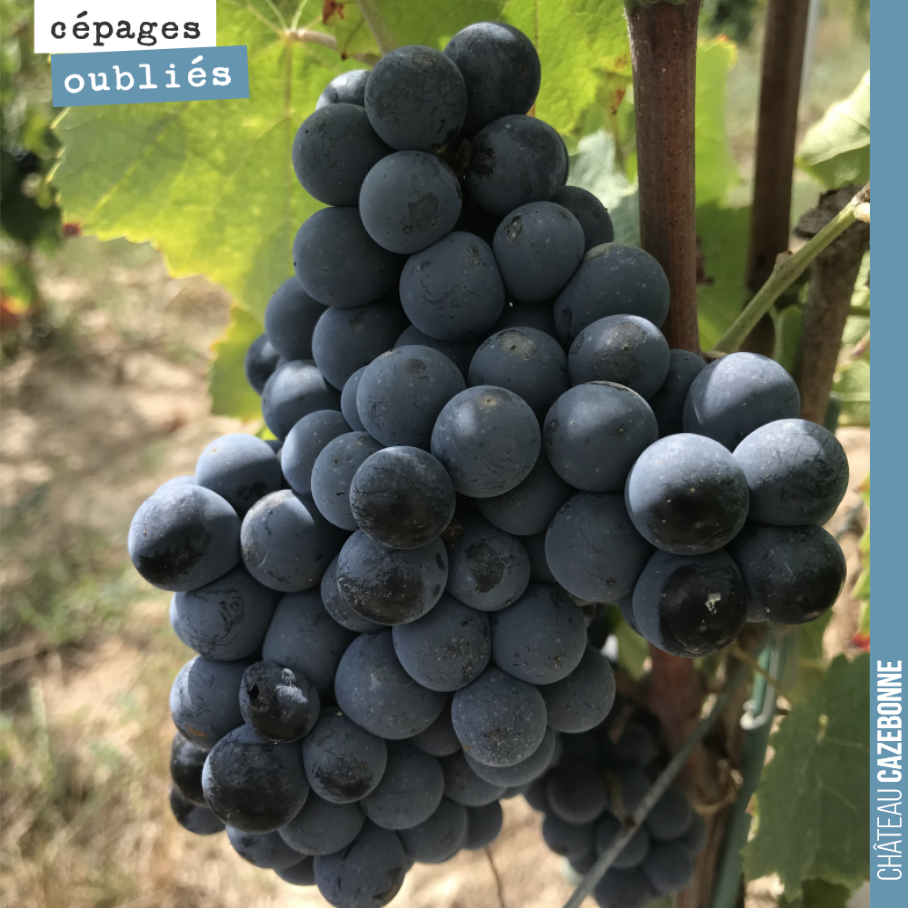
03 September 2022
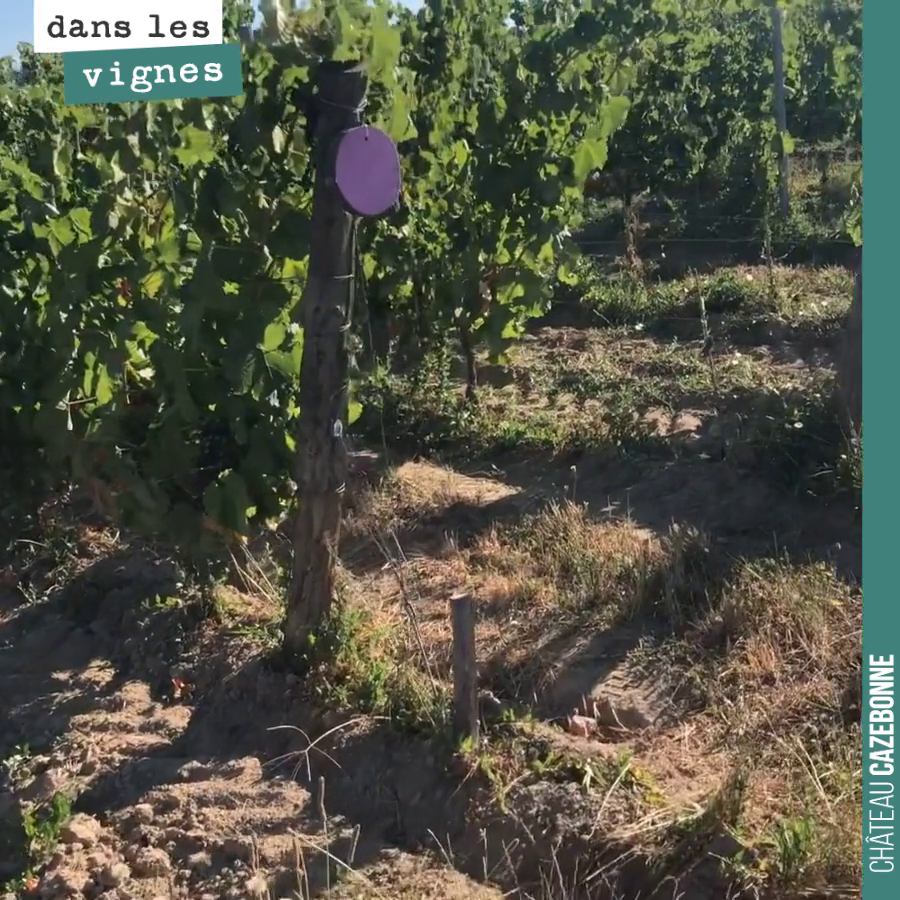
02 August 2022
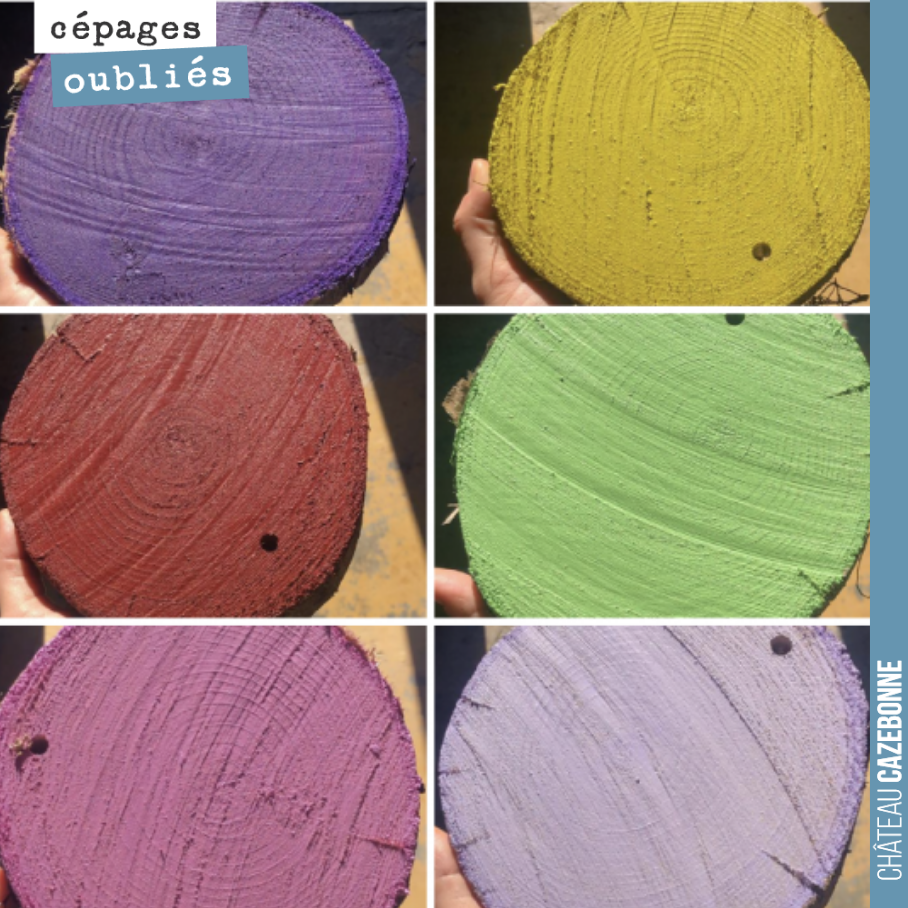
27 July 2022
05 October 2021
17 September 2021
23 August 2020
12 August 2020
10 November 2019
29 September 2019
25 September 2019

26 August 2019
24 August 2019
23 August 2019
22 August 2019
20 August 2019
18 August 2019
16 August 2019
15 August 2019
14 August 2019
13 August 2019
10 August 2019

10 August 2019
10 August 2019
08 August 2019
08 August 2019
06 August 2019
30 July 2019

30 July 2019
27 July 2019
19 July 2019
10 July 2019
15 June 2019
22 May 2019
06 February 2019

23 September 2018
14 June 2018
The cellar, forgotten grape varieties and our cuvées, twice a month. 5% off your first order with the code BIENVENUE.