
 The essential92/100 RVF
Comme en 1900 red 2022
Vin de France — heritage grapes, 92/100 RVF
The pre-phylloxera Bordeaux blend, revived at the estate.
Castets, Mancin, Pardotte: the Bordeaux before Bordeaux.
I want itWheat
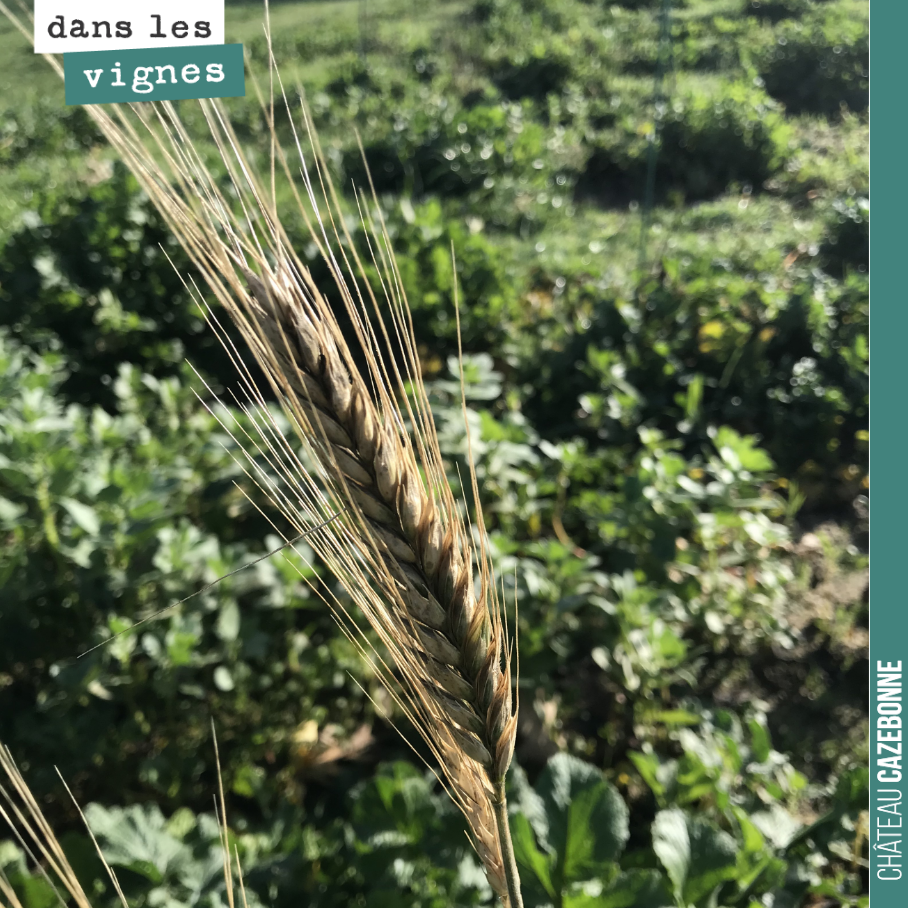
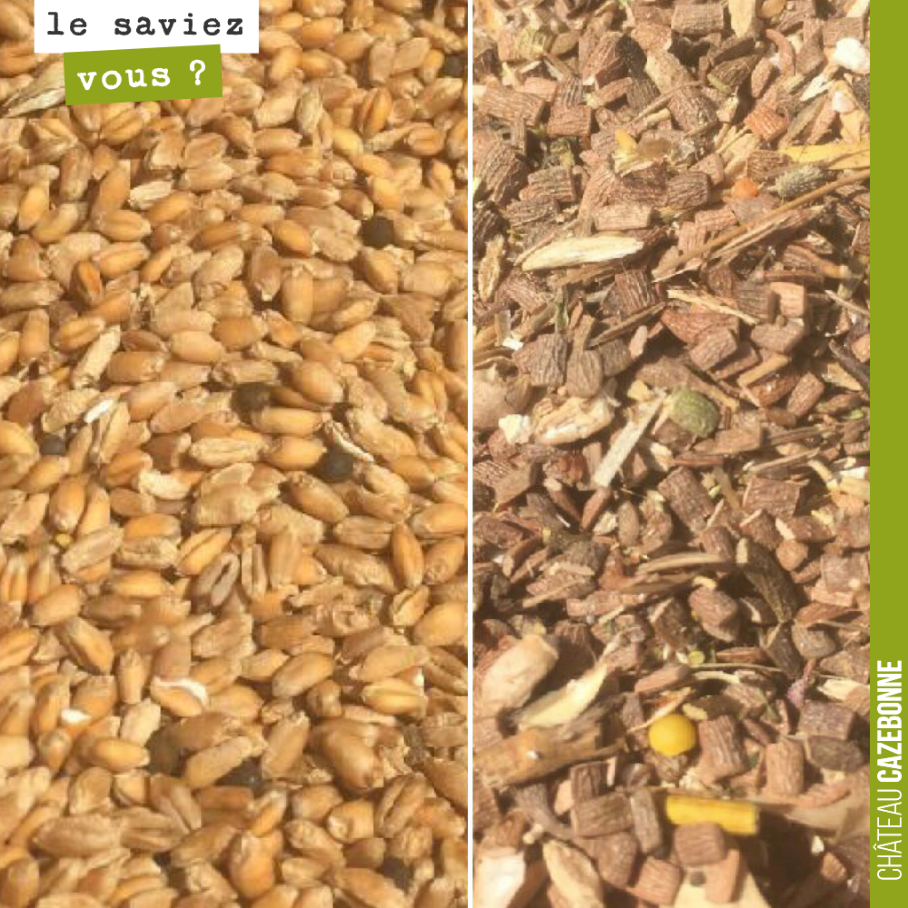
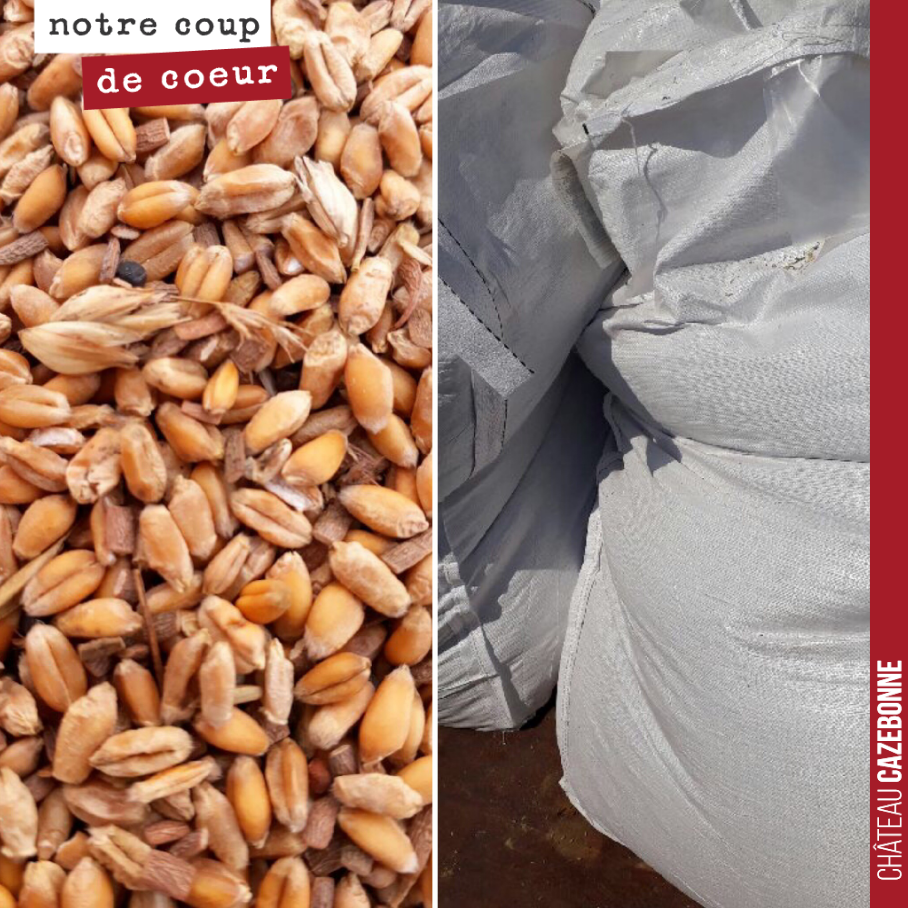
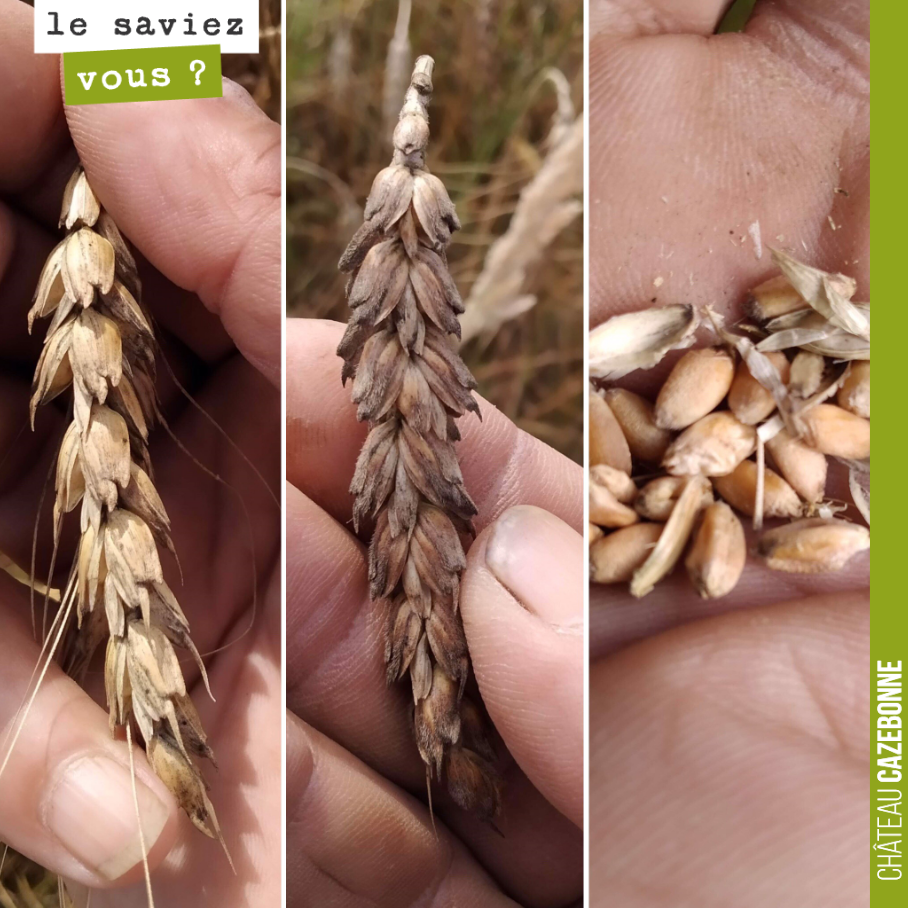
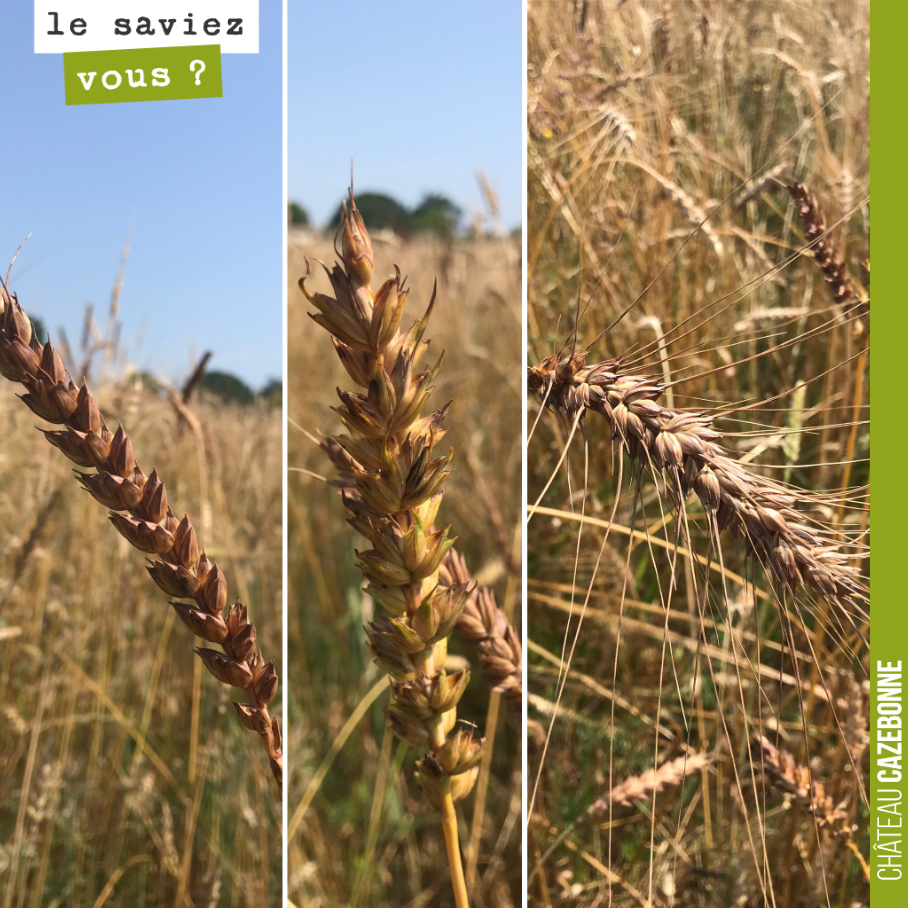
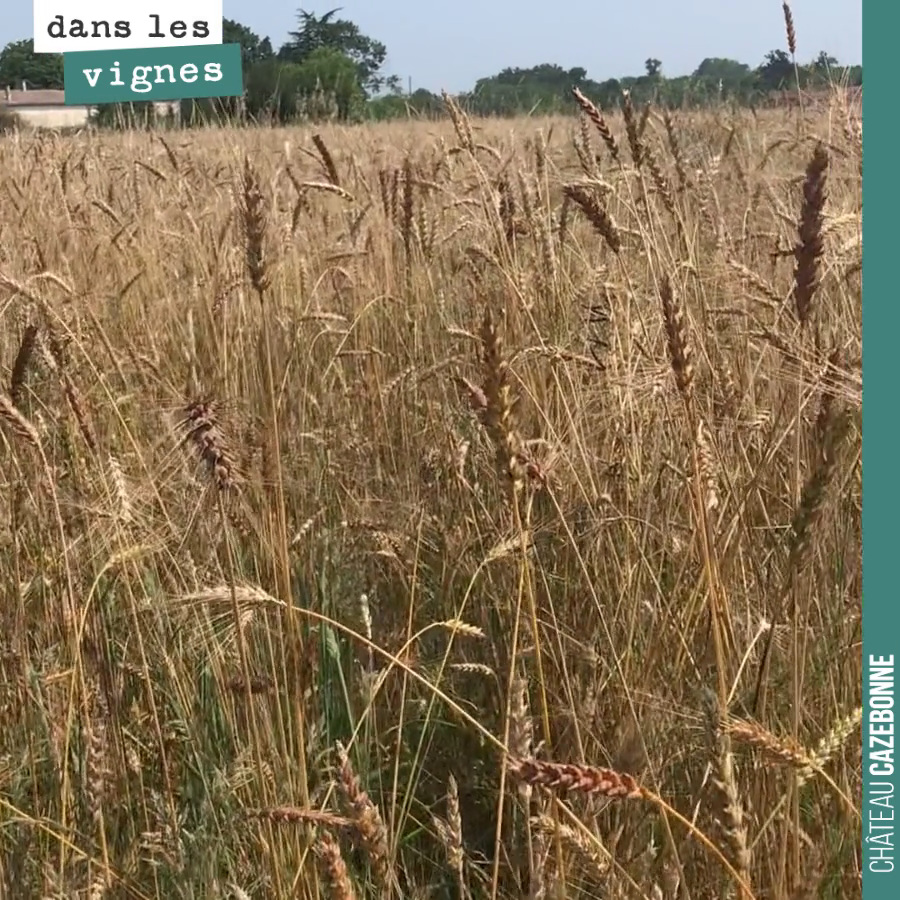
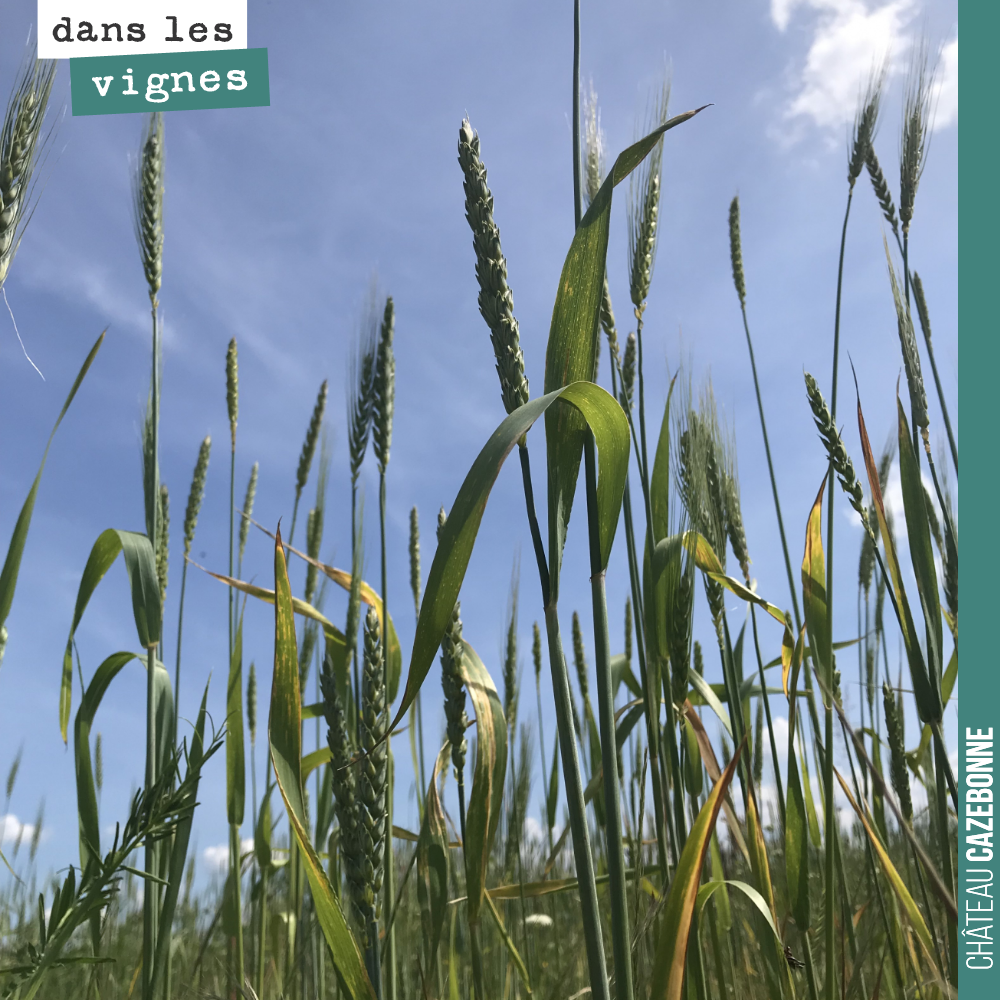
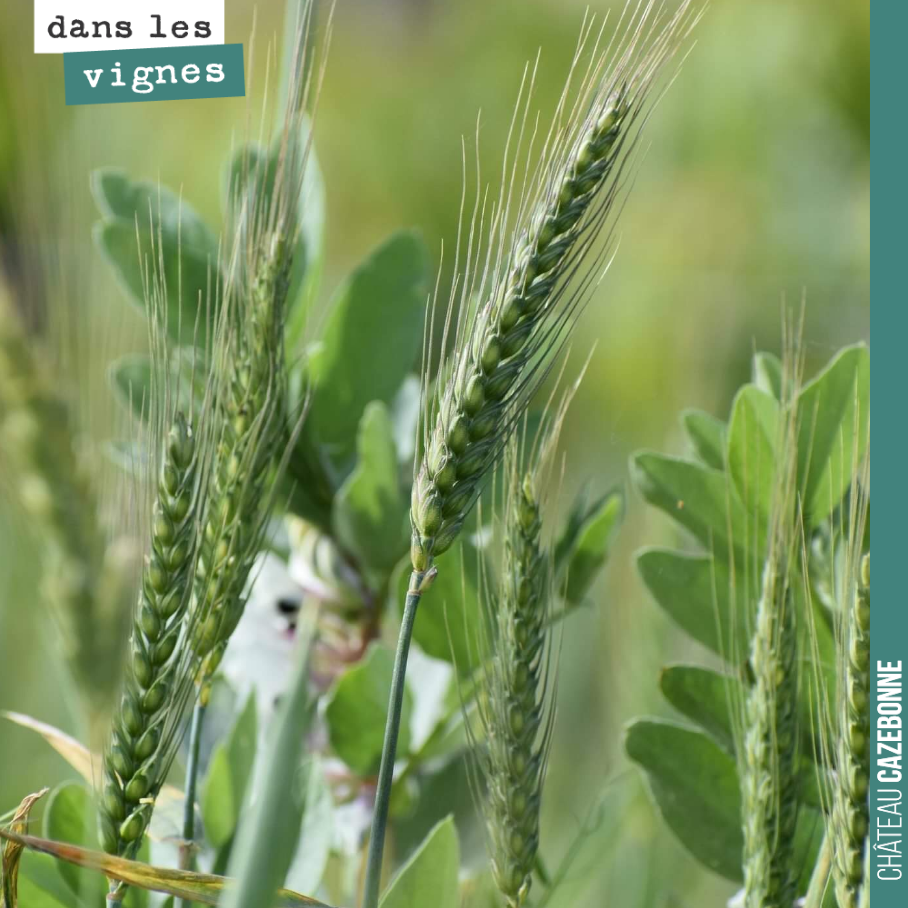
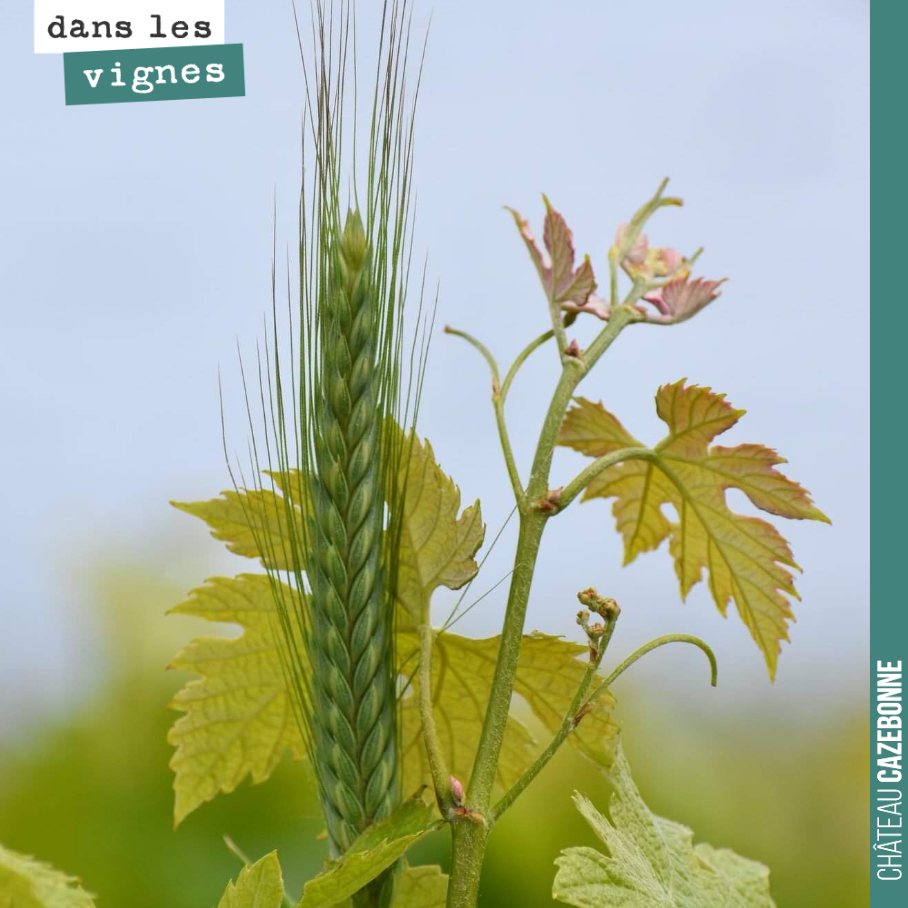
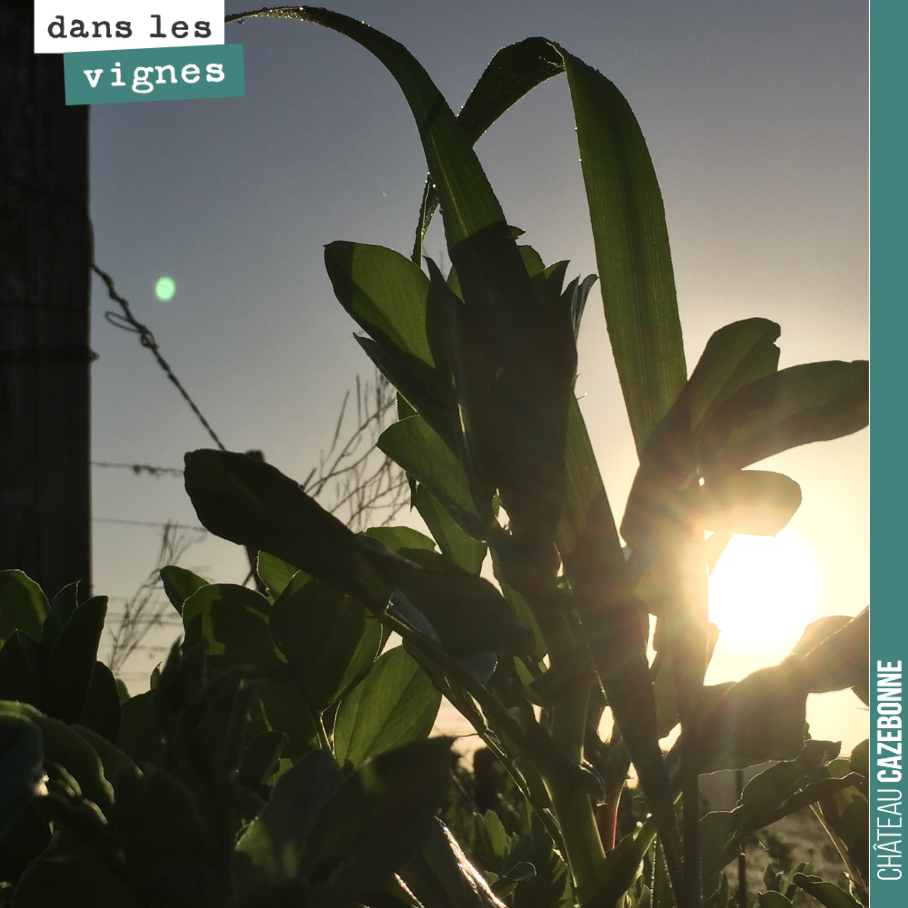
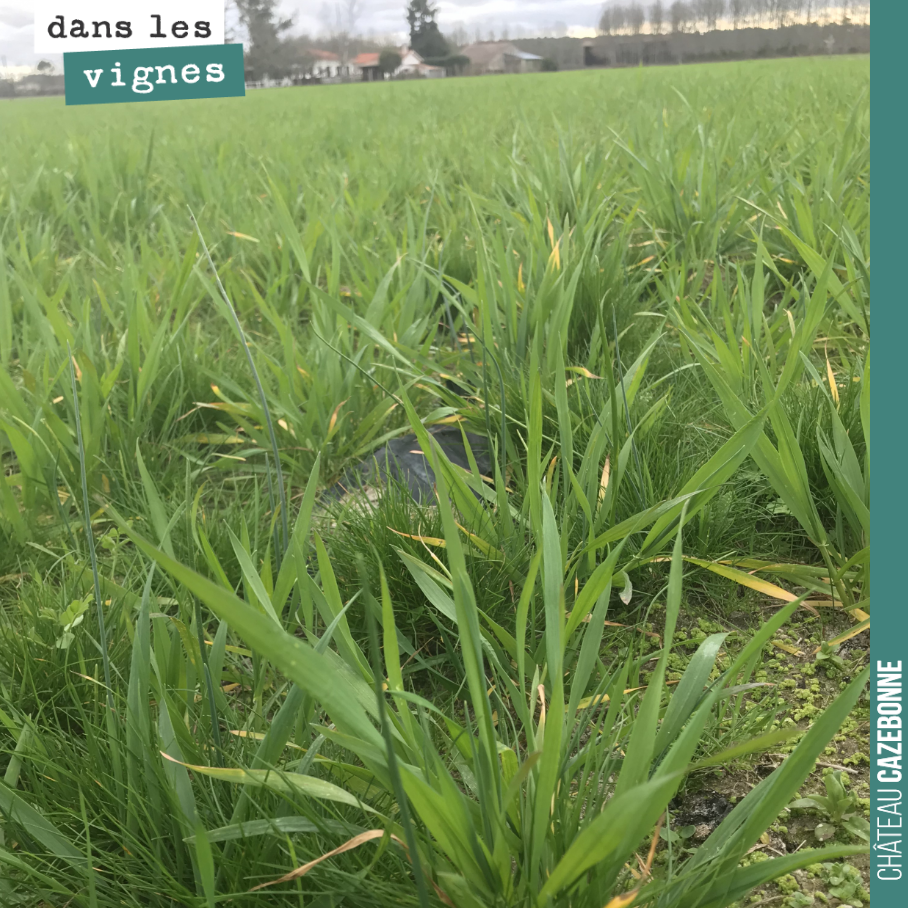
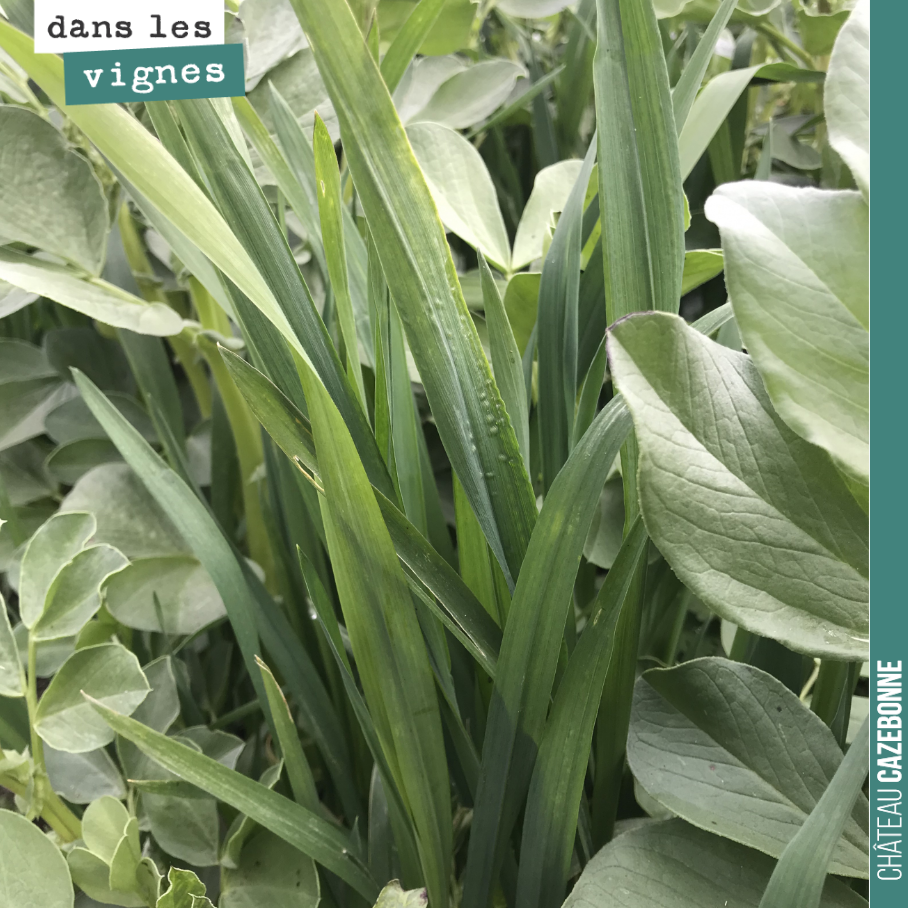
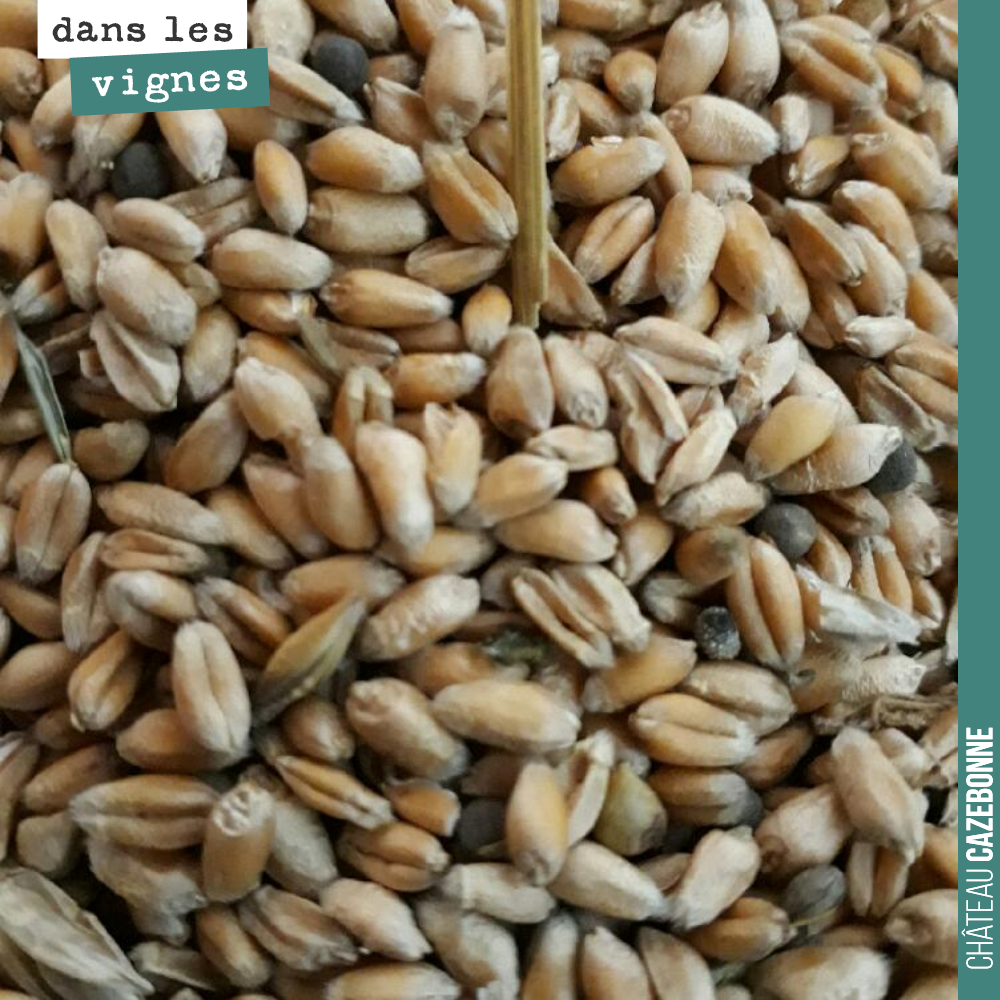
In our relentless quest for regenerative agriculture, ancient wheats hold a prominent place at Château Cazebonne. Far from modern varieties selected for their yield, these ancient cereals are invaluable allies for the health of our soils and the vitality of our viticultural ecosystems. Wheats are systematically included in our cover crop sowings, well beyond their simple role in straw production. Their presence on our land is a strong commitment to restoring organic matter, that essential "fuel of life" for the fertility and resilience of our terroirs.
Ancient wheats stand out for their ability to adapt to varied environments and naturally resist stress, without impacting their yield. These are varieties that implement a resilience strategy against climatic hazards (prolonged drought, temperature variations). This makes them ideal candidates for agroecological practices. Their morphological characteristics, particularly their deep roots, actively contribute to improving soil structure and fertility. This approach is part of our desire to develop agroecology in viticulture and promote biodiversity.
These wheat varieties, cultivated for centuries, develop a deep and dense root system. This underground network is a formidable soil architect, creating galleries that promote water infiltration, limit erosion and improve aeration. As they decompose, these roots enrich the soil with organic matter, increasing its capacity to retain water and nutrients. It is a virtuous circle: a living soil nourishes healthier plants, which in turn enrich the soil. This improvement in soil structure and fertility is paramount for the vigour of our vines and the quality of our wines, especially in the context of climate change. Ancient wheats, through their robustness and adaptability, are invaluable sentinels facing current environmental challenges.
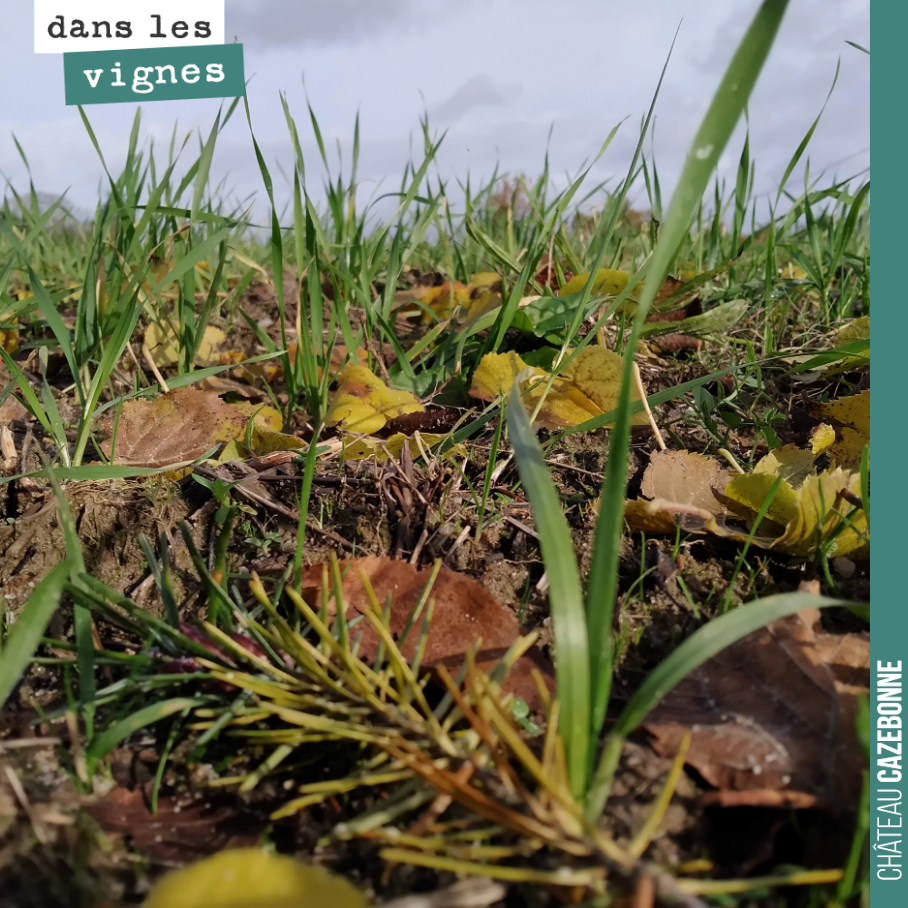
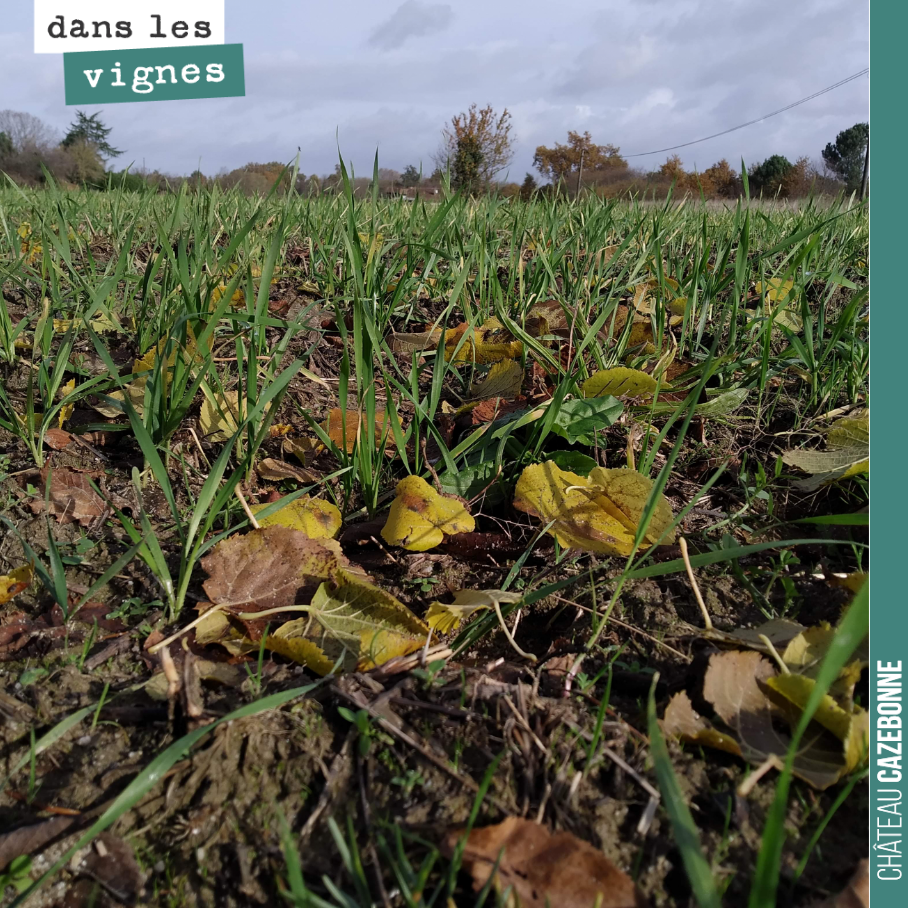
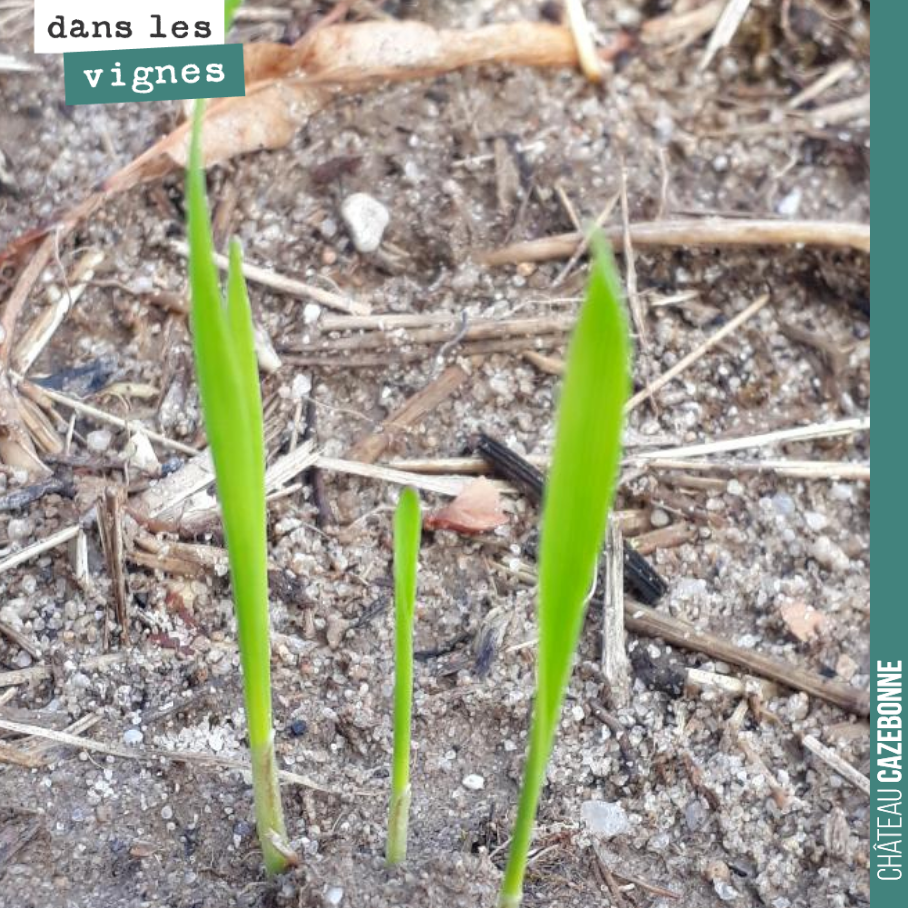
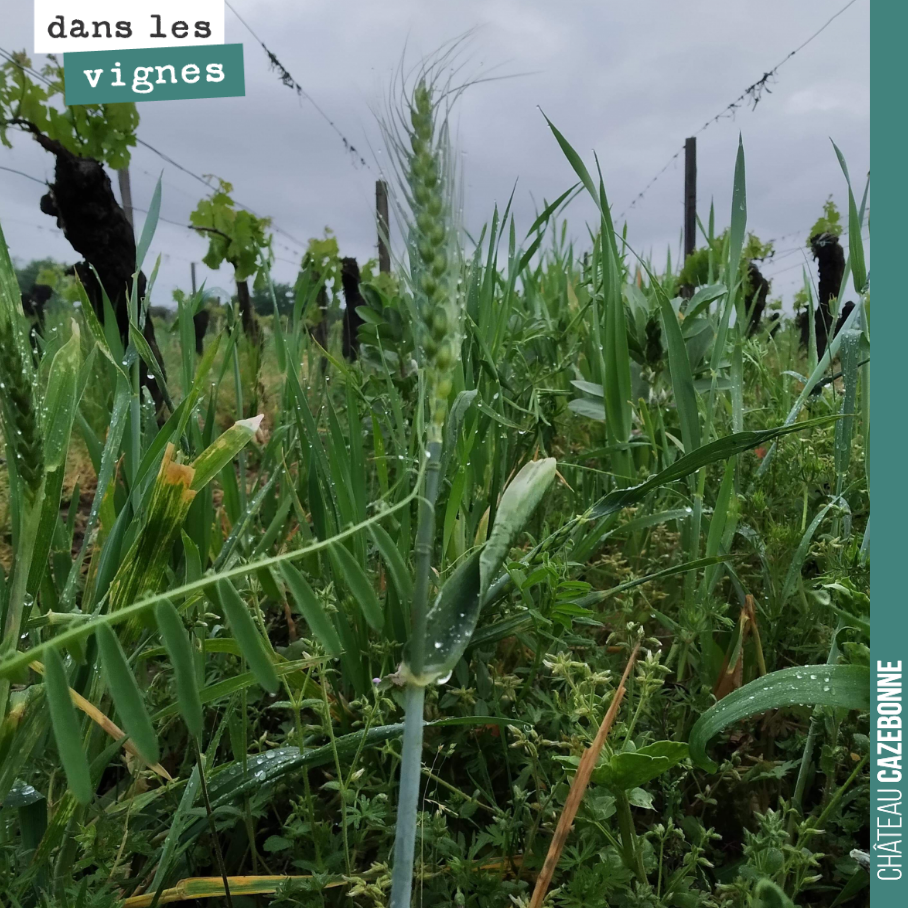
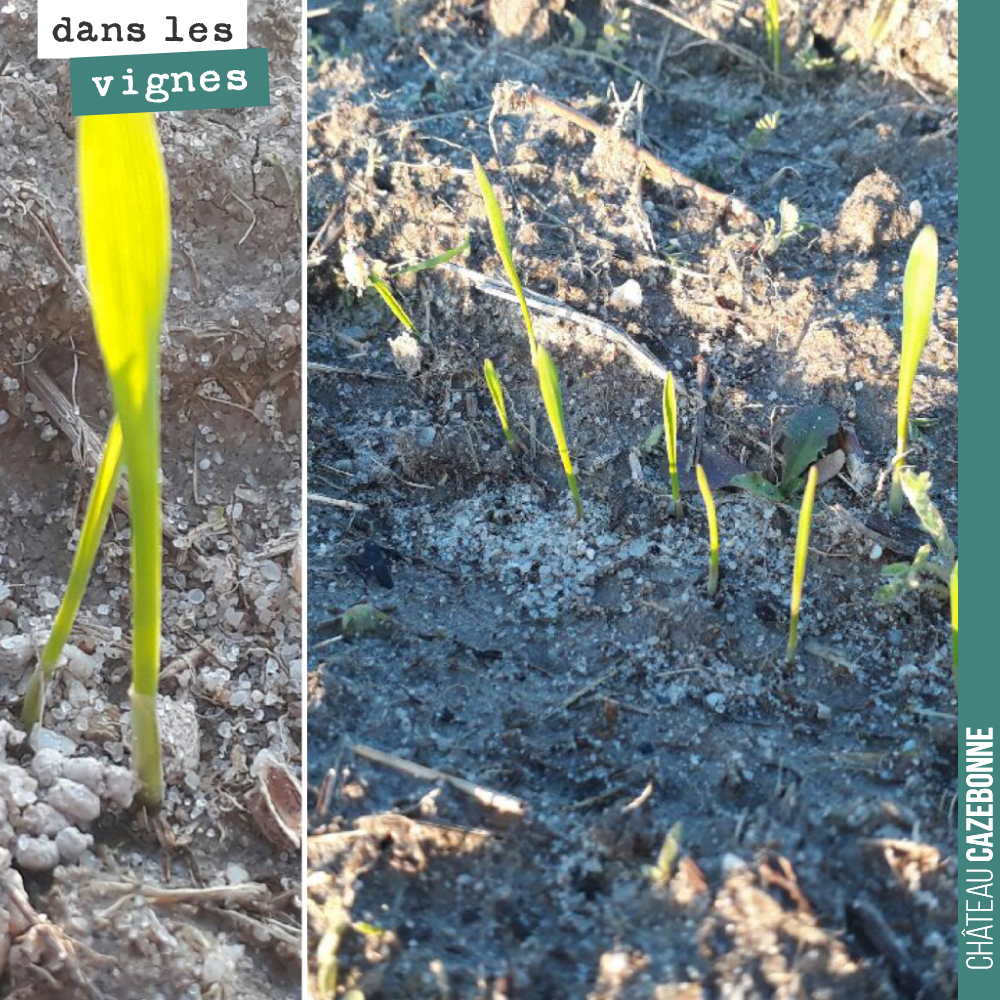
The establishment of ancient wheats at Château Cazebonne follows a precise calendar, integrating the natural cycles of the vine and the seasons. Sowing is generally carried out in autumn, after the harvest and the first soil preparation, in order to allow the cereals to establish themselves well before winter. Vegetative growth continues during the cold months, providing a protective cover for the soil. In spring, when the vine emerges from its dormancy, the ancient wheats continue their development, right up to flowering and grain formation. It is at this point that their role as a cover crop is most pronounced, before we intervene to roll them flat.
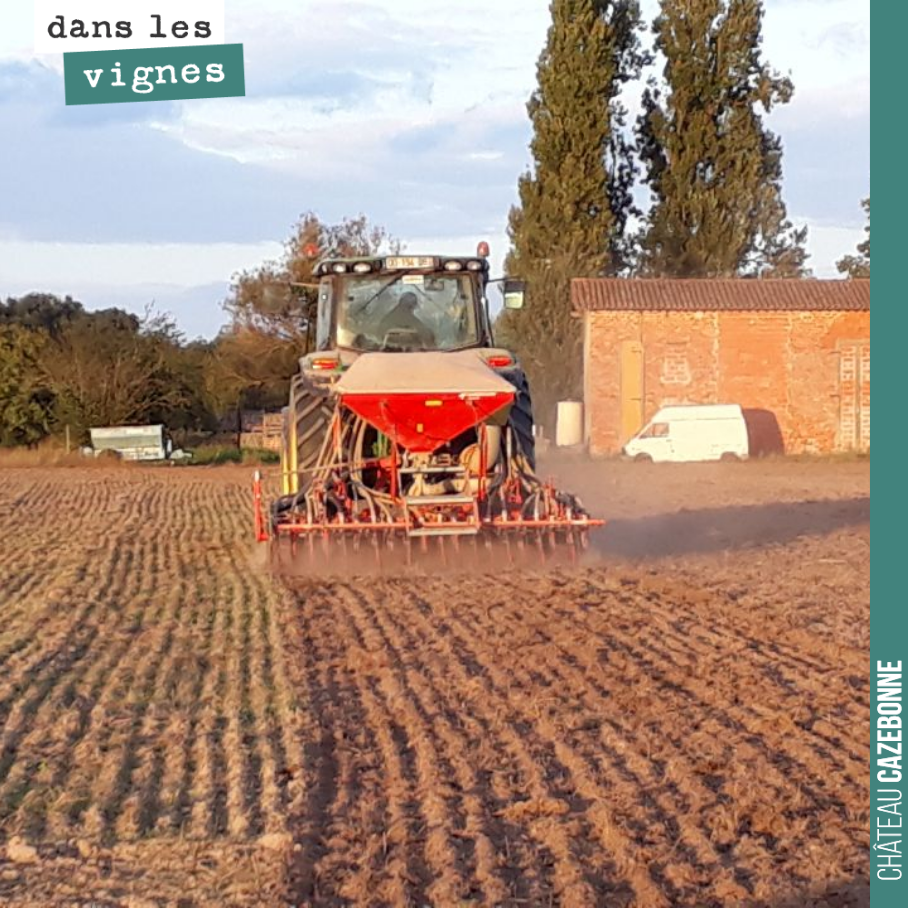
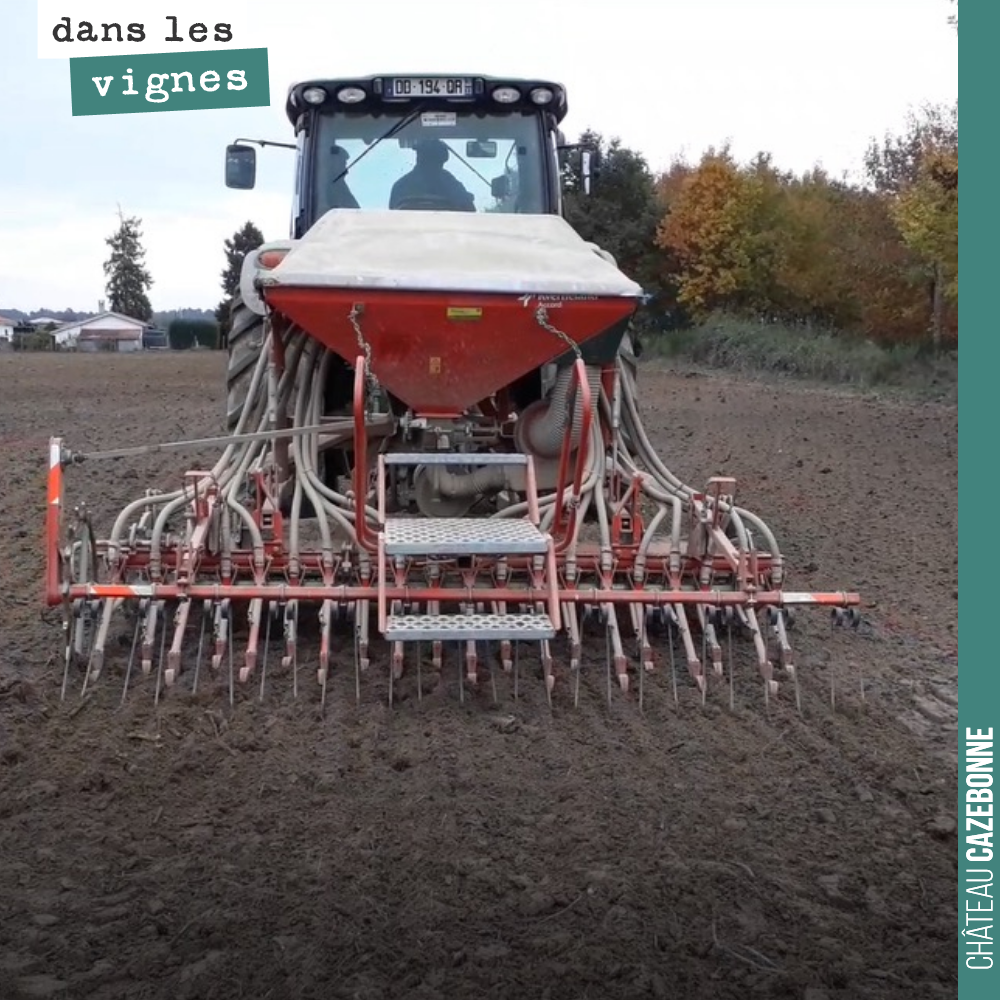
The practice begins with minimal soil preparation, favouring no-till techniques to preserve microbial life and soil structure. The ancient wheat seeds are then distributed evenly between the vine rows. Their growth is natural and requires few inputs. In spring, before the cereals enter into water competition with the vine, we proceed with the rolling of the cover crops. This operation consists of flattening the wheats to the ground, thereby creating a protective and nutritious mulch.
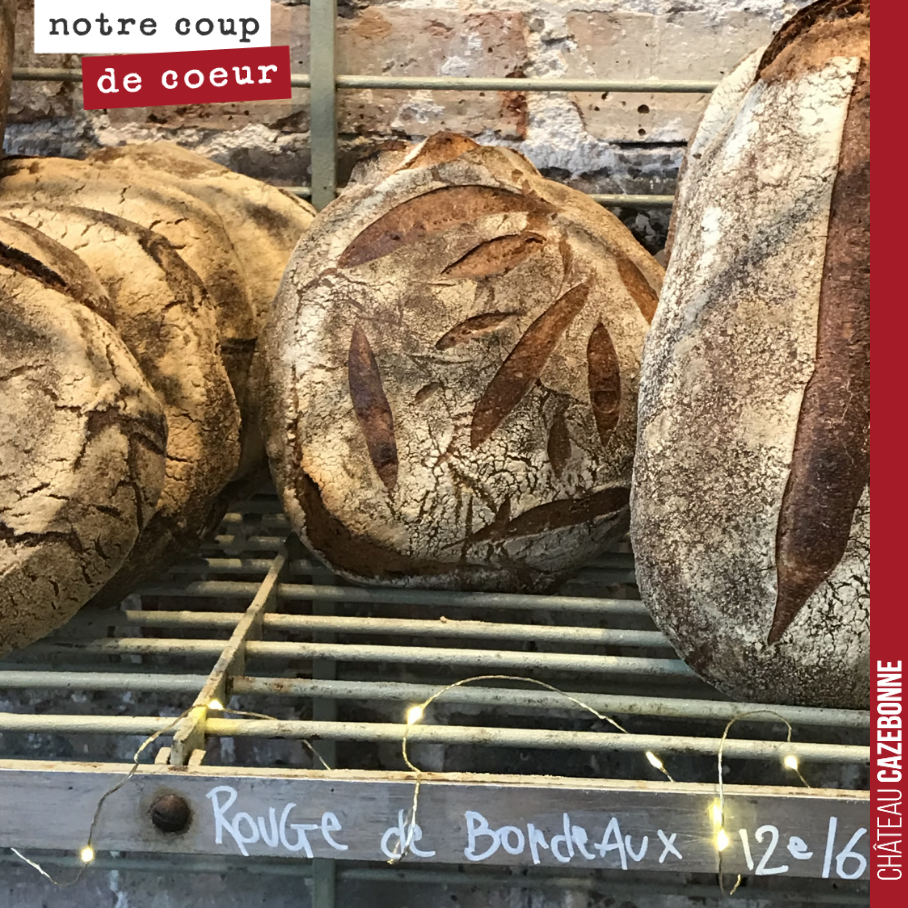
Beyond their underground benefits, ancient wheats offer us high-quality straw. When we roll our cover crops in spring, this straw forms a natural and sustainable mulch. This mulch plays several essential roles: it protects the soil from the sun's burning rays, reducing evaporation and the need for irrigation; it limits the growth of weeds, thereby reducing the need for chemical weeding; and it decomposes slowly, gradually releasing nutrients for the vine while stimulating the biological activity of soil micro-organisms. It is a precious resource, a gift from nature that we make the most of to maintain the fertility of our plots and the biodiversity of our vineyards. This synergy between the ancient wheats and the vine strengthens the agroecological balance of our land.
For sowing, we use a seed drill adapted for under-cover cultivation, which allows for precise seed placement. For rolling in spring, a roller crimper is used. This tool is designed to flatten the cereals without cutting them, encouraging slow and gradual decomposition. These tools are chosen for their ability to minimise soil disturbance and perfectly align with our approach to sustainable viticulture and our philosophy of a living soil. We also resort to market gardening within the vineyards, where these principles are put into practice.
At Château Cazebonne, the integration of ancient wheats into our practices is part of a comprehensive approach to promoting biodiversity. Their varied life cycles and natural resistance to diseases contribute to the resilience and balance of our agroecosystems. By cultivating these less uniform varieties, we foster a natural balance, allowing our vines to flourish in a healthier, more balanced environment, less dependent on external interventions. It is this same philosophy that drives us to passionately replant, in Bordeaux, the grape varieties that had disappeared from the viticultural landscape, as evidenced by the historical richness described in "Bordeaux, une histoire de cépages". This pioneering work is only possible thanks to the invaluable support of the many enthusiasts who have adopted our wines and share our vision of innovative viticulture that respects its terroir. By supporting Château Cazebonne, you are participating in the revival of a viticultural and agricultural heritage of inestimable value.
To discover the fruits of our labour and support our commitment, we invite you to visit the Cazebonne shop. If you wish to deepen your knowledge of the fascinating history of Bordeaux grape varieties by downloading the book "Bordeaux, une histoire de cépages", published by Éditions BBD and written by Jean-Baptiste Duquesne, or by testing your knowledge with our oenological quizzes, please do not hesitate.
Sources
Our suggestions
-5%on your 1st order with code BIENVENUE
The essential92/100 RVFVin de France — heritage grapes, 92/100 RVF
The pre-phylloxera Bordeaux blend, revived at the estate.
Castets, Mancin, Pardotte: the Bordeaux before Bordeaux.
I want it Our recommendation
IGP Atlantique — rare grape variety
A forgotten grape brought back: dense colour, wild fruit.
For the curious about lost grape varieties.
I want it Go further
12 bottles — the whole range
12 bottles, the whole range tasted: the best discovery-to-price ratio.
The complete tour of the estate, in a single case.
I want it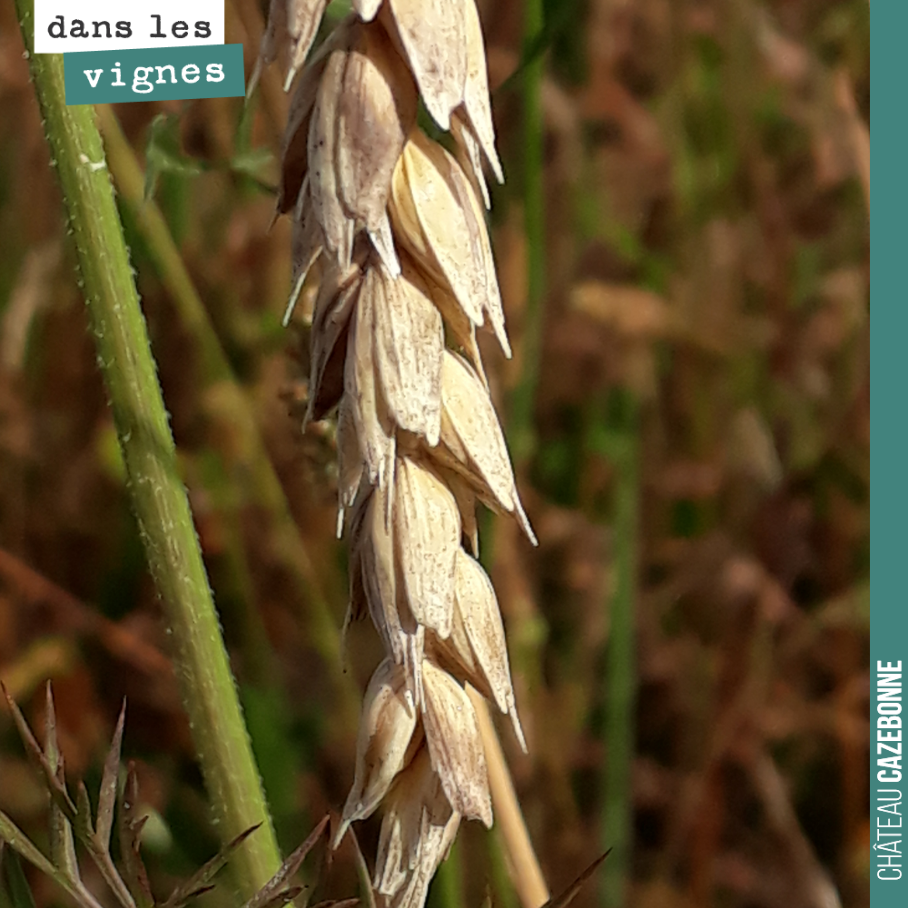
27 July 2020
01 January 2020
29 December 2019
09 December 2019
01 December 2019
20 October 2019
15 October 2019
02 August 2019
28 July 2019
23 July 2019
10 July 2019
09 July 2019
11 June 2019
14 May 2019
13 May 2019
29 April 2019
09 April 2019
08 March 2019
04 March 2019
19 November 2018
05 November 2018
26 September 2018
The cellar, forgotten grape varieties and our cuvées, twice a month. 5% off your first order with the code BIENVENUE.