
 The essential
6 × Entre Amis red
6 bottles — Graves red 2022
The best price of the cellar: €12 per bottle delivered.
The everyday red: generous and straight to the point.
I want it420 A MGt
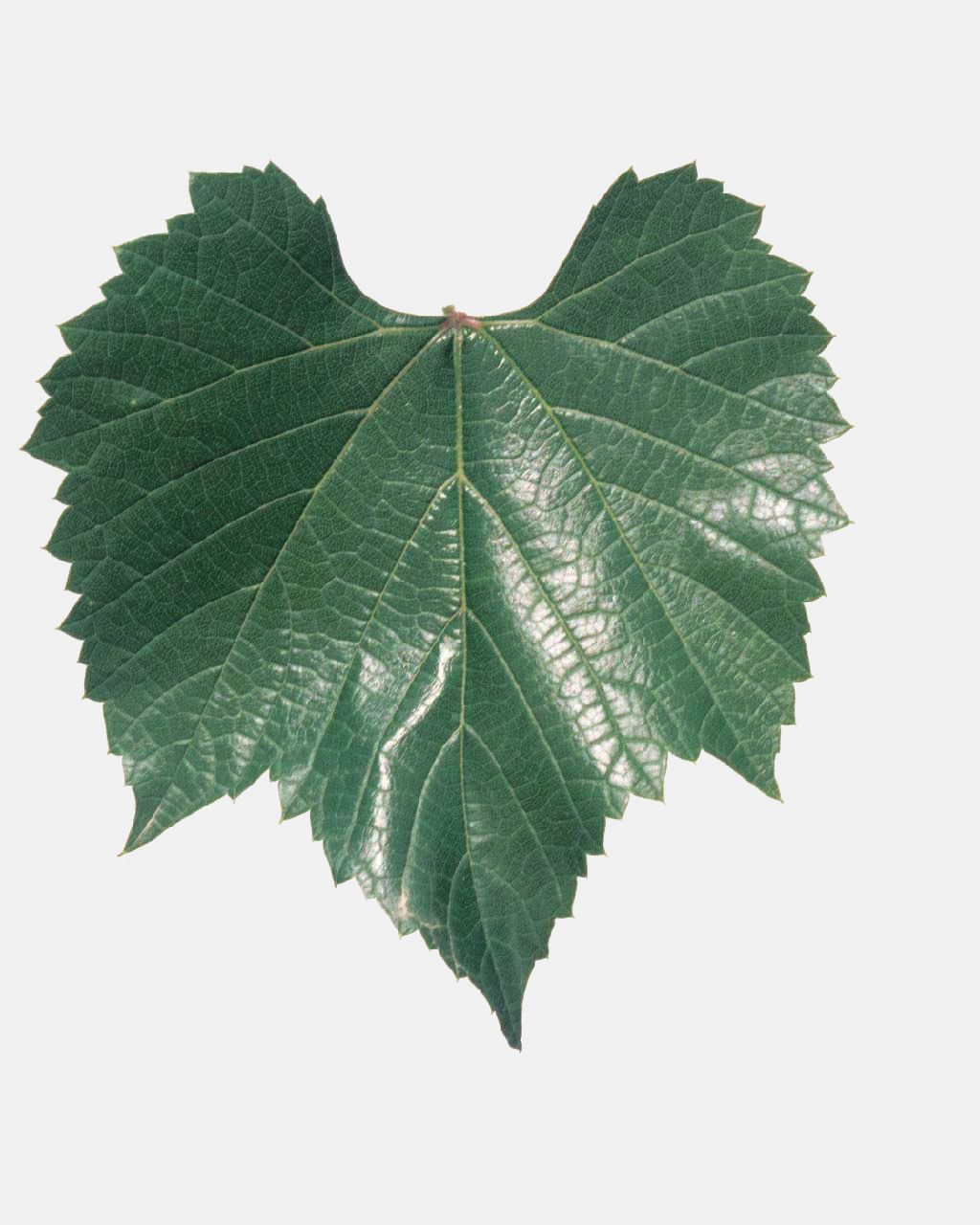
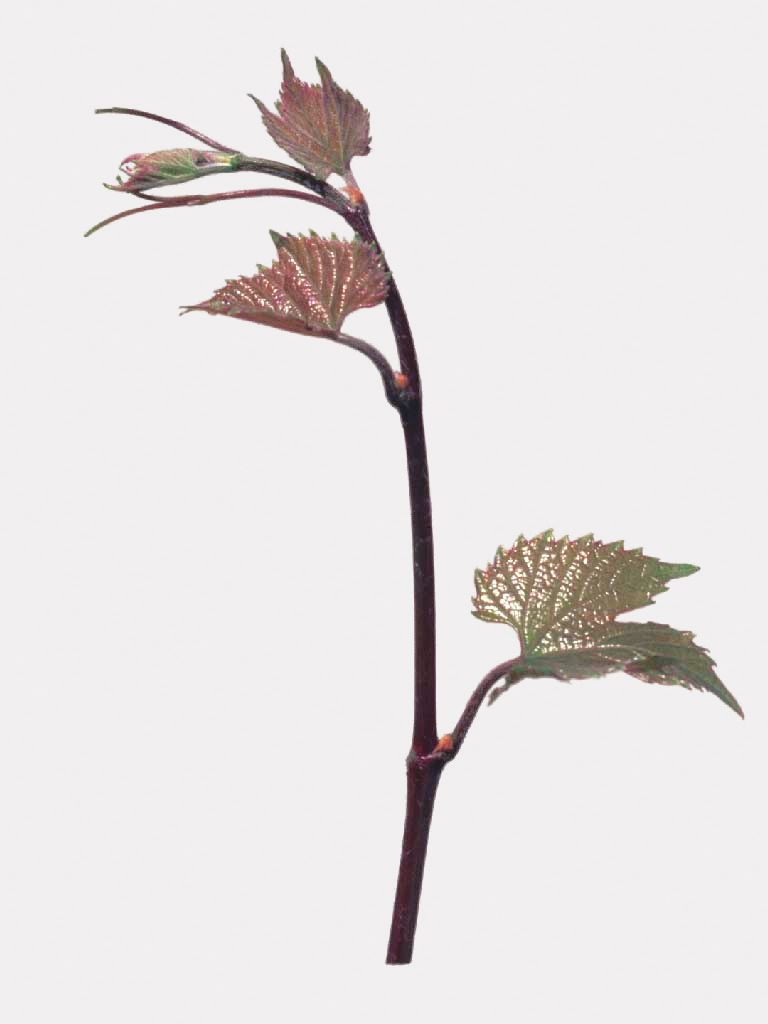

Rootstock 420 A MGt, whose full name is 420 A Millardet et de Grasset, is a hybrid created specifically to meet the challenges of post-phylloxera viticulture. Its development was the result of meticulous work aimed at combining characteristics tailored to various terroirs, particularly limestone soils. Its presence in the Bordeaux vineyard, and across France more broadly, bears witness to its importance and effectiveness in ensuring the long-term sustainability of the vine.
420 A MGt was developed through research conducted by breeders Millardet and de Grasset, emblematic figures in late 19th-century French ampelography. Created in the wake of the phylloxera crisis, this rootstock is the result of a cross between Vitis riparia and Vitis berlandieri. The objective was to obtain a root system capable of resisting the devastating pest while adapting to specific soil conditions, particularly those rich in limestone.
| Characteristic | Description |
|---|---|
| Parents / cross | Riparia x Berlandieri |
| Species of origin | Vitis riparia / Vitis berlandieri |
| Breeder and date | Millardet et de Grasset, late 19th century |
| Phylloxera resistance | — |
| Conferred vigour | low |
| Active limestone tolerance | up to 40% IPC (Chlorosis Power Index) |
| Drought tolerance | medium to good |
| Tolerance to waterlogging / asphyxia | low |
| Effect on scion ripening | delayed |
| Status / registration | Official French catalogue |
Rootstock 420 A MGt is distinguished by its good tolerance to active limestone, withstanding up to 40% IPC (Chlorosis Power Index), making it particularly well suited to calcareous soils, notably those of Saint-Émilion and the hillsides of the Garonne’s Right Bank. However, it shows low tolerance to excessive moisture and root asphyxia, requiring well-drained soils. Its drought tolerance is considered medium to good, a significant asset in winegrowing regions prone to dry summer spells.
420 A MGt is known to confer low vigour to scions, which can be an advantage for managing yields and promoting berry concentration, especially for grape varieties such as Cabernet Sauvignon or Merlot. A key characteristic is the slight delay in ripening it can induce, which must be taken into account when choosing grape varieties and parcels, particularly in the context of climate change.
This rootstock demonstrates good graft affinity with most Bordeaux grape varieties. Due to its low vigour, it is often paired with higher planting densities to compensate and maintain an adequate yield potential. Vineyard management with 420 A MGt requires close attention to water stress, especially during drought conditions. For clay-rich soils or wetter areas, other rootstocks such as 101-14 MGt or Riparia Gloire de Montpellier may be considered, whilst for higher limestone tolerance, 41 B MGt offers an alternative. The use of rootstock 1447 P (1447 Paulsen) may also be considered in certain contexts.
Despite its qualities, 420 A MGt is not without limitations. Its low tolerance to moisture makes it vulnerable in heavy, poorly aerated soils prone to asphyxia. Furthermore, its moderate vigour must be managed to avoid excessive water stress on excessively free-draining soils or during severe droughts. Iron chlorosis, although mitigated by its IPC rating, can still occur on soils with exceptionally high active limestone.
One of the central questions for the future of the Bordeaux vineyard is adapting to climate change. 420 A MGt, with its good drought tolerance—even if not extreme—and its ability to slightly delay ripening, could play a valuable role in crafting balanced wines in the face of hotter summers. It could potentially help prevent overripening and an overly rapid drop in berry acidity, thereby preserving the freshness of the wines.
At Château Cazebonne, the choice of rootstocks is crucial to expressing the full complexity of our terroirs. 420 A MGt is used in parcels where limestone is prevalent, allowing us to optimise the establishment of varieties such as Merlot or Cabernet Franc on these specific soils. This rigorous selection contributes directly to the typicity and quality of our wines.
Château Cazebonne is committed to preserving and championing Bordeaux’s historical grape varieties—work made possible thanks to the support of wine lovers who embrace our wines. To learn more about this ampelographic heritage, we invite you to download our book “Bordeaux, a history of grape varieties”. If you would like to test your knowledge, feel free to explore our wine quizzes. Finally, to taste the fruits of our dedication, discover our wines online.
Sources
Our suggestions
-5%on your 1st order with code BIENVENUE
The essential6 bottles — Graves red 2022
The best price of the cellar: €12 per bottle delivered.
The everyday red: generous and straight to the point.
I want it Our recommendation92/100 RVF
6 bottles — Graves red 2022, 92/100 RVF
Rated 92/100 by La Revue du vin de France: a solid 10-year ageing potential.
Our Graves for ageing, the finest gateway to the estate.
I want it Go further
12 bottles — the whole range
12 bottles, the whole range tasted: the best discovery-to-price ratio.
The complete tour of the estate, in a single case.
I want itThe cellar, forgotten grape varieties and our cuvées, twice a month. 5% off your first order with the code BIENVENUE.