
 The essential
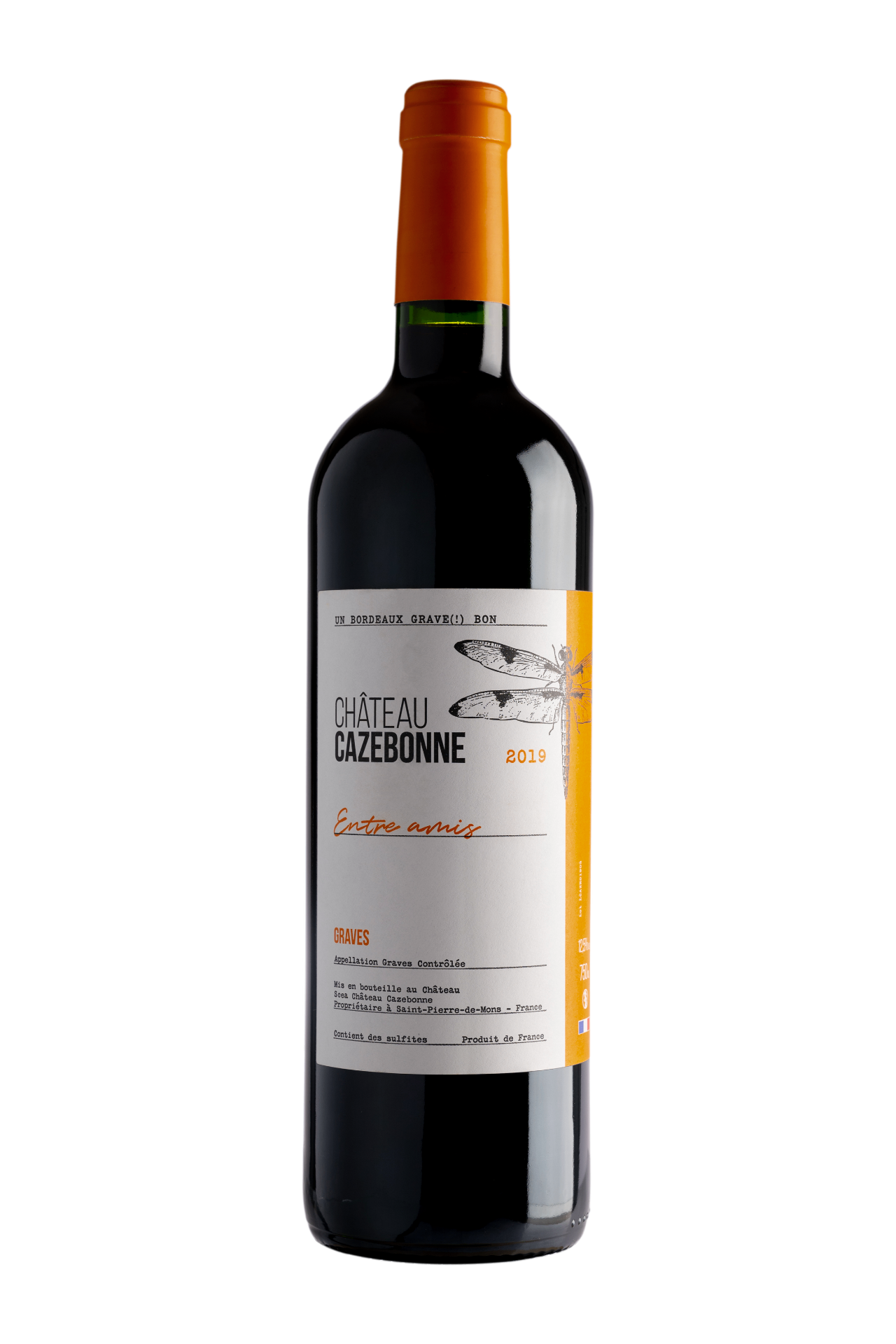
6 × Entre Amis red
6 bottles — Graves red 2022
The best price of the cellar: €12 per bottle delivered.
The everyday red: generous and straight to the point.
I want it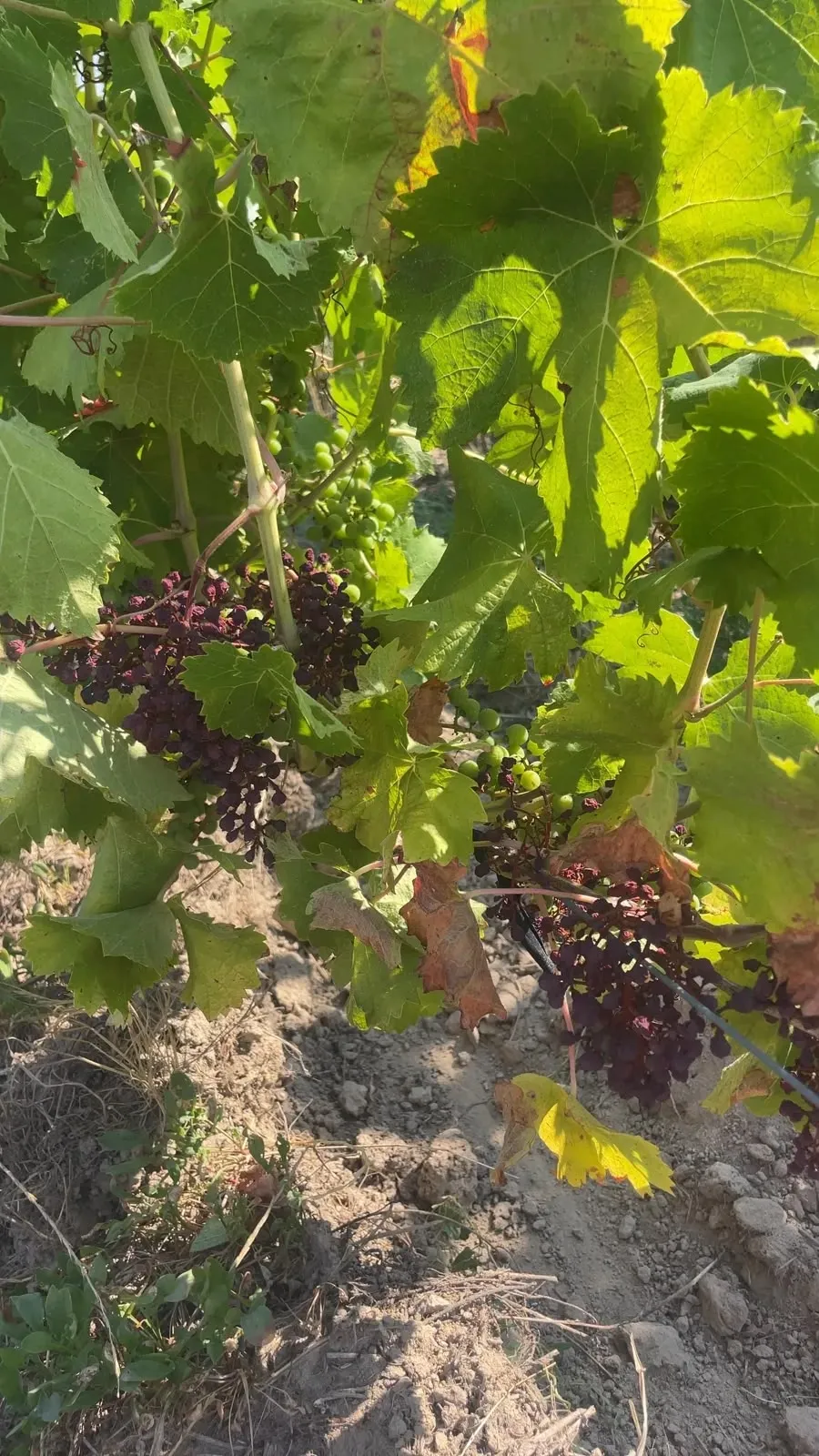
Climate change manifests in the vineyard through a gradual rise in average temperatures, more frequent extreme weather events, and a shift in traditional seasonal cycles. This transformation directly impacts vine physiology, from vegetative growth to grape ripening, with significant consequences for the balance of the wines produced. Winegrowers face an urgent need to adapt their practices to preserve the quality and typicity of their wines.
Since we took over in 2017, not a single harvest has escaped severe disruption by the weather:
- frost: 2017, 2021, along with partial frost in 2019, 2020, 2023
- coulure: 2025
- downy mildew: 2018, 2023, 2024
- hail: 2018, 2020
- drought and heatwaves: 2020, 2022, 2025, 2026...
Ensuring the long-term viability of our estates is proving challenging amid the rise of these extreme climatic phenomena.
Rising temperatures alter the vine's biological rhythm. Key phenological stages, such as budburst, flowering, and veraison, occur earlier and earlier in the season. This acceleration leads to premature ripening, where sugar accumulation in the berries often outpaces the development of aromas and polyphenols. Water stress is another major consequence, dampening vine vigour and potentially halting ripening altogether. Severe heat can even scorch the grapes, especially those directly exposed to the sun.
Historically, the viticultural calendar followed well-established seasonal milestones. Today, winegrowers must anticipate and adapt to harvests that sometimes begin weeks ahead of customary dates. This earlier harvesting timeline, observed in regions like Bordeaux, compels us to rethink our strategies for tillage, de-leafing, and cover-crop management. The choice of rootstocks and grape varieties has become crucial in navigating these new conditions.
Several visual cues alert winegrowers to the effects of warming. These include early and sometimes uneven veraison, leaves turning yellow prematurely due to water stress, and sunburnt grape clusters. Such observations demand constant vigilance and swift responsiveness to mitigate damage and safeguard harvest quality. Weather shifts in the vineyard also lead to surges in certain pests and diseases, prompting adjustments to organic treatments.
At Château Cazebonne, we are actively committed to adapting to these new climate realities. We favour sustainable viticulture and agroecological practices aimed at bolstering the resilience of our vineyard. This involves enhancing biodiversity, improving soil organic matter for better water retention, and experimenting with grape varieties that are less susceptible to disease, high temperatures, or drought. We are exploring innovative solutions, such as co-planting and agroforestry, to cultivate a more balanced and resilient viticultural ecosystem against climate hazards. To counter frost, late pruning is now systematic on our most frost-prone plots.
Over the coming years, we must also ensure we are equipped to supply a small amount of water to each vine during extreme droughts (20 litres per vine may be sufficient to weather a heatwave).
Contrary to popular belief, the vine is not impervious to climatic shifts. While it has historically adapted, the scale and speed of current global warming put it to a severe test. Scientific evidence shows that extreme high temperatures can make viticulture impossible in certain regions, just as extreme cold can. The myth of spontaneous adaptation or simply shifting vineyards northward is oversimplified; a proactive approach, grounded in science and observation, is essential to secure the future of viticulture. While shifting wine regions northward is an observed response, it does not resolve every challenge—particularly the loss of historic terroirs and wine typicity.
Château Cazebonne's adaptation efforts in the face of climate challenges are an ongoing commitment, driven notably by replanting heritage grape varieties and trialling new viticultural practices. To learn more about our history and research, feel free to download our book "Bordeaux, une histoire de cépages". You can also test your wine knowledge and discover other facets of our estate with our wine quizzes, and if you are tempted, come and explore our wines online.
Sources
Our suggestions
-5%on your 1st order with code BIENVENUE
The essential6 bottles — Graves red 2022
The best price of the cellar: €12 per bottle delivered.
The everyday red: generous and straight to the point.
I want it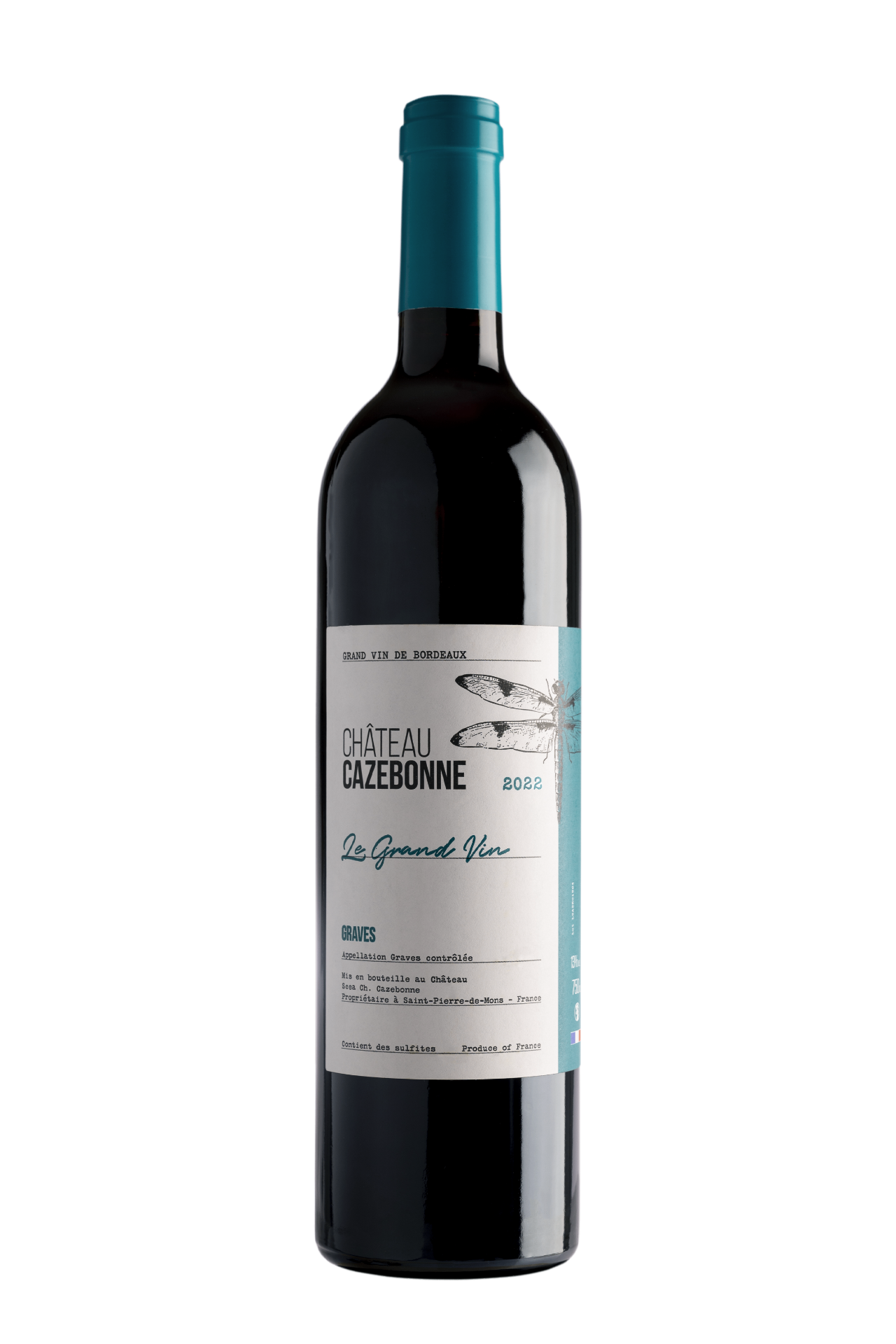 Our recommendation92/100 RVF
6 bottles — Graves red 2022, 92/100 RVF
Rated 92/100 by La Revue du vin de France: a solid 10-year ageing potential.
Our Graves for ageing, the finest gateway to the estate.
I want it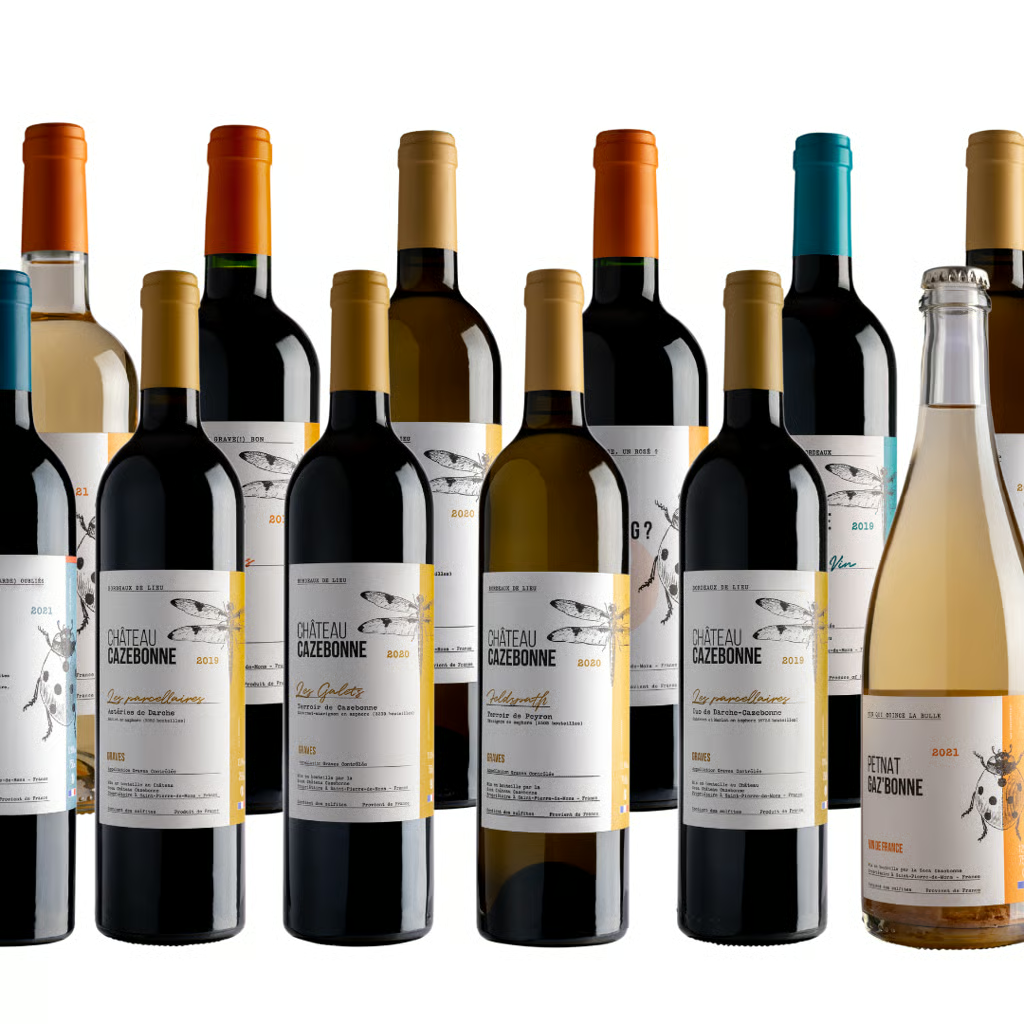 Go further
12 bottles — the whole range
12 bottles, the whole range tasted: the best discovery-to-price ratio.
The complete tour of the estate, in a single case.
I want it07 September 2026
Climate change is a reality that we, as winegrowers, have experienced almost every year for over a decade now. In the early years, we were in denial. It's just a one-off; things will improve next year. But after ten consecutive years of major climate disruptions, we can no longer remain in denial.
By Jean-Baptiste
26 August 2026
By Jean-Baptiste