
 The essential
6 × Entre Amis red
6 bottles — Graves red 2022
The best price of the cellar: €12 per bottle delivered.
The everyday red: generous and straight to the point.
I want itVine
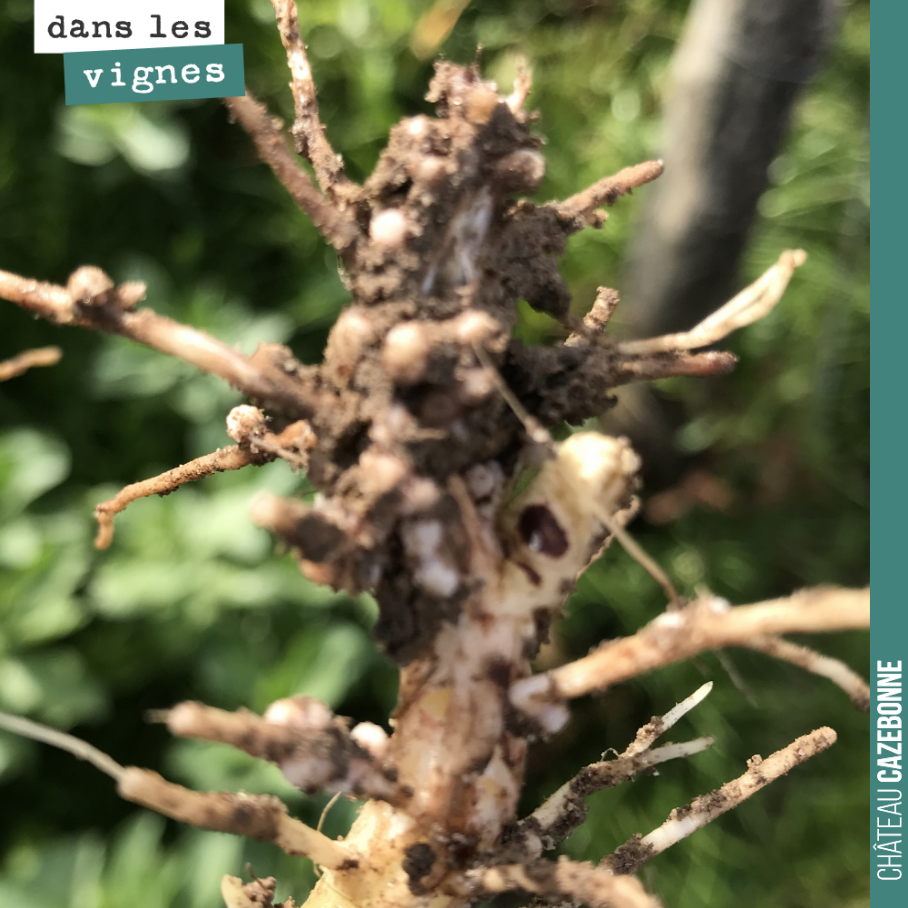
The vine, or Vitis vinifera, is much more than just a cultivated plant; it is at the heart of global viticulture and an essential element of many ecosystems. The domestication of the vine, several millennia ago, led to an immense diversity of grape varieties, each adapted to specific pedoclimatic conditions (soil and climate). This continuous adaptation is crucial in the face of contemporary challenges, notably climate change. In viticulture, understanding the life cycle of the vine and its interactions with the environment is fundamental to producing quality wines.
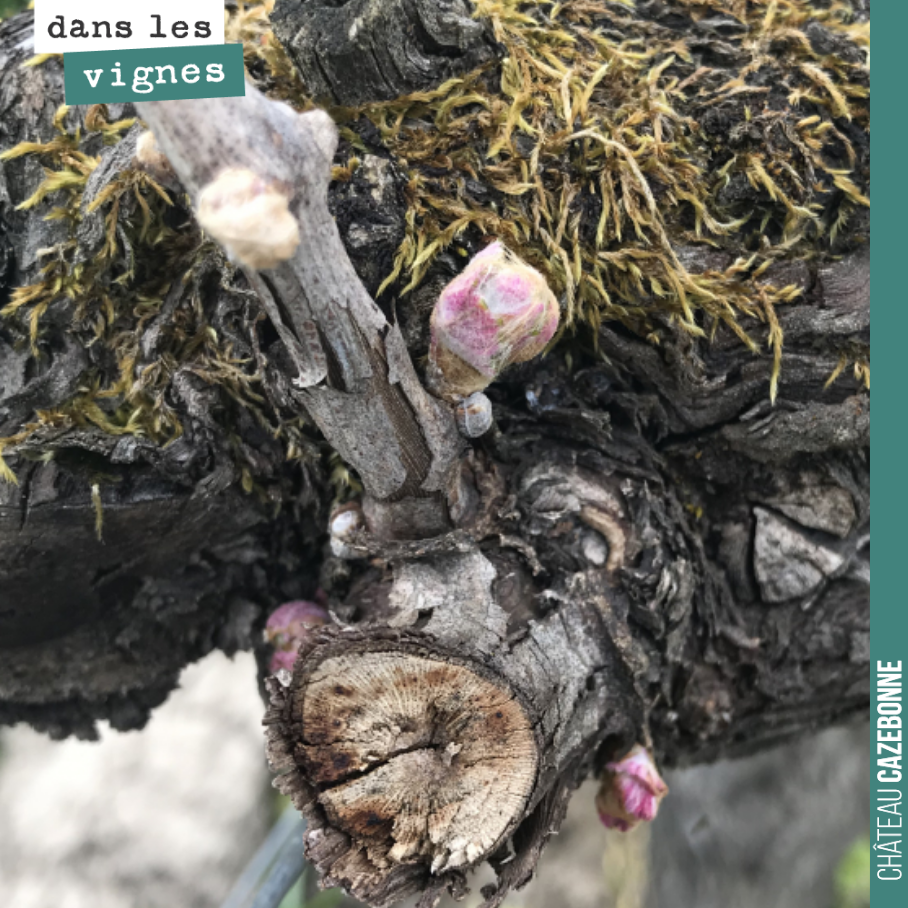
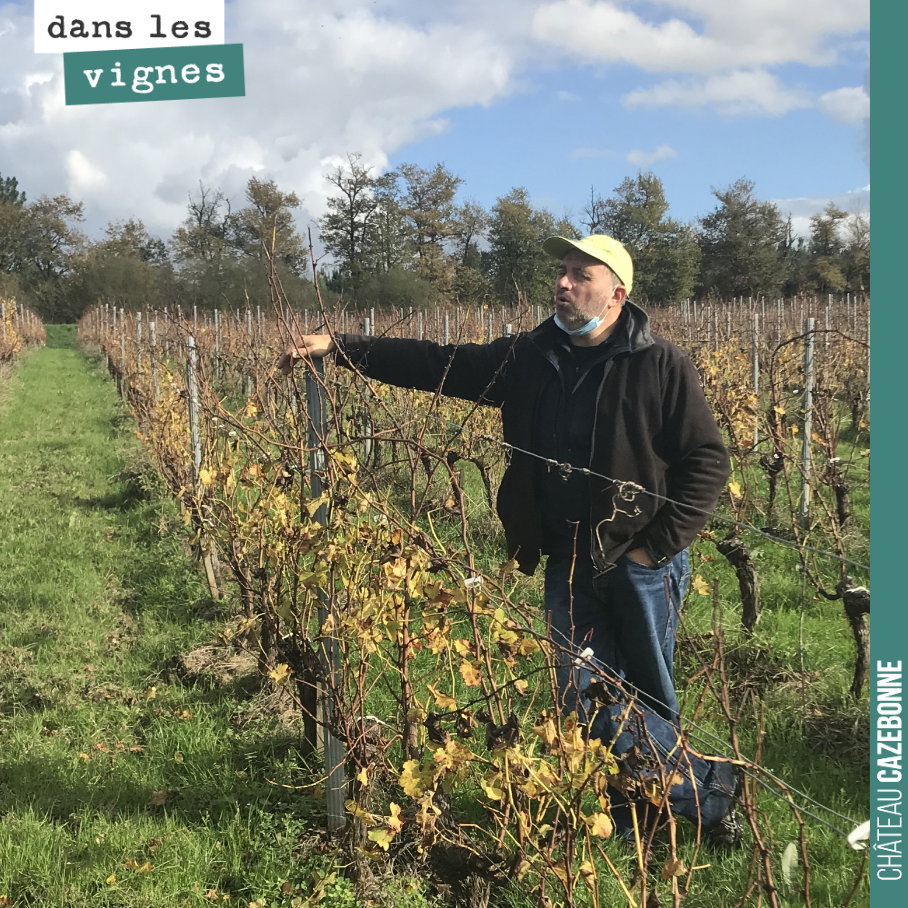
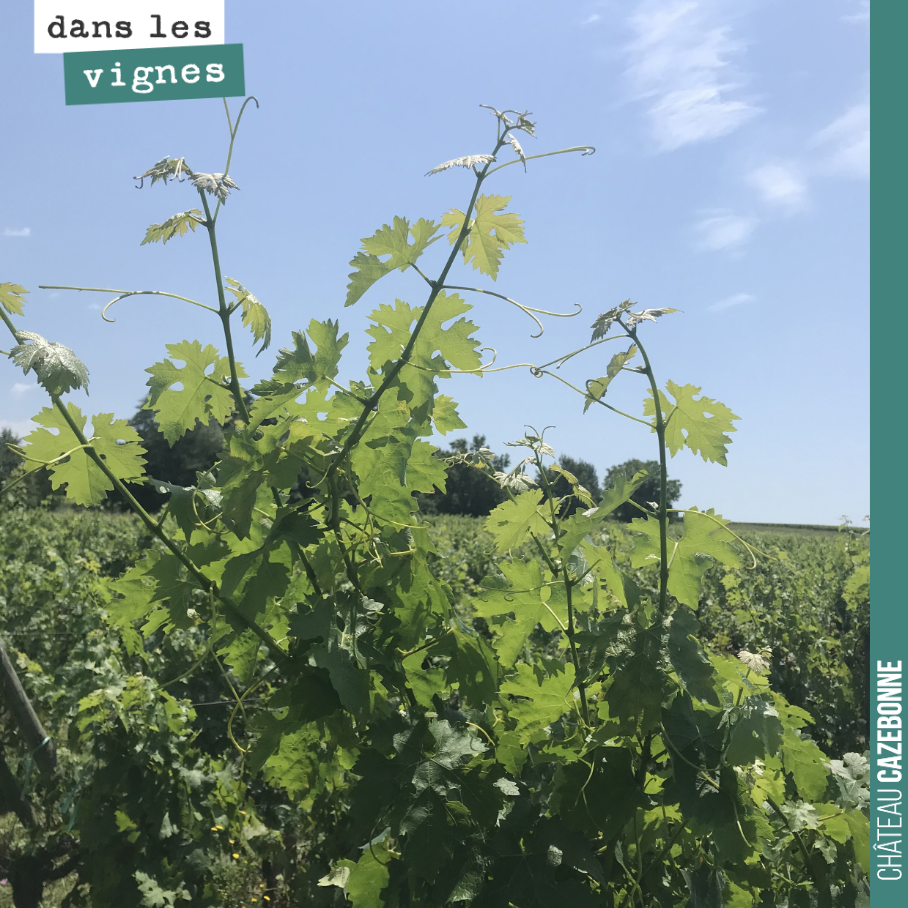
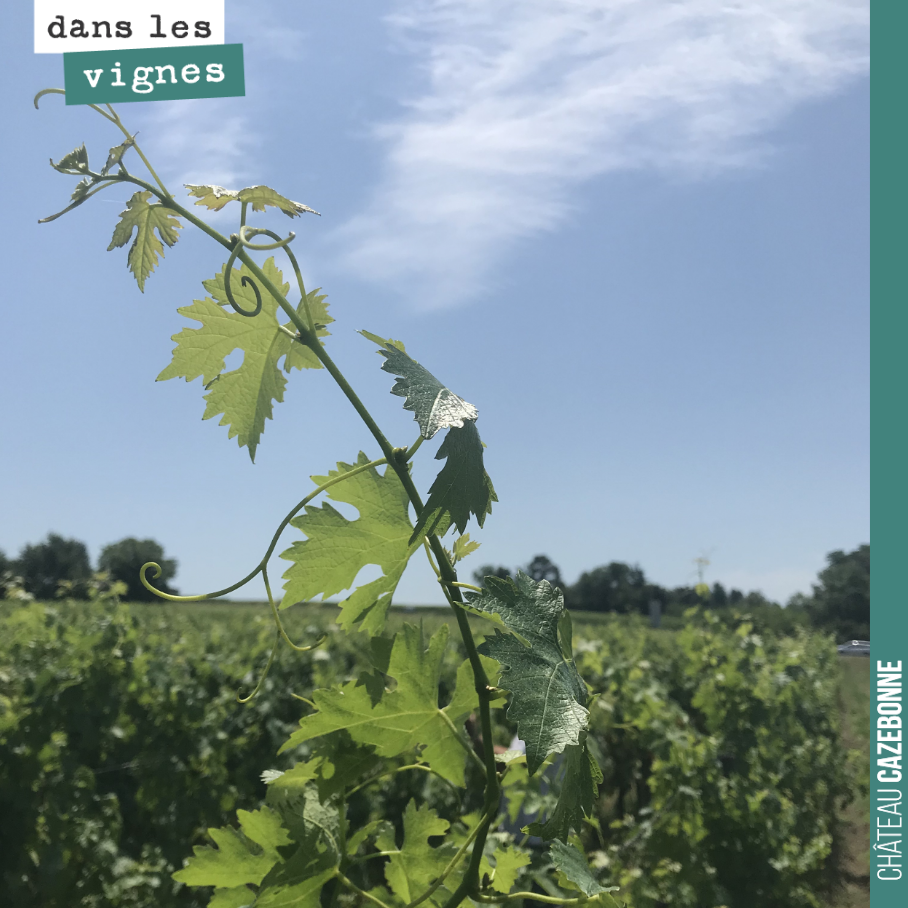
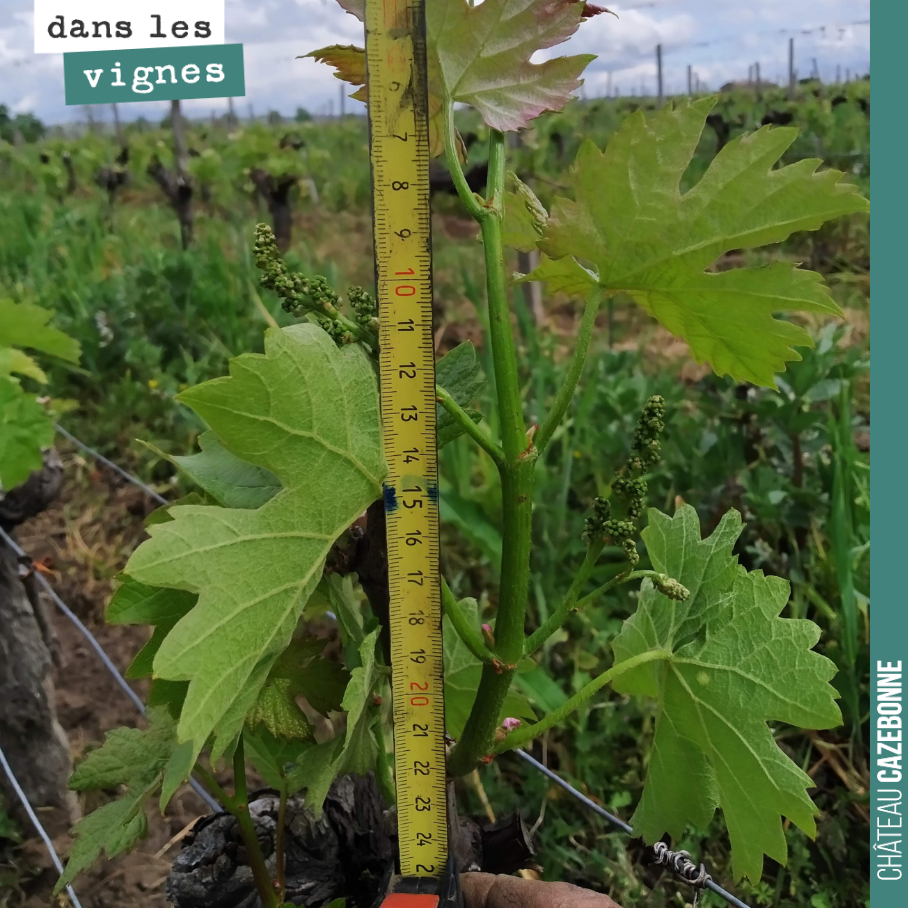
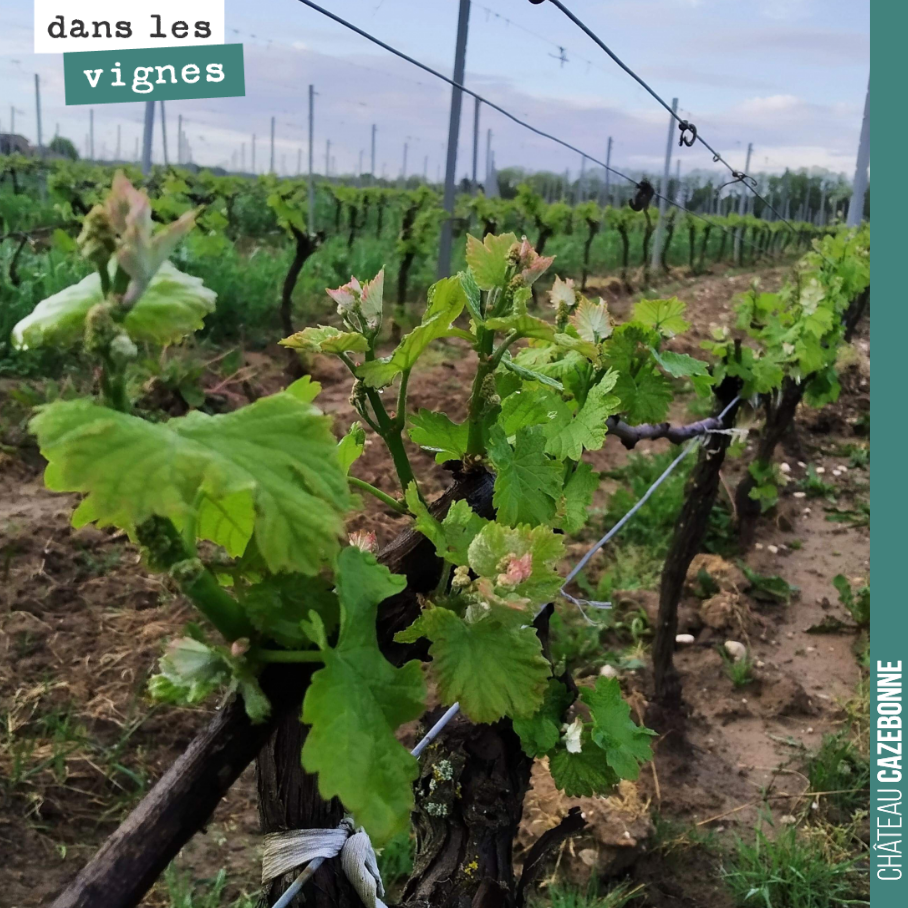
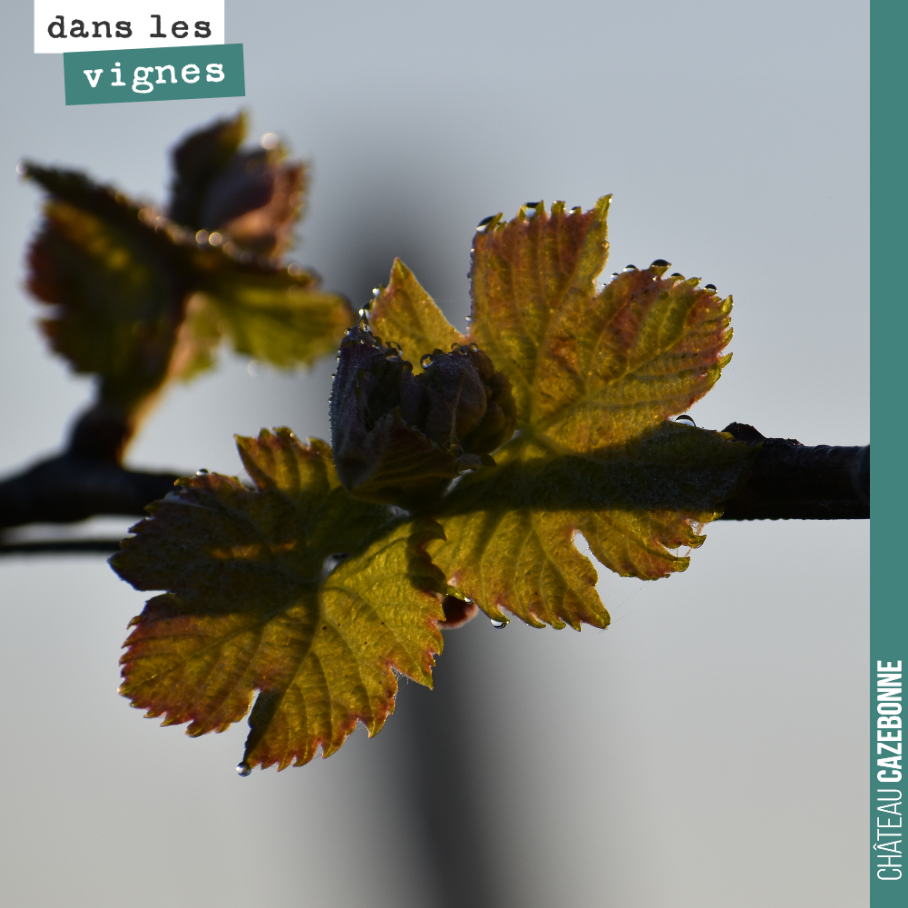
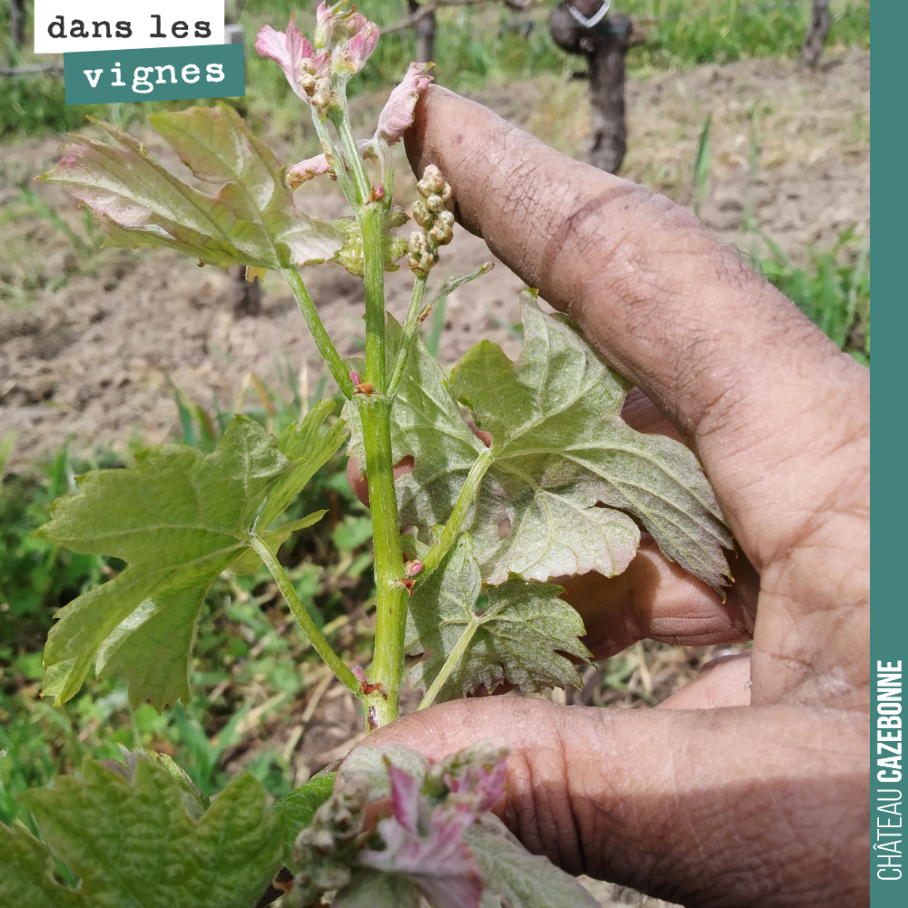
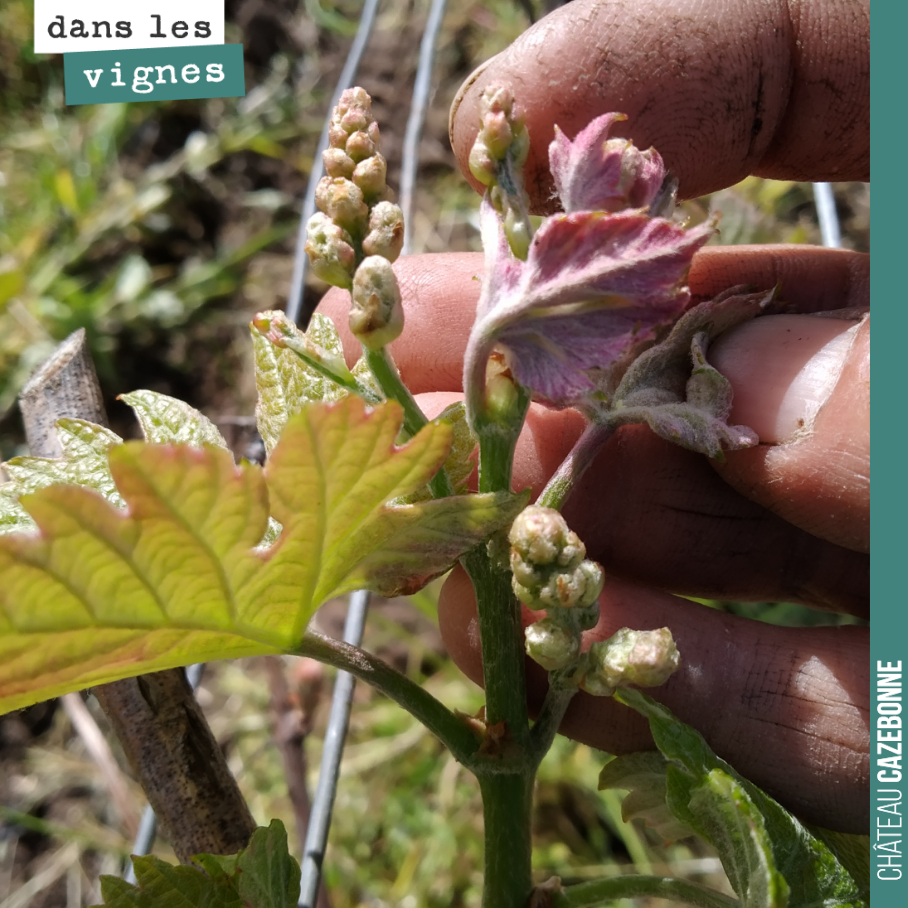
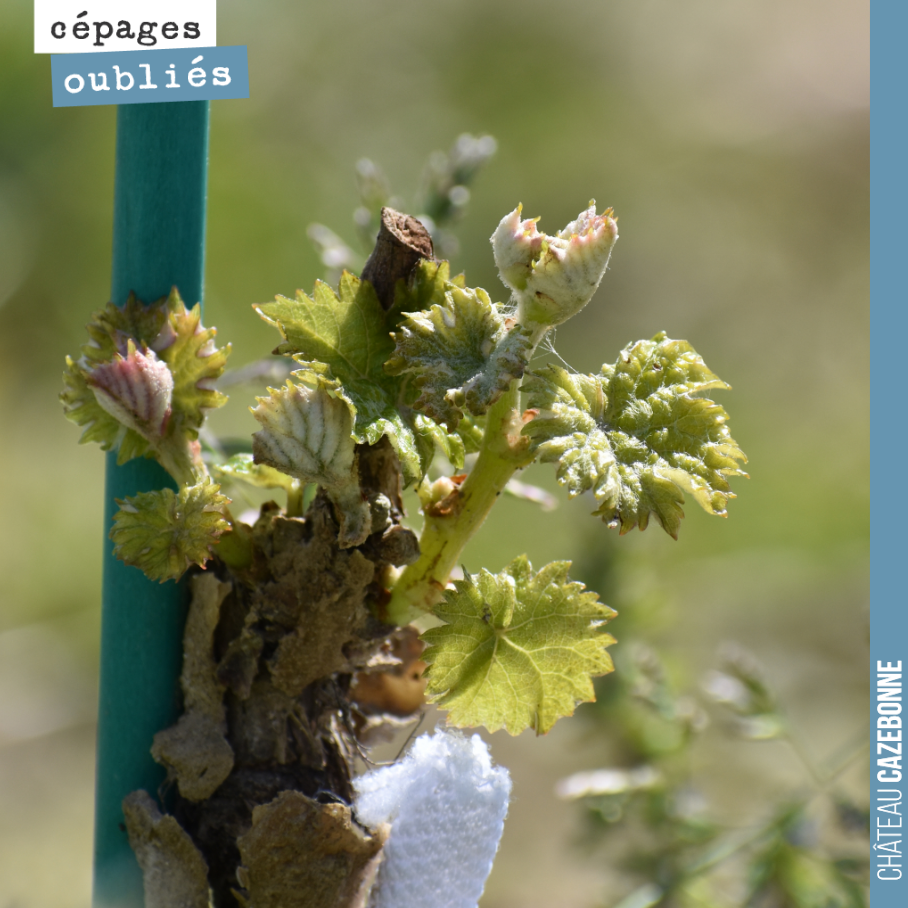
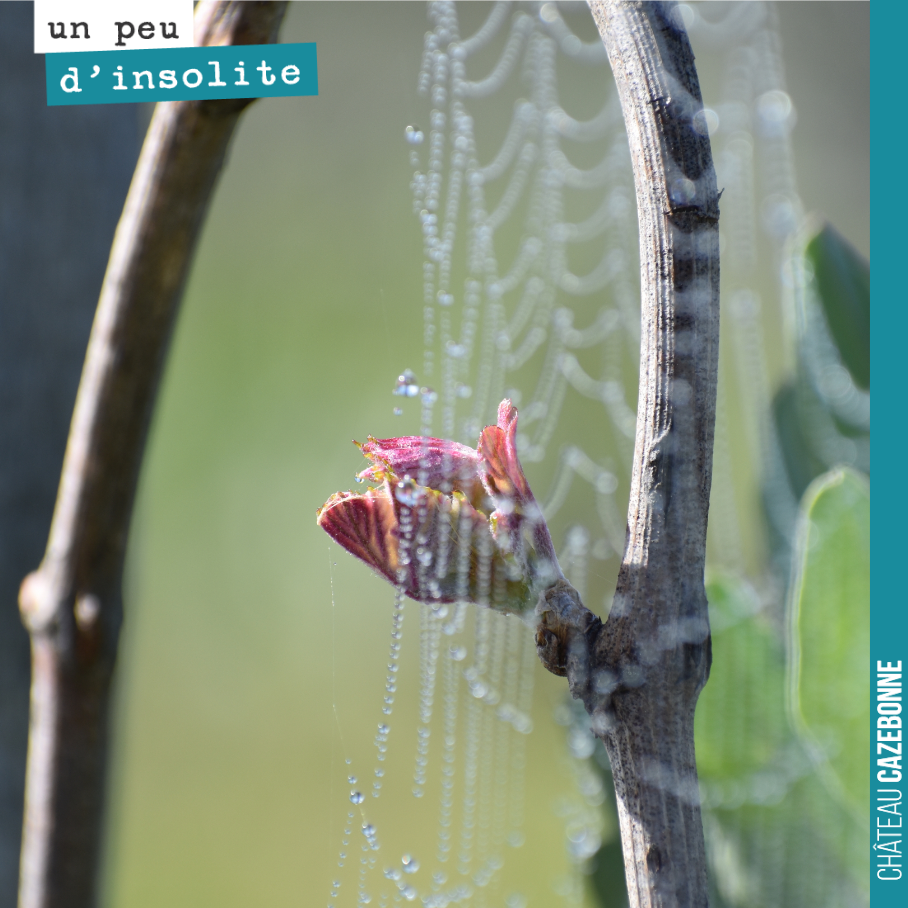
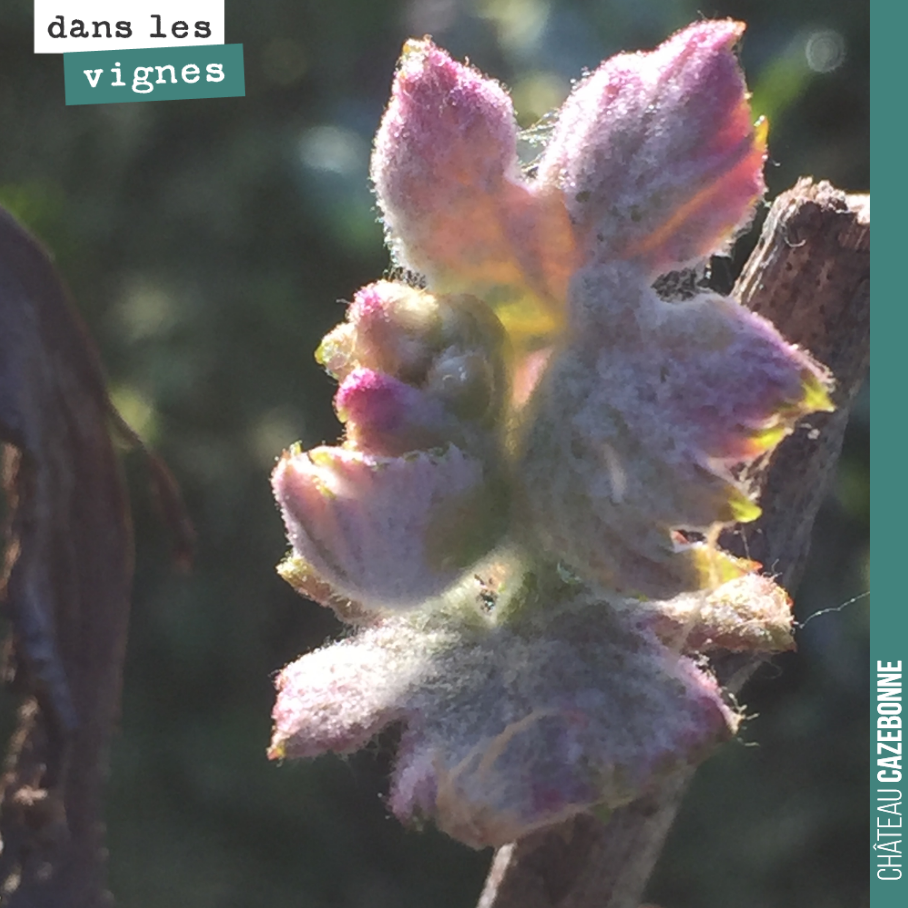
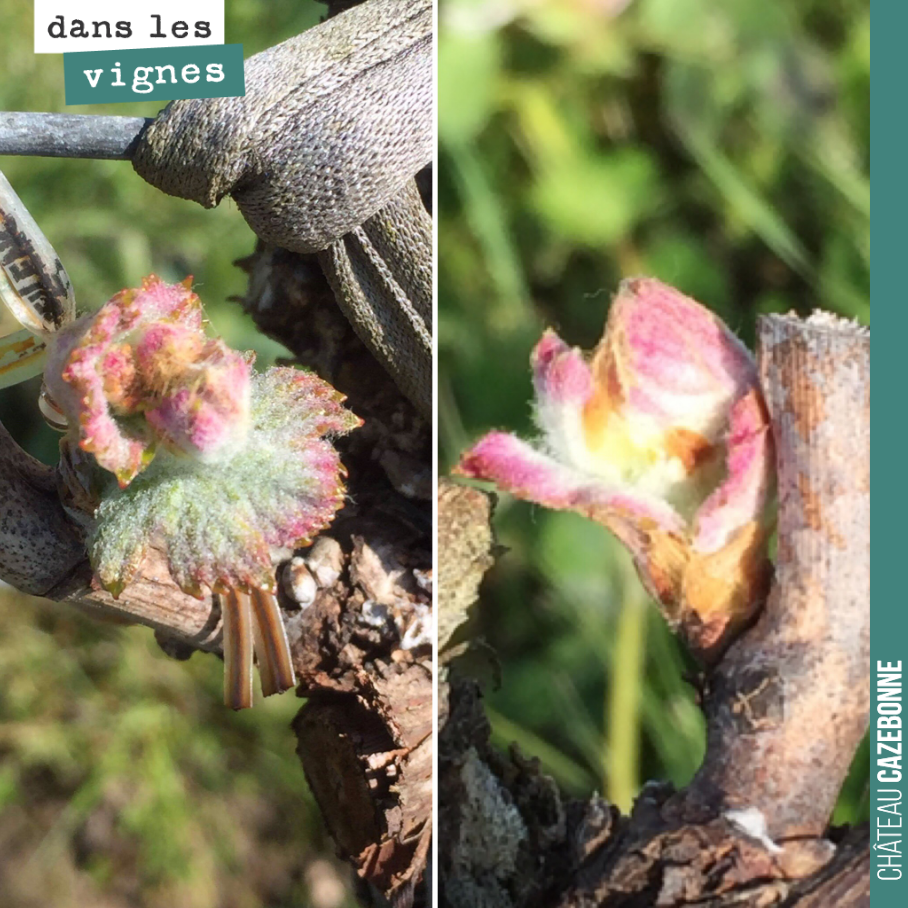
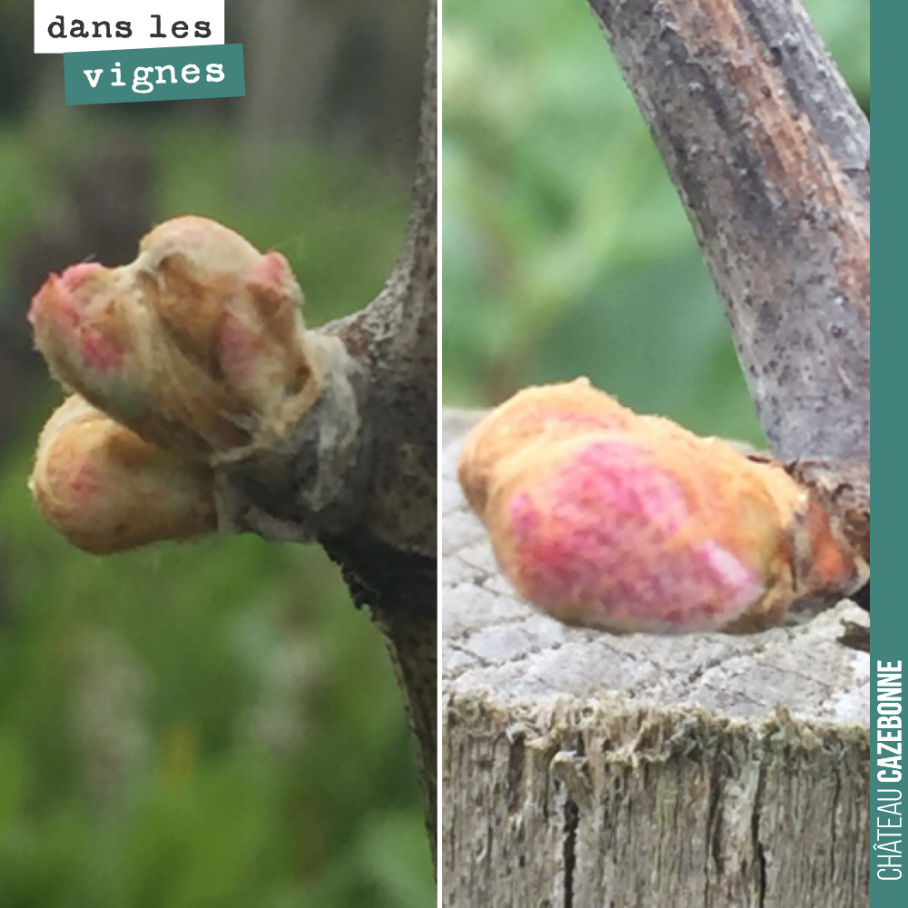
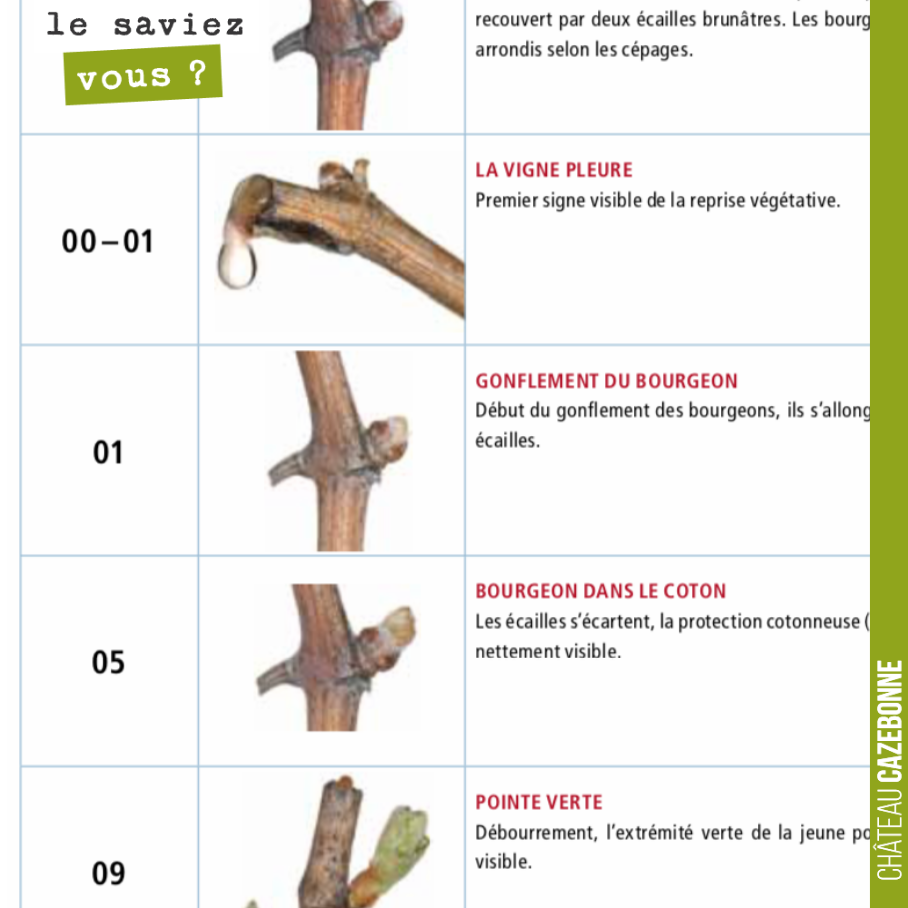
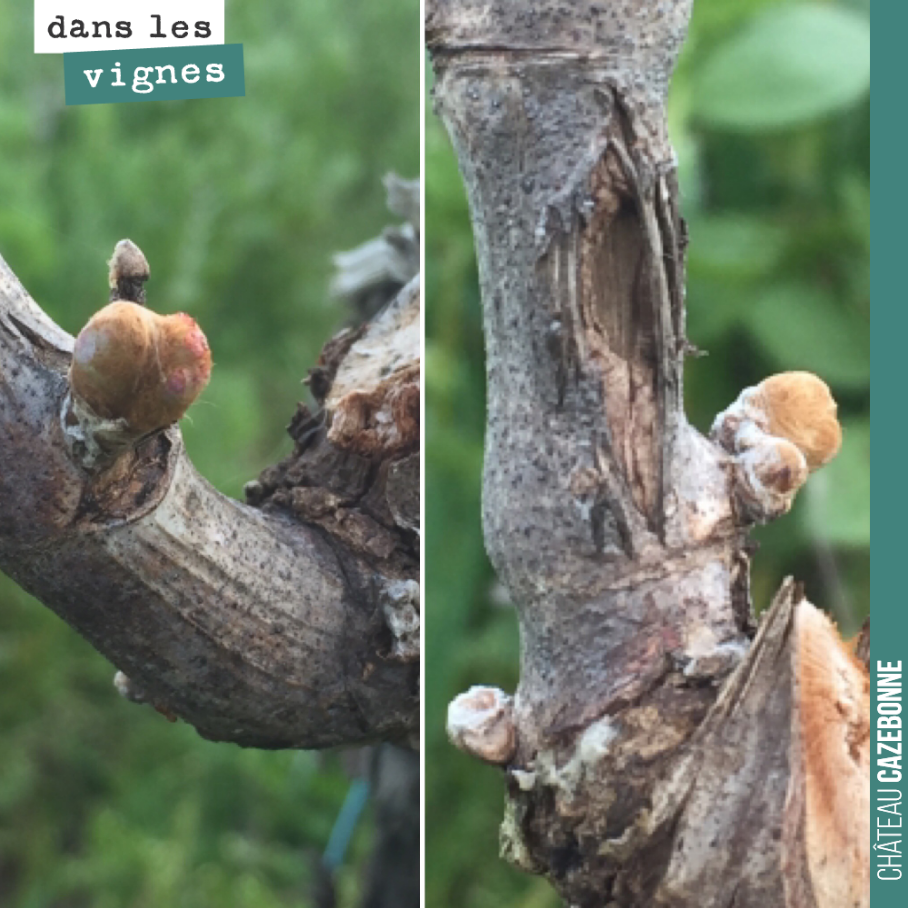
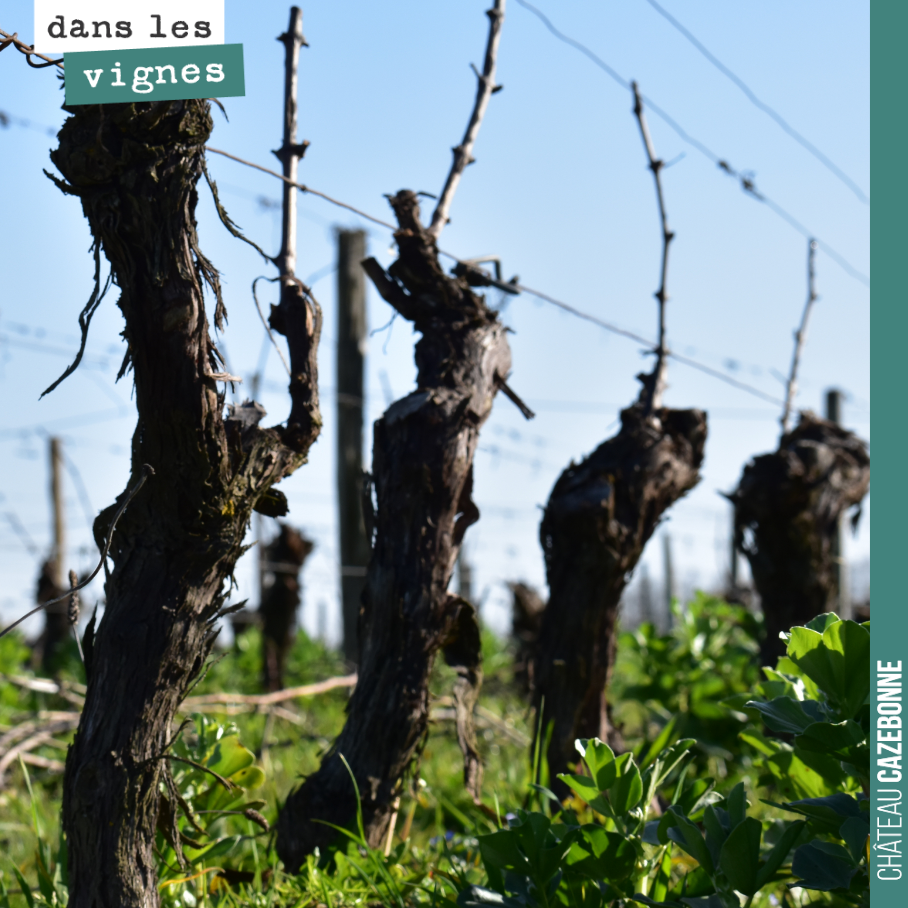
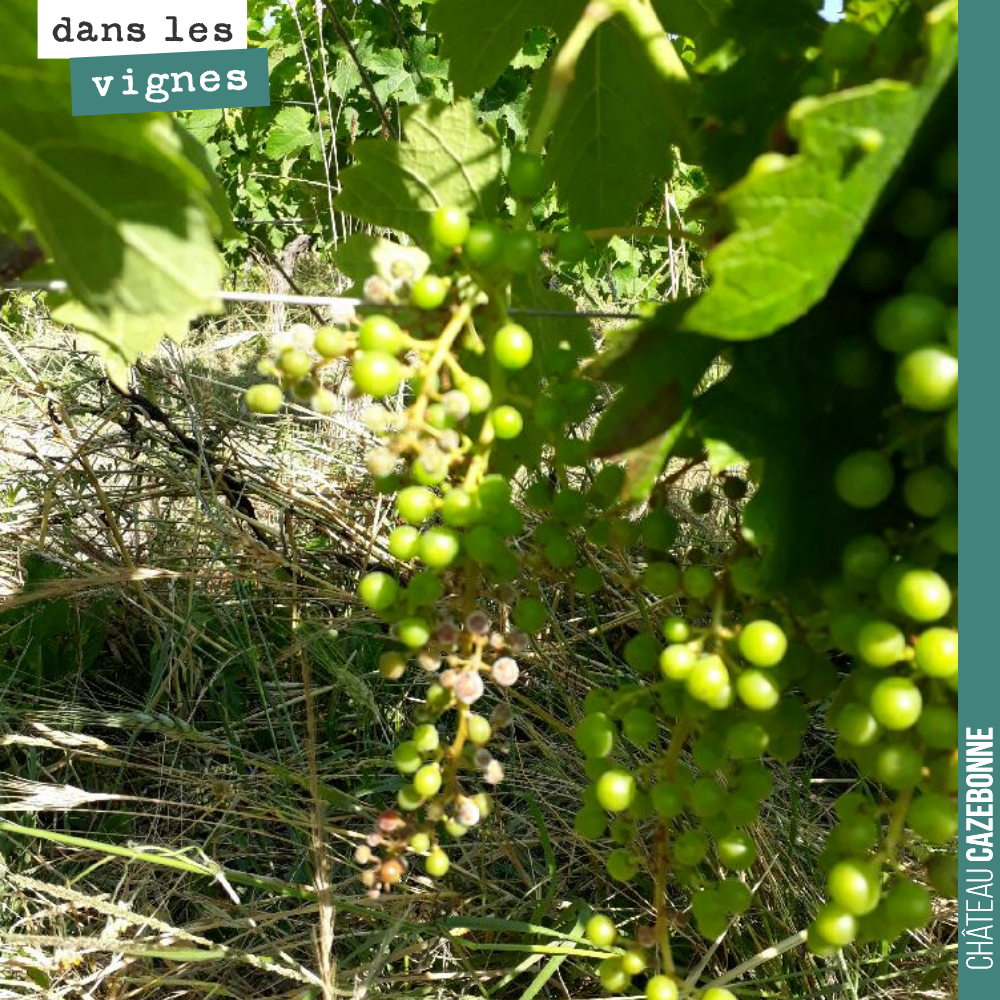
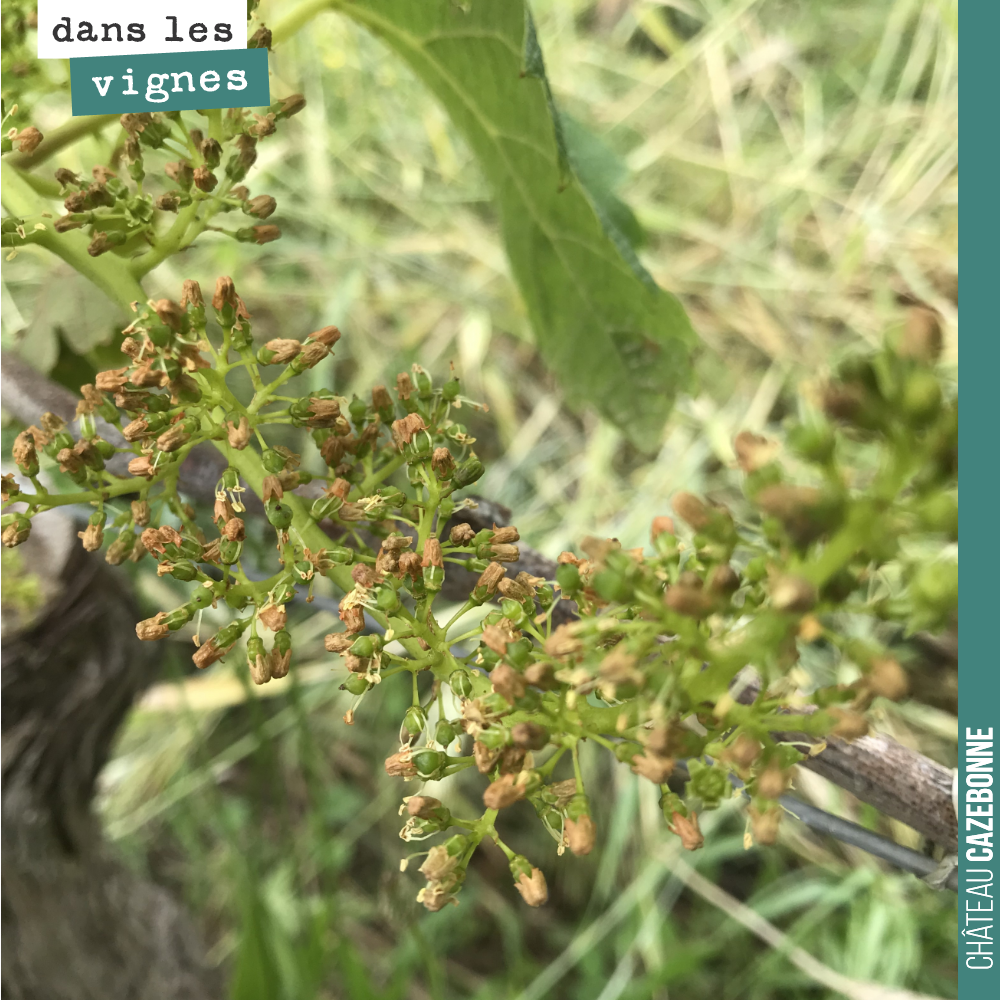
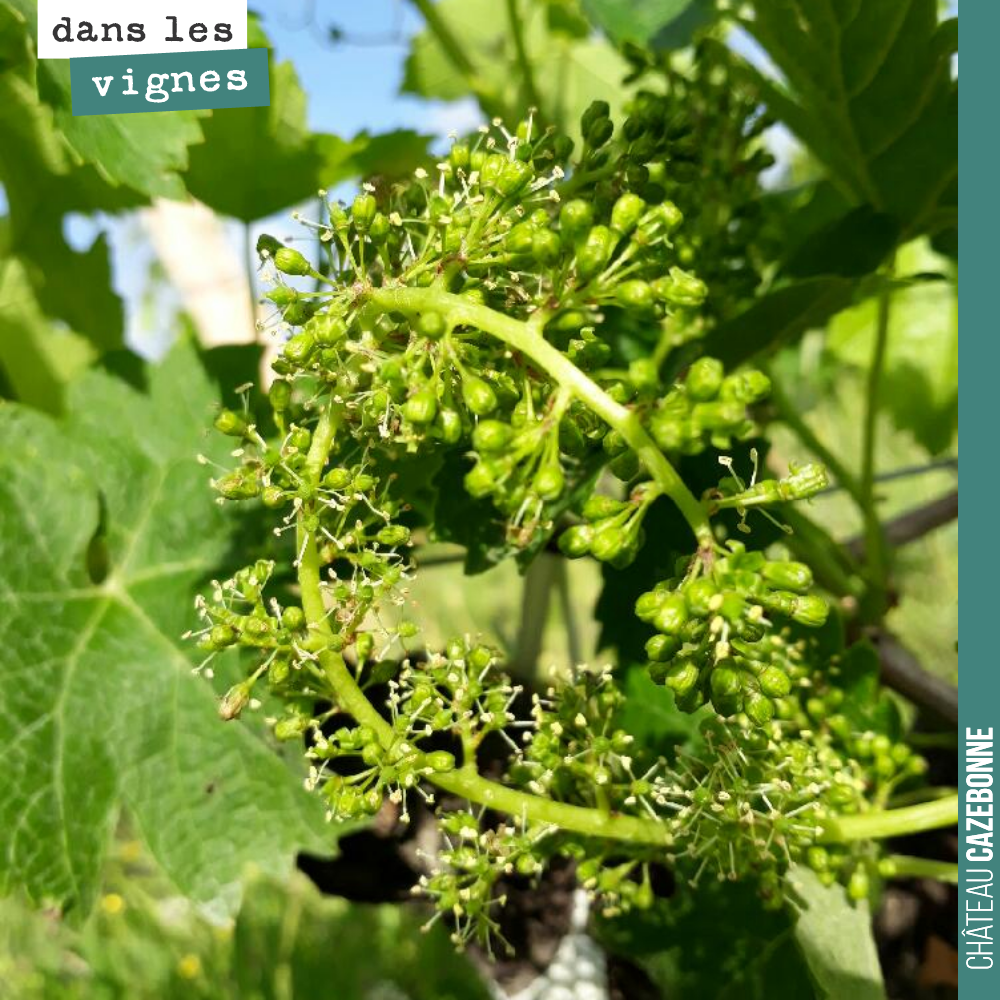
The vegetative cycle of the vine is a succession of stages that takes place over a year, directly influencing the quality and quantity of the harvest. It begins in spring with bud burst, the opening of the buds. Then comes flowering, a delicate period when the flowers transform into berries. Fruit set corresponds to the formation of the fruit, while véraison marks the grapes' change in colour and the beginning of their ripening. Finally, the harvest brings this cycle to a close, a key moment when the bunches are picked for winemaking. Each stage is meticulously monitored and can be influenced by the winegrower's practices.
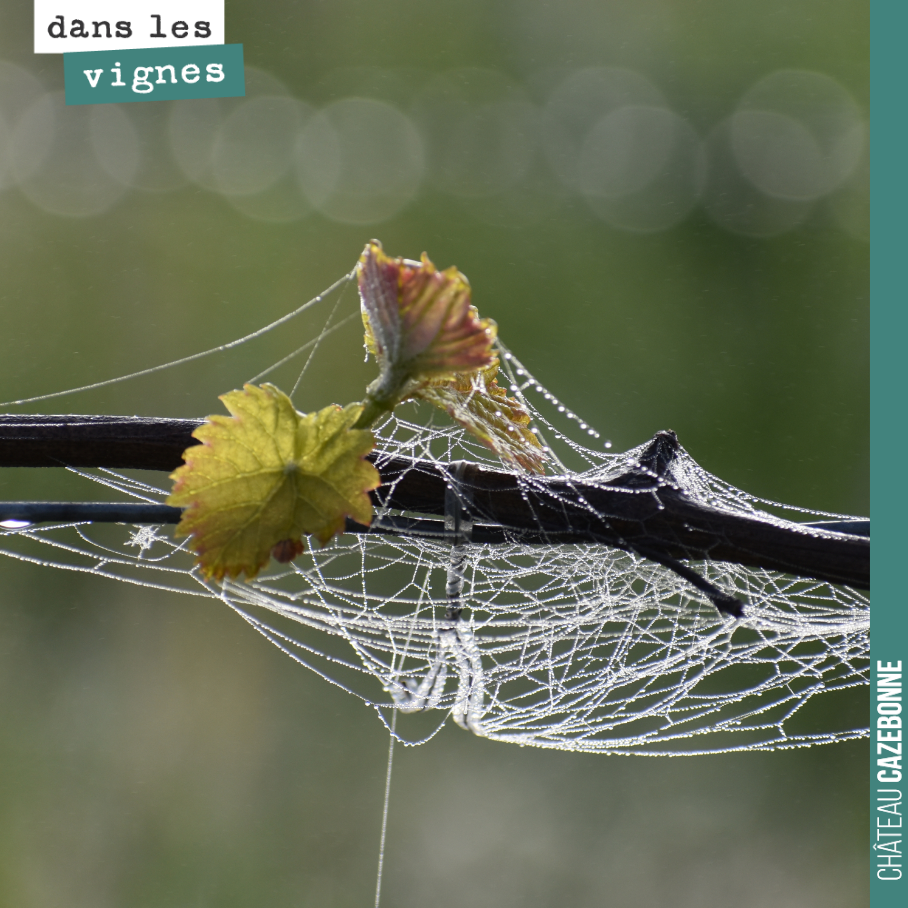
The vine does not grow in isolation; it interacts constantly with its surroundings. The terroir, a combination of soil, climate, topography, and human expertise, plays a predominant role in expressing the wine's characteristics. Beyond physical factors, the surrounding biodiversity is paramount for the health of the vine. From pollinating insects to soil microorganisms, birds, and local flora, each element contributes to a precious ecological balance. Preserving and promoting this biodiversity is a major challenge for sustainable and environmentally friendly viticulture.
The history of the vine in Bordeaux is a fascinating tale, beginning with the arrival of the Romans who introduced vine growing to the region. From Antiquity, Bordeaux became a viticultural commercial crossroads, exporting its wines to other Roman provinces. Over the centuries, the Bordeaux vineyard has experienced periods of prosperity and challenges, such as the arrival of Phylloxéra in the 19th century, which ravaged almost all the vines. These crises forged the character of the vineyard, leading to the introduction of resistant rootstocks and a rigorous selection of grape varieties adapted to the terroir. Dutch influence during the Middle Ages and the Renaissance also left its mark on the vineyard, promoting the production of white wines and the drainage of soils. Today, Bordeaux viticulture continues to evolve, seeking a balance between tradition and innovation, notably through the reintroduction of forgotten grape varieties and the adoption of more environmentally friendly practices.
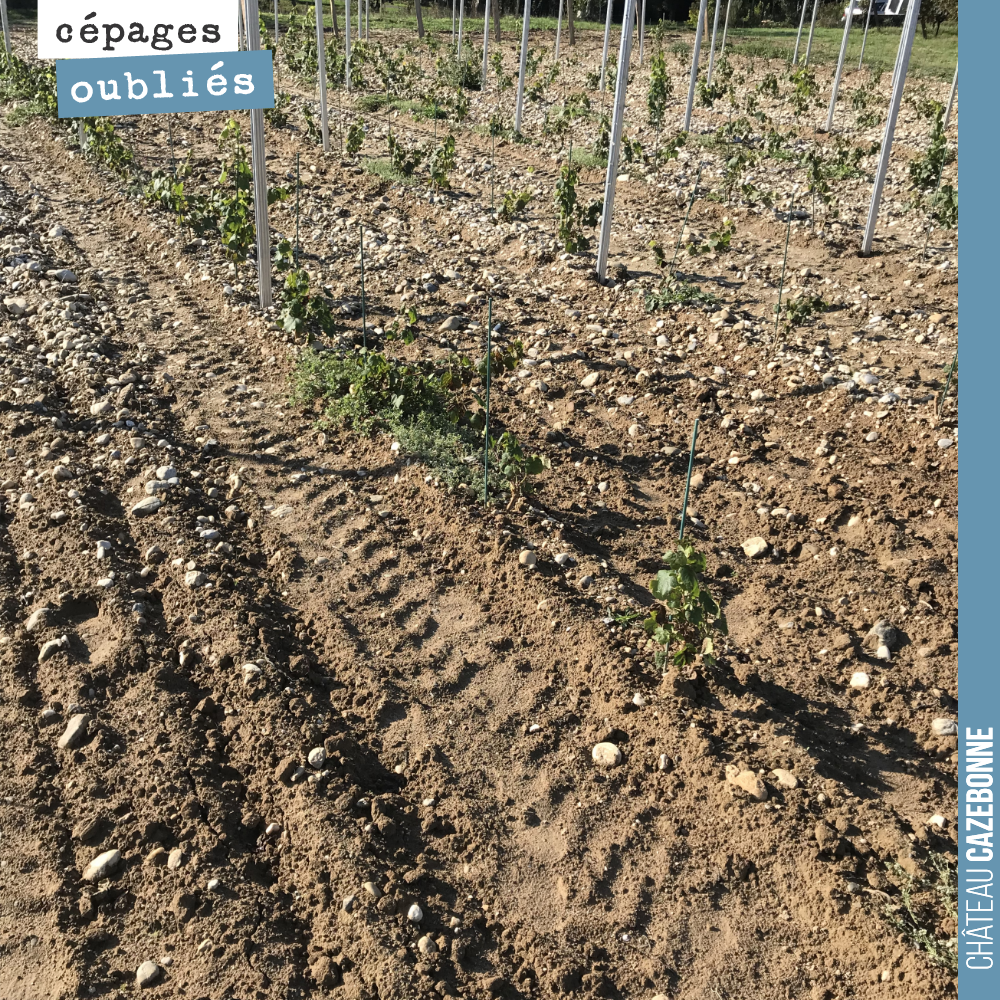
Château Cazebonne is committed to this approach of innovation and respect for the past, by replanting old Bordeaux grape varieties, many of which had disappeared from the region. This long-term endeavour is made possible thanks to the commitment of the many wine lovers who embrace our wines and share our vision. To learn more about the ampelographic heritage of our region, we invite you to download the digital version of the book "Bordeaux, une histoire de cépages" by Jean-Baptiste Duquesne on our page dedicated to old grape varieties, then to test your knowledge with our oenological quizzes, and finally, to discover our different cuvées by exploring our online shop.
Sources
Our suggestions
-5%on your 1st order with code BIENVENUE
The essential6 bottles — Graves red 2022
The best price of the cellar: €12 per bottle delivered.
The everyday red: generous and straight to the point.
I want it Our recommendation92/100 RVF
6 bottles — Graves red 2022, 92/100 RVF
Rated 92/100 by La Revue du vin de France: a solid 10-year ageing potential.
Our Graves for ageing, the finest gateway to the estate.
I want it Go further
12 bottles — the whole range
12 bottles, the whole range tasted: the best discovery-to-price ratio.
The complete tour of the estate, in a single case.
I want it
17 September 2026
By Jean-Baptiste
24 April 2022
08 July 2021
19 June 2021
09 June 2021
29 March 2021

26 March 2021
20 March 2021
13 March 2021
07 February 2021
05 December 2020
16 November 2020
06 July 2020
27 June 2020
19 June 2020
08 May 2020
20 April 2020
20 March 2020
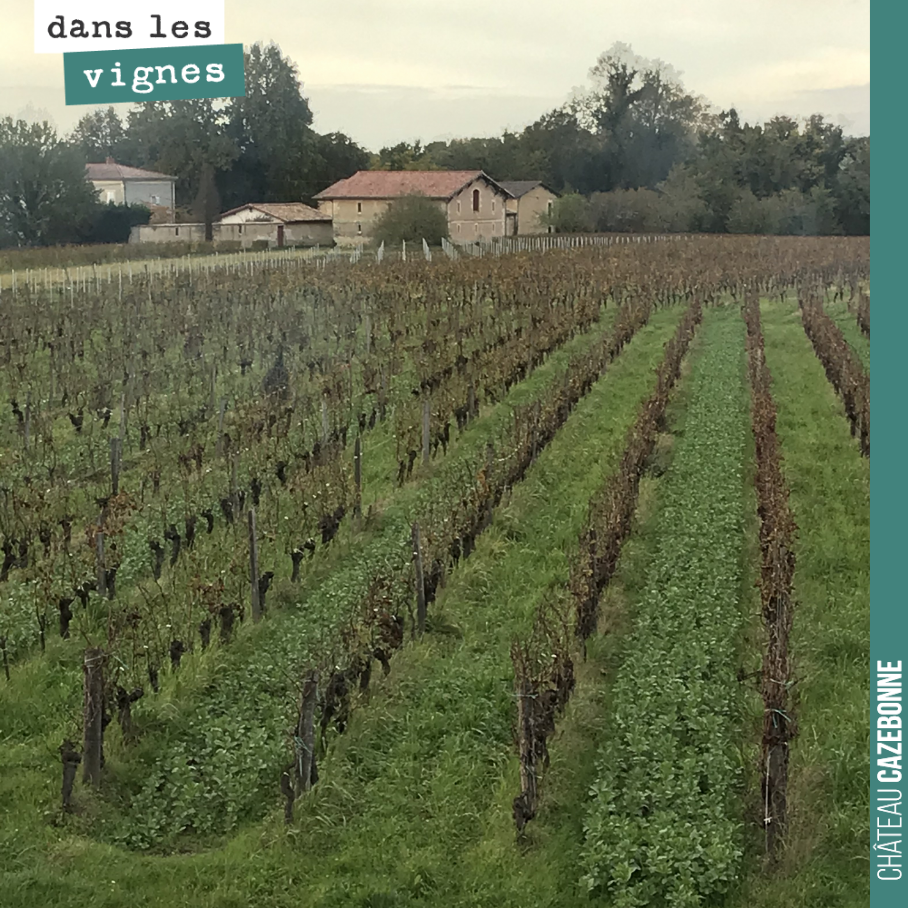
16 November 2019
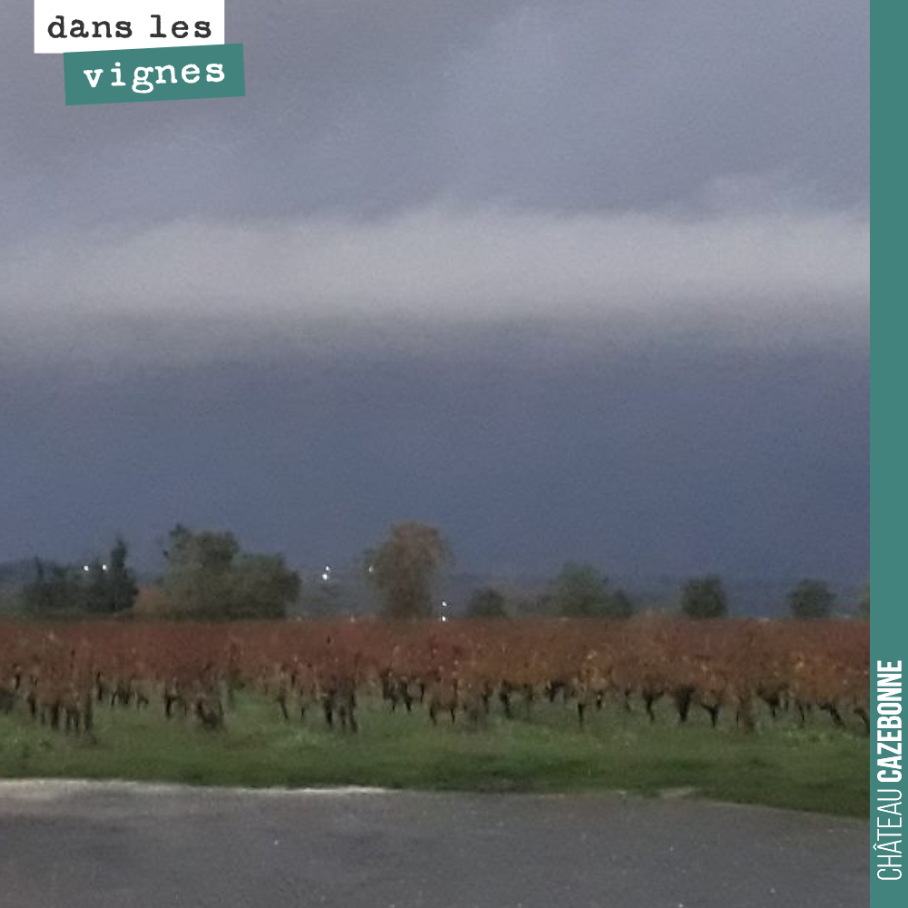
08 November 2019
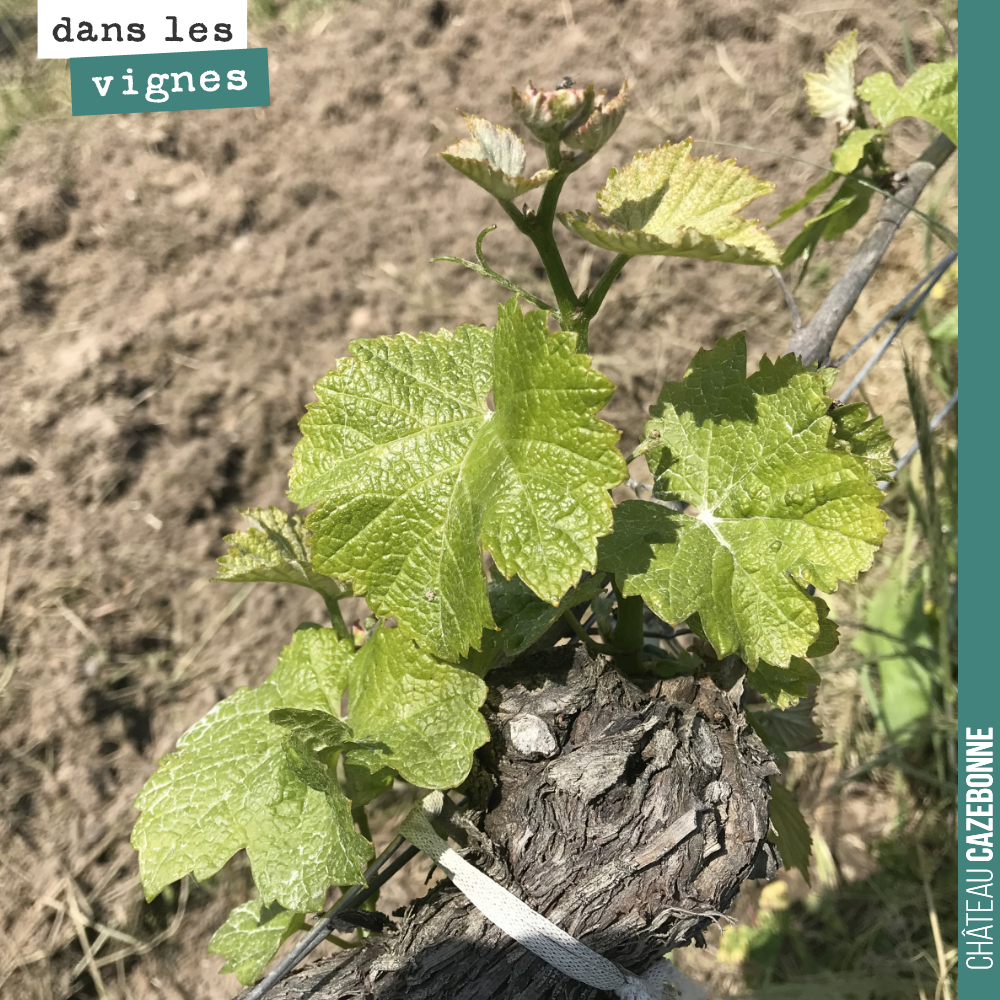
27 May 2019
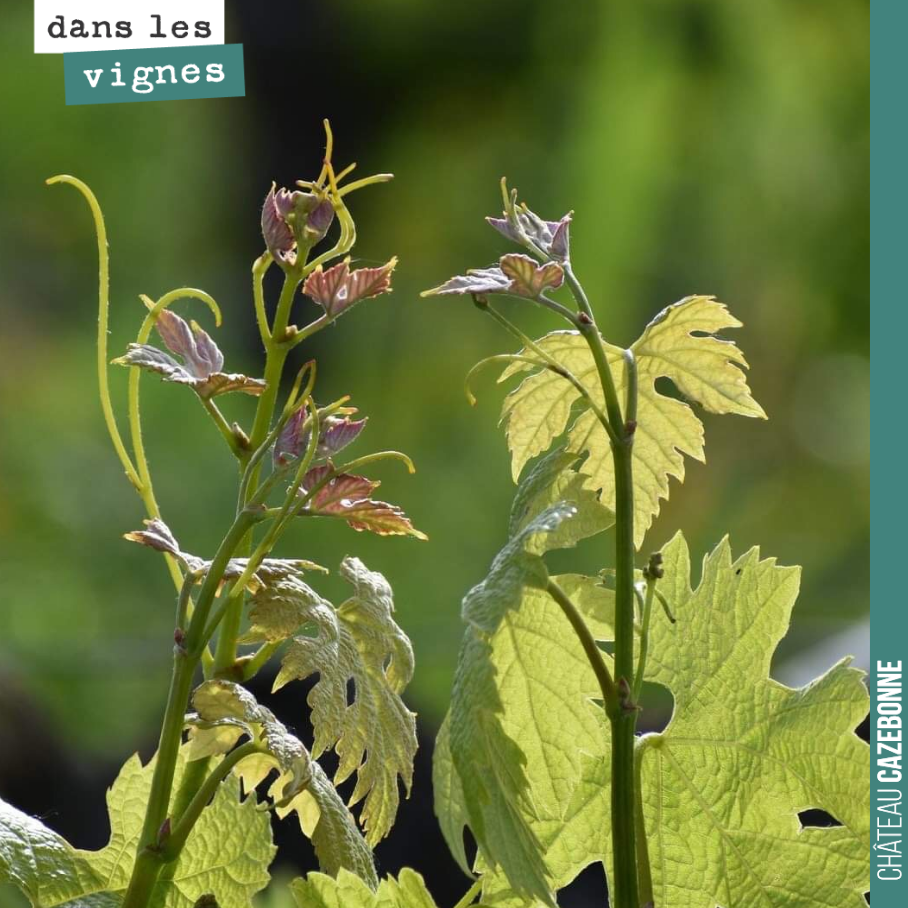
12 May 2019
12 May 2019
11 May 2019

10 May 2019
02 May 2019
30 April 2019
25 April 2019
25 April 2019
25 April 2019
23 April 2019
21 April 2019
20 April 2019
17 April 2019
16 April 2019
14 April 2019
12 April 2019
11 April 2019

06 April 2019
27 March 2019
26 March 2019
19 March 2019
19 March 2019
15 March 2019
13 March 2019
06 March 2019
02 March 2019
25 February 2019
22 February 2019
22 February 2019
21 February 2019
20 February 2019
05 January 2019
05 January 2019
30 December 2018
29 December 2018

18 December 2018
16 December 2018
15 December 2018
13 December 2018
06 December 2018
30 November 2018
27 October 2018
17 September 2018
29 June 2018
10 June 2018
10 June 2018
02 June 2018
The cellar, forgotten grape varieties and our cuvées, twice a month. 5% off your first order with the code BIENVENUE.