
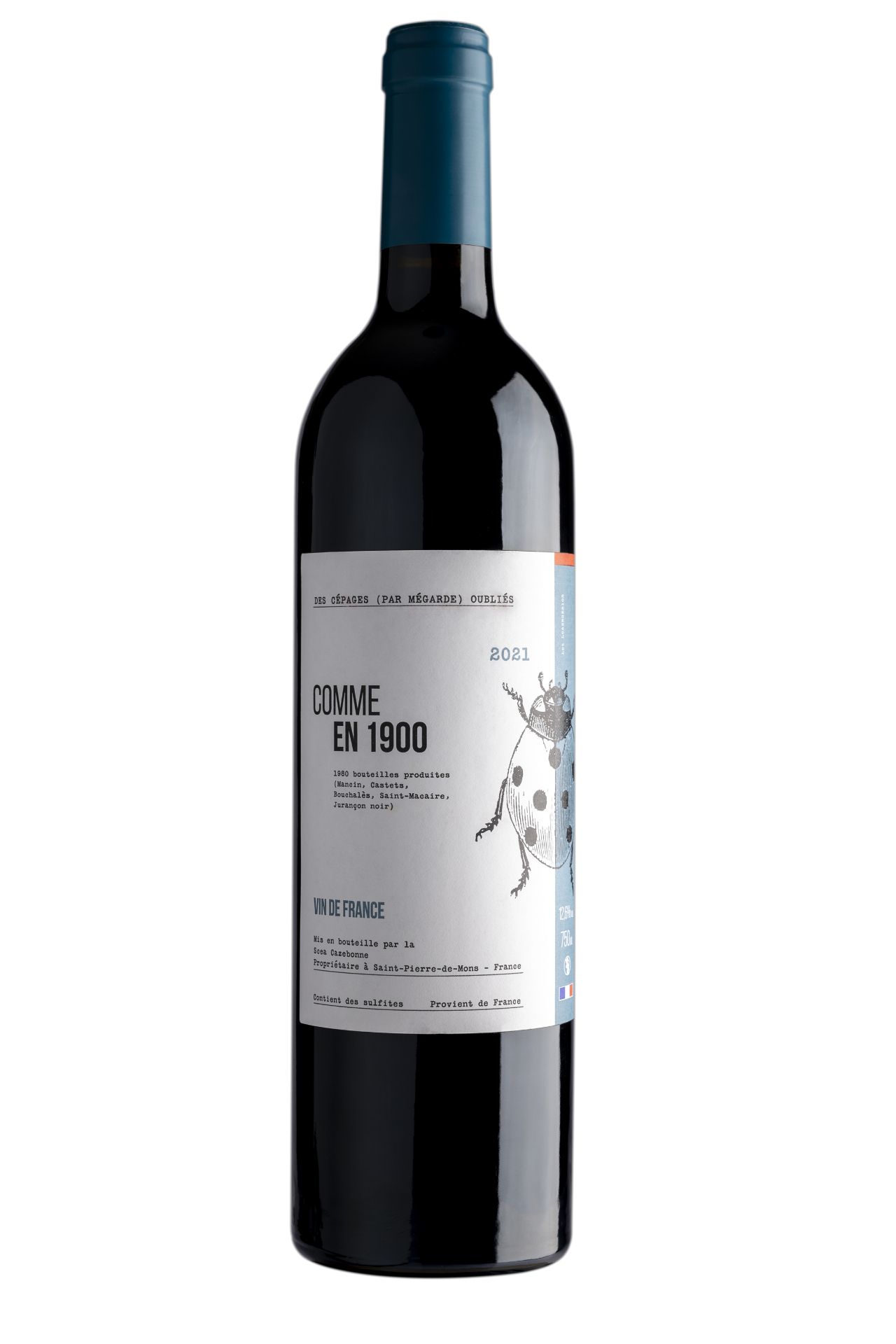
 The essential92/100 RVF
Comme en 1900 red 2022
Vin de France — heritage grapes, 92/100 RVF
The pre-phylloxera Bordeaux blend, revived at the estate.
Castets, Mancin, Pardotte: the Bordeaux before Bordeaux.
I want it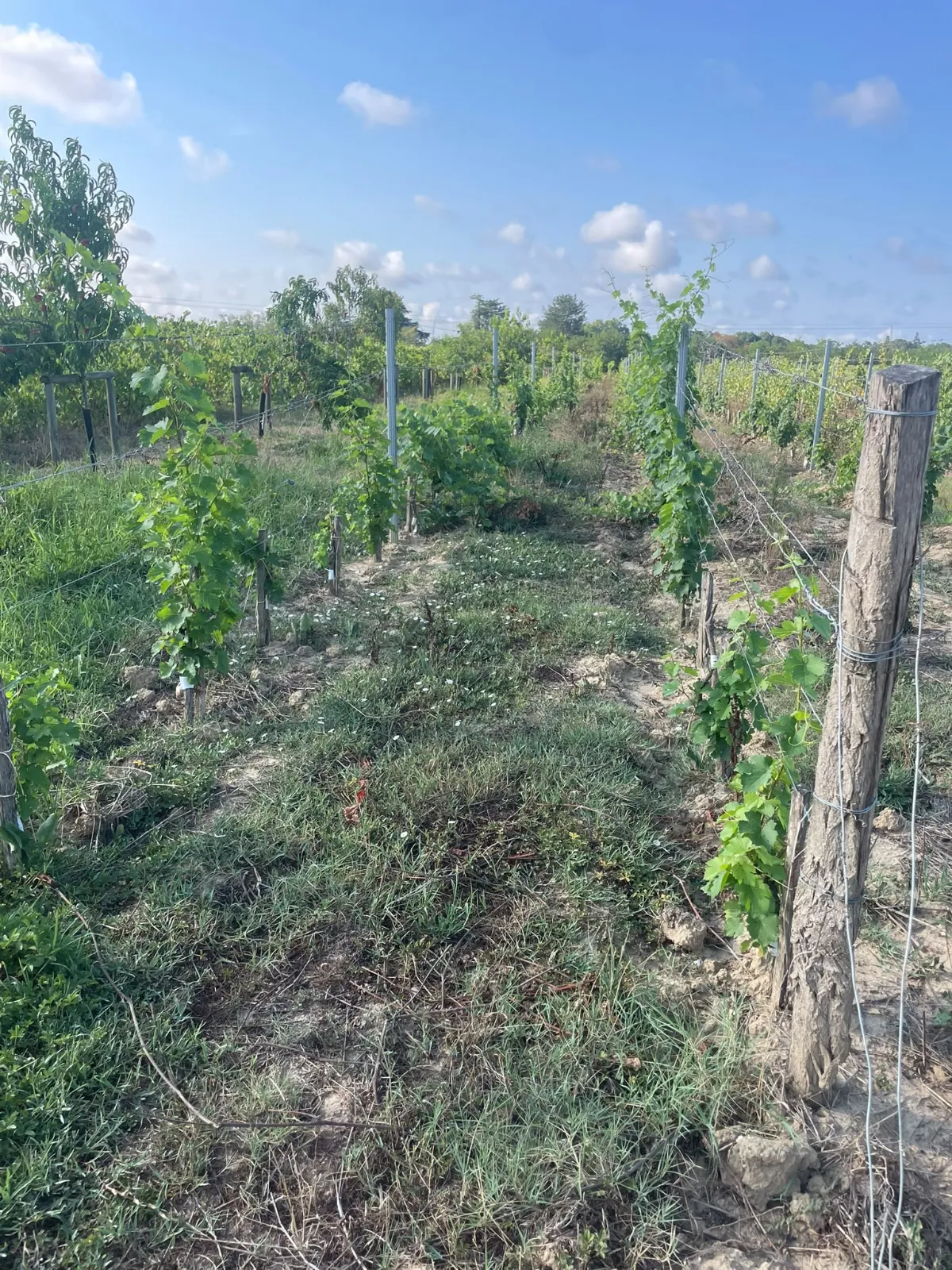
The Bordeaux vineyards, cradle of an ancestral winemaking tradition, have experienced over the centuries a diversity of grape varieties far broader than today's planting mix. Various crises have marked the Bordeaux wine region, beginning with the appearance of powdery mildew (oïdium) as early as 1851. Phylloxera, downy mildew, and black rot followed in succession... Every crisis prompted adaptations from winegrowers, who grubbed up certain grape varieties in favour of others that allowed them to earn a better living.
It was the creation of the AOC system in 1935 that ratified the list of grape varieties we know today. Ancillary varieties were tolerated for a time, before gradually disappearing in the late 1960s.
Bordeaux long maintained a rich grape variety conservatory at the Grande Ferrade station, but this conservatory was gradually neglected. Today, the Gironde Chamber of Agriculture is actively working on the establishment of a Gironde conservatory.
Since 2017, Château Cazebonne has been working to replant all the grape varieties that once existed in Bordeaux. Small plots were planted over the years... but space was running out to replant all 60 varieties identified as historically present in Bordeaux. This led Jean-Baptiste Duquesne to the decision to create a grape variety conservatory on a single parcel, planting side by side 30 white grape varieties and 30 red grape varieties to observe and compare them over the years: diseases, drought resistance, vigour... all key parameters for selecting the right varieties for the future.
The conservatory was established using a single rootstock in 2023.
In June, 30 white grape varieties were already grafted, with the help of winemakers from across the Gironde belonging to the Bordeaux Pirate collective.
Next year, the project will be completed with the grafting of some thirty red varieties.
The first grapes will be harvested as early as 2027, and some will undergo micro-vinifications to evaluate their tasting potential.
Beyond the classic Bordeaux grape varieties (Sémillon, Sauvignon, Muscadelle), which are also grafted in the conservatory as control vines, the conservatory includes: Béquignol (blanc and gris), Blanc Auba, Prueras, Sauvignonasse, Baroque, Montils, Ondec, Mauzac (blanc and gris), Len de l'El, Bouysselet, Colombard...
Alongside Merlot, Malbec, and Cabernet-Sauvignon, next year will see the grafting of: Bouchalès, Castets, Mancin, Pardotte, Mérille, Jurançon noir, Saint-Macaire, Petit Péjac, Penouille, Gros Cabernet, Gros Verdot...
The work of Château Cazebonne, dedicated to the rediscovery and replanting of Bordeaux's historic grape varieties, is a genuine heritage quest made possible by the support of wine enthusiasts. To explore these fascinating stories further, feel free to download our book "Bordeaux, une histoire de cépages". If you would like to test your knowledge of wine and our region, take part in our wine quizzes. Finally, to discover the fruit of our efforts and the uniqueness of our wines crafted from these rediscovered varieties, we invite you to explore our online shop.
Sources
Our suggestions
-5%on your 1st order with code BIENVENUE
The essential92/100 RVFVin de France — heritage grapes, 92/100 RVF
The pre-phylloxera Bordeaux blend, revived at the estate.
Castets, Mancin, Pardotte: the Bordeaux before Bordeaux.
I want it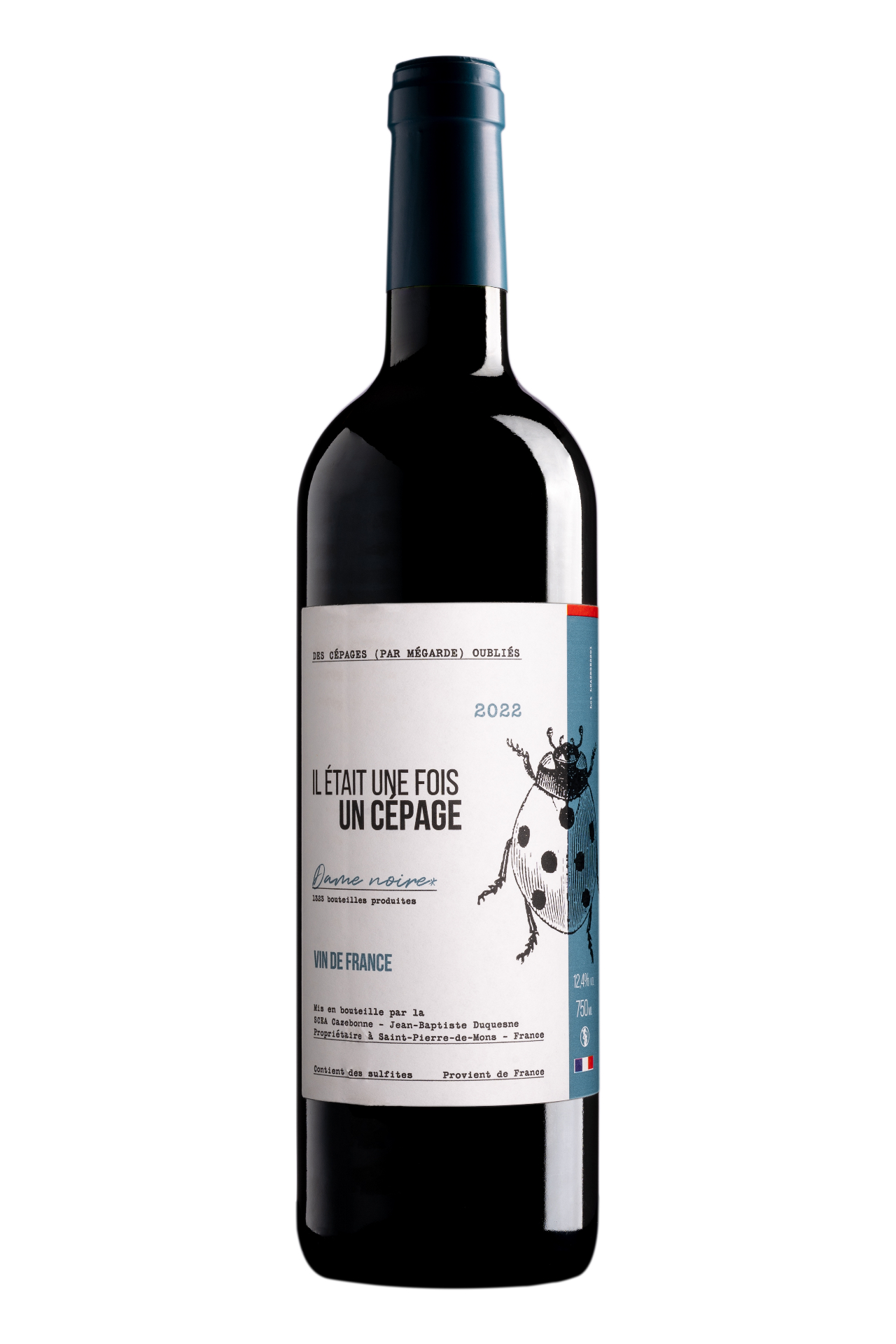 Our recommendation
IGP Atlantique — rare grape variety
A forgotten grape brought back: dense colour, wild fruit.
For the curious about lost grape varieties.
I want it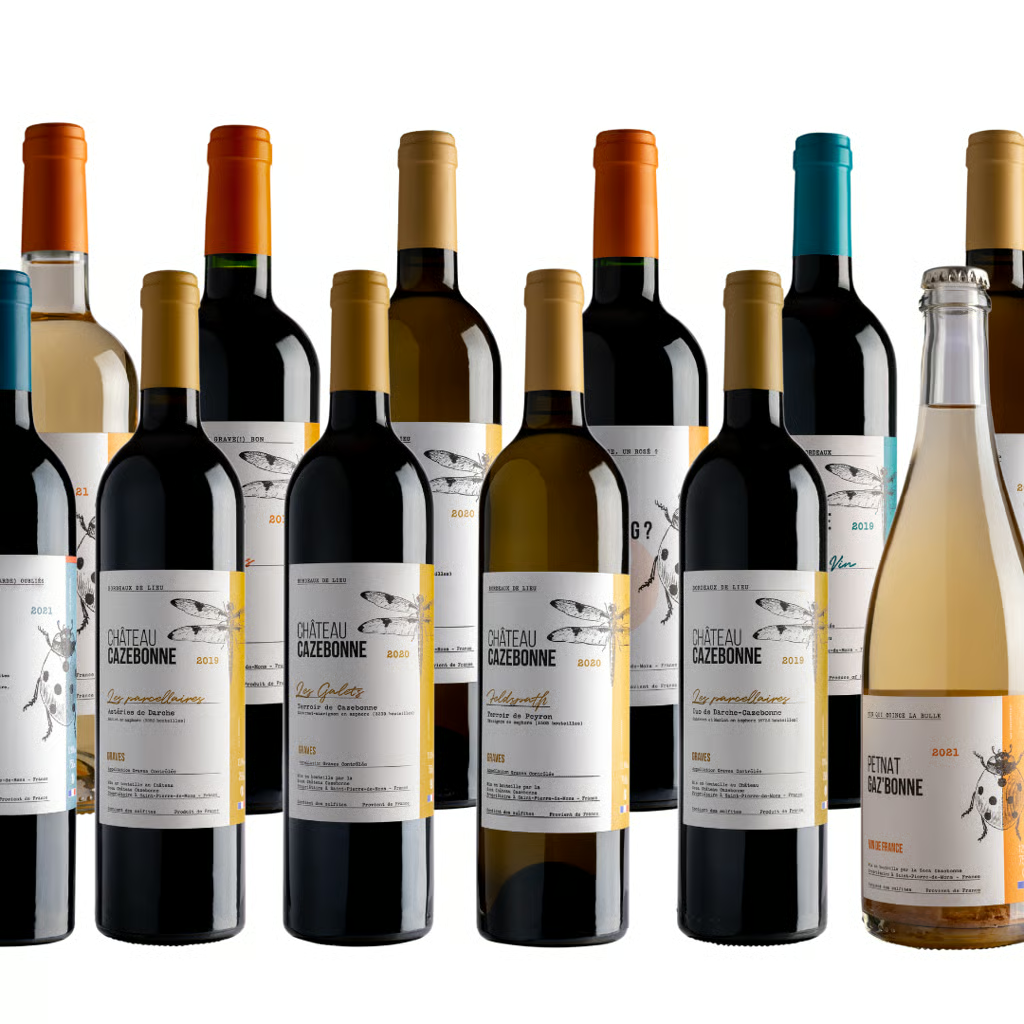 Go further
12 bottles — the whole range
12 bottles, the whole range tasted: the best discovery-to-price ratio.
The complete tour of the estate, in a single case.
I want it