
 The essential
6 × Entre Amis red
6 bottles — Graves red 2022
The best price of the cellar: €12 per bottle delivered.
The everyday red: generous and straight to the point.
I want itPlanting
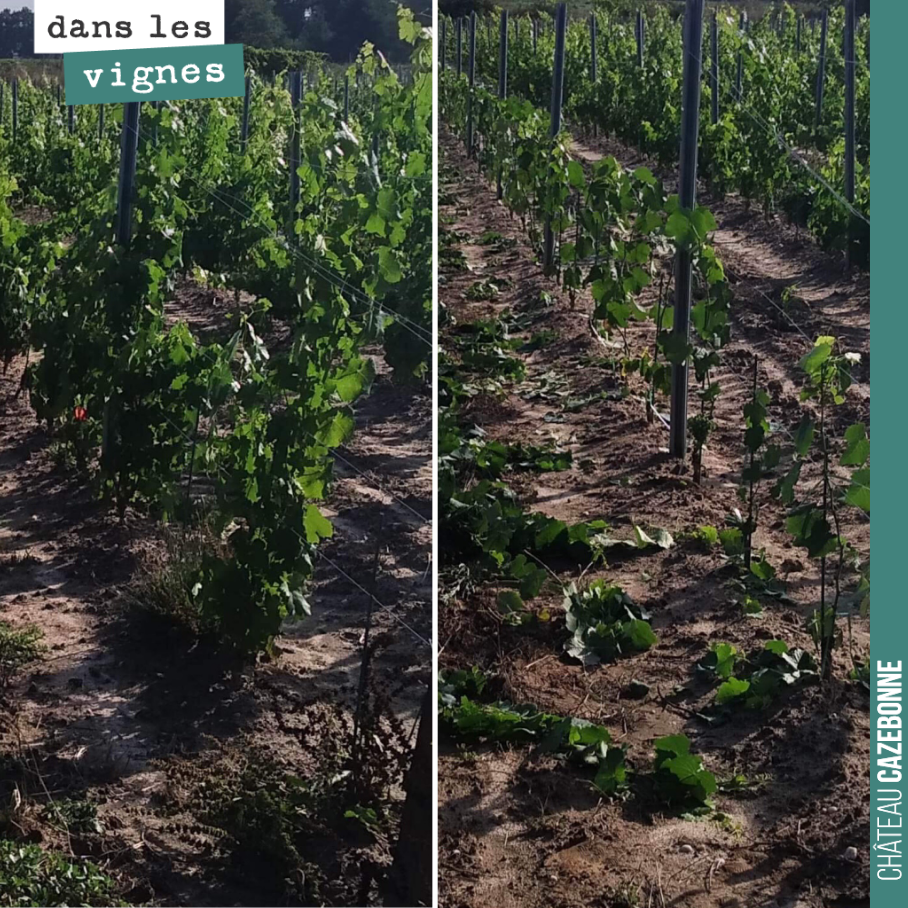
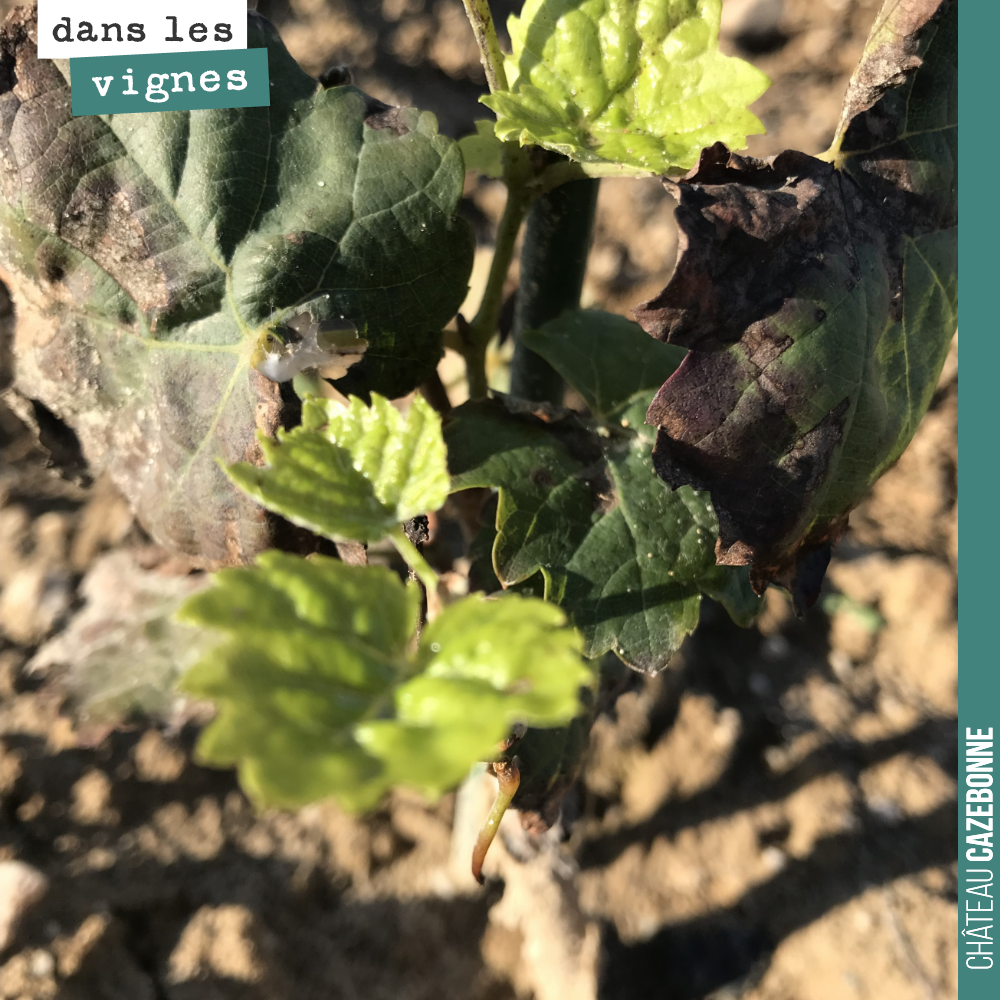
Planting the vines is a fundamental act in viticulture, extending far beyond simply putting a young plant in the ground. It is the starting point of a cycle that will span decades, shaping the future of the vineyard and the quality of the wines to come. Every decision and every action must be carefully considered to ensure the longevity and vitality of the vines. The success of this key stage is the promise of a vigorous vine, capable of facing climatic challenges and revealing the uniqueness of its terroir.
Planting a vine means defining a parcel's identity for several generations. It involves crucial choices regarding grape varieties, planting density, and vine training methods. These parameters are decisive for the typicity of the future wines and their ability to express the soil that nourishes them. The stakes are high: it is about sculpting the viticultural landscape and ensuring the authenticity of the cuvées for decades to come.
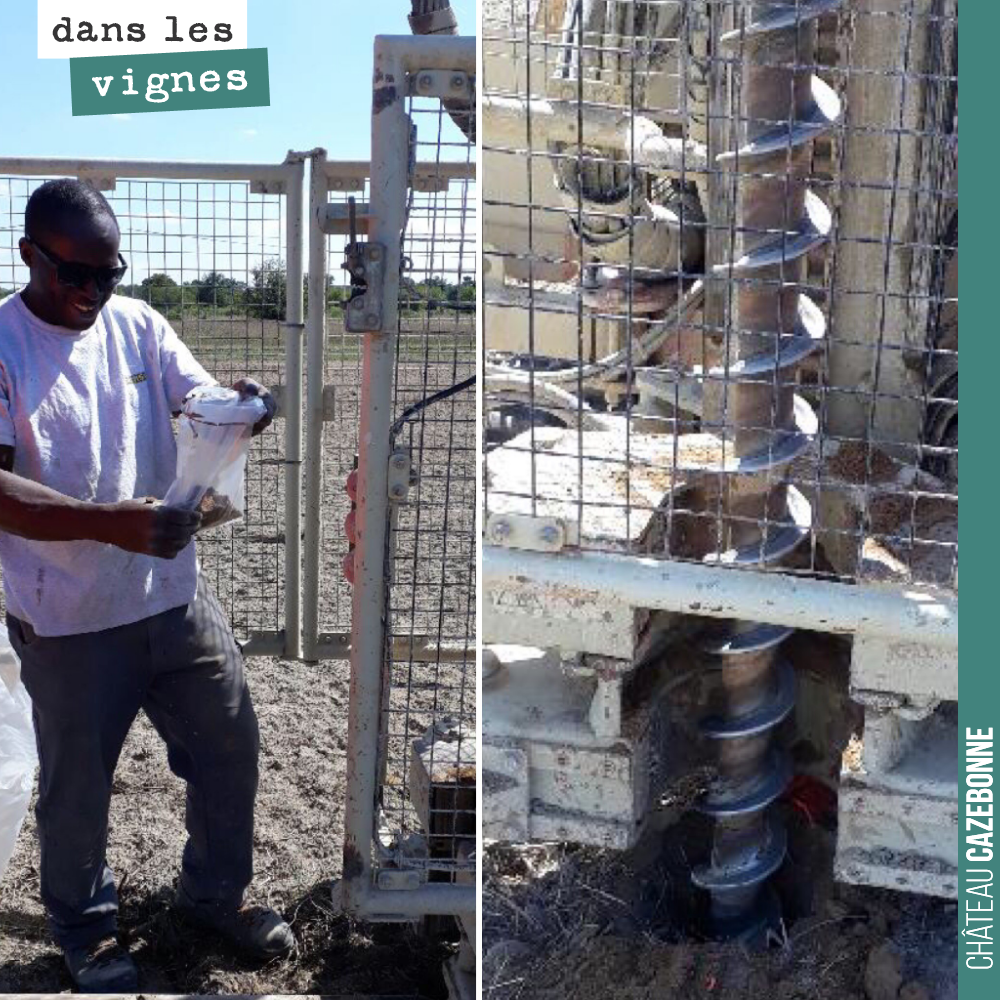
The primary agronomic objective of planting is to encourage the deep rooting of the vine. Deeply developed roots allow the plant to draw up necessary water and nutrients, even during periods of water stress. A shallow root system, known as 'en équerre' (L-shaped), makes the vine vulnerable to drought and various diseases, compromising its longevity and the quality of the grapes. The choice of rootstock, soil preparation, and the planting depth of each plant are essential elements in achieving this ideal rooting. It is an exact science, where the winemaker's experience is invaluable for adapting to the specificities of each parcel.
The ideal time to plant young vines is generally late winter or early spring. At this time, the soil begins to warm up while retaining enough moisture, which is conducive to the successful establishment of the plants. In the Bordeaux region, the months of March and April are often preferred. This period avoids the risk of winter frost, which could damage young shoots, as well as summer water stress, which could compromise the initial development of the vine.
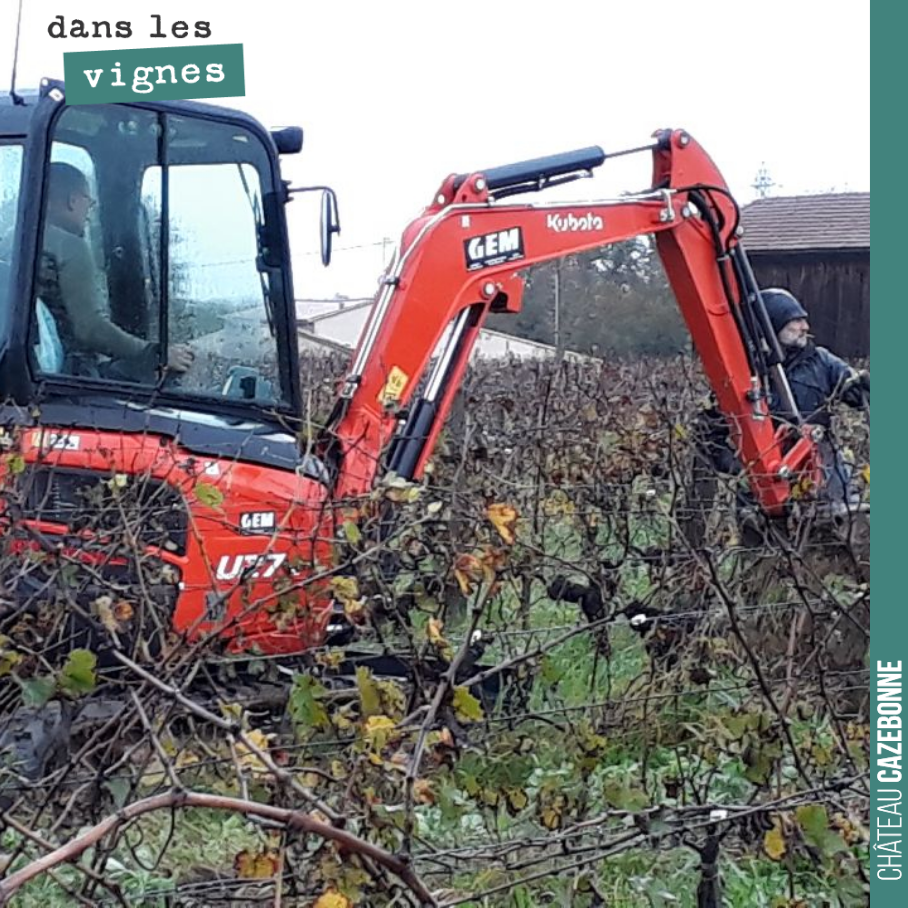
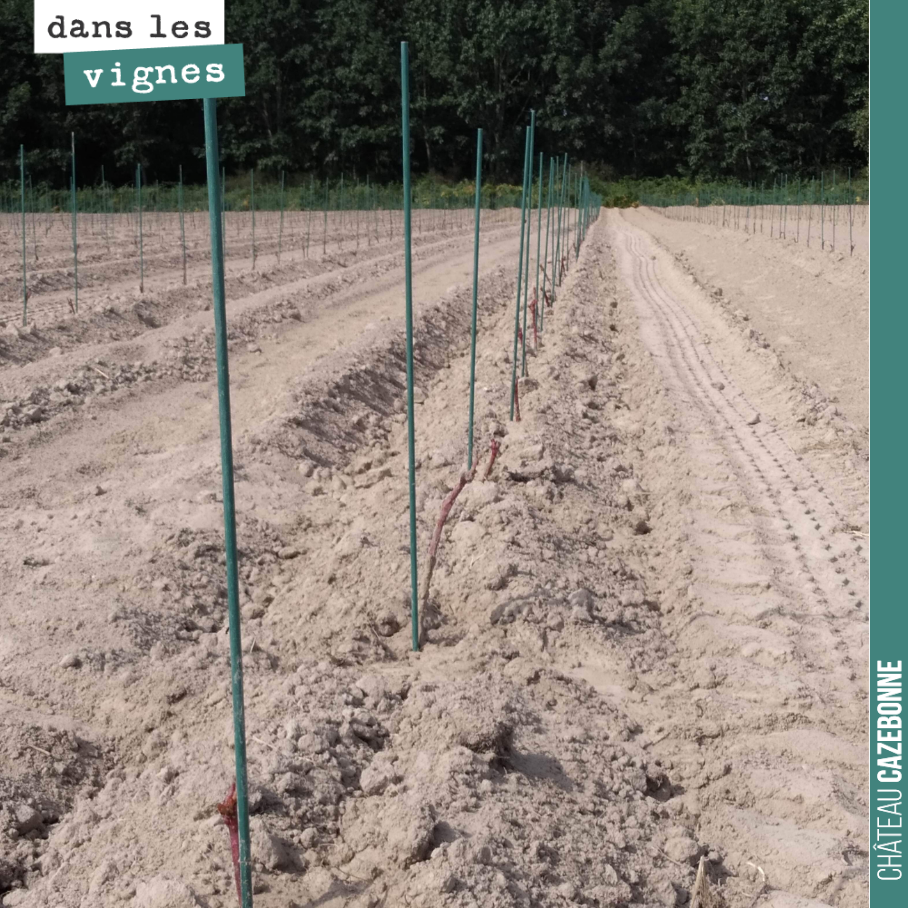
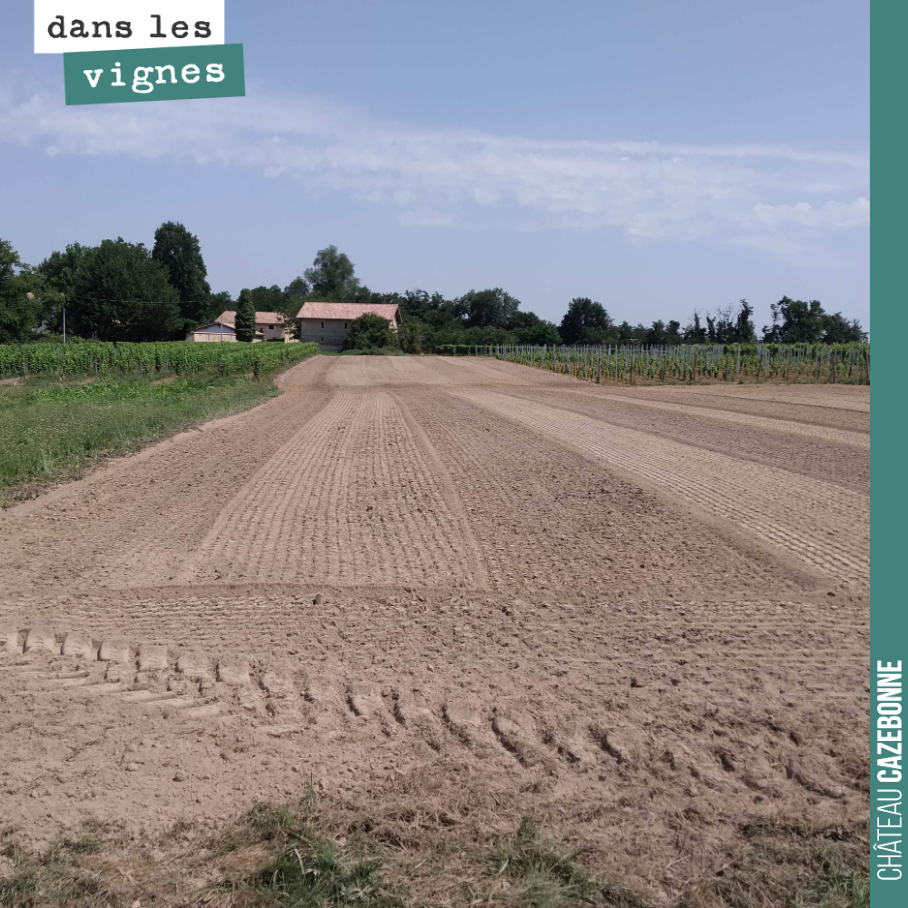
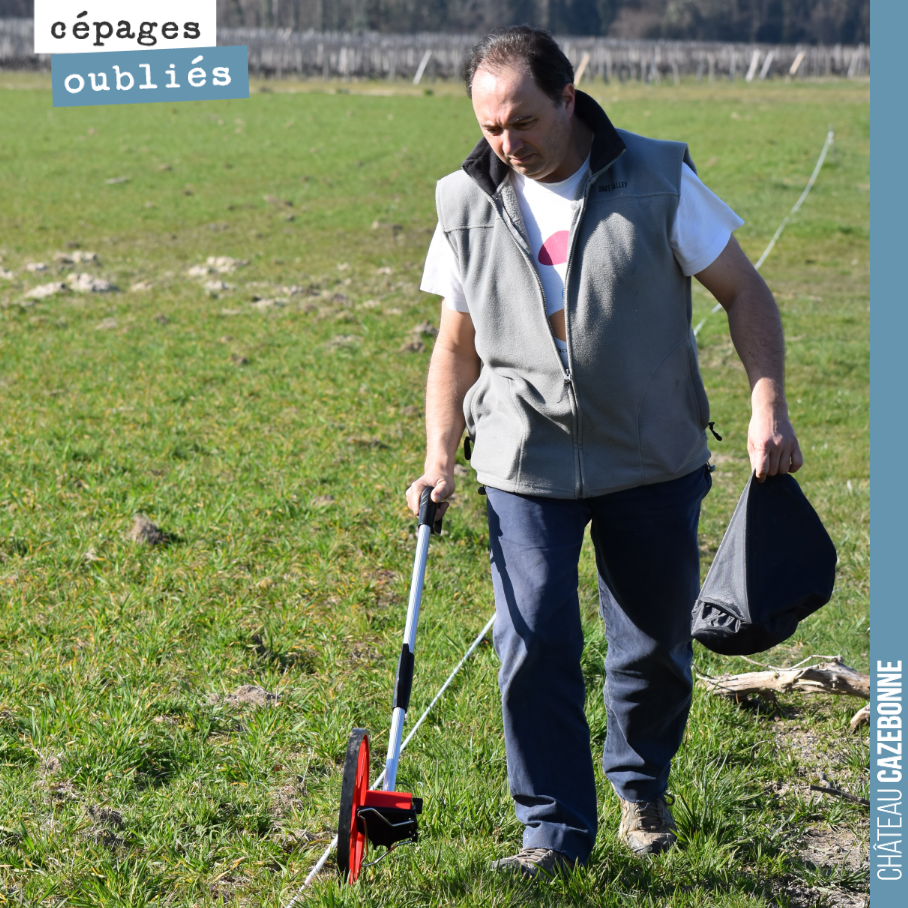
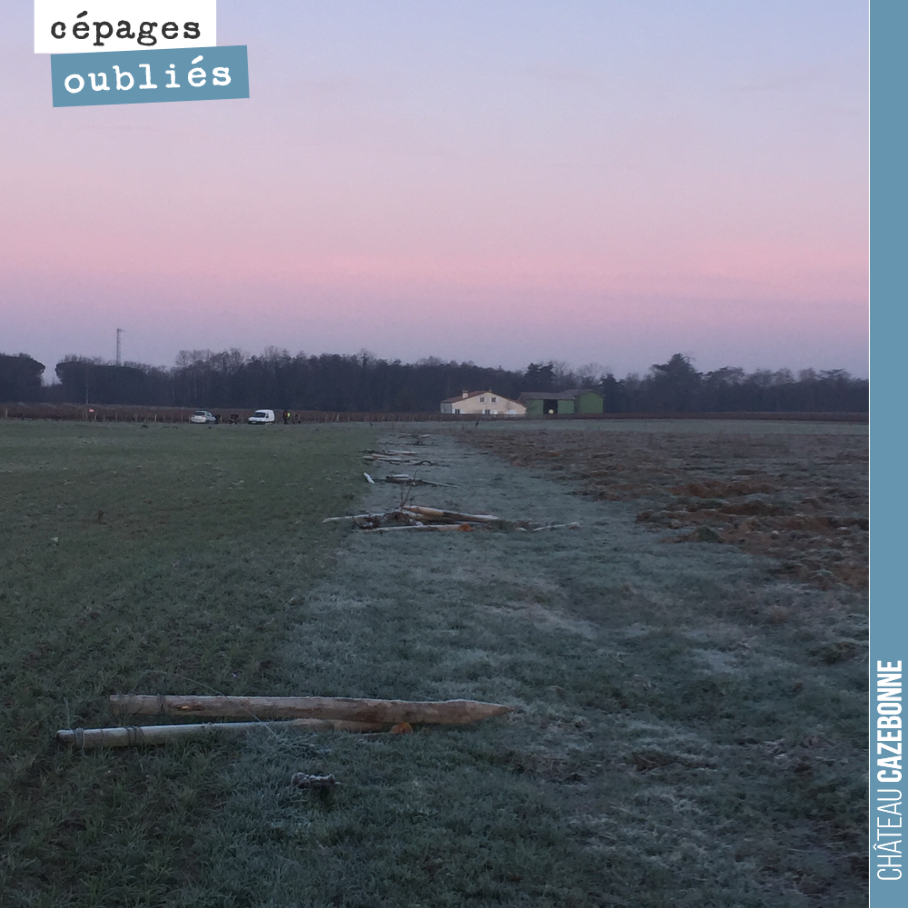
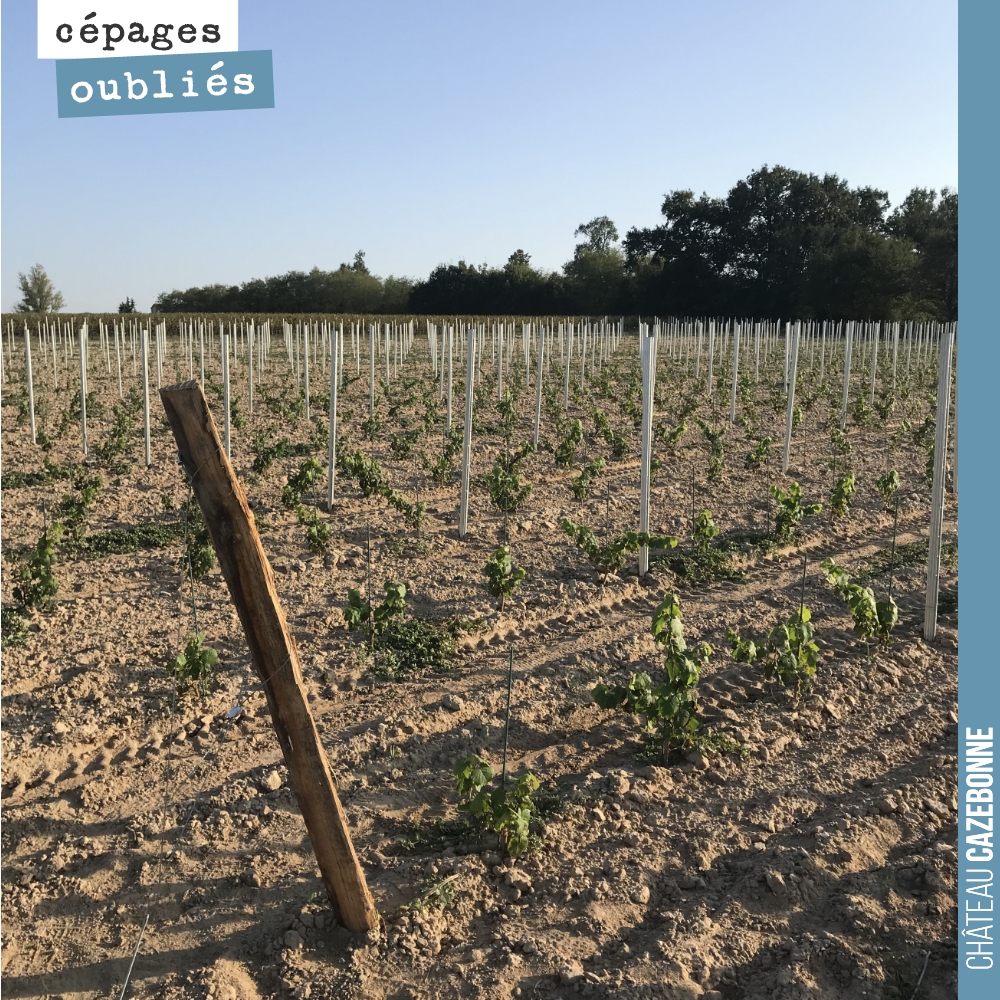
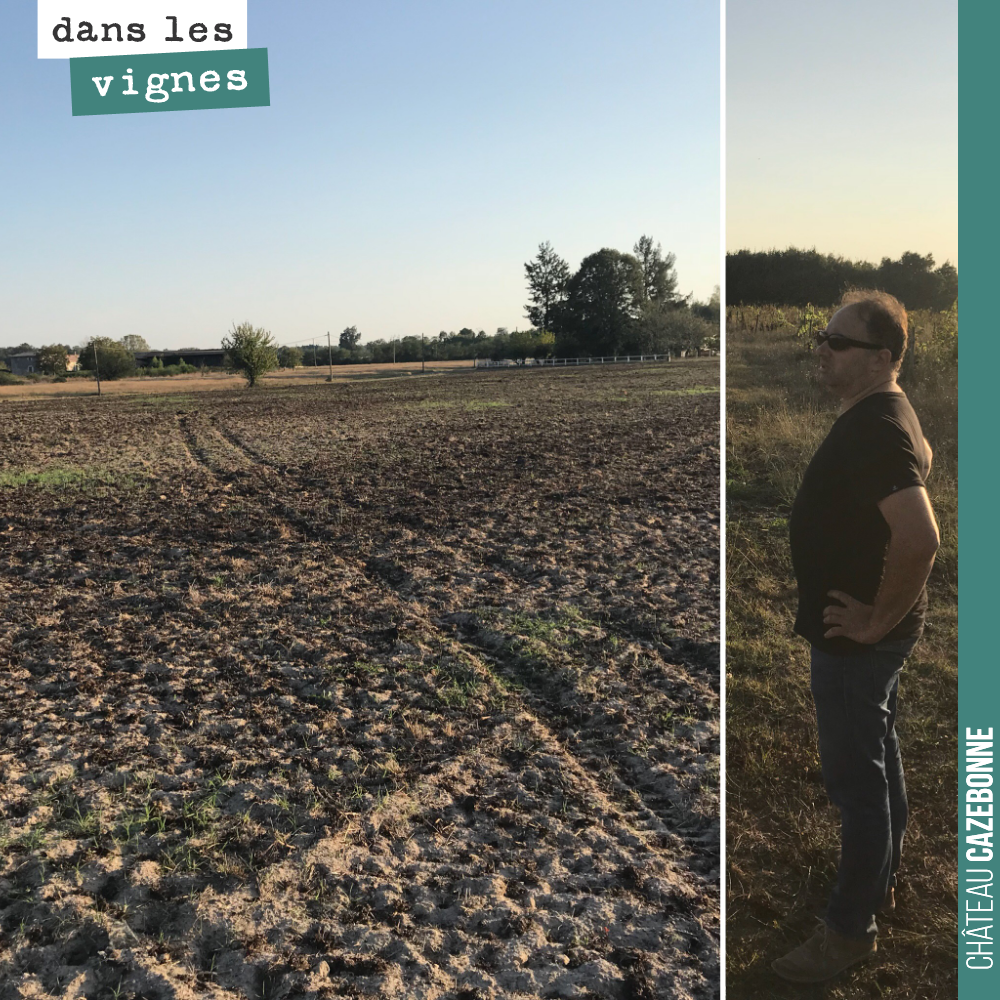
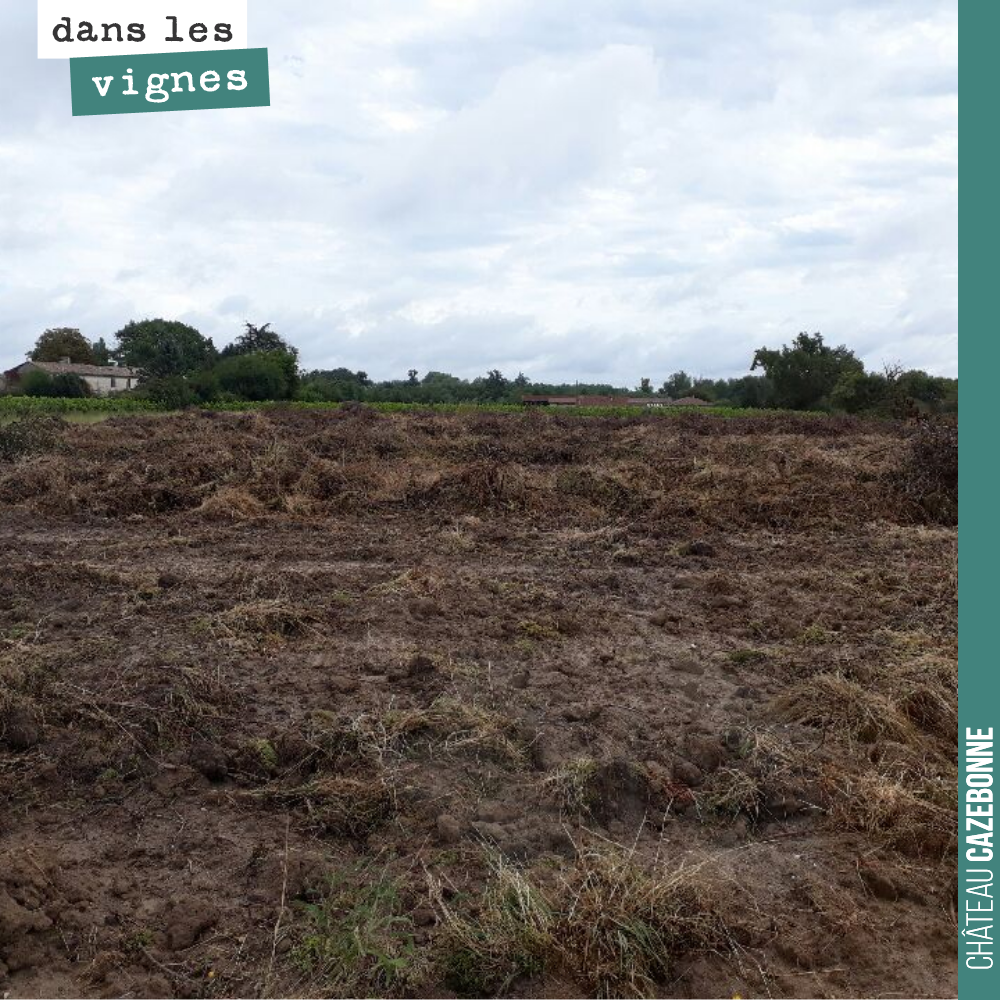
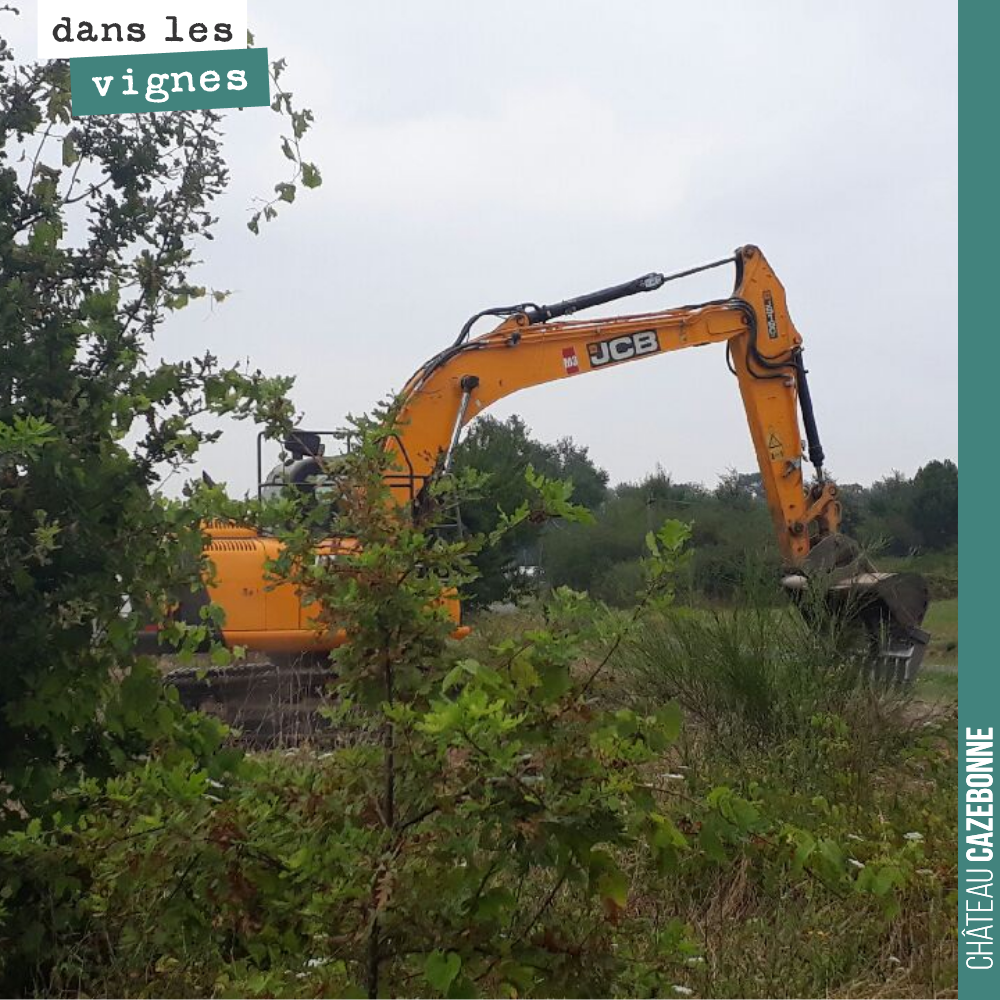
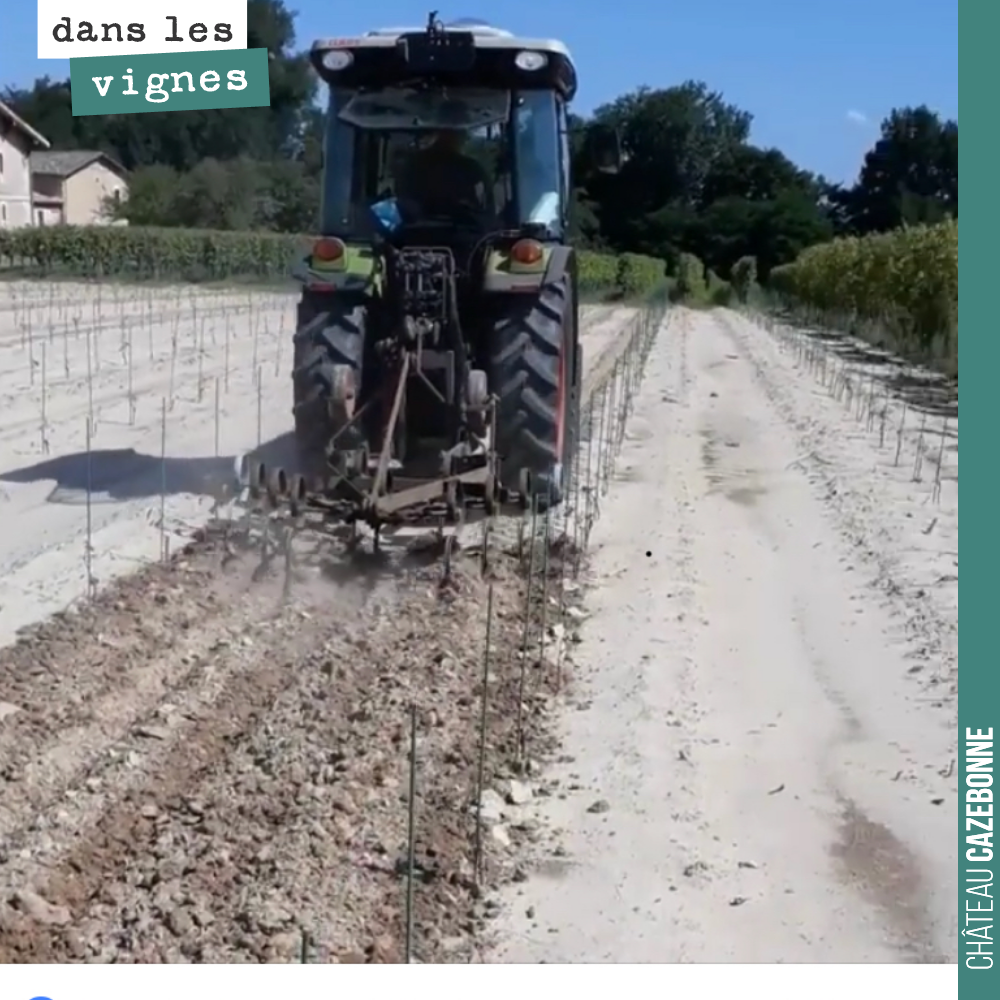
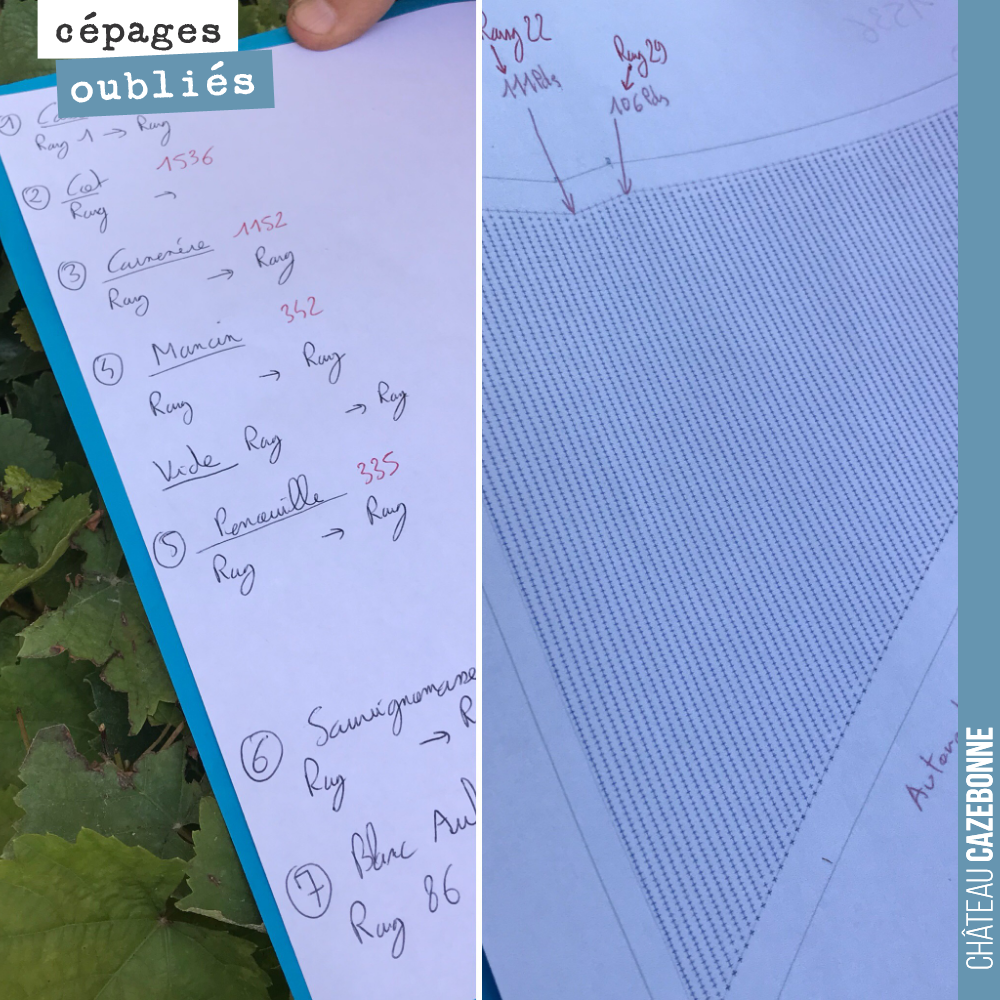
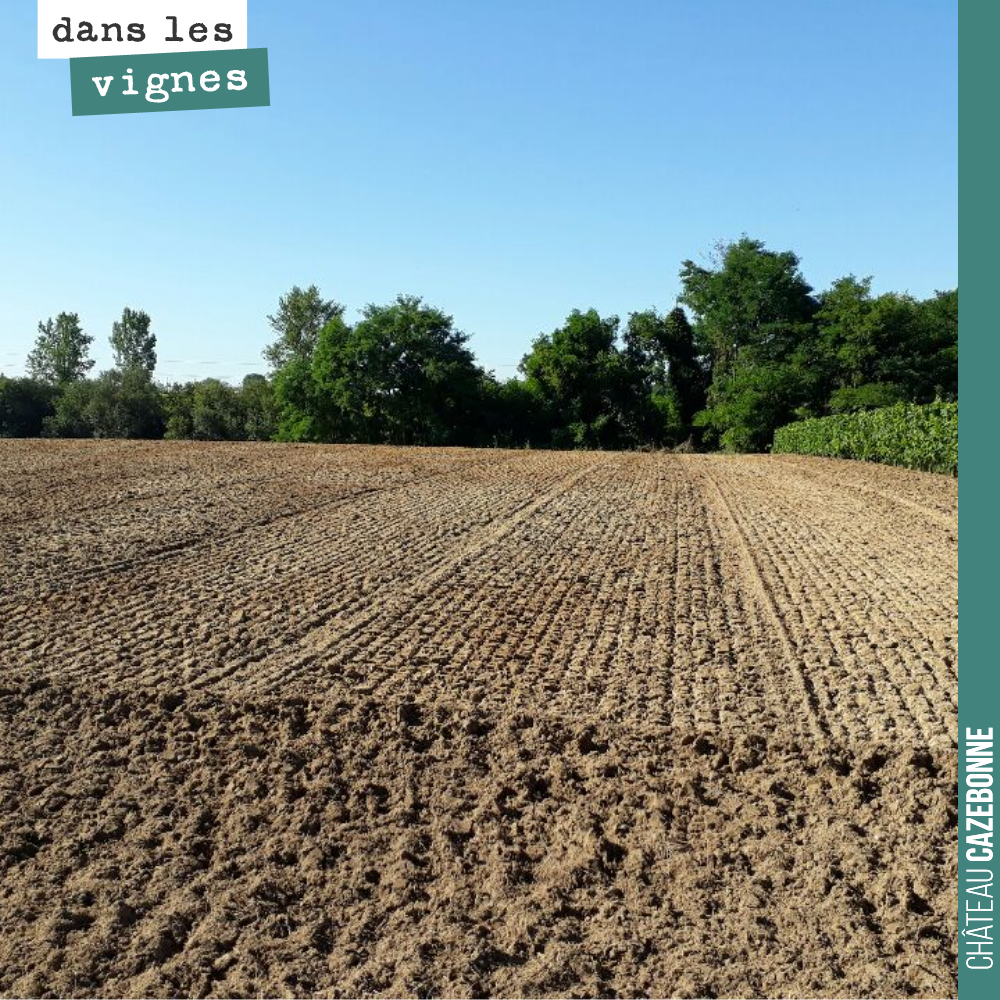
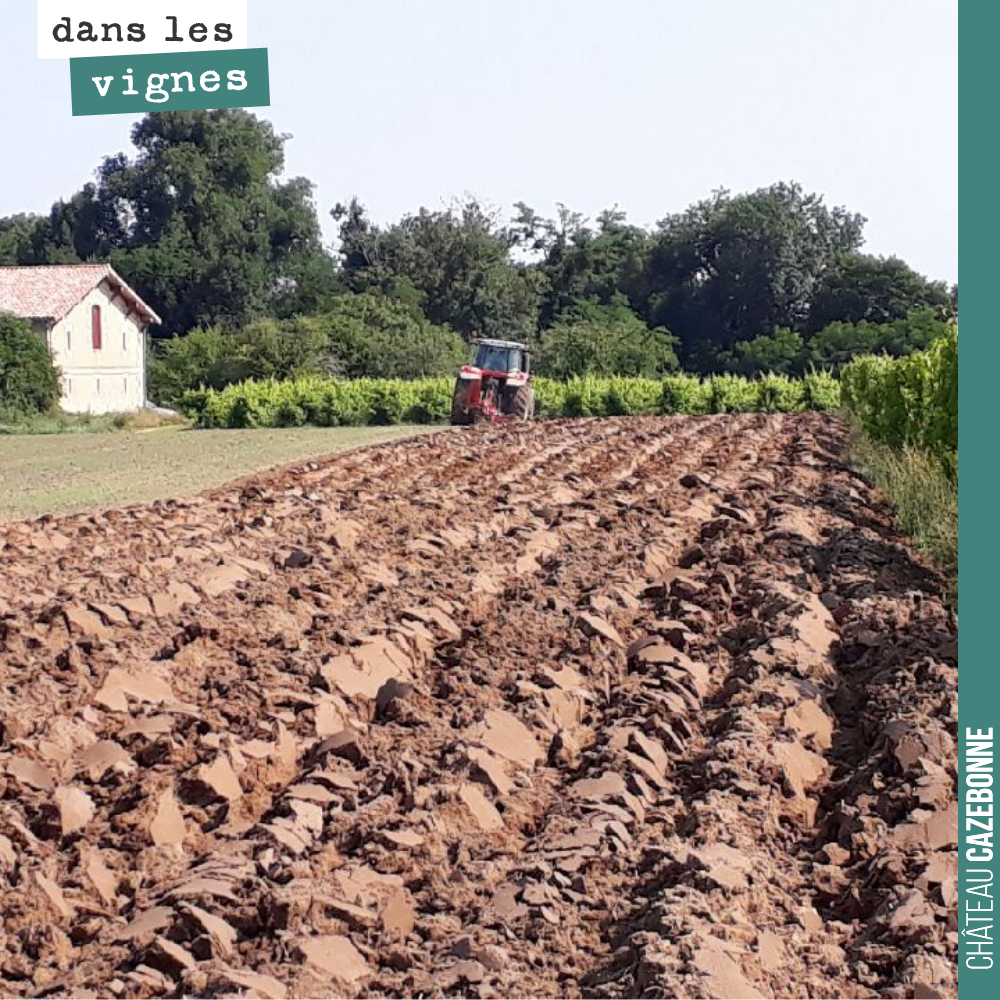
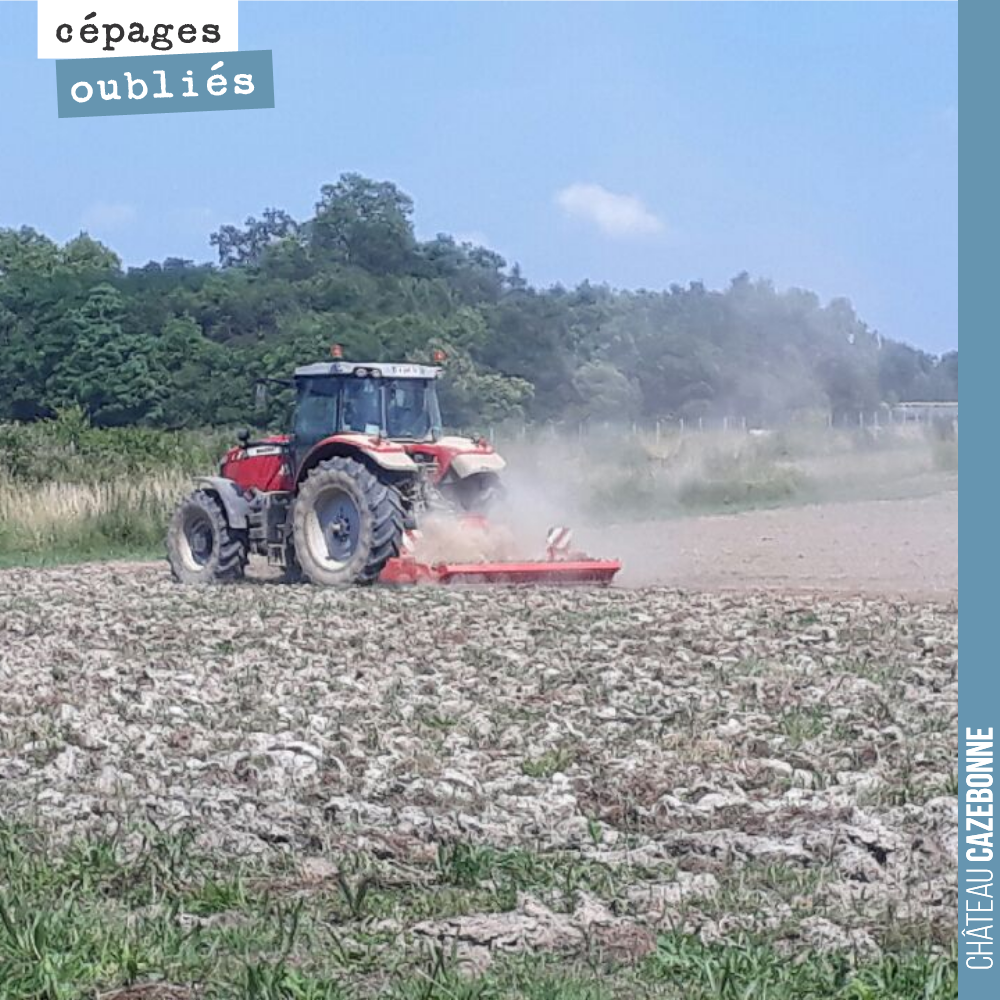
Before any planting takes place, rigorous preparation of the land is essential. This includes breaking up the soil, adding amendments to optimise its composition if necessary, and precisely marking out the future rows and the location of each plant. This phase is crucial for proper root development and for facilitating all subsequent work in the vineyard.
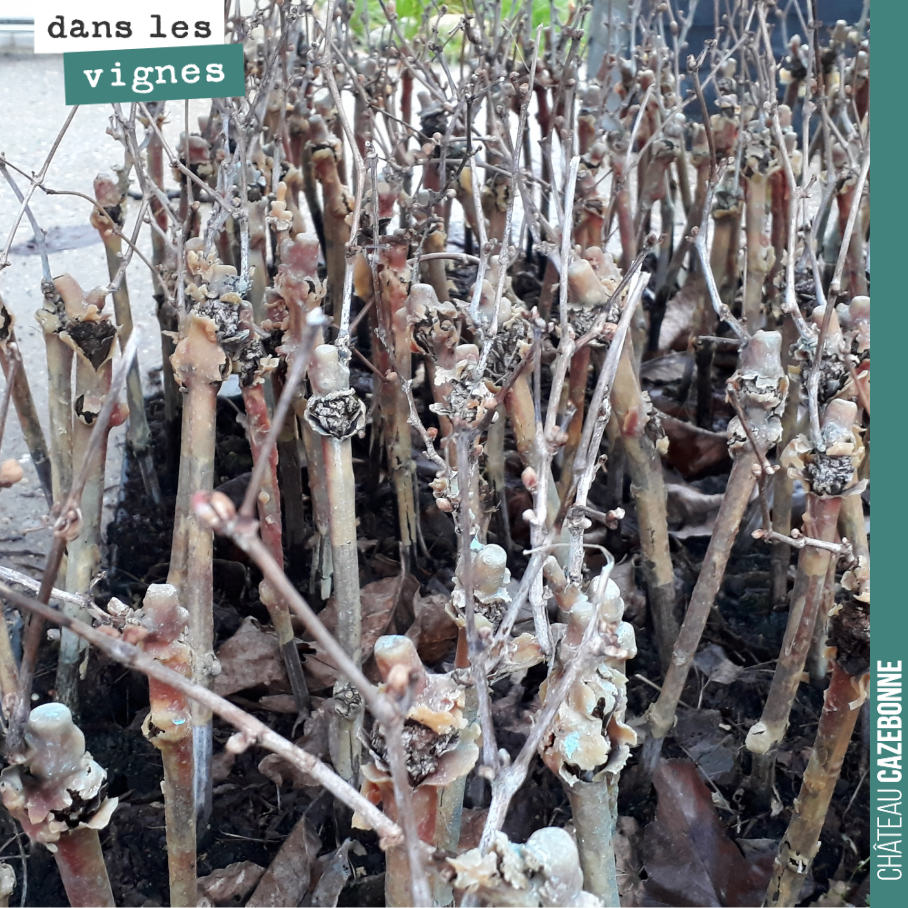
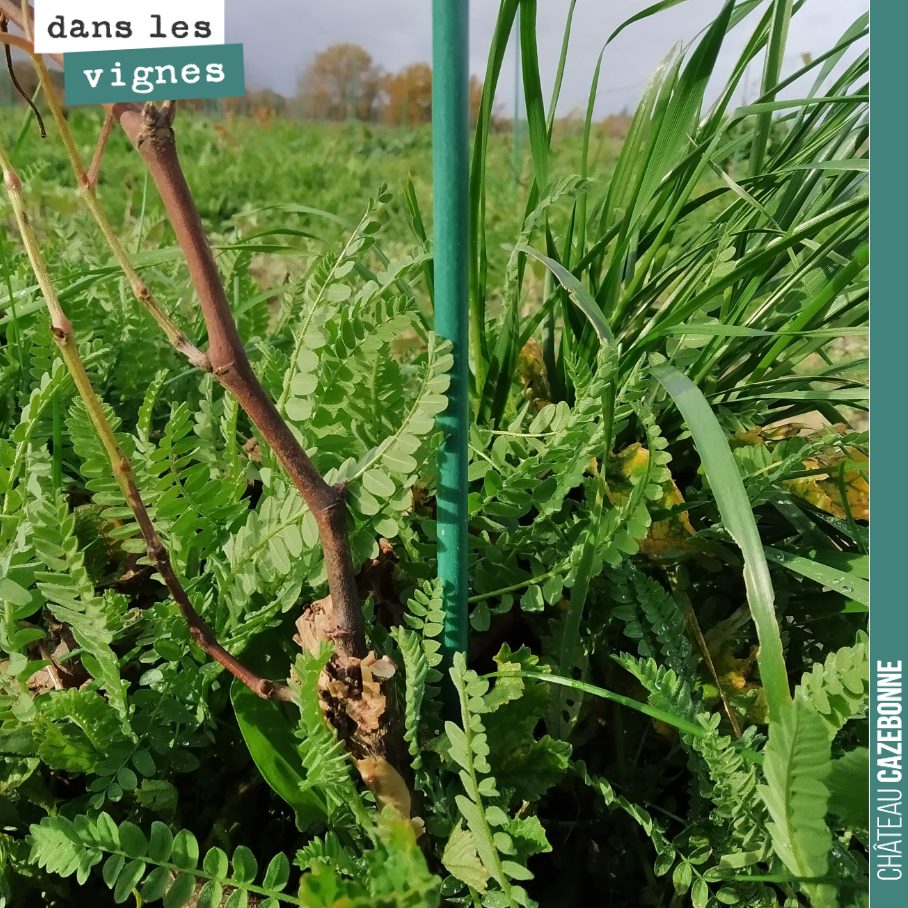
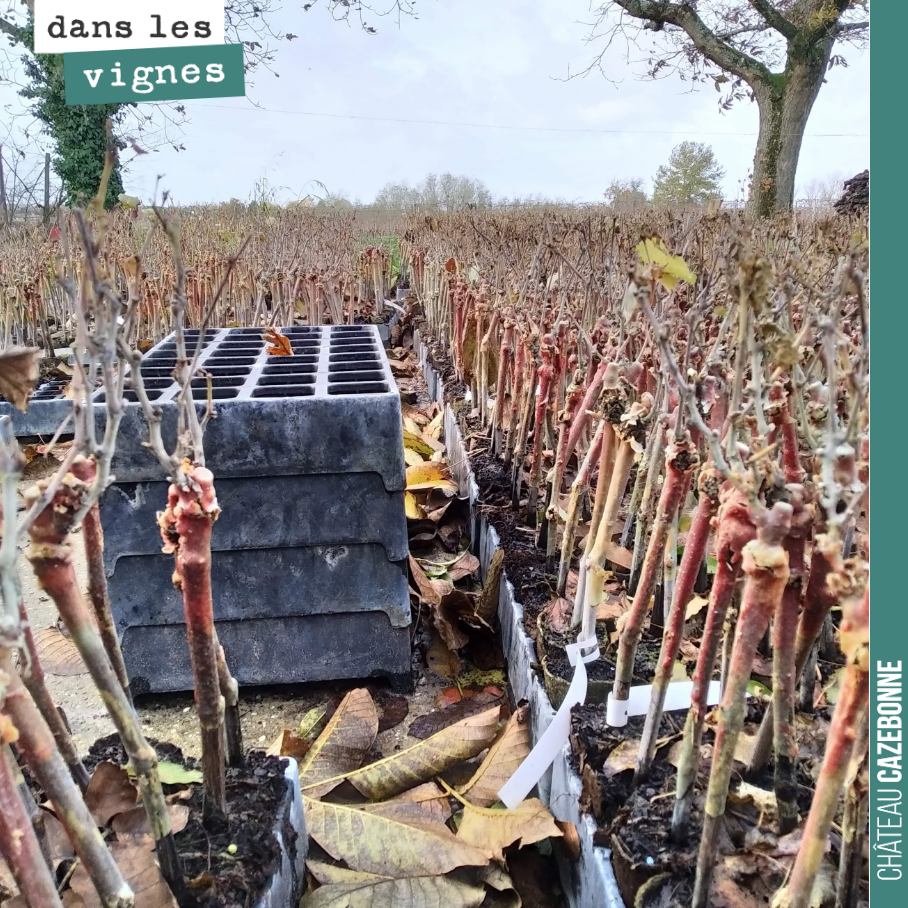
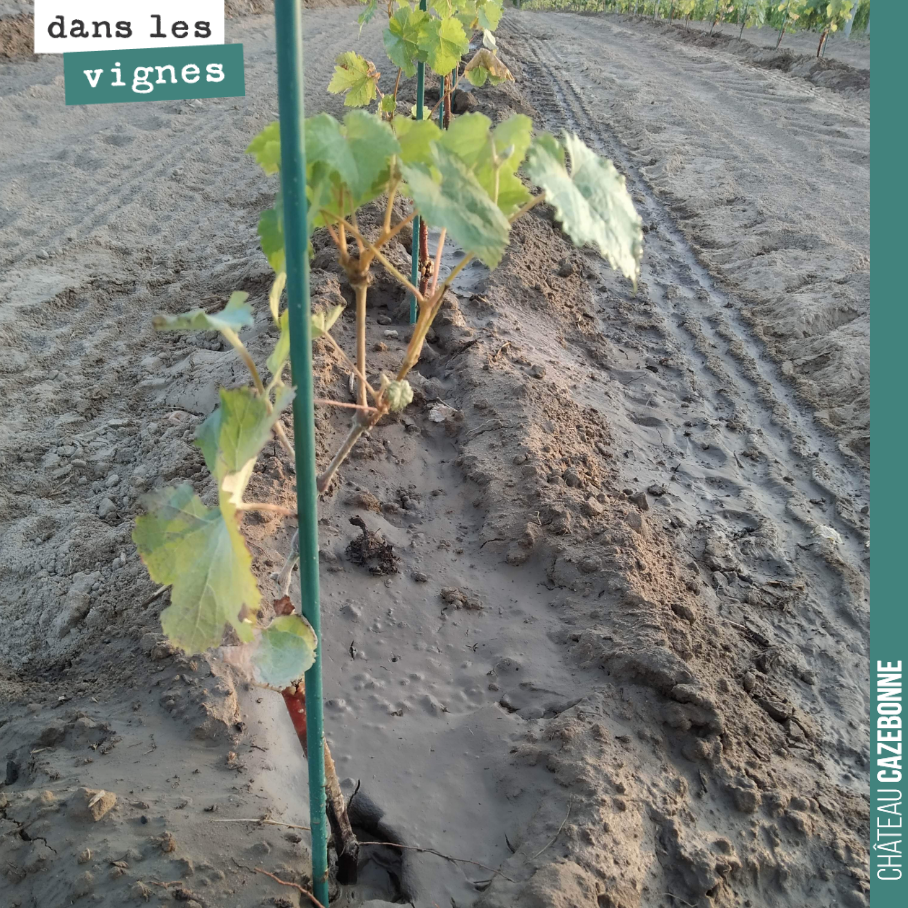
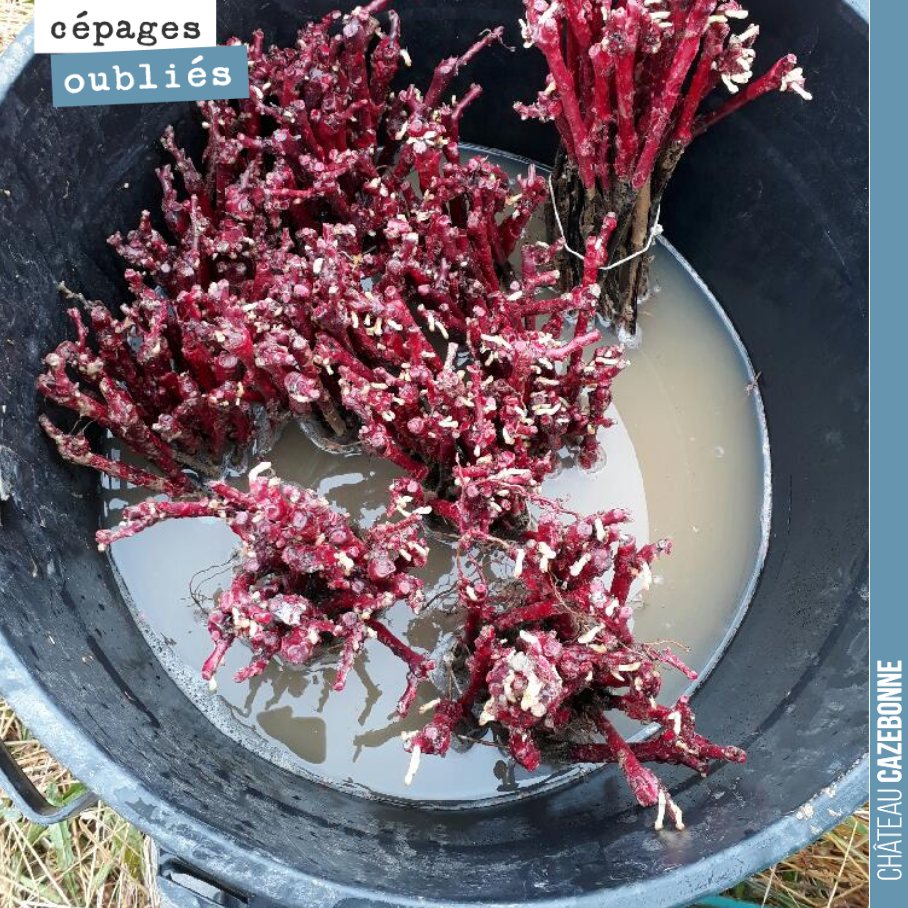
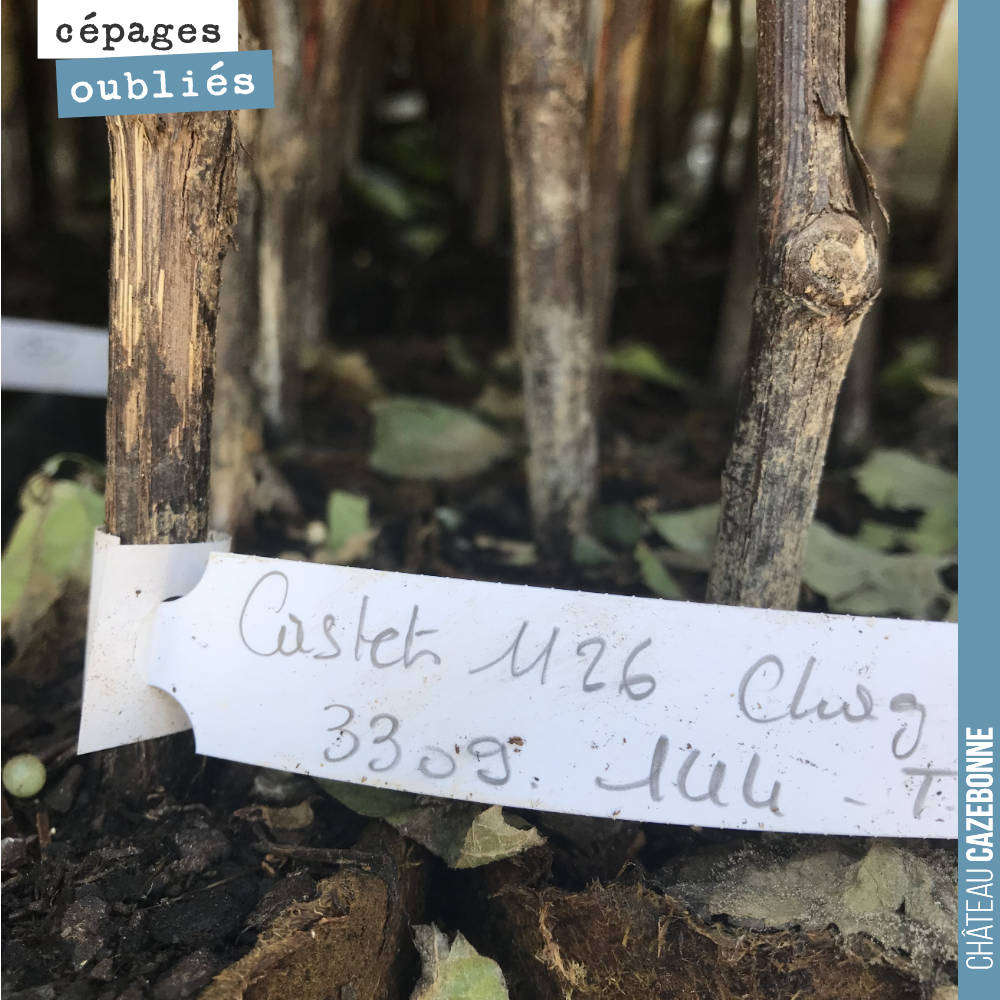
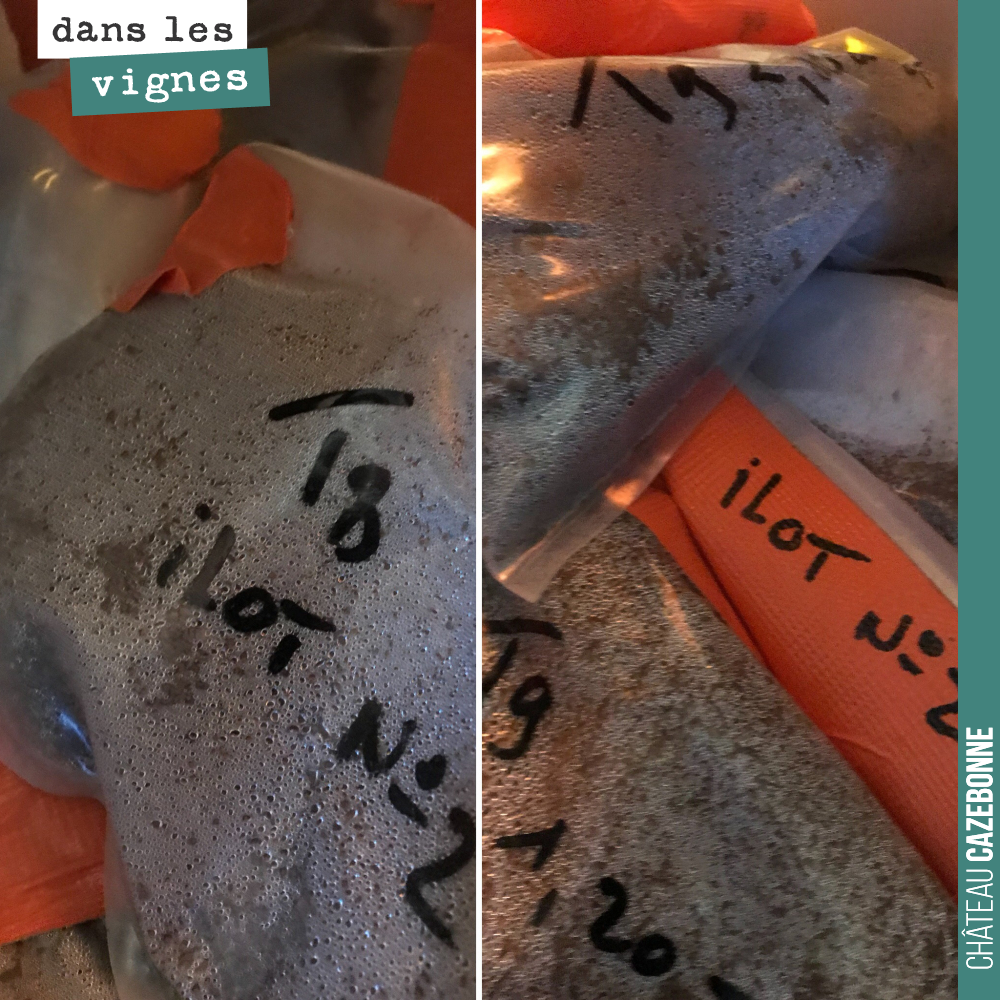
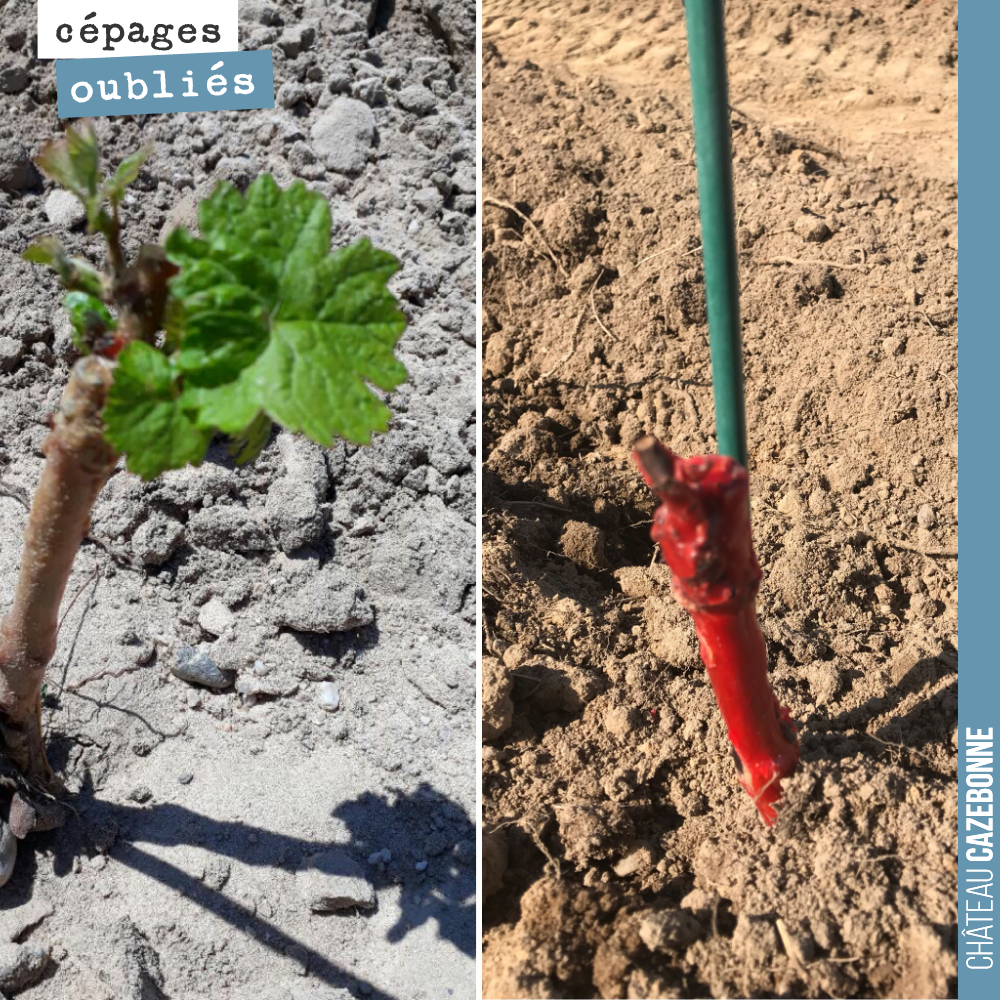
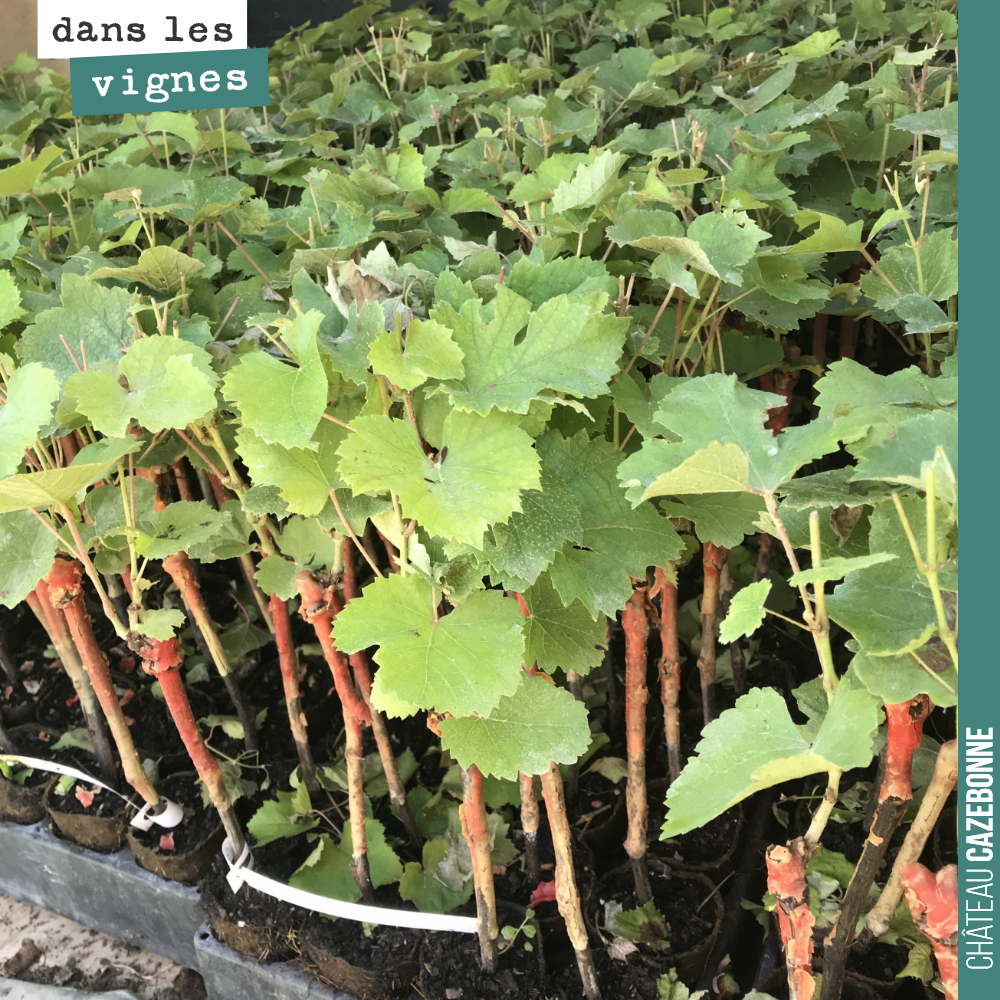
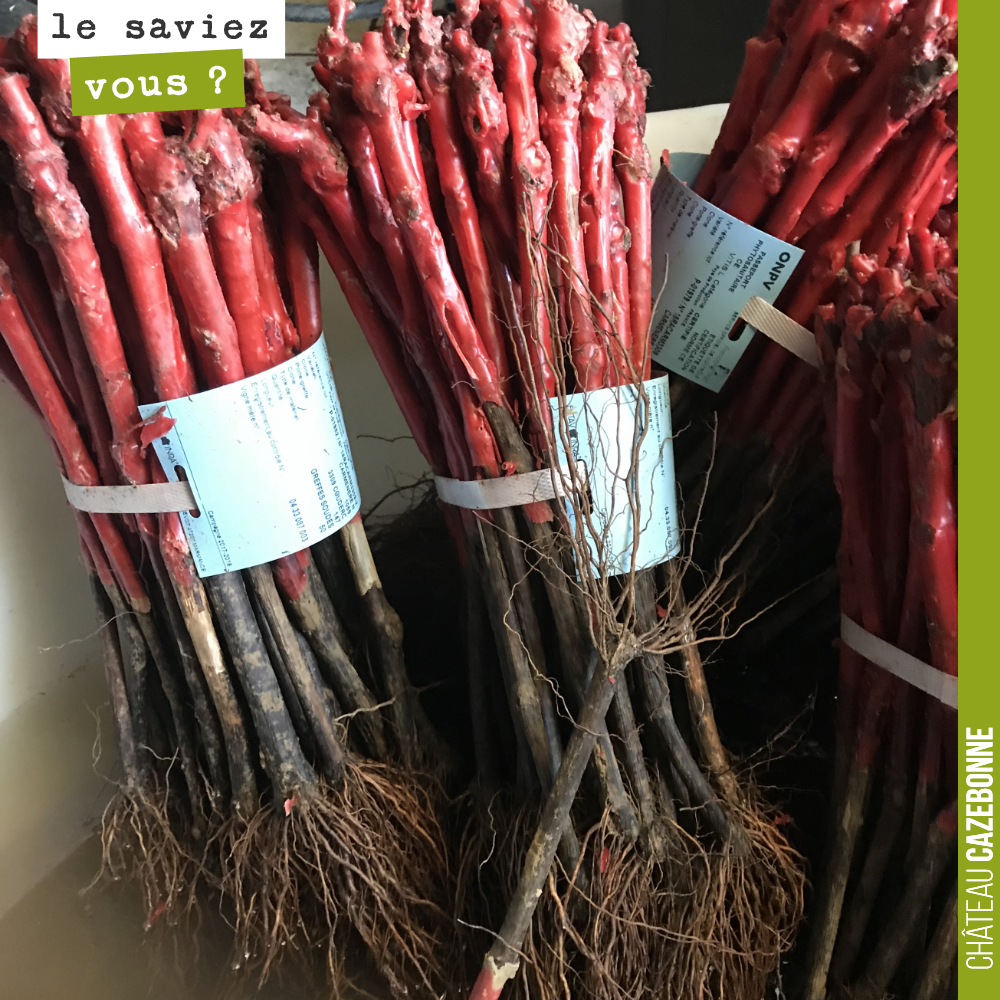
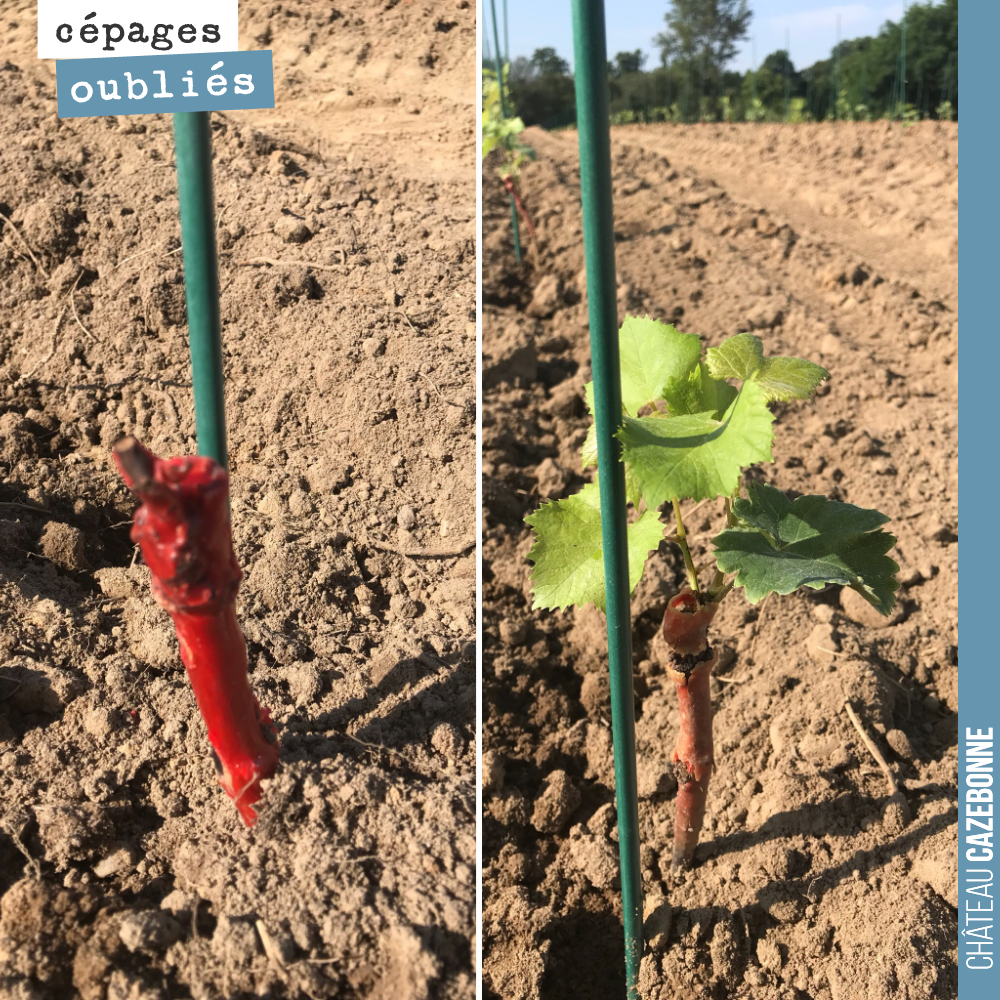
Just before being planted, young vine plants – often already grafted in the nursery – undergo pralinage. This technique involves dipping their roots into a clay-based preparation enriched with soil from the parcel, forming a protective coating. Pralinage protects the rootlets from drying out and promotes optimal contact between the roots and the soil upon planting, thereby improving the chances of successful establishment.
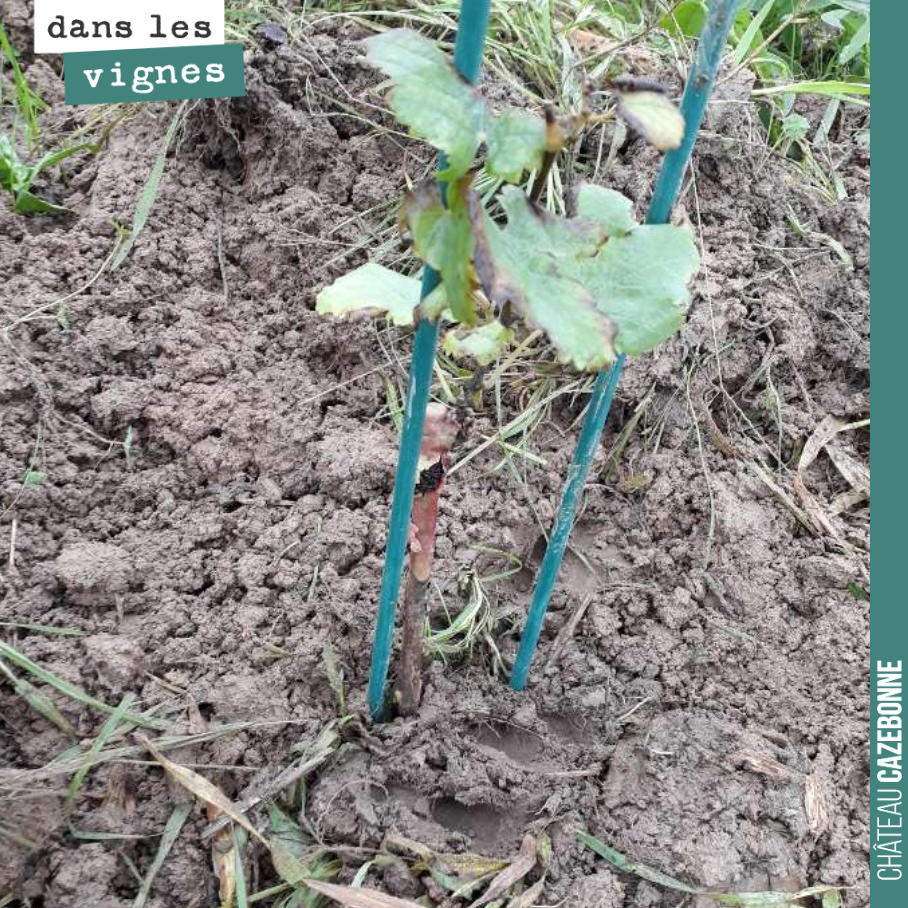
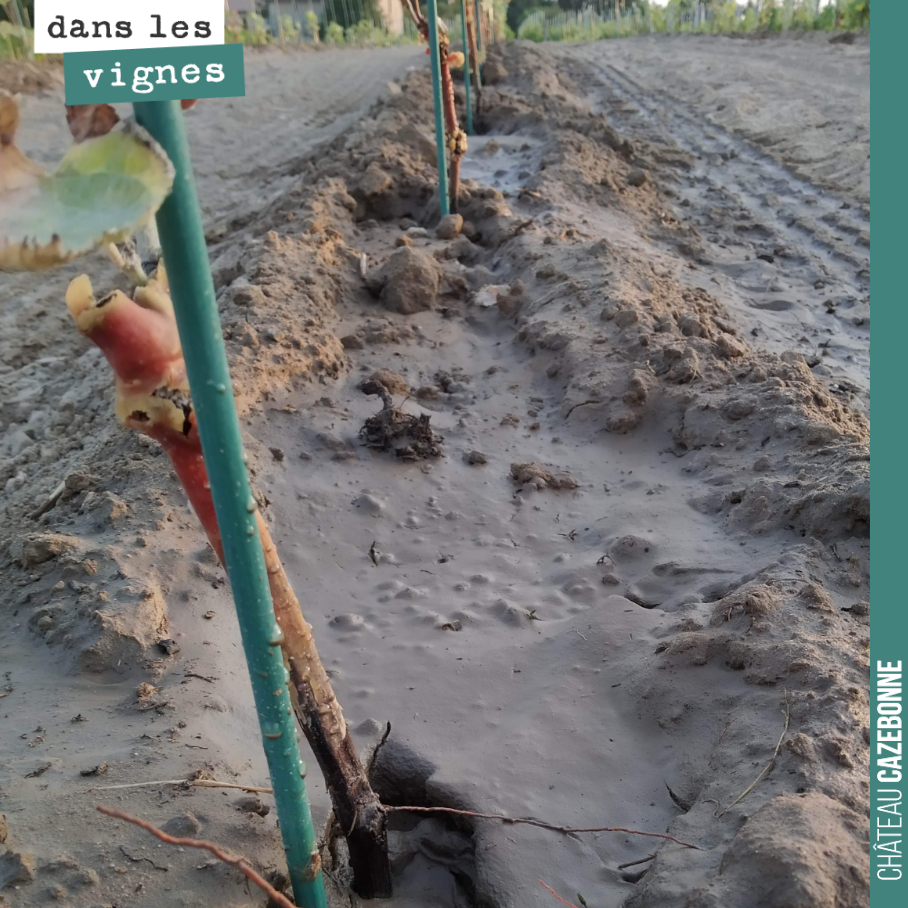
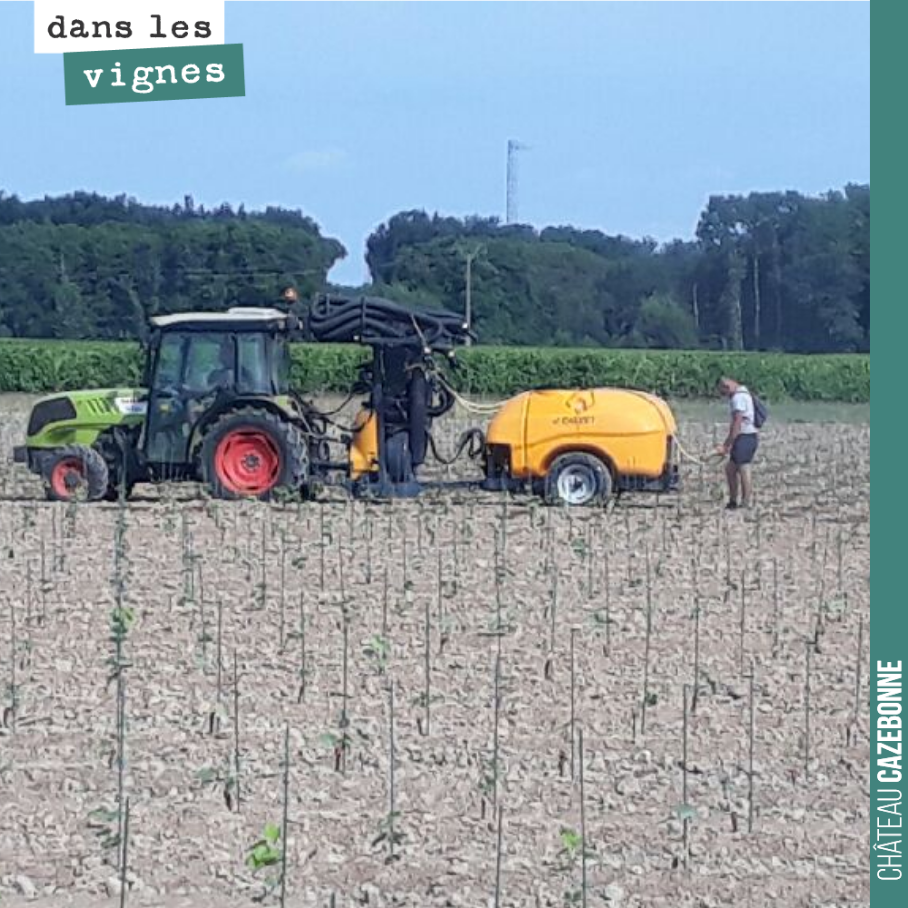
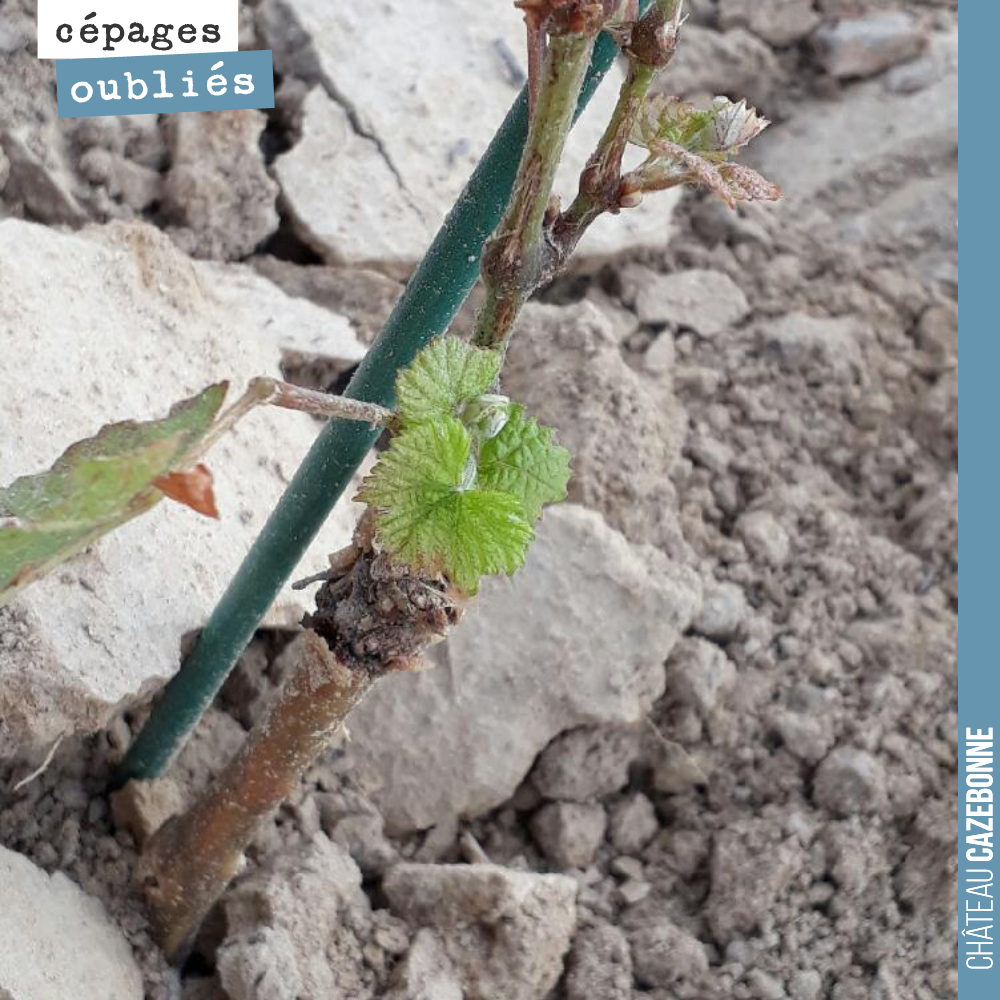
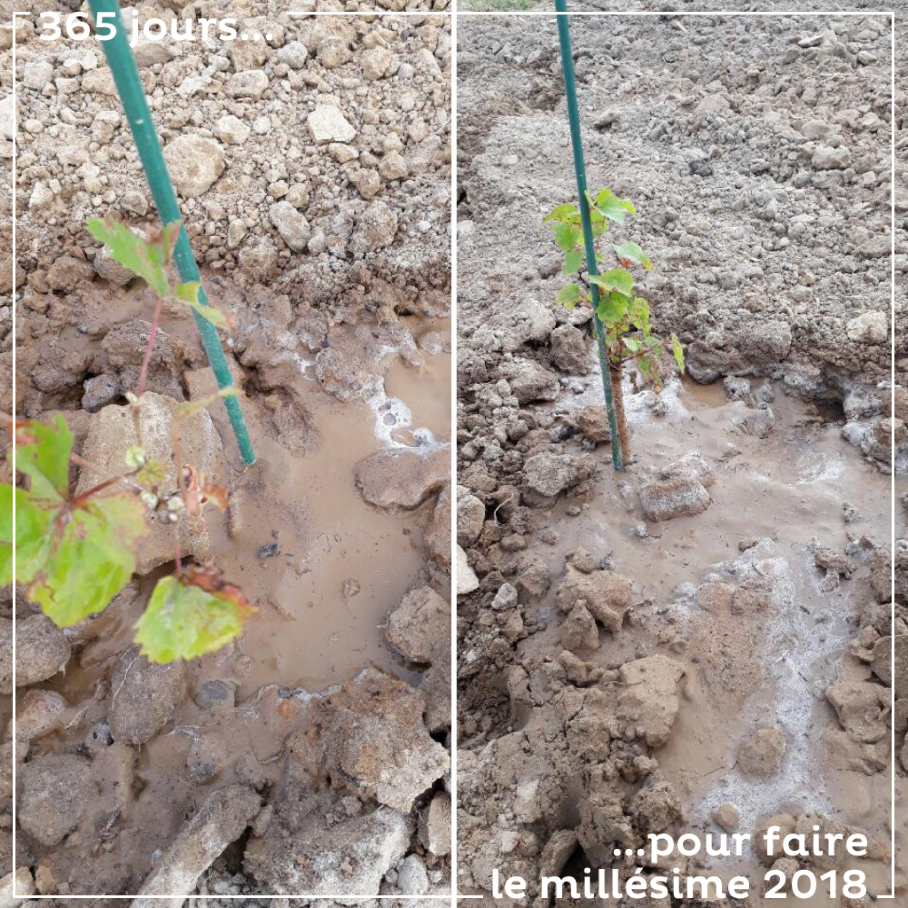
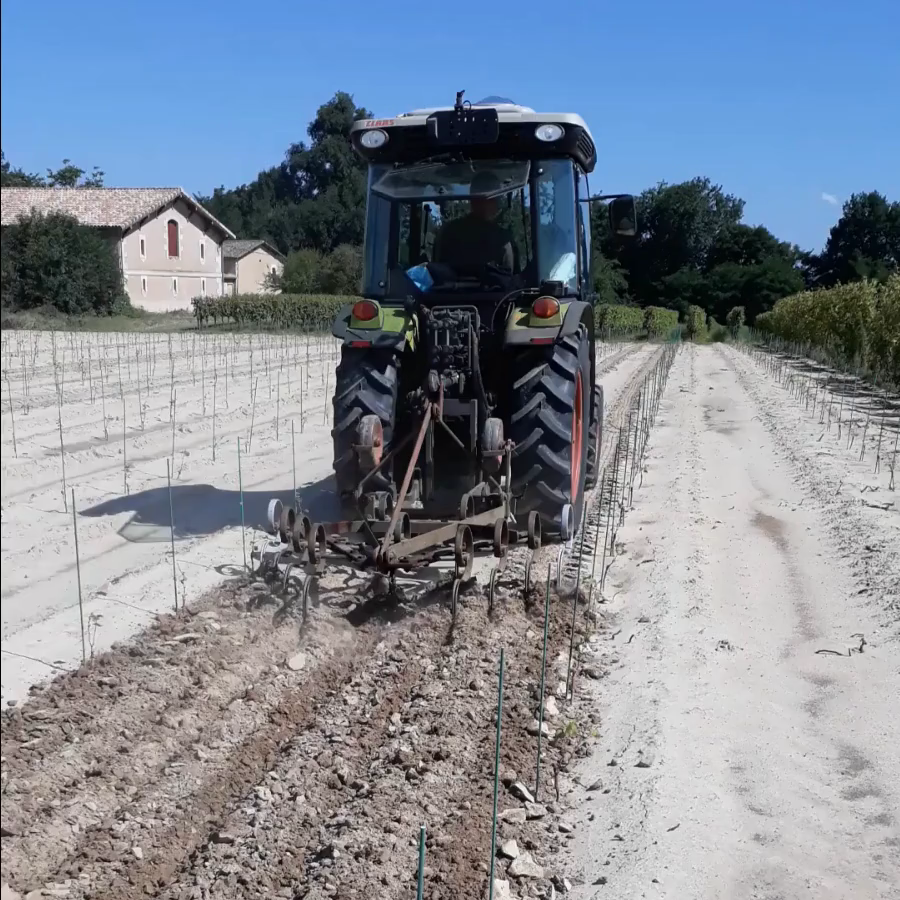
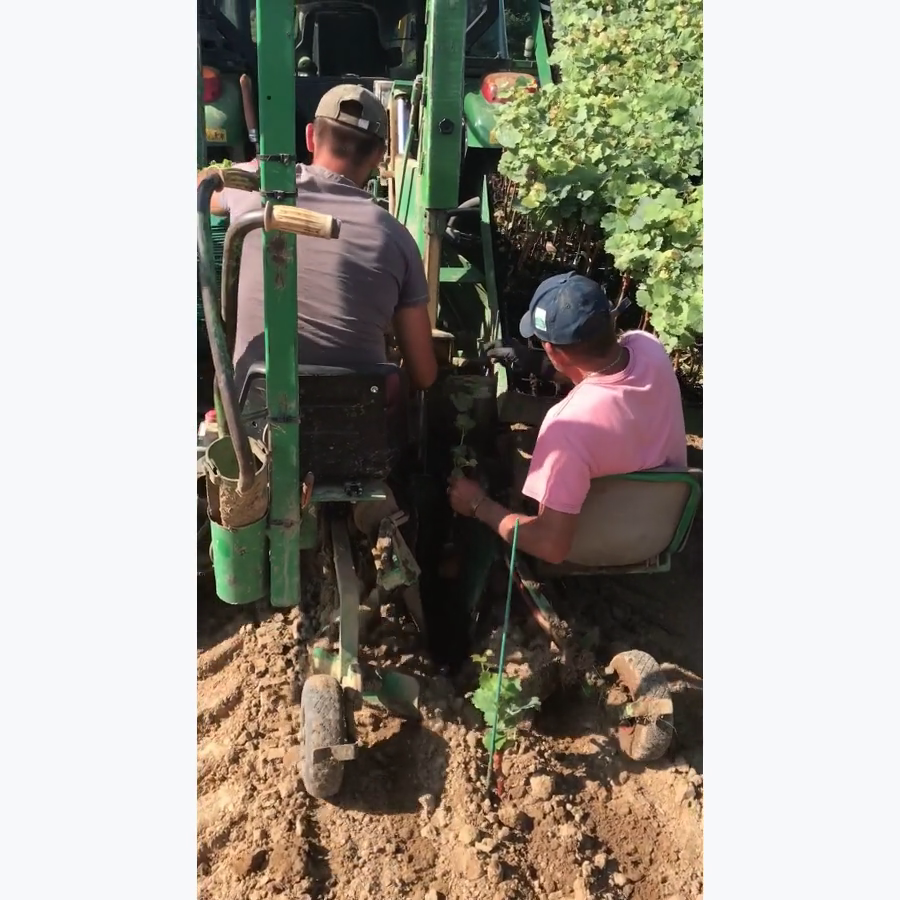
Each plant is then inserted into the soil at the appropriate depth, ensuring that the graft union remains well above ground level. Particular care is taken to firm the soil around the roots to eliminate any air pockets. The choice of rootstock is fundamental; it ensures the vine's adaptation to the soil and climate, whilst being crucial for its resistance to diseases such as phylloxera.
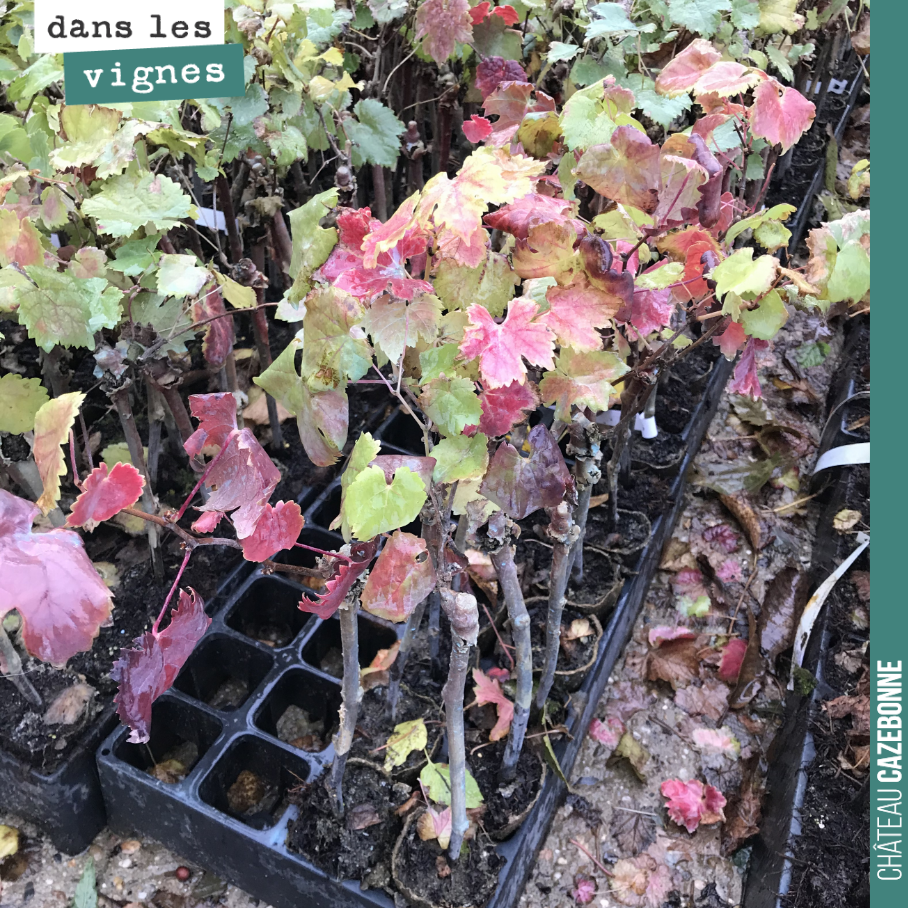
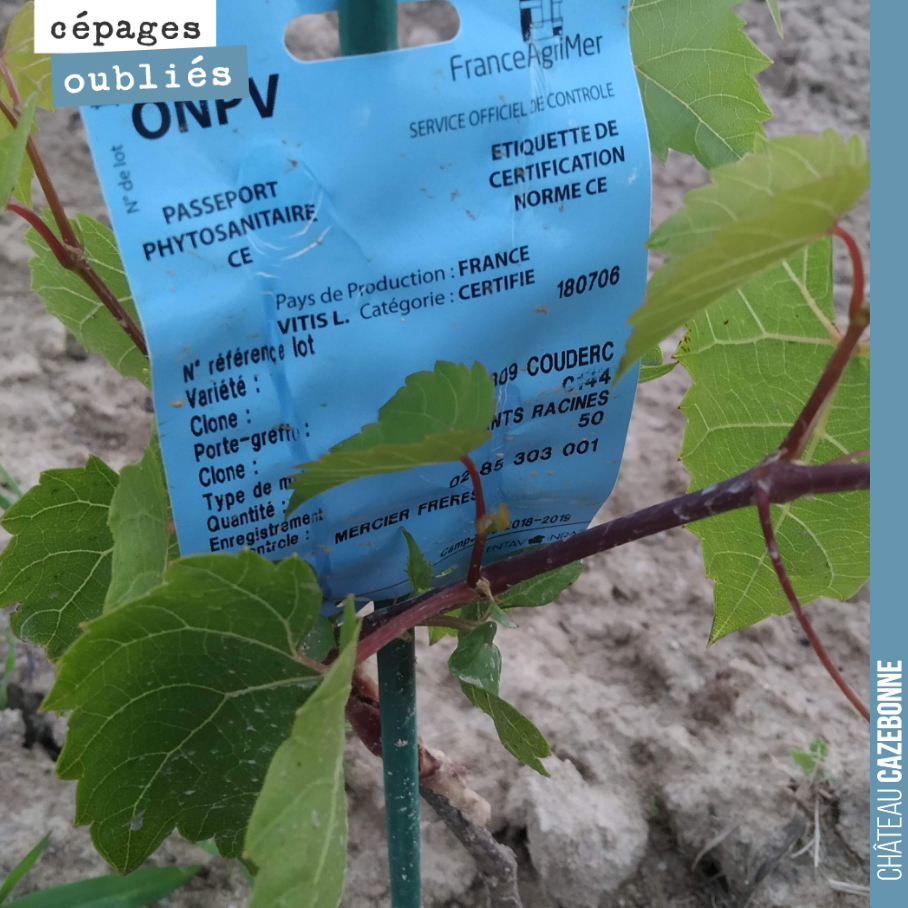
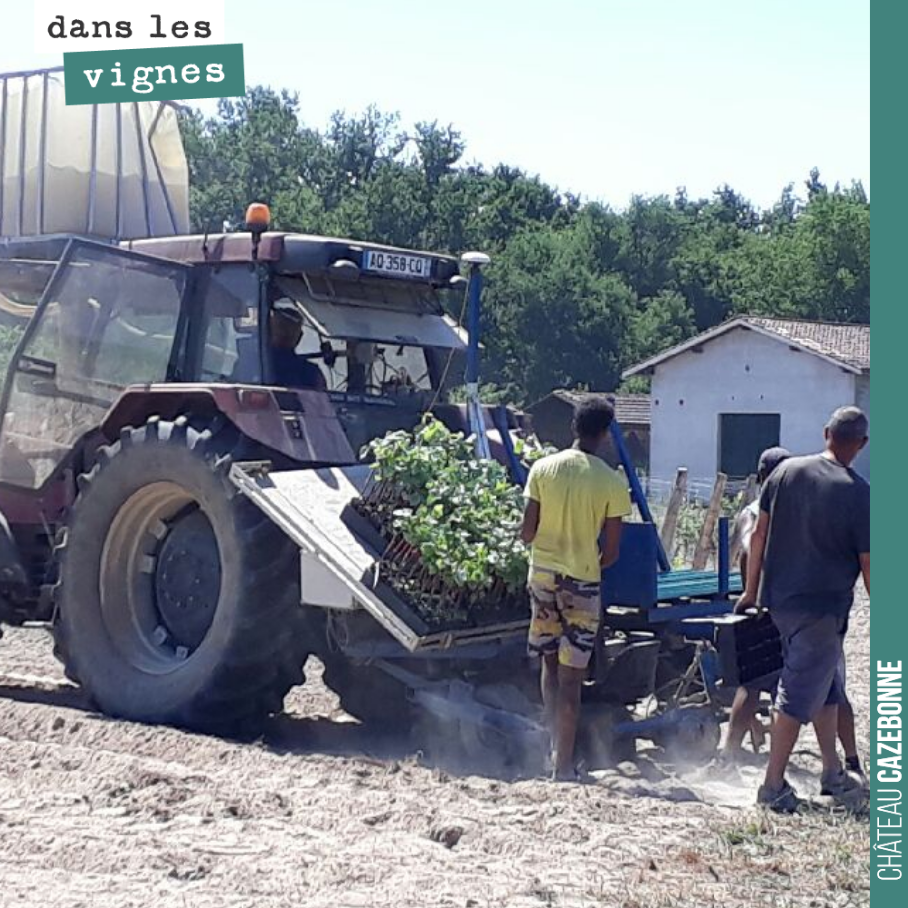
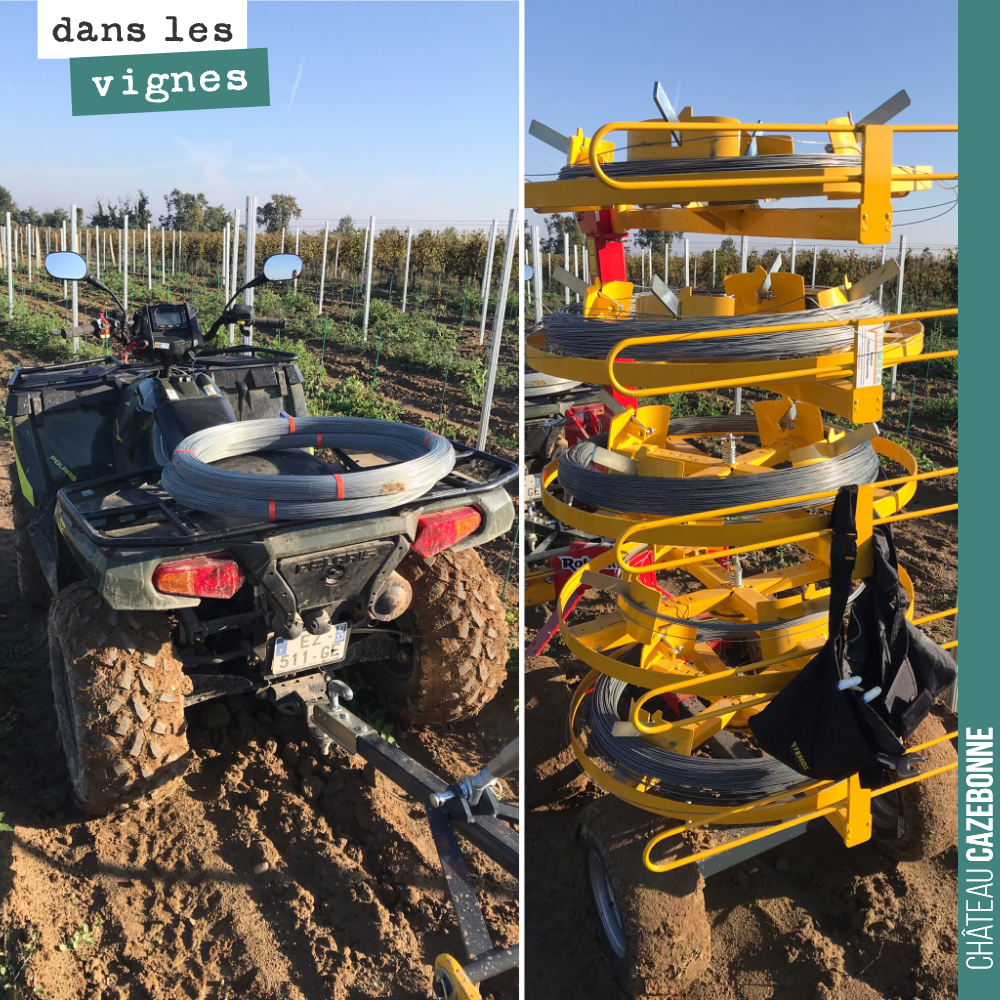
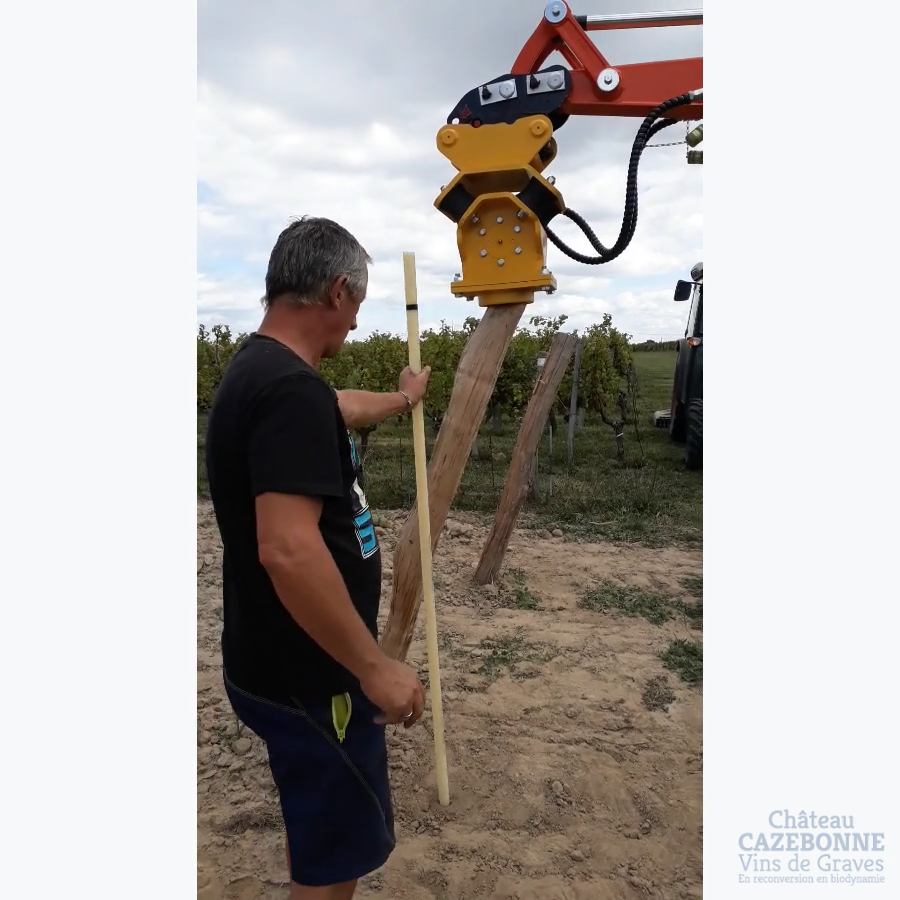
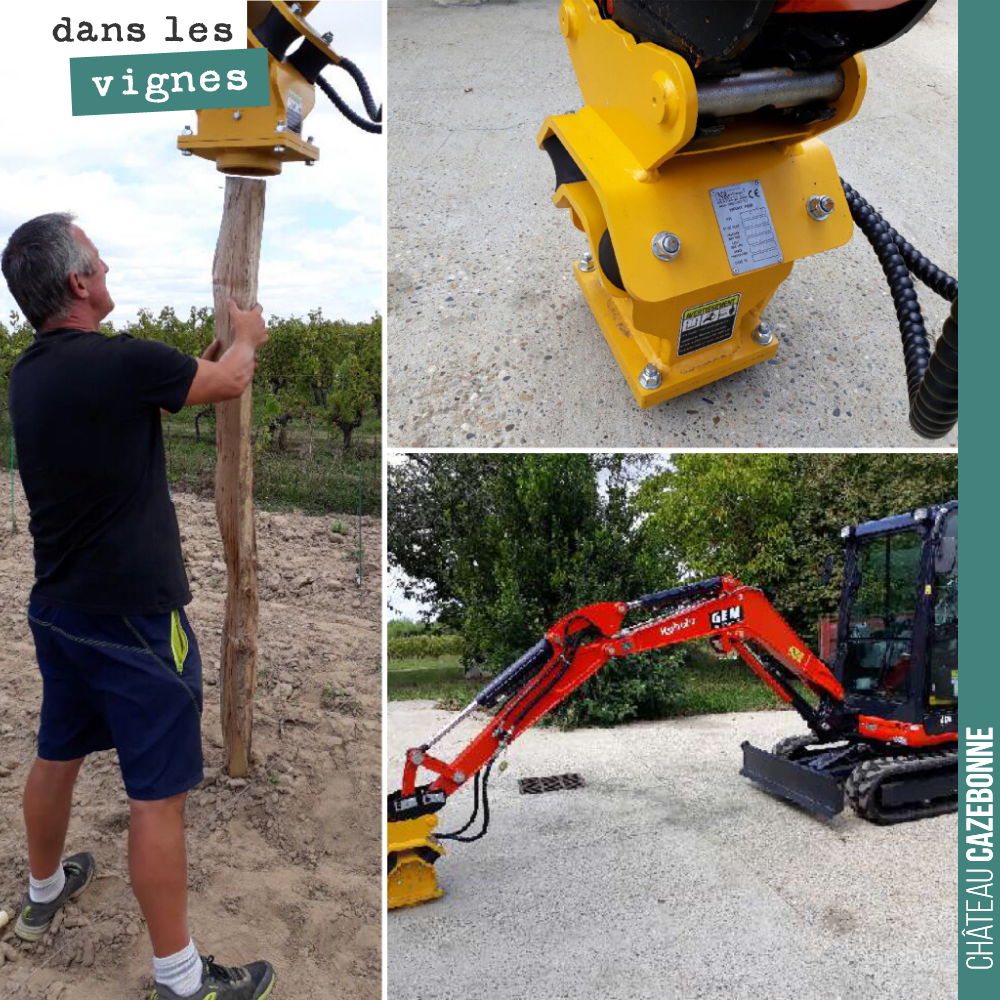
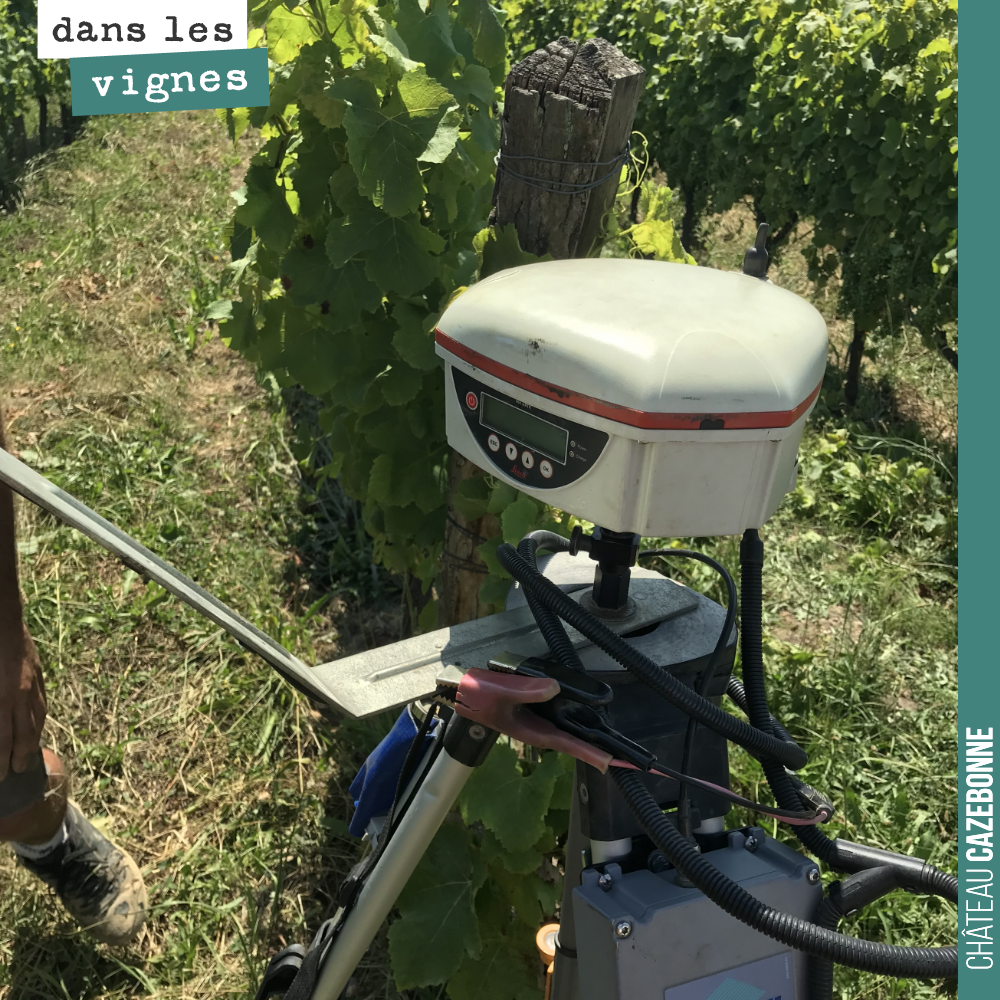
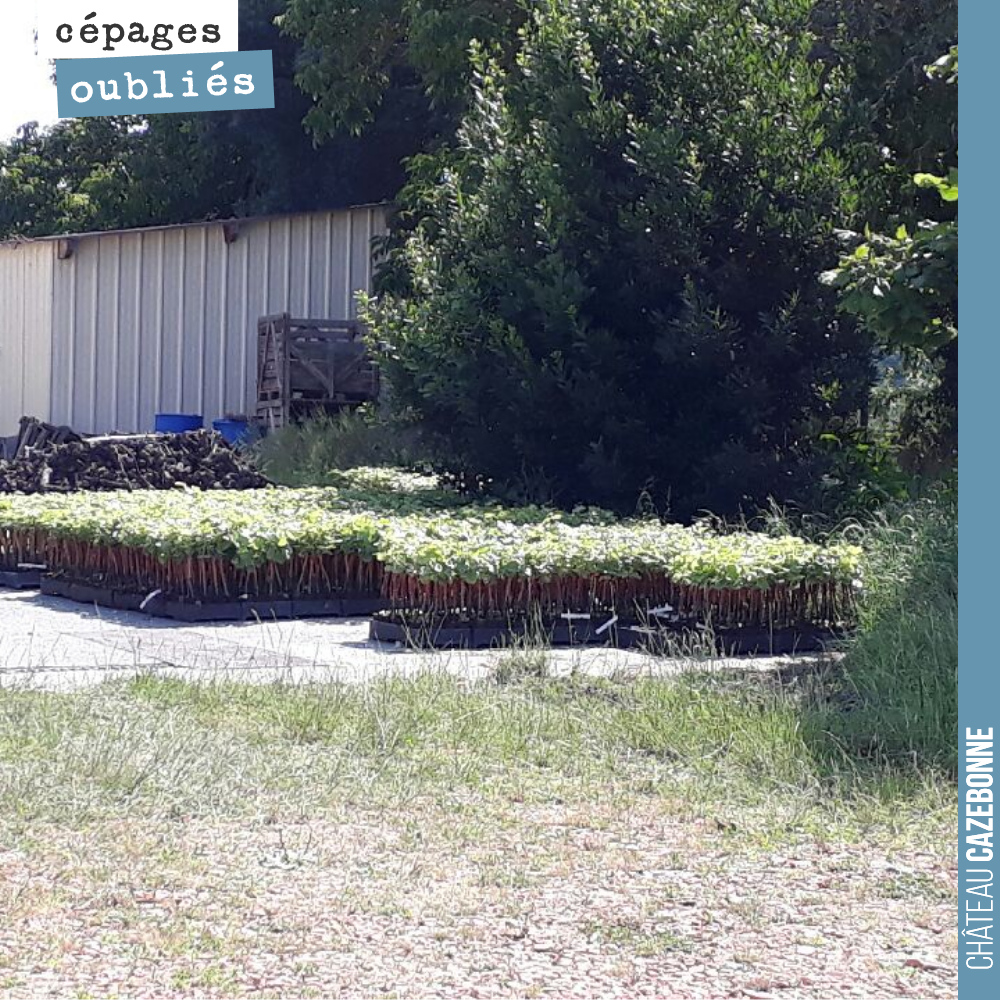
Planting tools vary considerably, ranging from manual dibbers to high-precision, GPS-guided planting machines. Whatever the equipment, the most vital element remains the vine plant itself, sourced from specialist nurseries and selected for its hardiness and varietal conformity.
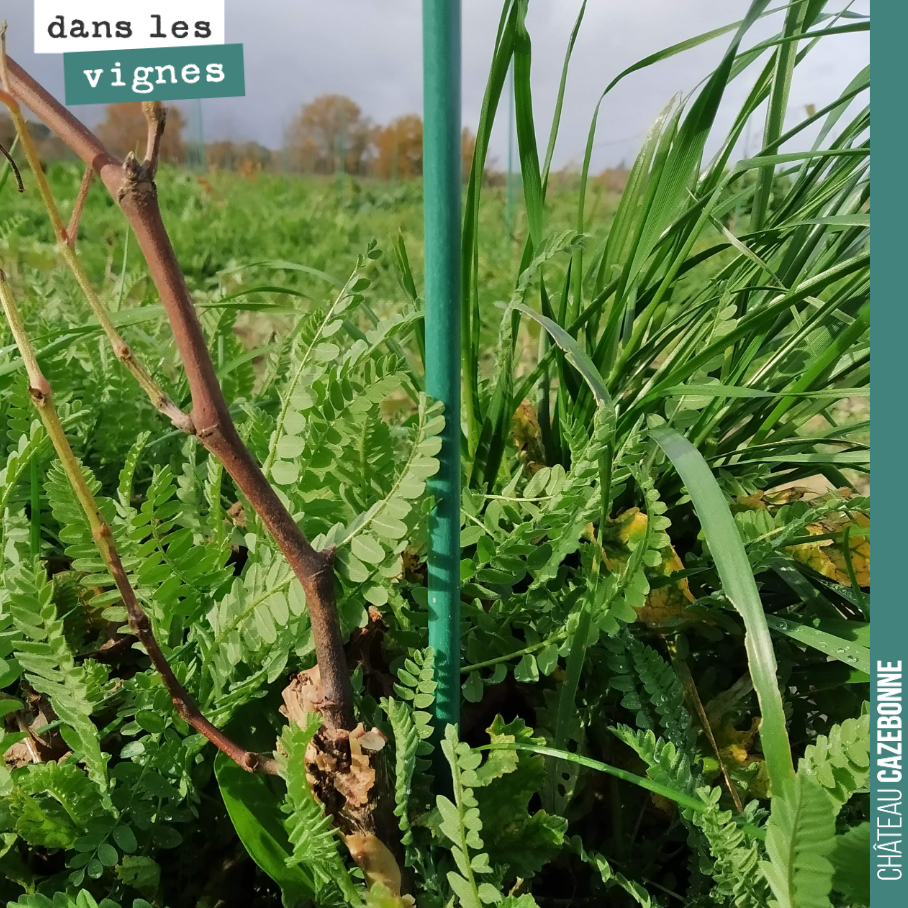
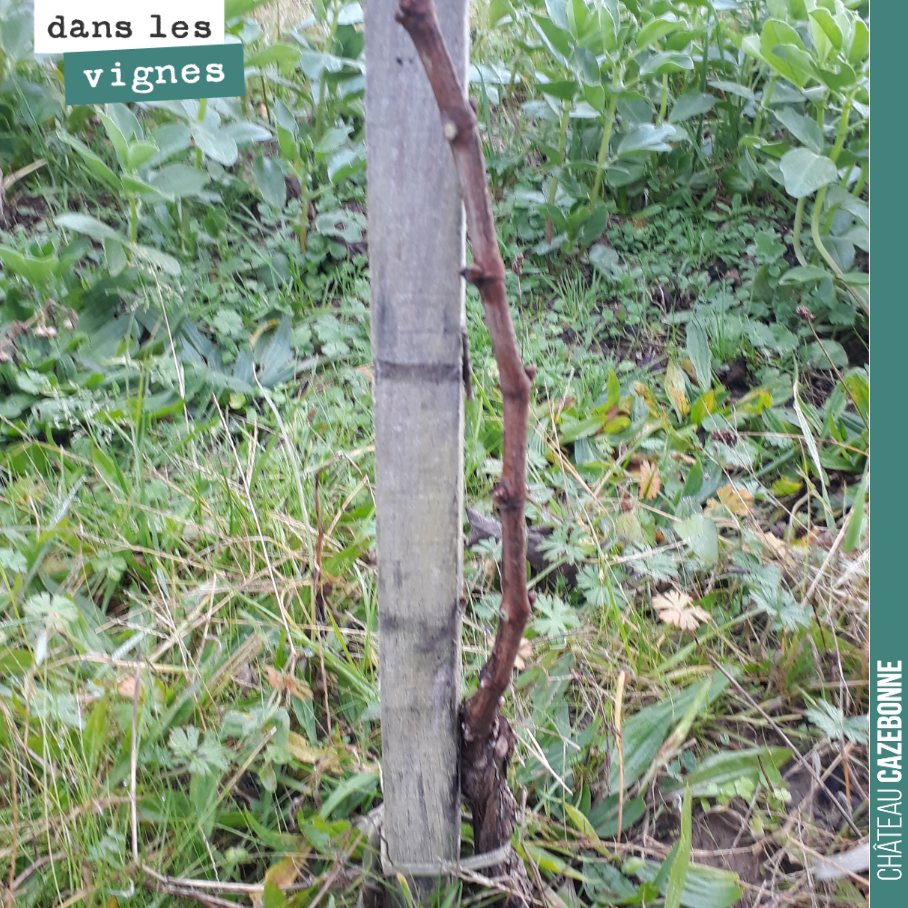
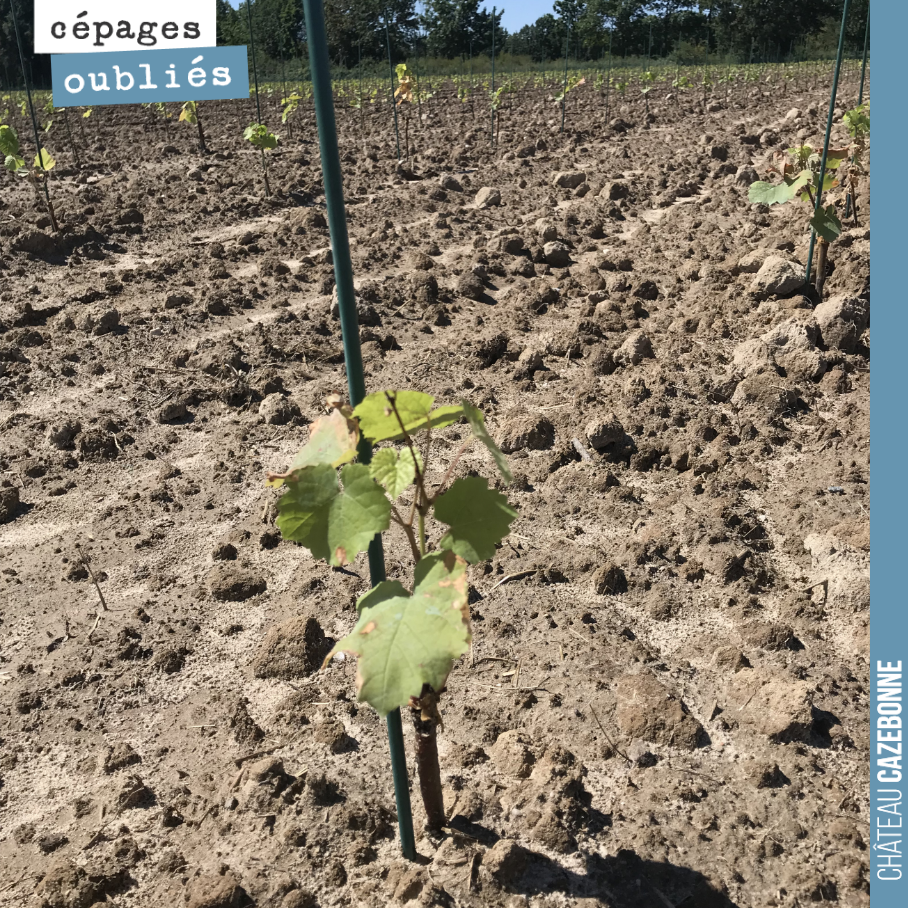
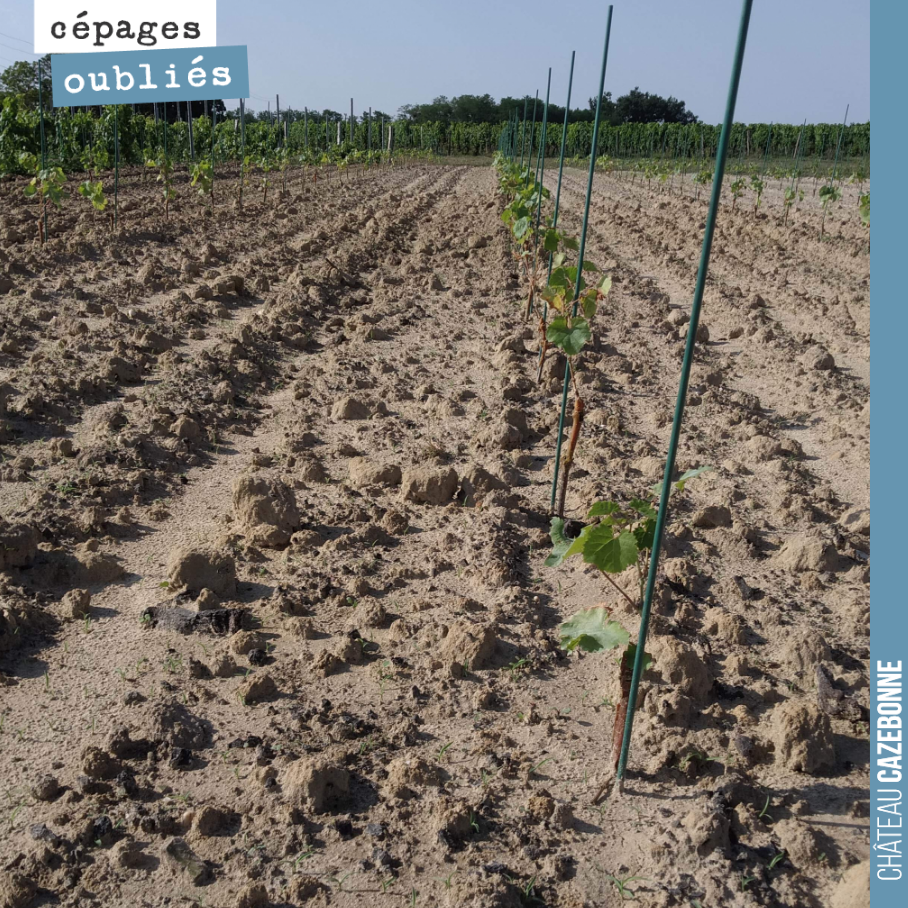
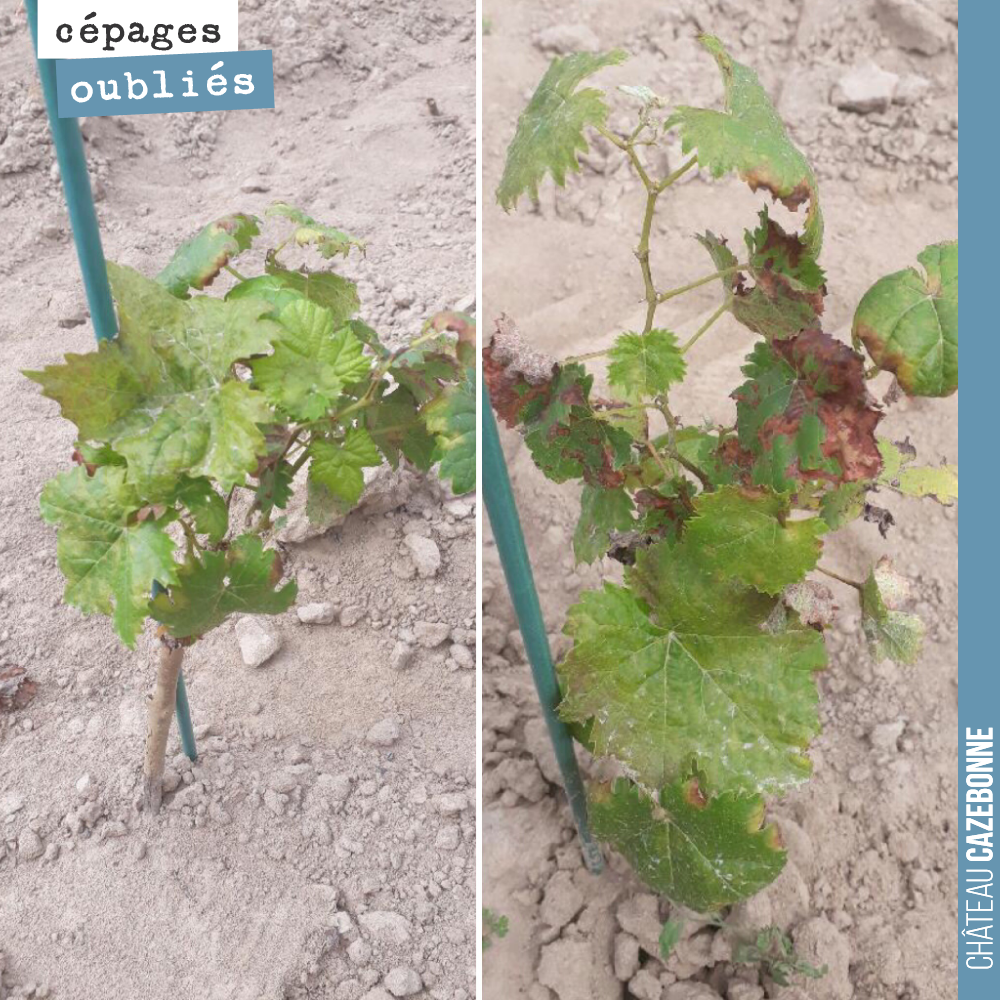
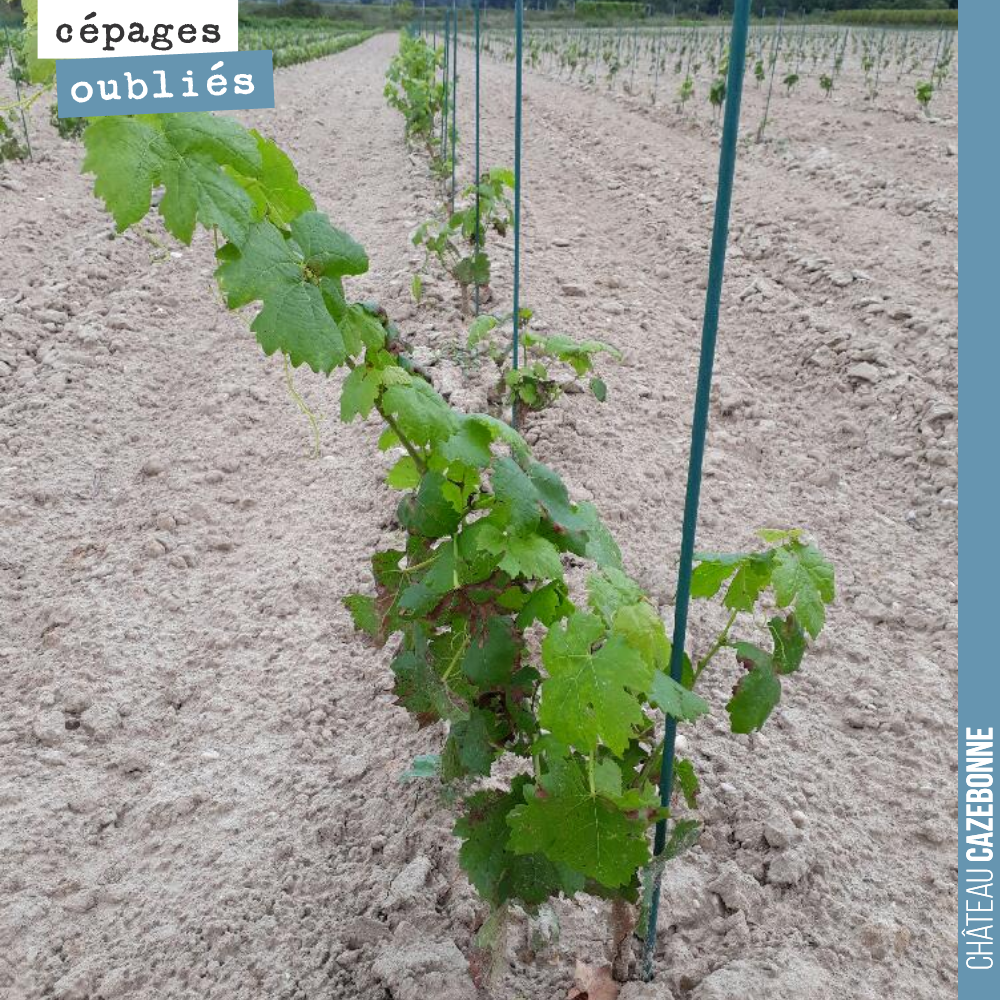
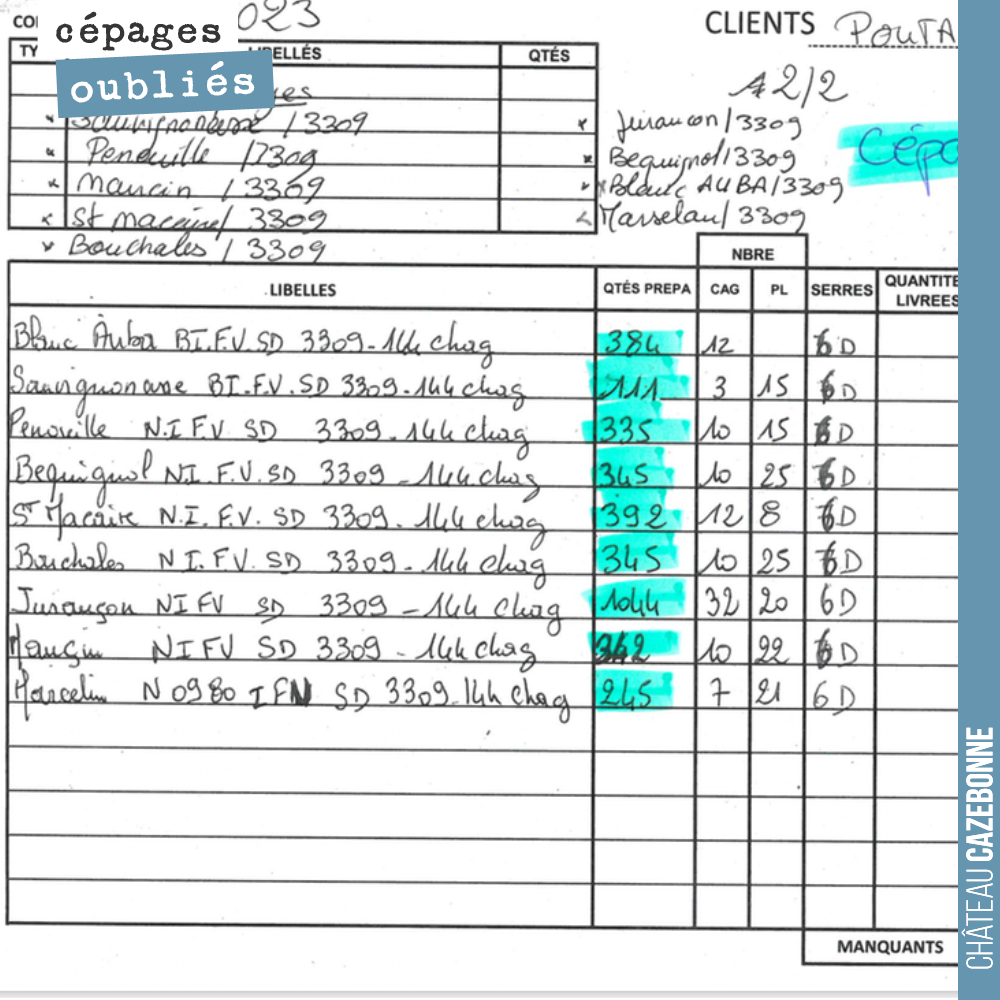
At Château Cazebonne, planting holds a very special significance. Drawing inspiration from Jean-Baptiste Duquesne's book "Bordeaux, une histoire de cépages", we have undertaken a unique rehabilitation process: replanting the historic grape varieties of Bordeaux (the lost grape varieties of Bordeaux). These varieties, once dominant but sometimes forgotten or abandoned, are now finding new life on our terroirs. This pioneering work demands in-depth knowledge of each grape variety and constant adaptation to the specificities of our estate. It illustrates our commitment to biodiversity and the ampelographic history of our region. For a different approach to establishing our parcels, we also practise vine co-planting.
The rigorous work of replanting and promoting ancestral grape varieties at Château Cazebonne bears witness to our passion for the history and richness of the Bordeaux vineyard. To explore these aspects further and understand the importance of such an undertaking, you can download the digital version of the book "Bordeaux, une histoire de cépages". Do not hesitate to test your viticultural knowledge through our oenological quizzes, and of course, discover the fruit of this labour and passion by visiting the Cazebonne shop.
Sources
Our suggestions
-5%on your 1st order with code BIENVENUE
The essential6 bottles — Graves red 2022
The best price of the cellar: €12 per bottle delivered.
The everyday red: generous and straight to the point.
I want it Our recommendation92/100 RVF
6 bottles — Graves red 2022, 92/100 RVF
Rated 92/100 by La Revue du vin de France: a solid 10-year ageing potential.
Our Graves for ageing, the finest gateway to the estate.
I want it Go further
12 bottles — the whole range
12 bottles, the whole range tasted: the best discovery-to-price ratio.
The complete tour of the estate, in a single case.
I want it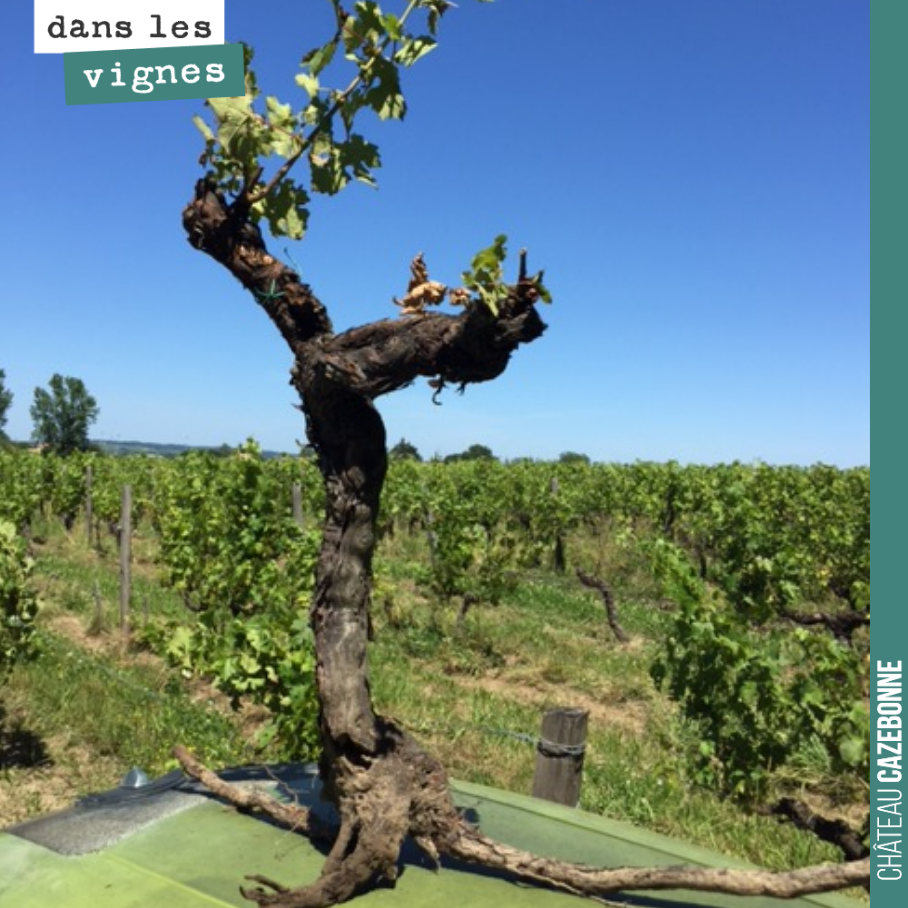
25 June 2020
12 April 2020

18 January 2020
27 December 2019
16 December 2019
03 December 2019
02 December 2019
17 November 2019
04 November 2019
04 November 2019
24 August 2019
11 August 2019
06 August 2019
03 August 2019
25 July 2019
24 July 2019
23 July 2019
21 July 2019
20 July 2019
16 July 2019
09 July 2019
22 May 2019
27 February 2019
15 January 2019
30 October 2018
21 October 2018
06 October 2018
05 October 2018
10 September 2018
08 September 2018
06 September 2018
05 September 2018
01 September 2018
01 September 2018
10 August 2018
09 August 2018
30 July 2018
26 July 2018
25 July 2018
25 July 2018
23 July 2018
23 July 2018
14 July 2018
13 July 2018
13 July 2018
13 July 2018
13 July 2018
12 July 2018
11 July 2018
10 July 2018
09 July 2018
27 June 2018
22 June 2018
The cellar, forgotten grape varieties and our cuvées, twice a month. 5% off your first order with the code BIENVENUE.