
 The essential92/100 RVF
Comme en 1900 red 2022
Vin de France — heritage grapes, 92/100 RVF
The pre-phylloxera Bordeaux blend, revived at the estate.
Castets, Mancin, Pardotte: the Bordeaux before Bordeaux.
I want itJurançon noir
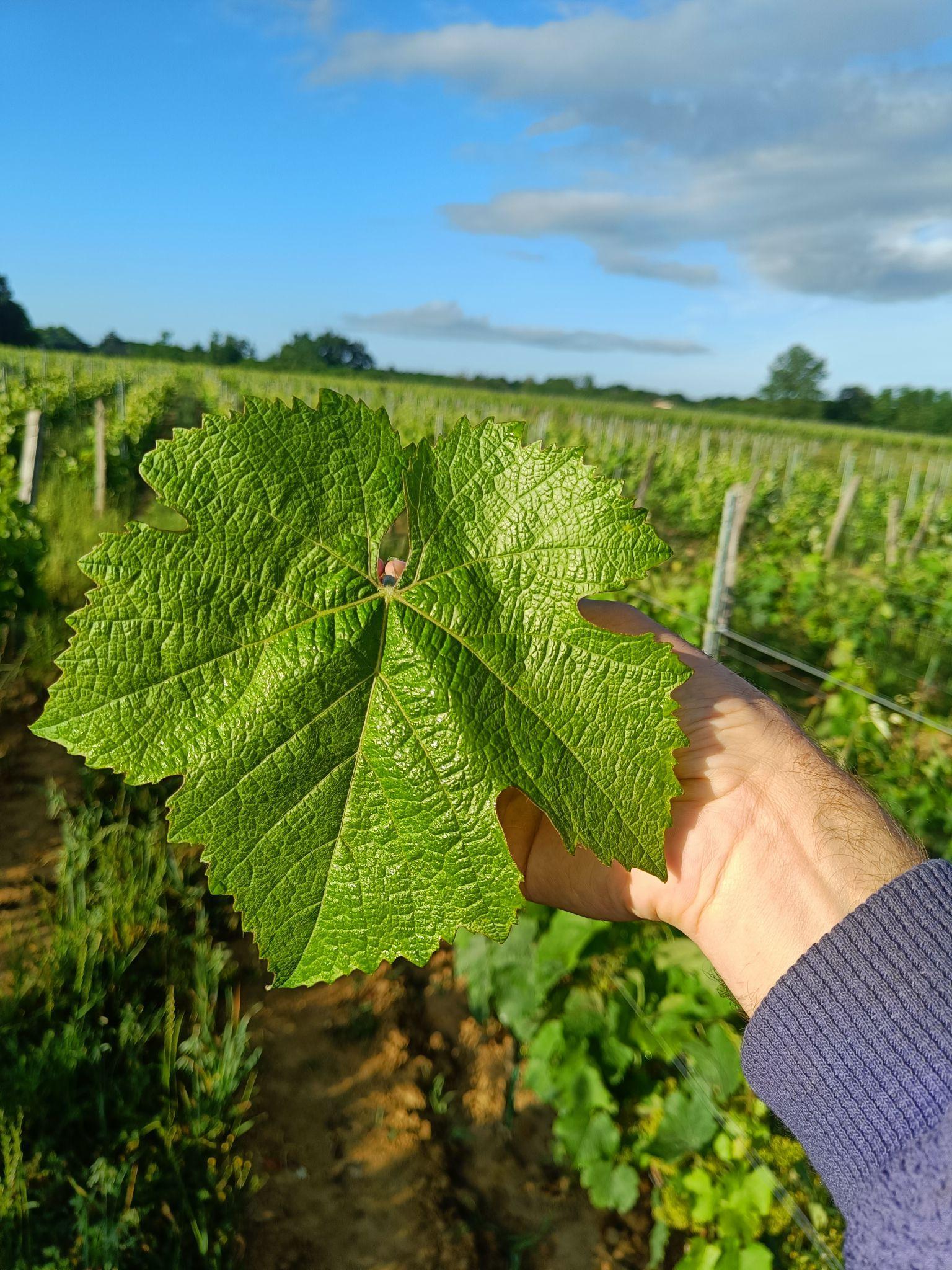
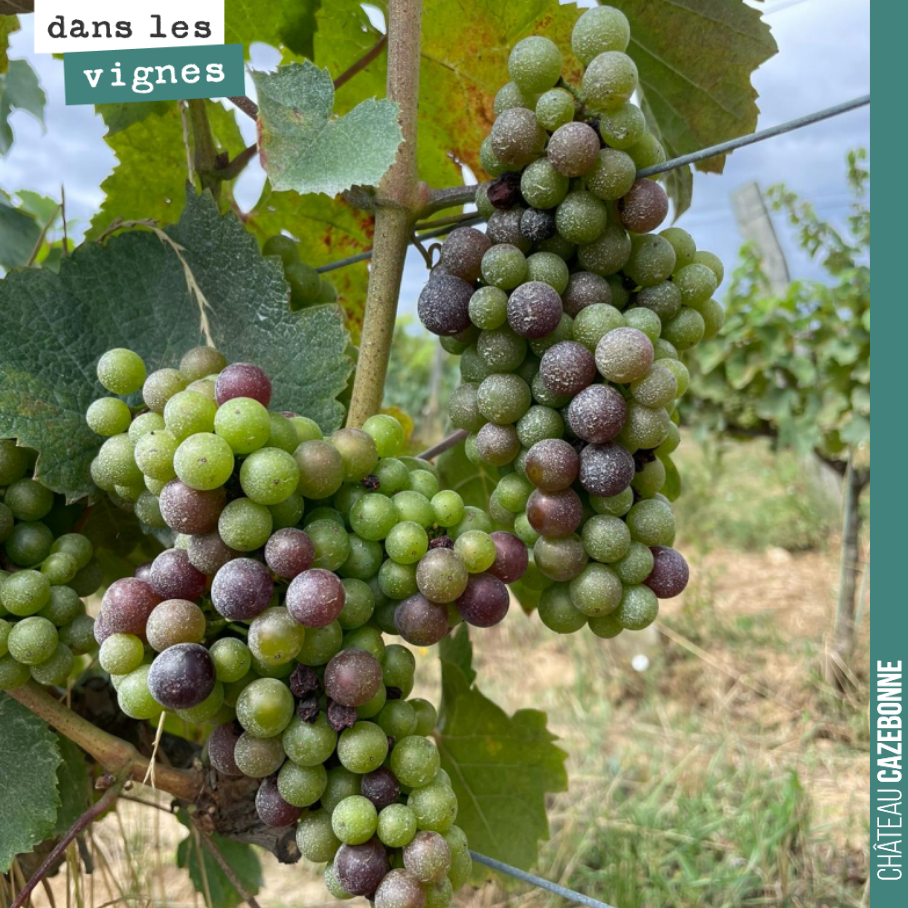
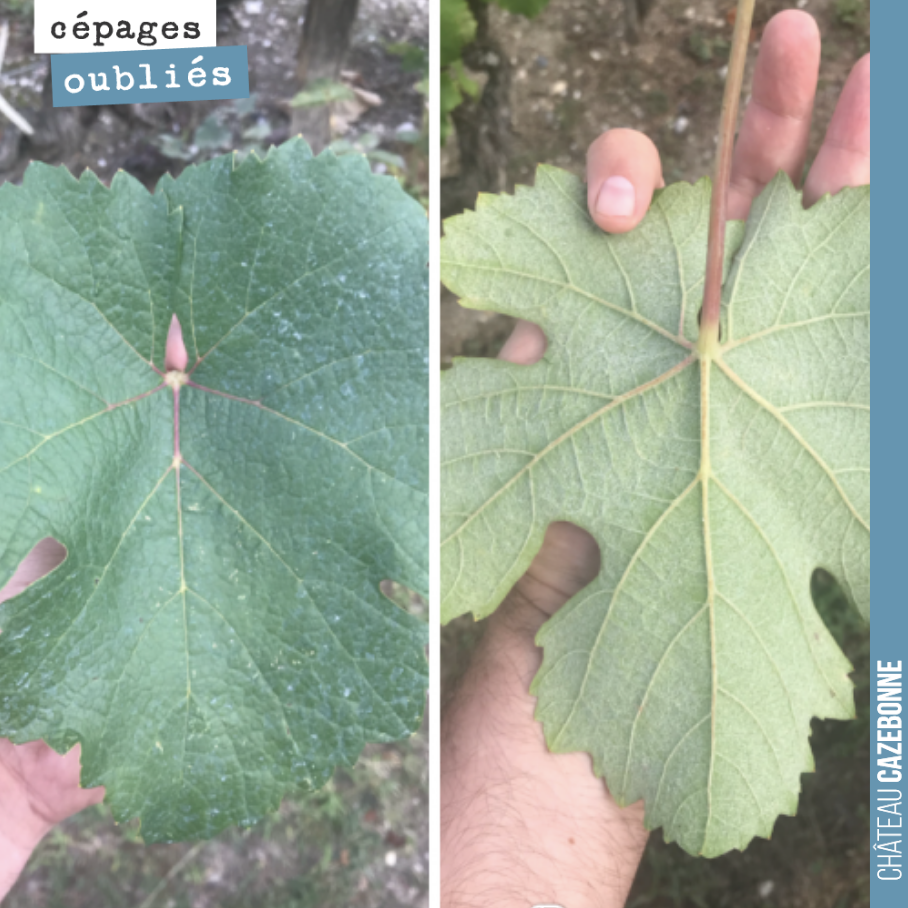
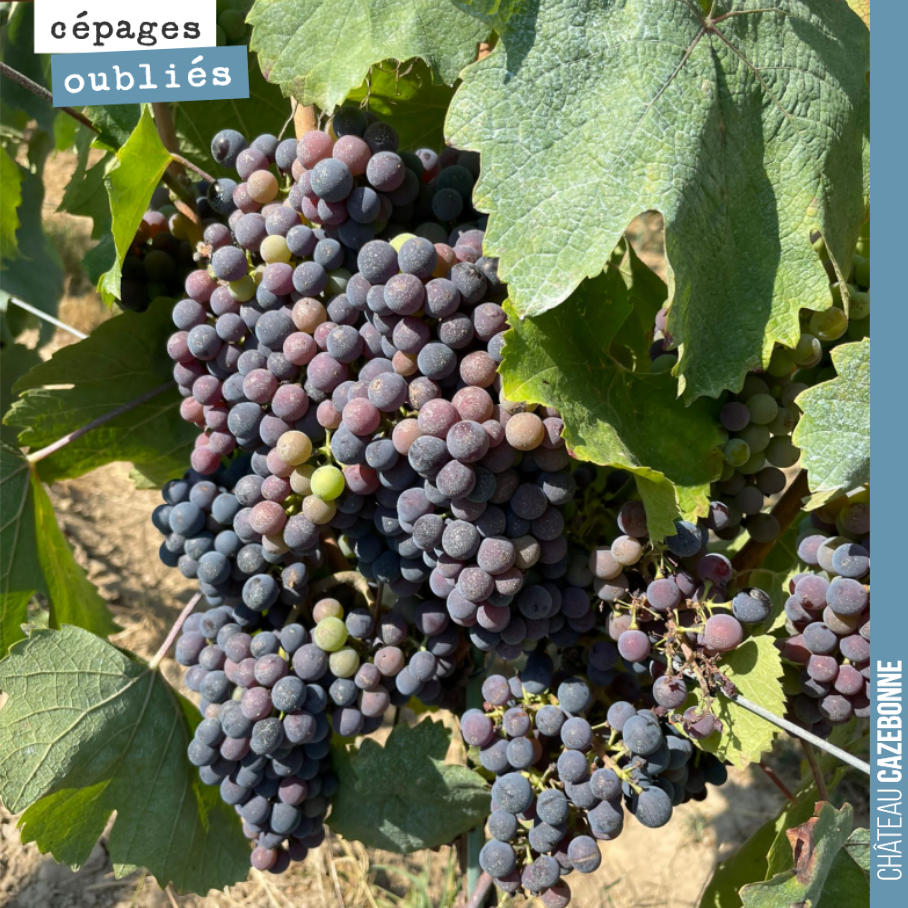
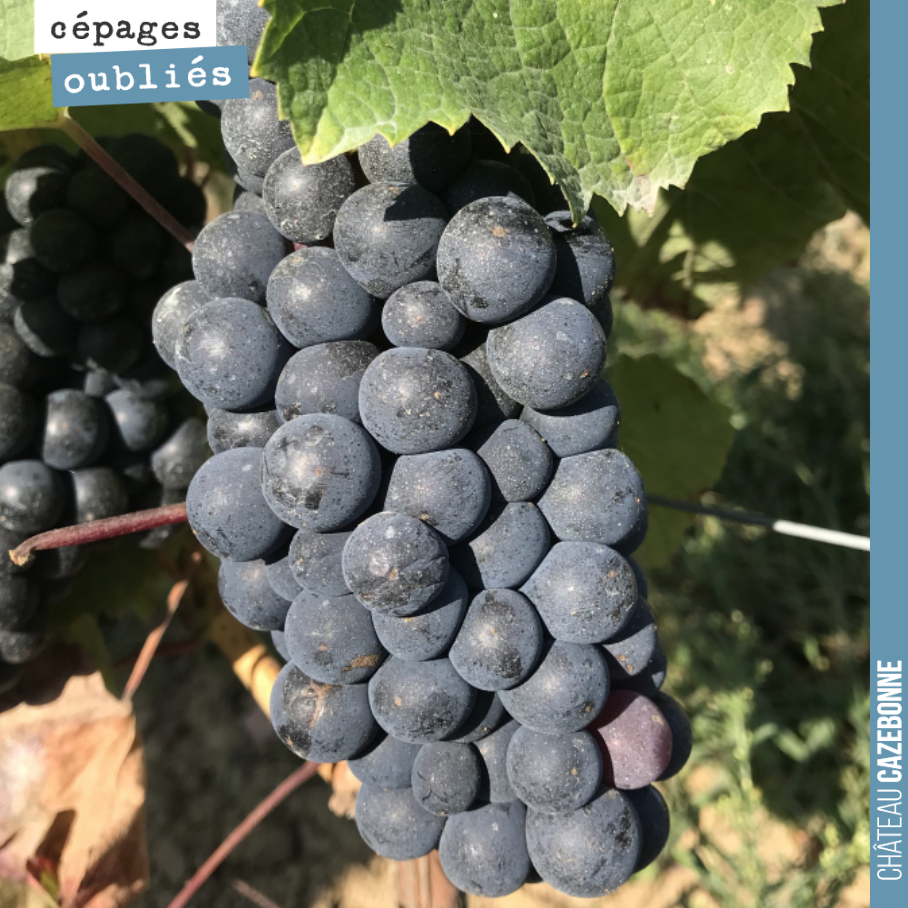
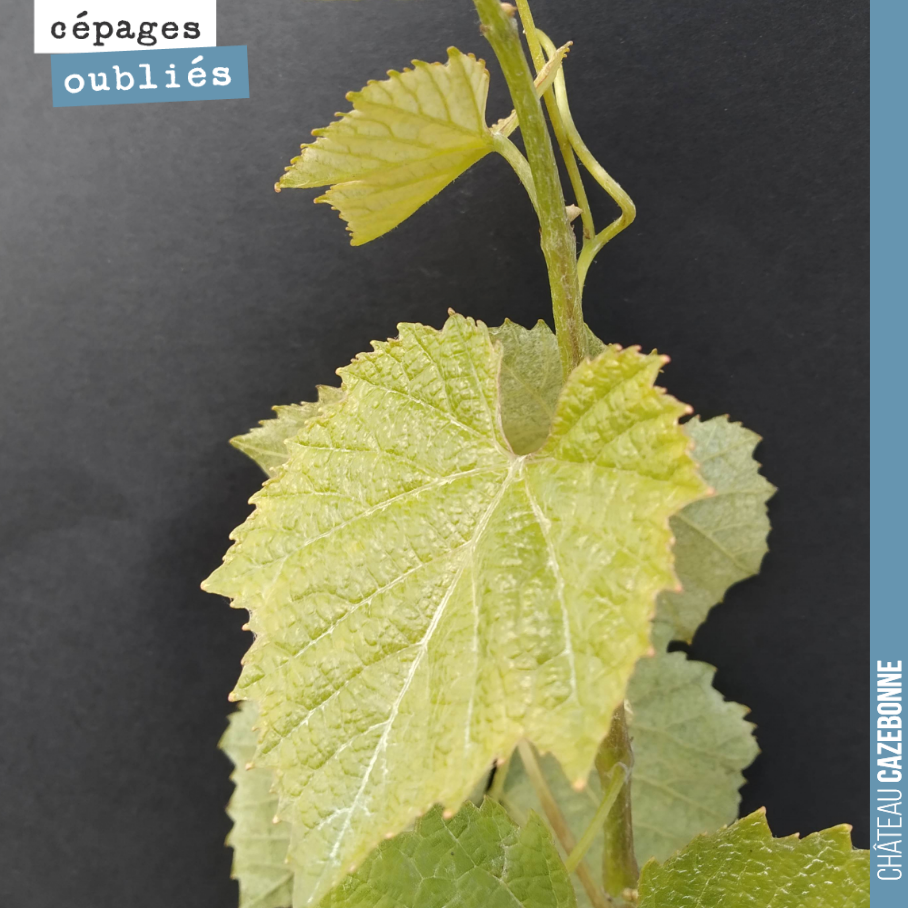
Jurançon noir, a rediscovered treasure of the Bordeaux vineyards, is the result of a natural crossing between Folle blanche and Malbec (Cot). This parentage was brought to light by the work of Thierry Lacombe and his teams. It is interesting to note that Magdeleine noire des Charentes is also one of the parents of Malbec, highlighting the intertwined lineages of many historical grape varieties.
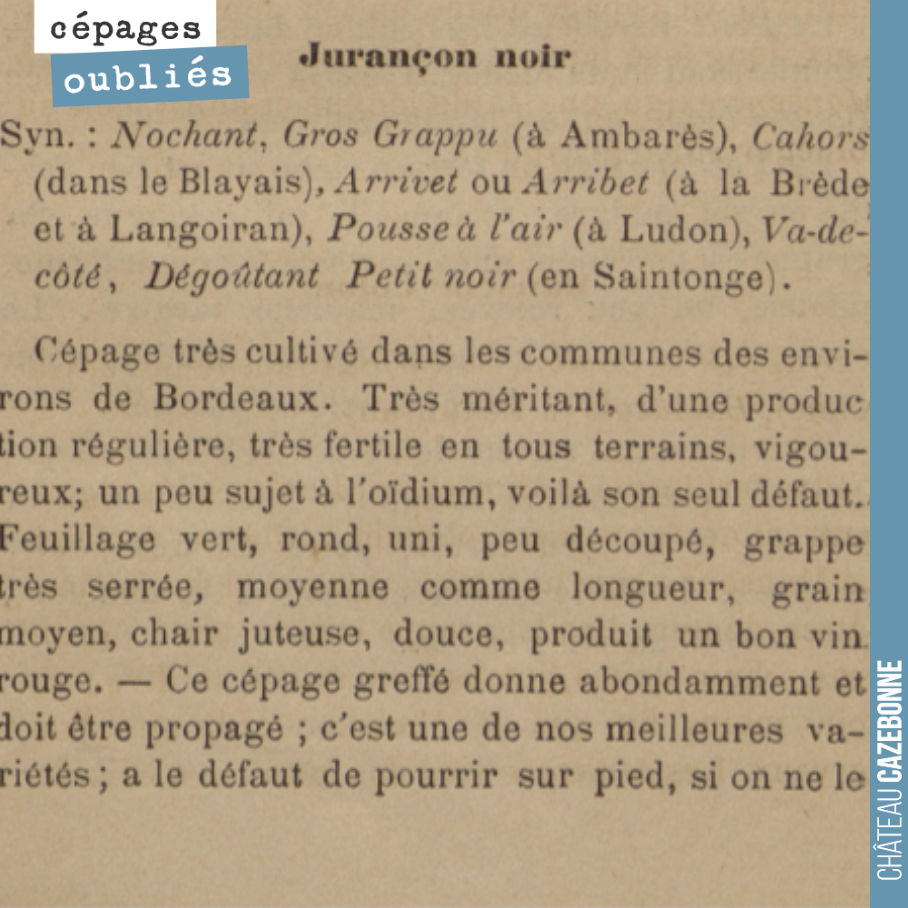
The ampelographic history of Jurançon noir is marked by numerous synonyms, reflecting its widespread distribution and fluctuating recognition. Mentioned under the name 'Enrageat' by Abbé Bellet as early as 1736, it also appears as 'Folle noire' and 'Aurajeat' in the writings of Dupré de Saint-Maur in 1783-1784. It was Féret who, in 1878, gave it the name 'Jurançon' (or 'Arrivet'). Georges Bord in 1832 and Cocks at the end of the 19th century enriched this list with names such as Giranson, Nochant, Sem de Larrivet, or Petit noir. As proof of its past importance, it was even authorised for a time in the Bordeaux appellation under the name 'Folle noire' as a secondary grape variety, marking its role in the plantings of the lost grape varieties of Bordeaux.
| Characteristic | Description |
|---|---|
| Budburst | Average, simultaneous with that of Malbec. |
| Flowering | Mid-season to late. |
| Veraison | Early to mid-season. |
| Ripening | Early, second epoch, comparable to Malbec. |
| Vigour | Very vigorous. |
| Growth habit | Erect, requiring short pruning. |
| Susceptibility to downy mildew | Rather resistant. |
| Susceptibility to powdery mildew | Very susceptible. |
| Susceptibility to botrytis | Susceptible to rot. |
| Aromatic profile | Fruity (red and black fruits), fresh. |
| Winemaking potential | Fruit-driven wines, honest, easy-drinking, good rosés and light, coloured and acidic reds. |
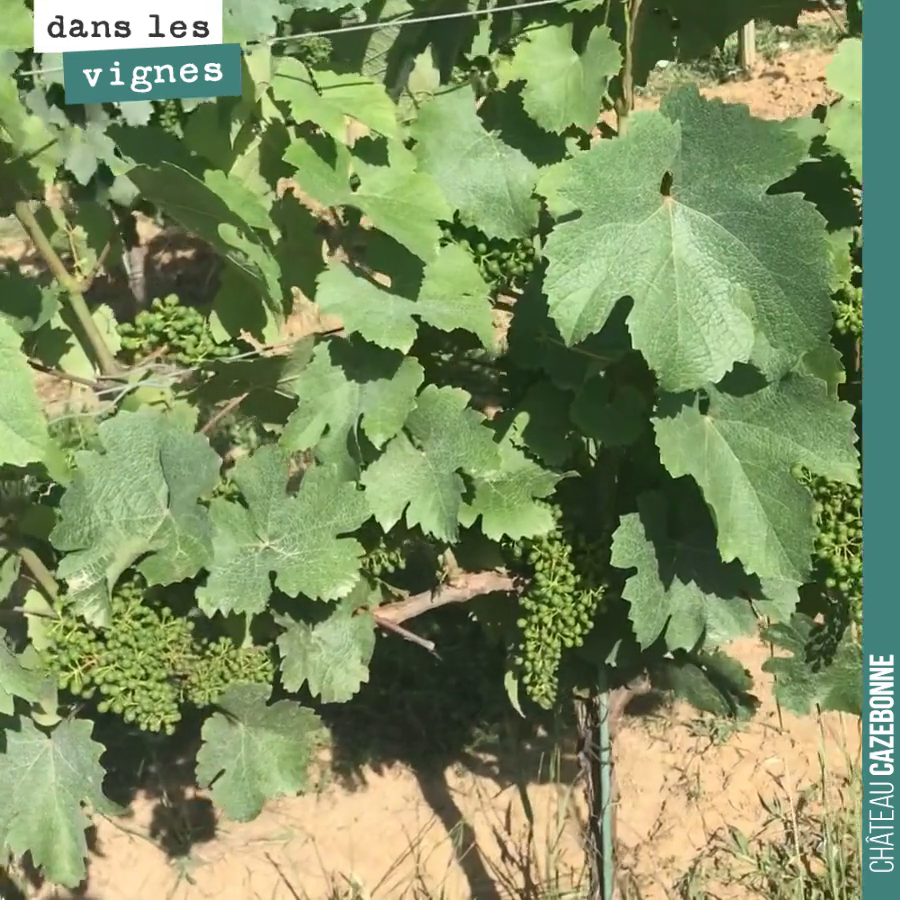
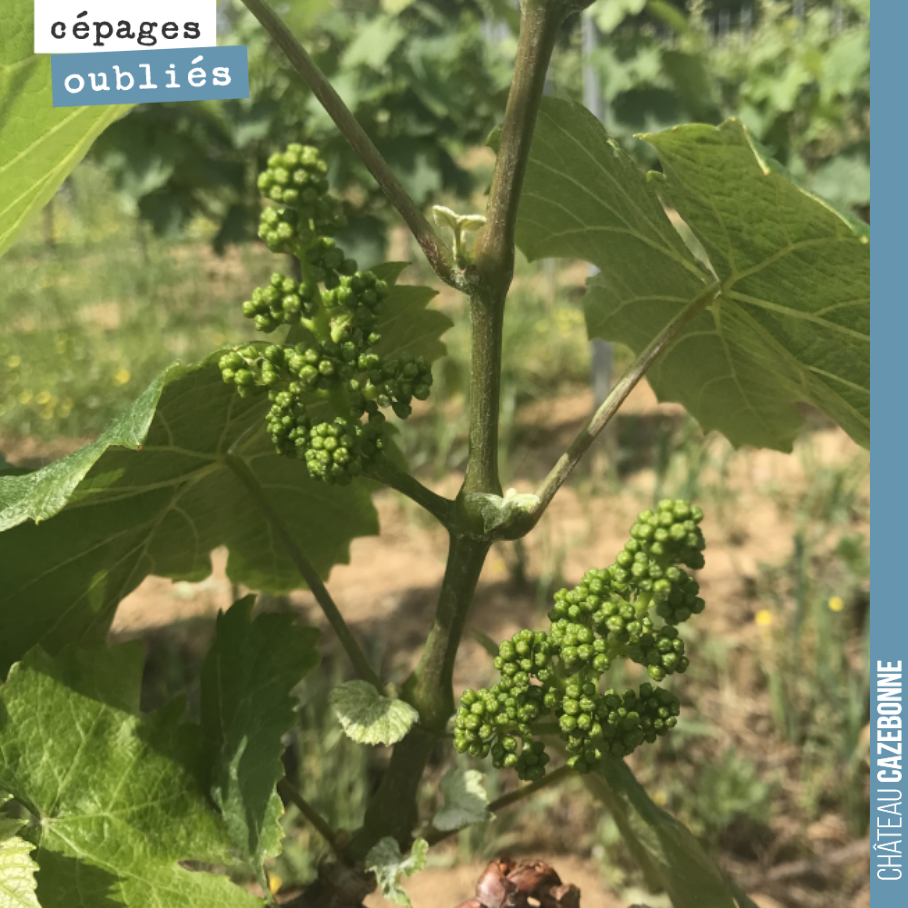
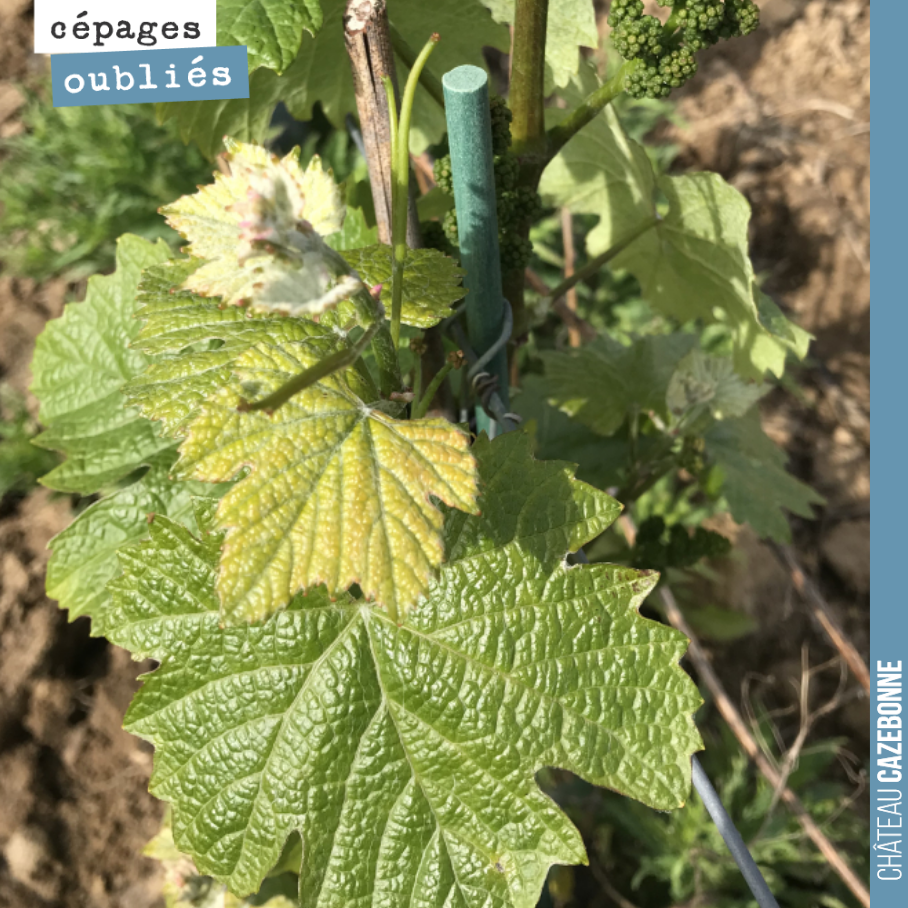
From an agronomic perspective, Jurançon noir is a very vigorous grape variety, producing abundant yields when carefully managed. It is distinguished by its relative resistance to downy mildew, while being particularly susceptible to powdery mildew and rot. Its early ripening and average budburst make it an interesting candidate for the production of fresh, fruit-forward wines. Formerly widespread in the Entre-Deux-Mers and the palus, it was moreover authorised as a secondary grape variety in the Bordeaux appellation decrees of 1935, where it could represent up to a quarter of the red plantings in certain areas like the Graves and the Réolais, according to Bordeaux ampelography. At the time, it produced wines that were light-bodied and lightly coloured.
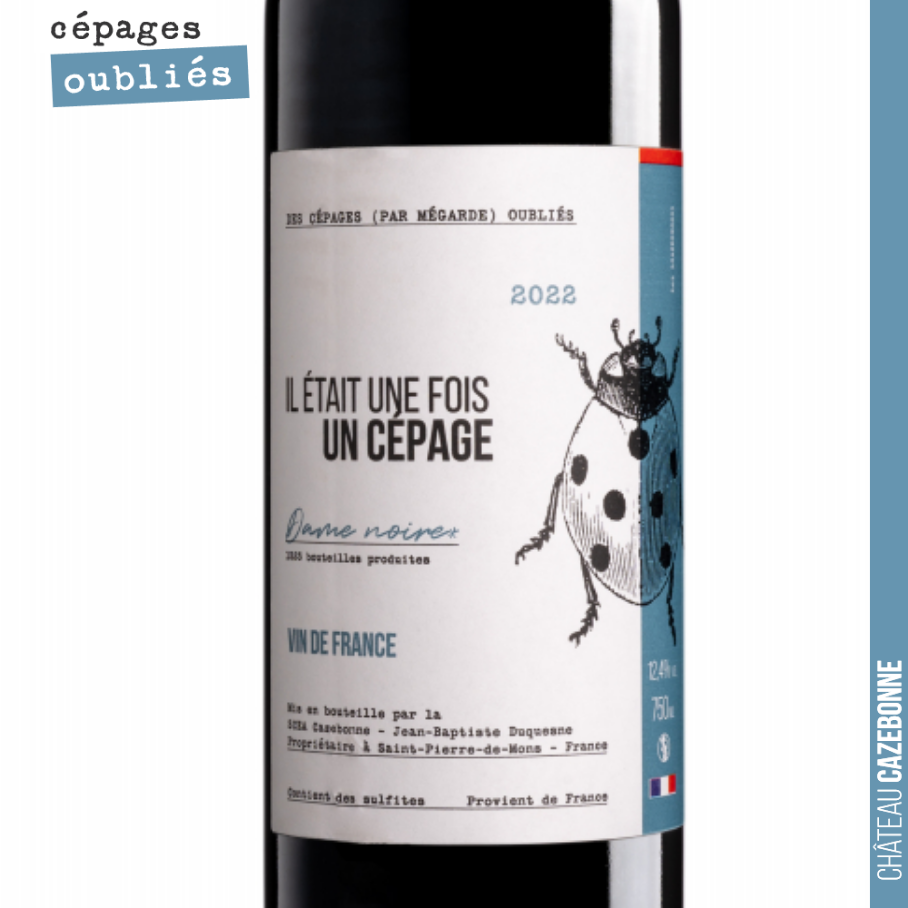
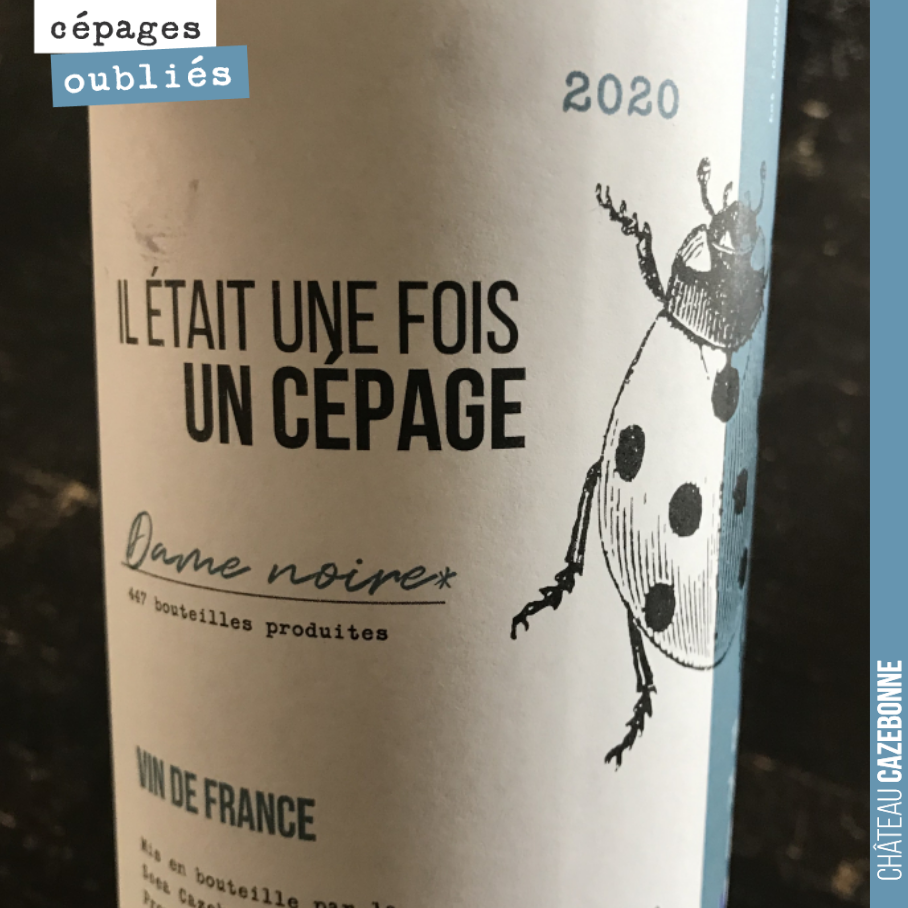
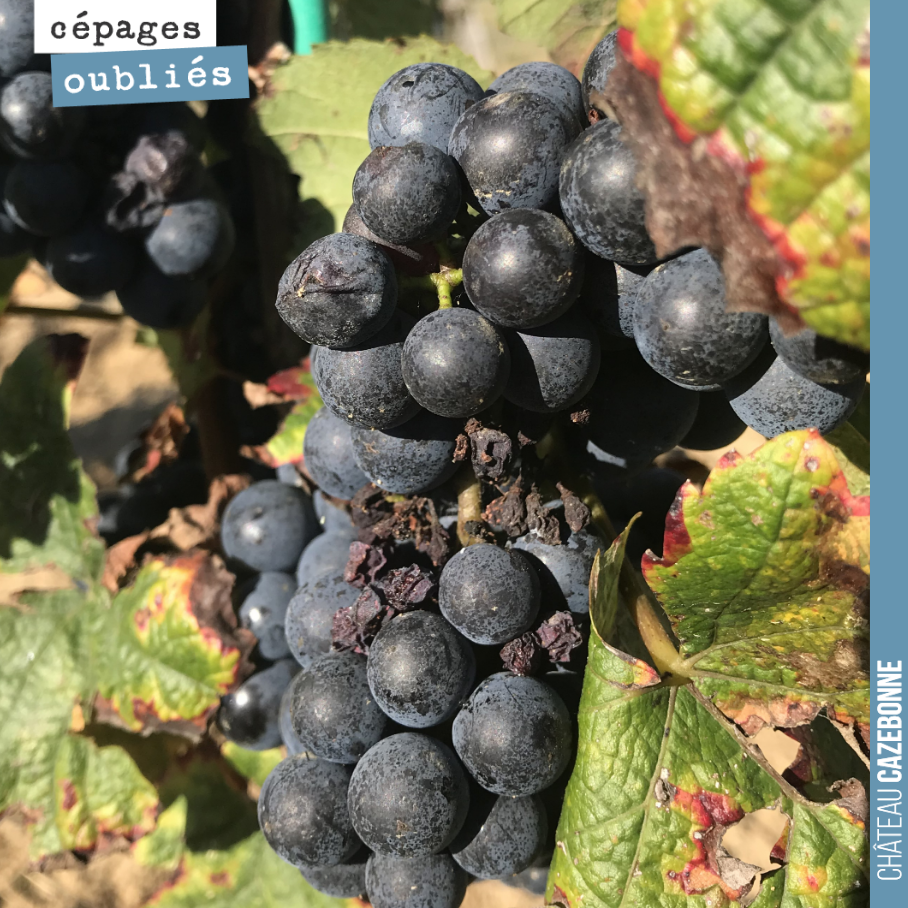
Today, some winegrowers highlight its qualities for crafting fruity rosés. At Château Cazebonne, we explore its potential in red winemaking, as in the La Dame Noire cuvée which blends it with Mérille and Béquignol. Harvested at full maturity with controlled yields, it reveals elegant, honest and easy-drinking fruit-driven wines, expressing notes of red and black fruits with beautiful freshness.
Jurançon noir embodies Château Cazebonne's approach to reviving the forgotten grape varieties of Bordeaux. This work of memory and perseverance is made possible thanks to the invaluable support of wine lovers who have embraced our wines. To delve deeper into the captivating history of the region's vines, and particularly that of the Gascon grape variety, or Manseng noir: a Pyrenean grape, parent of Saint-Macaire, we invite you to download the digital version of "Bordeaux, a history of grape varieties". You can also test your knowledge on these rediscovered gems with our oenological quizzes, before discovering the result of this fascinating quest by visiting the Cazebonne shop to taste our cuvées.
Sources
Our suggestions
-5%on your 1st order with code BIENVENUE
The essential92/100 RVFVin de France — heritage grapes, 92/100 RVF
The pre-phylloxera Bordeaux blend, revived at the estate.
Castets, Mancin, Pardotte: the Bordeaux before Bordeaux.
I want it Our recommendation
IGP Atlantique — rare grape variety
A forgotten grape brought back: dense colour, wild fruit.
For the curious about lost grape varieties.
I want it Go further
12 bottles — the whole range
12 bottles, the whole range tasted: the best discovery-to-price ratio.
The complete tour of the estate, in a single case.
I want it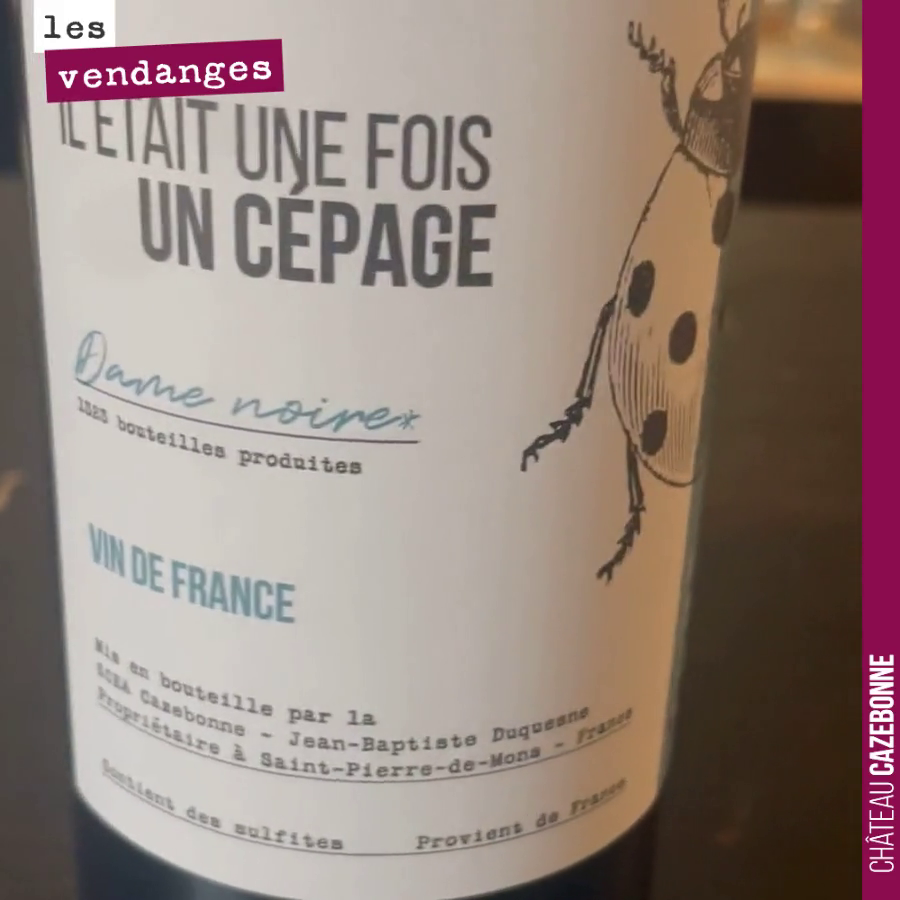
23 January 2024
02 August 2023
11 June 2023
09 September 2022
06 August 2022
16 June 2022
18 May 2022
01 May 2022
22 March 2022
19 March 2022
30 August 2021
15 May 2021
03 February 2021
14 September 2020
04 August 2020
13 May 2020
05 January 2020
04 December 2019
26 August 2019

23 June 2019
07 June 2019
14 February 2019
04 January 2019
01 September 2018
25 July 2018
The cellar, forgotten grape varieties and our cuvées, twice a month. 5% off your first order with the code BIENVENUE.