
 The essential
6 × Entre Amis red
6 bottles — Graves red 2022
The best price of the cellar: €12 per bottle delivered.
The everyday red: generous and straight to the point.
I want itDynamization
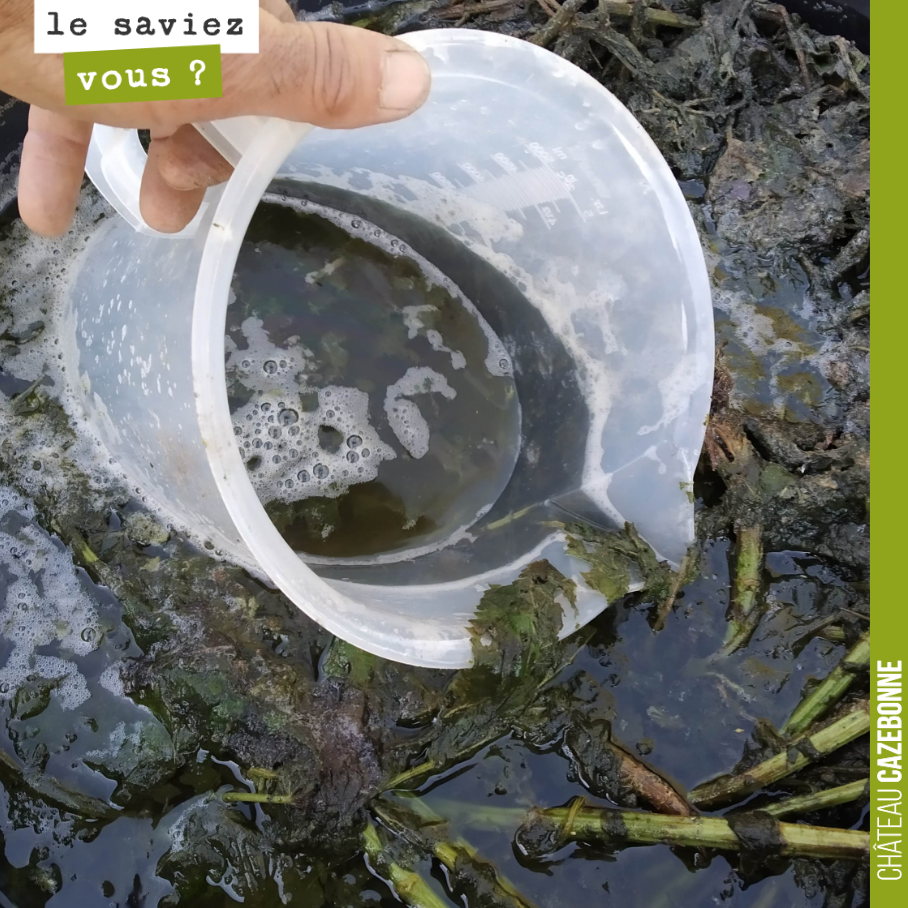
At the heart of biodynamics lies an essential principle: that of dynamisation. This practice, intriguing at first glance, relies on a deep understanding of the subtle energies that animate all living things. It is observed that moving water, like that of a mountain stream, overflows with life and energy, unlike stagnant water. It is this vitality that we seek to infuse into our biodynamic preparations, so that they transmit their full fertilising and stimulating potential to the vines and the soil.
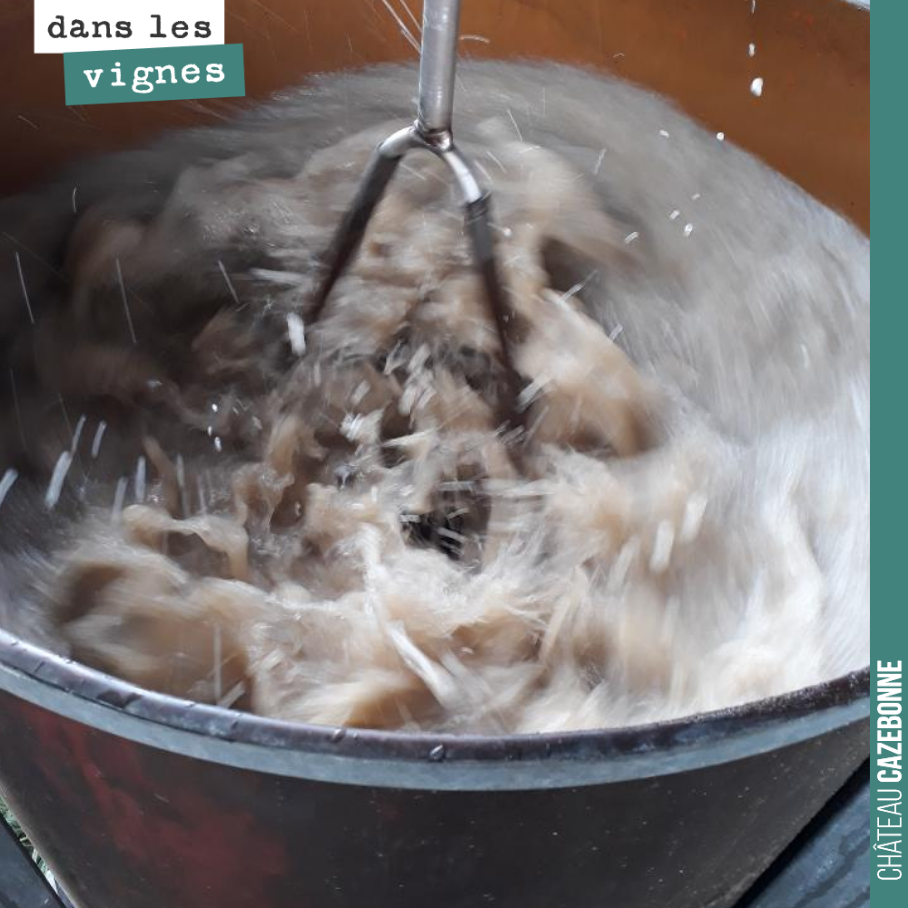
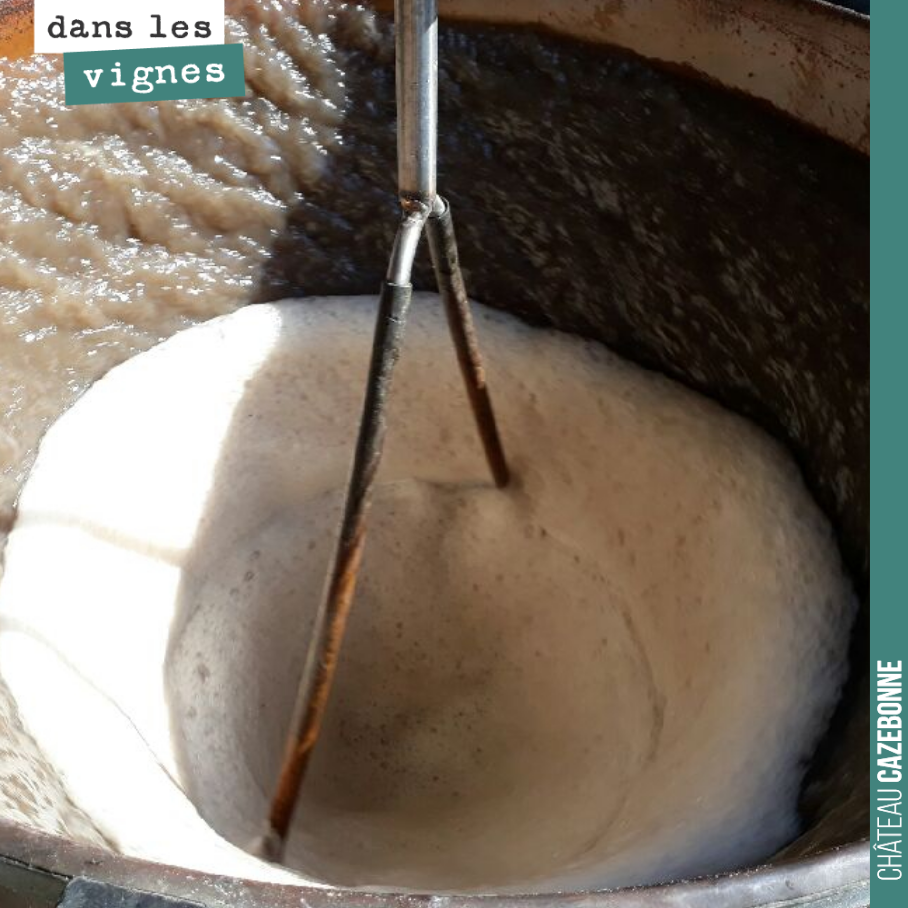
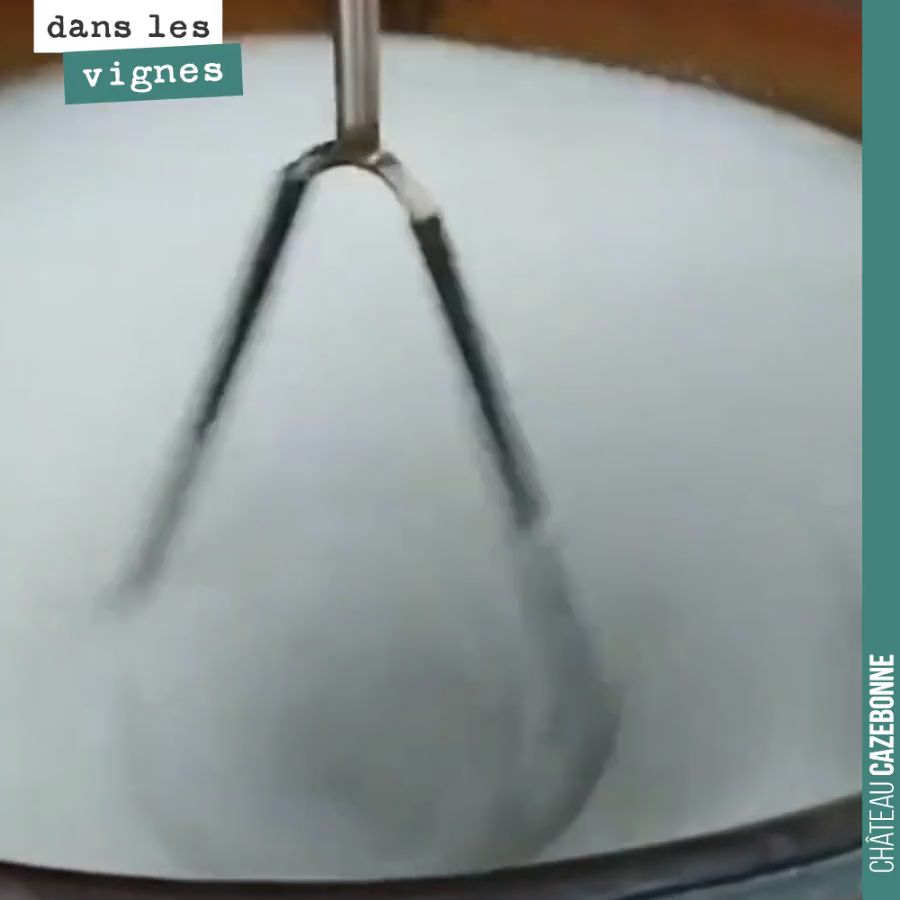
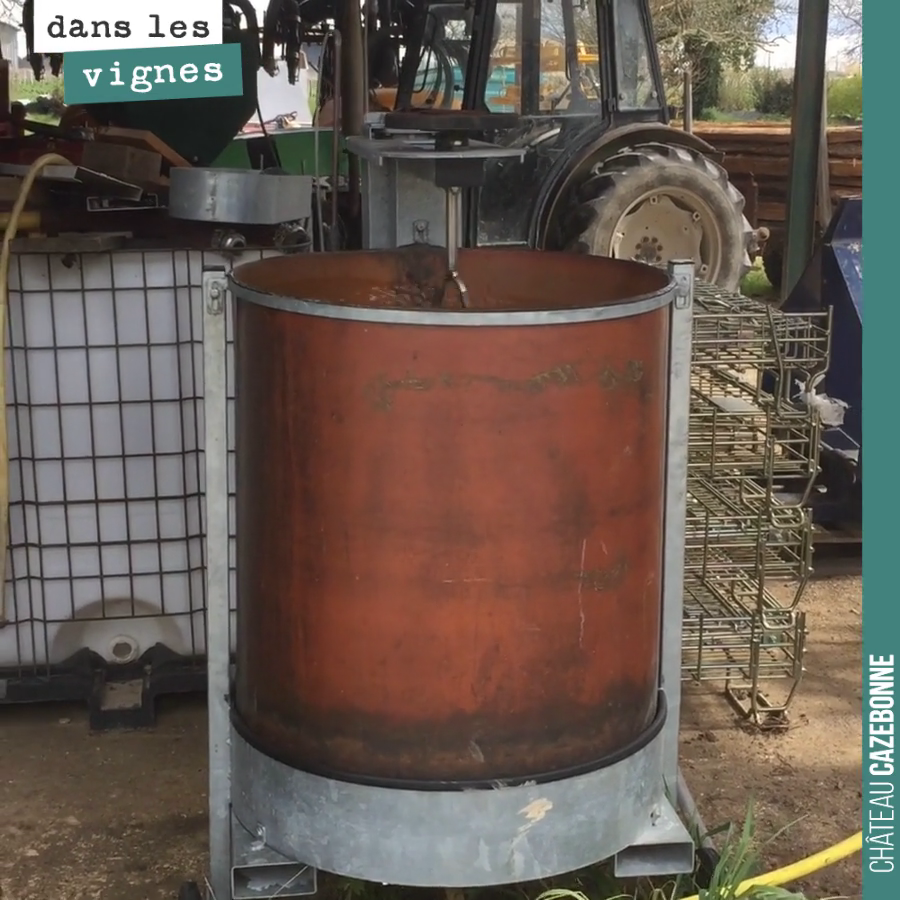
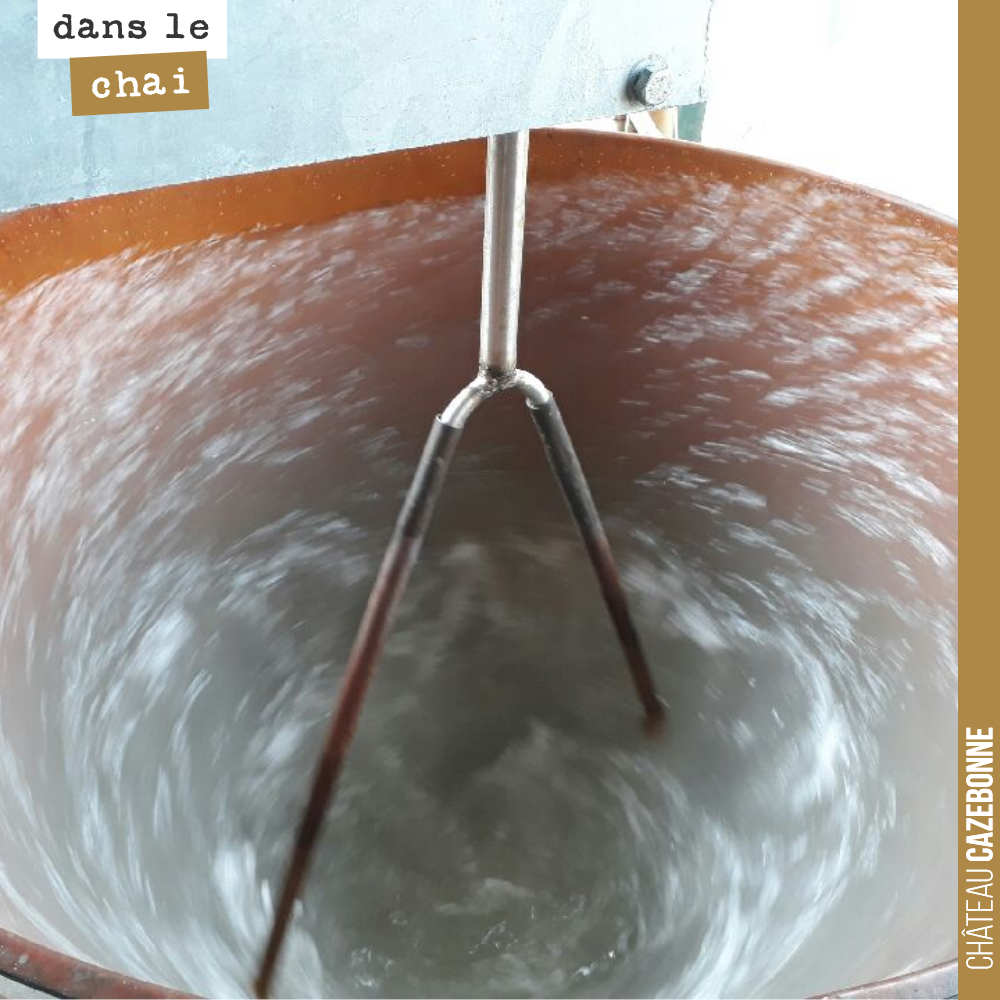
Dynamisation is a rhythmic operation, almost a ritual. It consists of manually or mechanically mixing biodynamic preparations, such as horn manure (preparation 500) or horn silica (preparation 501), in pure water. This mixing is carried out in a container, generating a powerful vortex, a spiral that plunges to the bottom of the vessel. Then, this movement is abruptly reversed, breaking the vortex to create a new one in the opposite direction. This process is repeated for an hour, alternating chaos and order, and allowing the water to capture and restore the energy of the preparations. More than just simple stirring, it is an awakening, an activation of the cosmic and terrestrial forces latent within each substance. Biodynamic preparations are systematically dynamised before application, thereby guaranteeing their effectiveness and their ability to stimulate the vitality of our vines and soils, contributing to having living soils.
At Château Cazebonne, we use various biodynamic preparations that all undergo this dynamisation process. The best-known are horn manure (Preparation 500) to stimulate soil life, and horn silica (Preparation 501) to promote photosynthesis and grape quality. Other plant-based preparations such as horsetail, chamomile or nettle, which are also dynamised, complement the action on the soil and the plant, creating a harmonious balance within the vineyard. These practices are part of a global approach to promote the biodiversity and resilience of our viticultural ecosystem.
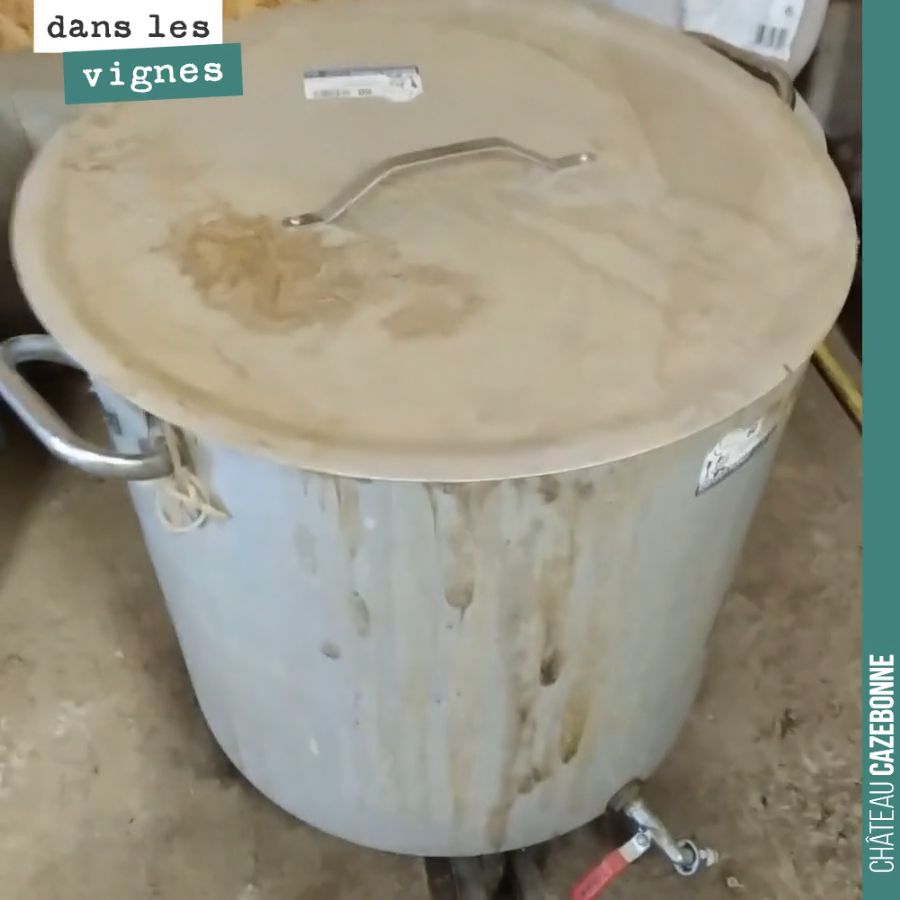
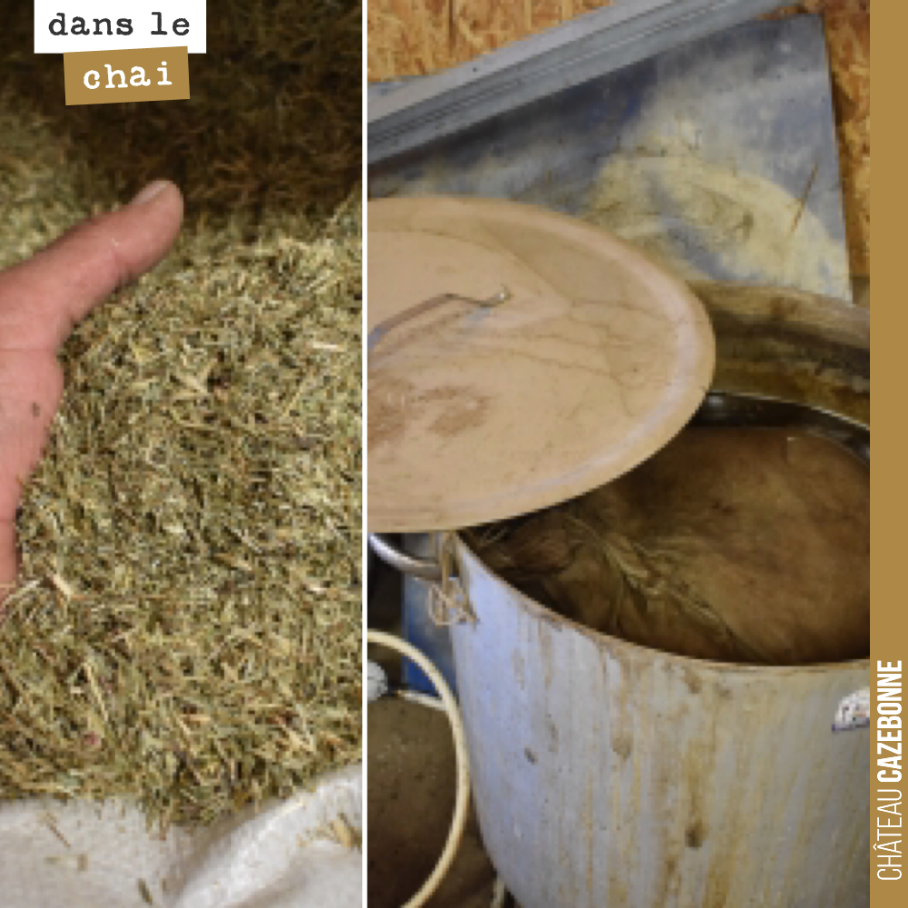
Dynamisation is also applied to specific preparations such as Preparation 508, which is based on horsetail. The latter is renowned for its virtues in fungal regulation and strengthening the vine's natural defences. Its application, always preceded by rigorous dynamisation, helps to keep our vines healthy, thereby reducing our reliance on external treatments. The principles of preparation 507 can be found in the use of these extracts. You can learn more about the category Preparation 505.
This living approach resonates particularly well with our commitment to the biodiversity and resilience of our vineyard. Dynamic soils and vines, imbued with these vital forces, are better prepared to flourish and withstand environmental challenges. At Château Cazebonne, this commitment is bearing fruit: our vintages are certified Demeter and Organic from 2020 onwards. This approach also allows us to support an essential project: replanting forgotten grape varieties in Bordeaux that have marked the region's viticultural history. This work of preserving the ampelographic heritage, which is essential for the diversity and resilience of our vineyard, is made possible by the support of the many wine lovers who have adopted our wines and share our vision. As Jean-Baptiste Duquesne highlights in his book "Bordeaux, une histoire de cépages", rediscovering and reintroducing these ancient varieties is crucial for the future of the appellation, offering new aromatic palettes and better adaptation to climate challenges.
Our biodynamic cuvées are the reflection of this philosophy, wines that tell the story of their terroir and authentically express the richness of their origin. Each bottle is the result of respectful work, guided by the conviction that nature, when listened to and honoured, offers the best of itself. It is through this approach that we contribute to the longevity and vitality of the Bordeaux vineyard, rooting our future in a rich and promising past. By adopting our biodynamic wines, you are participating directly in the rehabilitation of these ampelographic treasures, ensuring their renaissance and their place in the viticultural landscape of tomorrow. You can learn more about our viticultural history and ancient grape varieties by downloading our book " Bordeaux, une histoire de cépages ", and test your knowledge of Bordeaux vineyards with our oenological quizzes. Finally, feel free to discover our entire range of wines on our online shop and thereby support our unique project. To find out more about one of our pillars of fertilisation, discover the Maria Thun compost.
Sources
Our suggestions
-5%on your 1st order with code BIENVENUE
The essential6 bottles — Graves red 2022
The best price of the cellar: €12 per bottle delivered.
The everyday red: generous and straight to the point.
I want it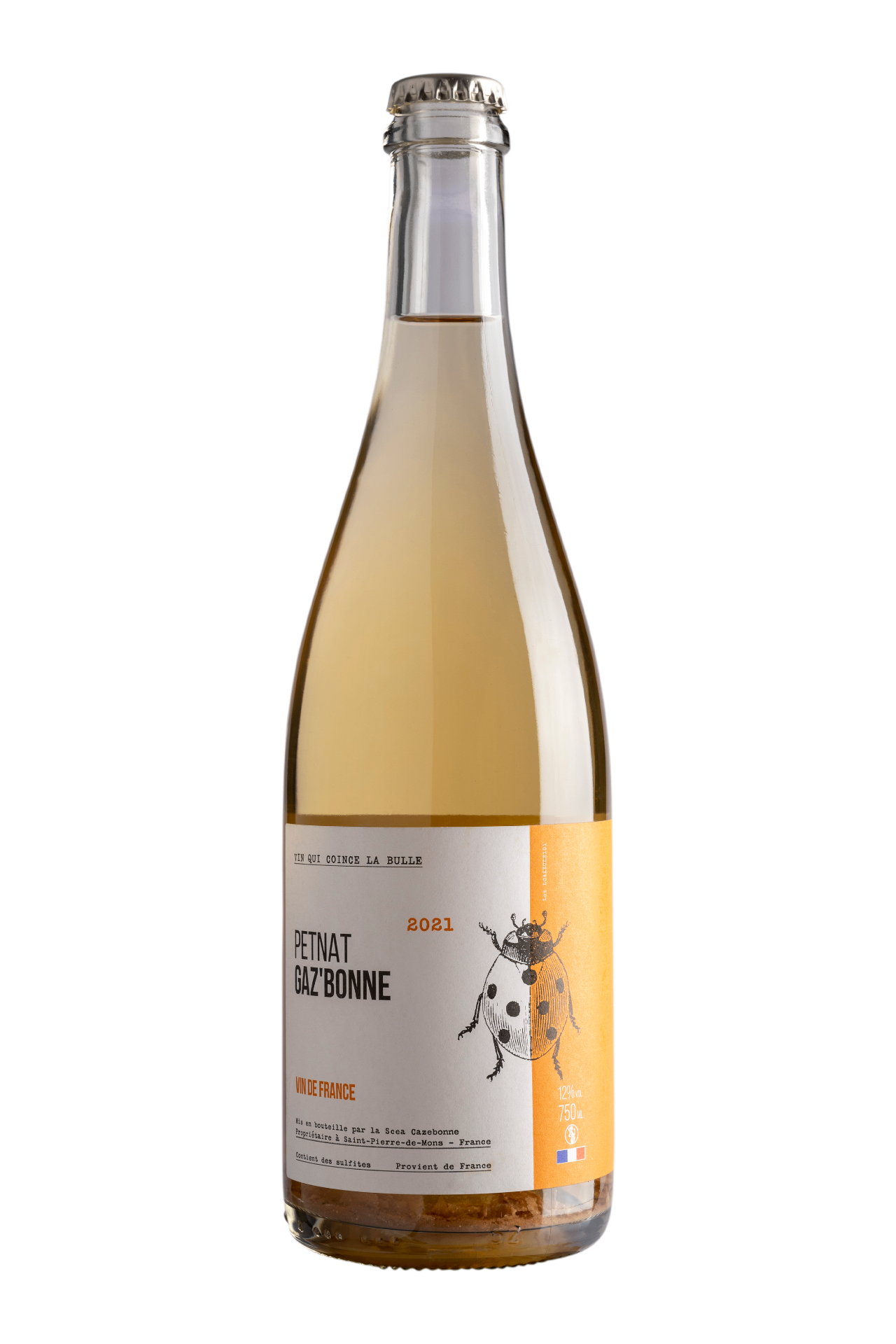 Our recommendation
Vin de France — natural sparkling
Natural bubbles, zero dosage: the party without the headache.
Our living sparkler, best served very cold.
I want it Go further
12 bottles — the whole range
12 bottles, the whole range tasted: the best discovery-to-price ratio.
The complete tour of the estate, in a single case.
I want it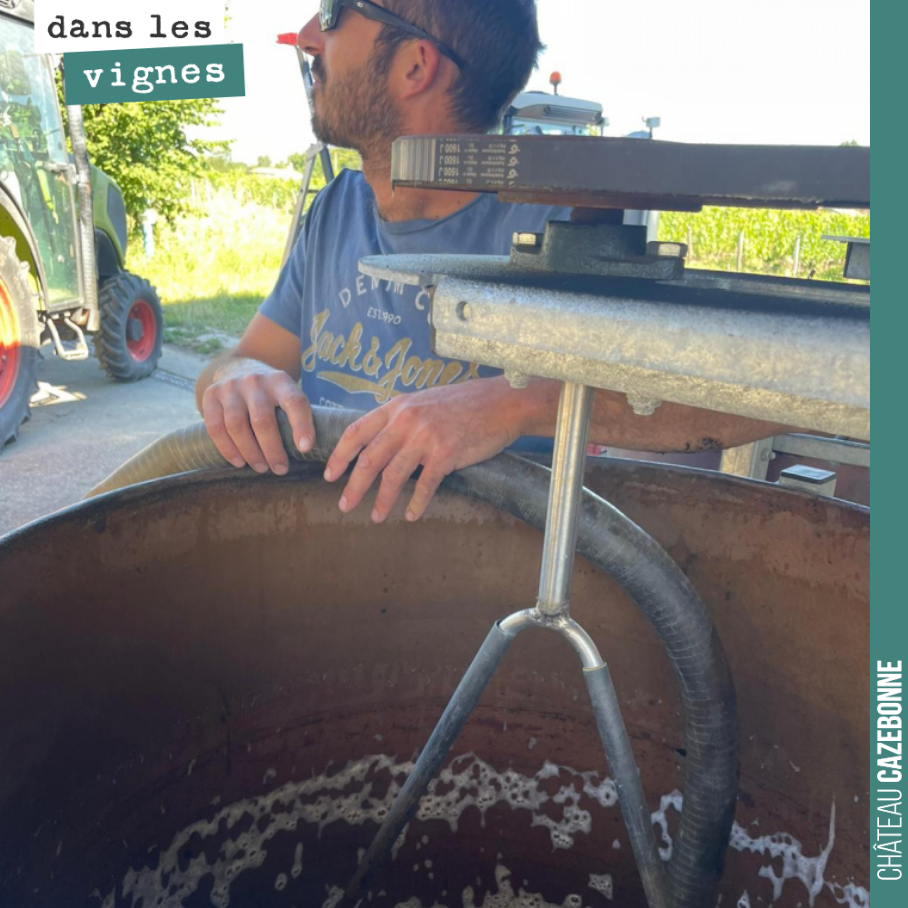
15 July 2022
06 October 2019
31 July 2019

08 June 2019
04 June 2019
07 May 2019
16 April 2019
11 April 2019
20 March 2019
20 March 2019
09 March 2019
06 July 2018
The cellar, forgotten grape varieties and our cuvées, twice a month. 5% off your first order with the code BIENVENUE.